The global spinal implant sector demands unprecedented levels of clinical safety, mechanical longevity, and biological compatibility. As a leading orthopedic implant spine implant supplier & suppliers, we recognize that procurement managers, medical device distributors, and hospital networks operate under tightening regulatory landscapes (such as the transition to EU MDR and stringent FDA 510(k) clearances). Sourcing high-quality spinal systems involves mitigating risks associated with material fatigue, implant subsidence, and microbial contamination.
Modern clinical practices have shifted toward patient-specific pathways and minimally invasive surgical (MIS) methodologies. This demands modular spine systems where pedicle screws, rods, crosslinks, and interbody cages work seamlessly together. A failure in design interoperability can lead to extended operating theater times and elevated revision rates. Consequently, selecting an integrated supplier capable of manufacturing both implants and matching instrumentation kits is vital for clinical success and operational cost-containment.
Every batch of medical-grade Titanium and PEEK (Polyetheretherketone) is verified through mechanical, chemical, and metallurgical analysis to guarantee long-term implant stabilization.
Addressing the growing demand for veterinary neurosurgery systems, offering adapted dimensions for small-to-large animal veterinary orthopedic procedures without compromising human-grade biomechanics.
Utilizing high-precision CNC Swiss machining centers and automated optical coordinate inspection systems to secure ultra-tight manufacturing tolerances.
Our implant solutions target critical clinical goals: restoration of lumbar/cervical lordosis, optimization of implant-to-bone contact area, reduction of stress shielding, and promotion of rapid osseointegration.
1. Material Evolution: PEEK vs. Titanium
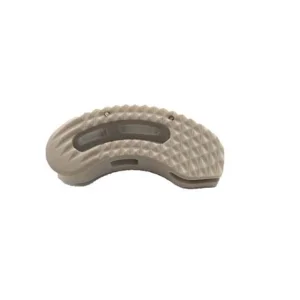
For years, Titanium Alloys (specifically Ti-6Al-4V ELI) have been the gold standard due to high tensile strength and biocompatibility. However, the modulus of elasticity of titanium is higher than that of cortical bone, which can lead to stress shielding. We address this by manufacturing PEEK Interbody Fusion Cages (ACIF & TLIF). PEEK features an elastic modulus close to human bone, which aids in physiological load sharing, and is radiolucent, enabling clear postoperative radiographic assessment of fusion progress.
2. Advanced Pedicle Screw Architecture
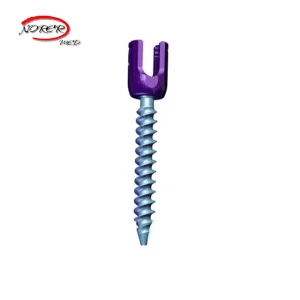
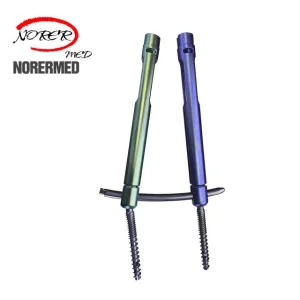
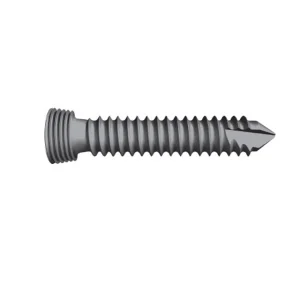
Our pedicle screw lines feature a dual-lead thread design that improves purchase in both cortical and cancellous bone structures. Polyaxial screw tulips provide a range of angulation (up to 50 degrees), facilitating rod alignment in complex scoliosis or degenerative surgeries. We also produce Uniplanar and Monoaxial variants to cover deformity correction and trauma-stabilization protocols.
3. Minimally Invasive Surgery (MIS) Systems
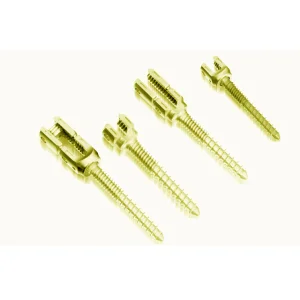
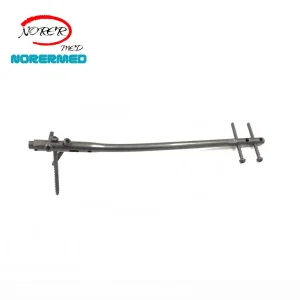
To minimize muscle dissection, soft tissue retraction, and postoperative recovery periods, our technical roadmap prioritizes percutaneous cannulated pedicle screws. These systems feature extended tab sleeves that act as built-in reduction towers, allowing surgeons to execute posterior fixation via minimal skin incisions.
4. Interbody Cage Infusion Channels
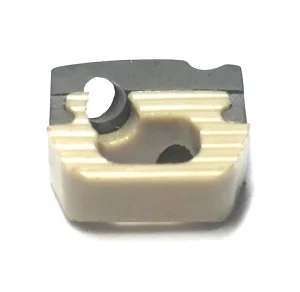
Our cervical (ACIF) and lumbar (TLIF) cages feature central graft windows designed for maximum packing of autologous or synthetic bone grafts. Integrated locking systems (such as the ACIF Locking Infusion Cage) prevent implant migration and displacement during early-stage load bearing, ensuring stable long-term fusion.
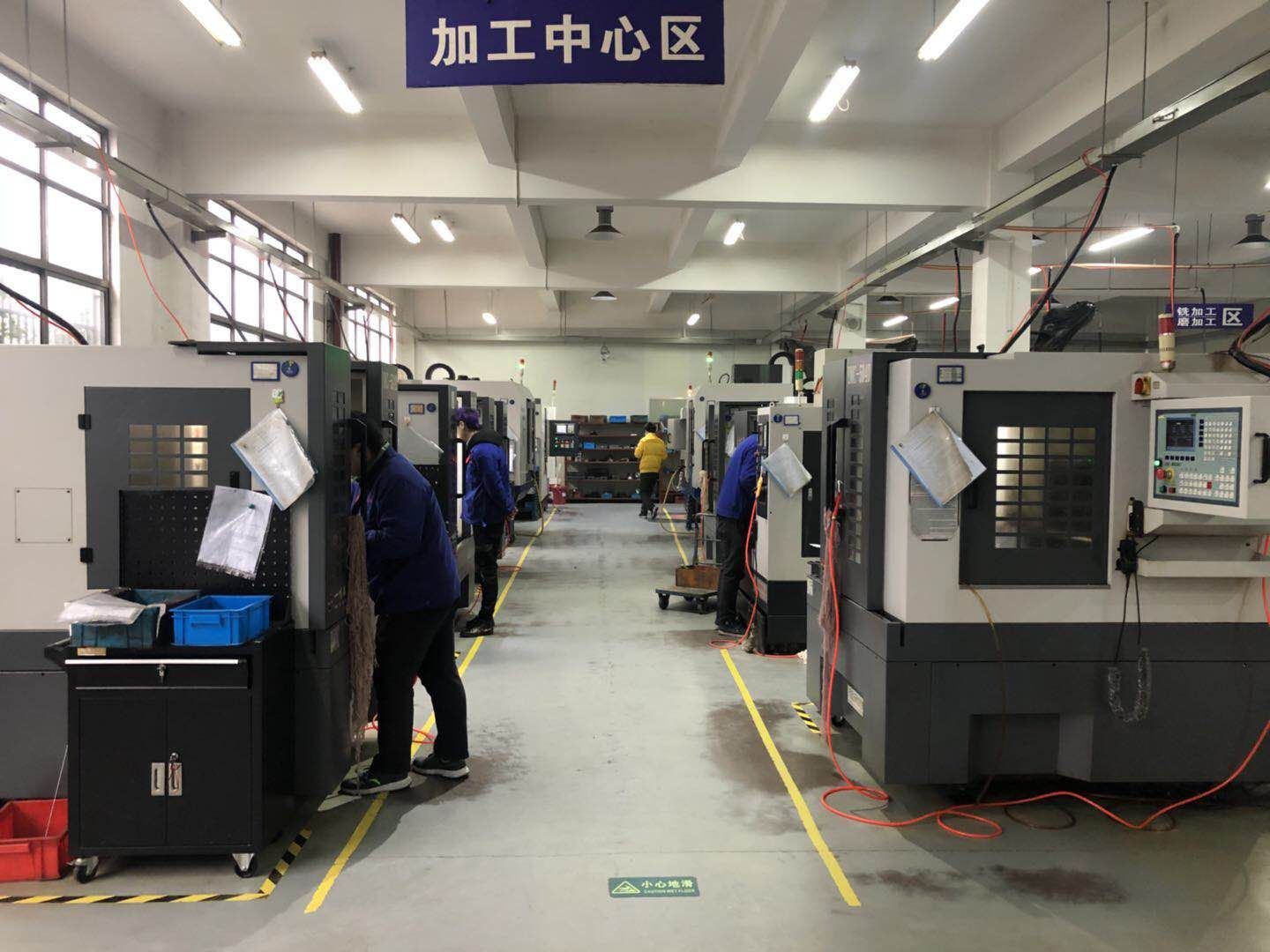
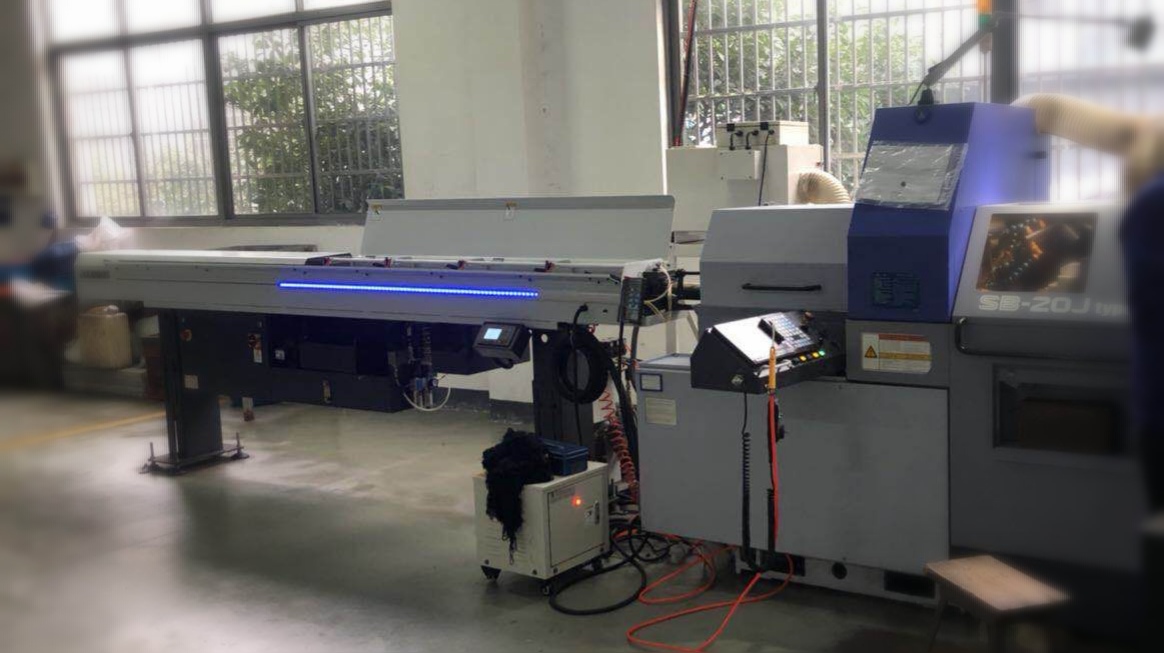
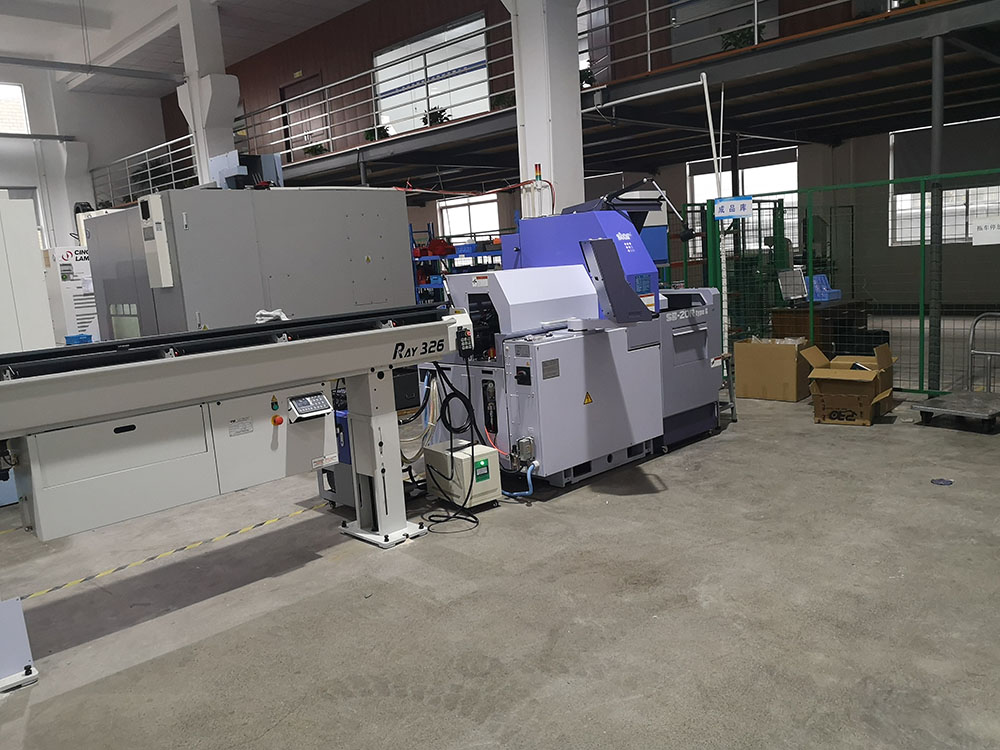
We are situated in Changzhou City, Jiangsu Province, China—a premier global industrial hub for orthopedic and medical device manufacturing. This location allows us to leverage an integrated supply chain that spans raw material refinement, high-precision machining, chemical surface treatment, and professional cleanroom packaging.
As a highly specialized supplier, we combine our manufacturing expertise with trading capability, offering custom procurement packages, raw material verification certifications, and international logistics solutions. Our team of 11 to 50 employees includes senior biomedical engineers, CNC programmers, and quality assurance inspectors who work to maintain the mechanical integrity of every medical device we produce.
Our product portfolio covers the three main areas of orthopedic surgery: Spinal Fixation (pedicle screws, rods, crosslinks, PEEK/Titanium cages), Trauma Reconstruction (interlocking nails, bone plates, locking screws), and specialized Cranial systems. This wide range ensures that our distributors can source comprehensive implant lines from a single, reliable manufacturer.
| Company Name | DEON Medical (Changzhou) Co., Ltd. |
|---|---|
| Location | Jiangsu, China (Changzhou City) |
| Industry Focus | Orthopedic Trauma bone plate, bone screw, orthopedic Interlocking nail, orthopedic spine pedicle screw, Cervical Plate, PEEK cervical & lumbar cage and related equipments manufacturer. |
| Business Type | Trading Company & Manufacturer |
| Total Employees | 11 - 50 People |
| Global Join Year | 10 Years Industry Presence |
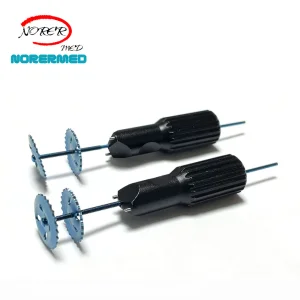
For every spinal system supplied, we offer compatible surgical instrument sets. Made from medical-grade stainless steel and silicone, they are designed to withstand autoclaving cycles and support smooth surgical workflows.
Our implants are packaged in cleanroom conditions, using double-barrier medical Tyvek packaging. This preserves sterility throughout global shipping and storage.
Navigating the regulatory landscape is a critical part of supplying orthopedic implants. Our manufacturing partners maintain ISO 13485 certification for medical device quality management systems. This certification requires complete material traceability, validated cleanroom packaging, and strict control over all manufacturing steps.
Whether shipping to the Americas, Europe, the Middle East, or Southeast Asia, we coordinate transit options to ensure products arrive safely and on time. We handle customs documentation, Certificate of Origin filings, and sterilization compliance reports to minimize delays at regional import terminals.
Our spinal fixation implants (pedicle screws, rods, crosslinks) are manufactured from biocompatible Titanium Alloy (Ti-6Al-4V ELI / ISO 5832-3). Our interbody fusion cages (ACIF, TLIF) are made from medical-grade PEEK (Polyetheretherketone), which offers a modulus of elasticity close to human bone and allows for clear postoperative imaging.
Yes, our spinal systems undergo mechanical testing based on ASTM F1717 and ASTM F2077 standards. These protocols test the construct's resistance to static compression, static torsion, and dynamic fatigue under simulated physiological loads.
Yes, we specialize in providing human-grade, high-durability spinal implants adapted for veterinary procedures. Our product line includes smaller pedicle screw sizes and PEEK cages designed for canine spinal fusion and stabilization surgeries.
Lead times depend on the order volume and customization details. Standard configurations are typically processed within 15 to 30 days. Custom OEM orders that require custom thread designs or specific packaging may require 45 to 60 days, which includes time for technical reviews and quality control checks.
Our implants are packaged in cleanroom conditions using medical-grade Tyvek blister packs. This double-layer sterile packaging is designed to maintain barrier integrity and protect the implants during international transit.
We supply comprehensive documentation packages for international registration, including Material Mill Certificates (raw material traceability), ISO 13485 Quality Management certificates, compliance statements, and sterilization validation reports.
 Deon Medical