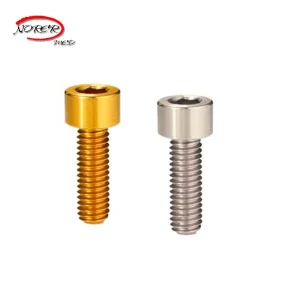
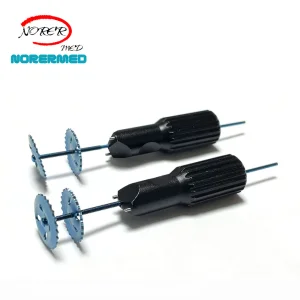
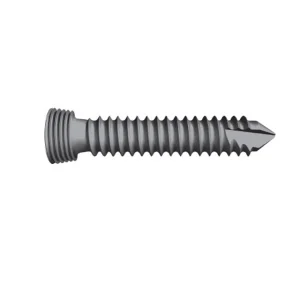
Modern traumatology demands internal fixation methods that respect the biological environment of bone healing. Among these, the interlocking intramedullary nail remains the gold standard for long bone shaft fractures. Unlike conventional bone plates that rely on rigid load-bearing fixation—which can sometimes shield the bone from stress and delay osteogenesis—interlocking nails operate on a load-sharing principle.
By positioning the implant centrally along the neutral axis of the bone canal, intramedullary nails minimize bending moments and distribute functional stresses harmoniously, encouraging secondary bone healing through callus formation.
Advanced distal and proximal targeting configurations allow surgeons to switch between static locking (offering rotation stability) and dynamic locking (allowing axial controlled micro-motion to trigger fracture compaction).
Fabricated using highly biocompatible Titanium Alloy (Ti-6Al-4V ELI / Grade 23), ensuring high tensile strength, exceptional fatigue resistance, and absolute MRI compatibility under extreme clinical loads.
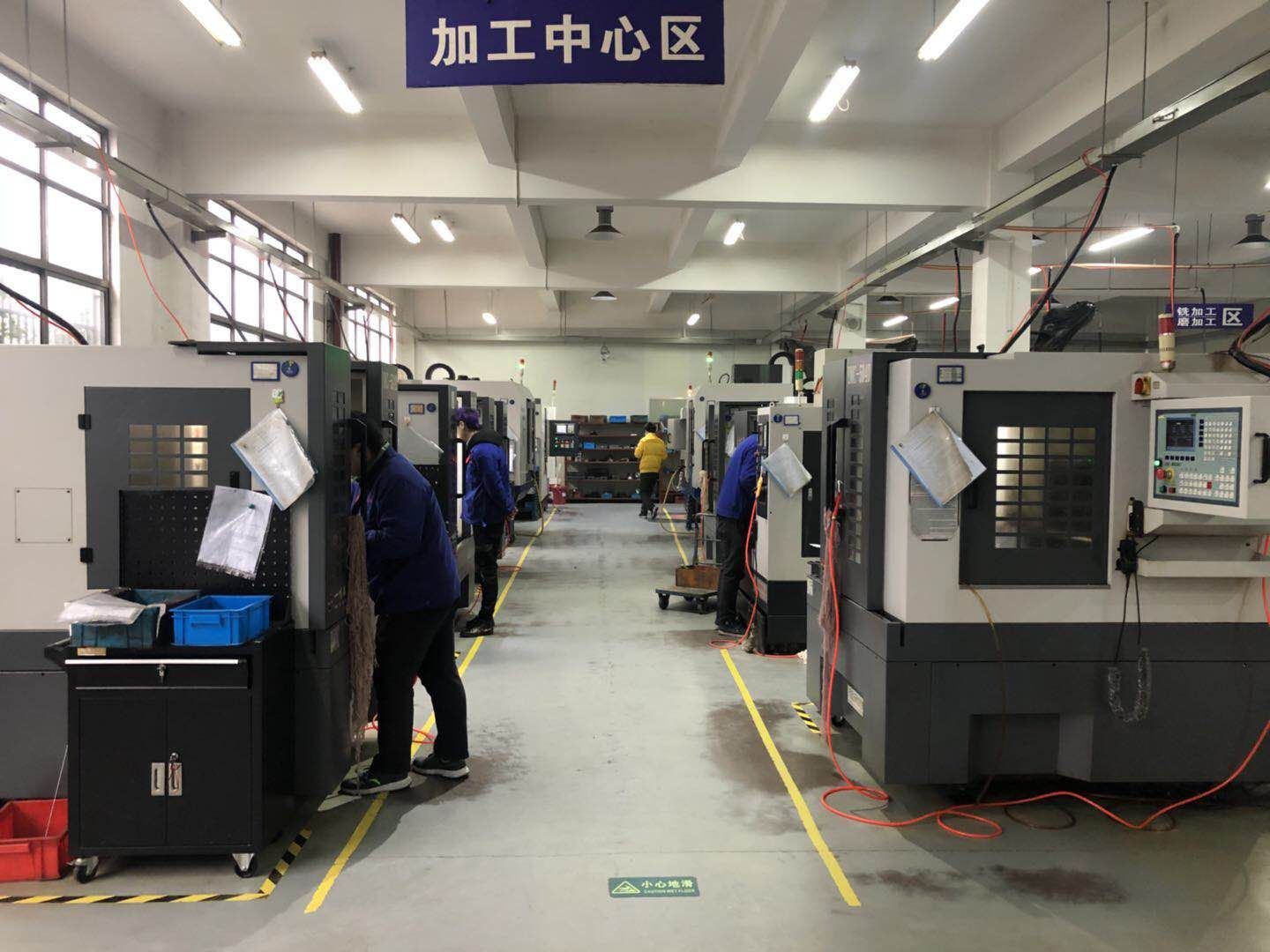
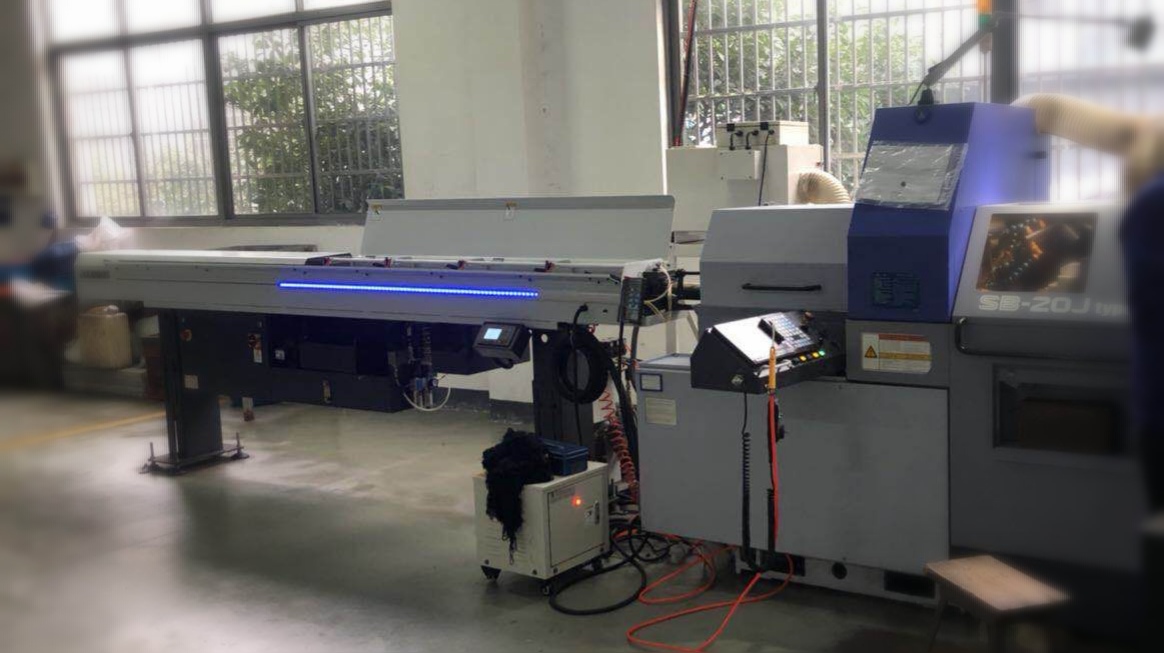
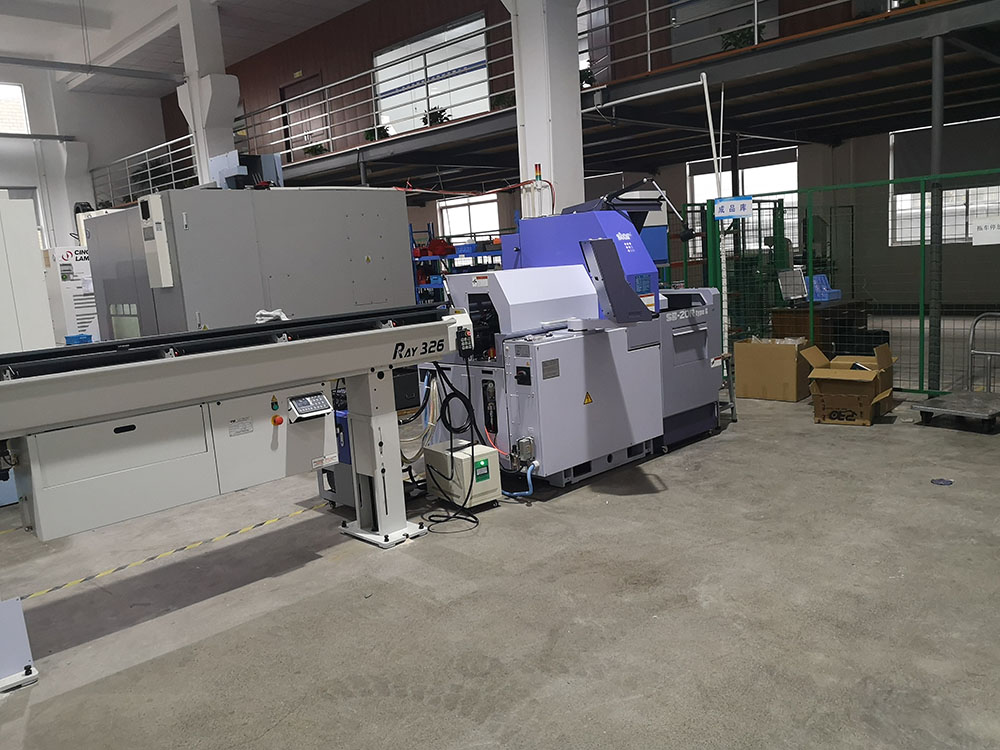
The mechanical architecture of the nail requires highly precise micro-machining of the locking screw holes. A microscopic deviation in the angle or pitch of these holes can result in proximal or distal targeting failure during surgery, raising fluoroscopy times and surgical risks. High-end manufacturers like DEON Medical utilize specialized CNC Swiss-type lathes to hold tolerances down to ±0.01mm, ensuring that implant insertion remains smooth and predictable.
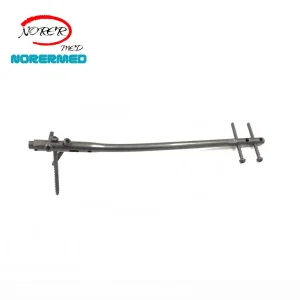
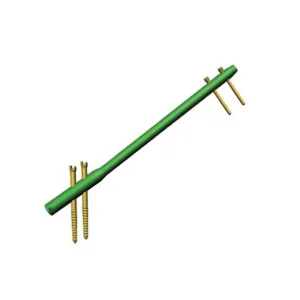
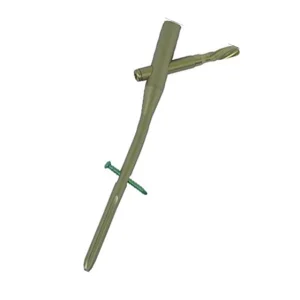
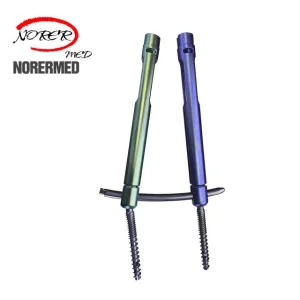
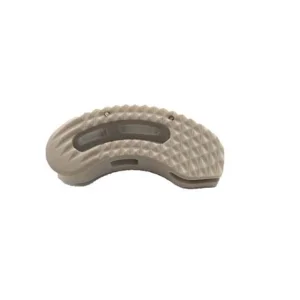
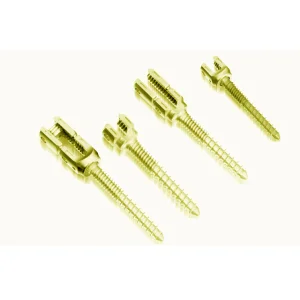
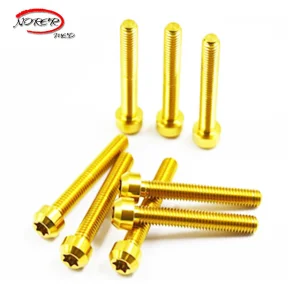
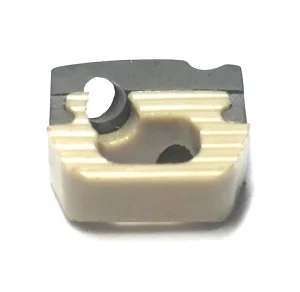
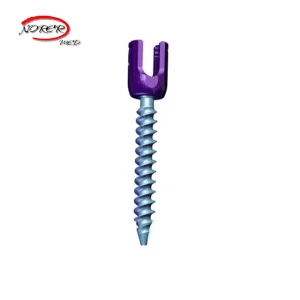
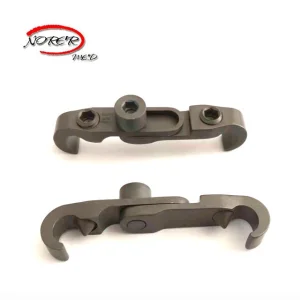
The mechanical structure of the intramedullary nail involves complex curvatures. The anatomical bowing of the femur, for instance, requires a pre-bent design (e.g., GAMA type) to avoid anterior cortex perforation. Below are detailed visualizations of our production range:
As healthcare costs rise globally, hospital purchasing groups and medical device distributors face mounting pressures. Selecting an orthopedic manufacturing partner in China is no longer just about unit cost; it is about regulatory compliance, supply chain resilience, and consistent technical output.
At the center of Changzhou’s medical cluster, DEON Medical (Changzhou) Co., Ltd. combines raw material sourcing, state-of-the-art CNC processing, and advanced surface anodization techniques under one roof. Our facilities leverage automated processing technologies to minimize manual handling of implants. This ensures raw material certification traceability back to the original ingot lot, meeting strict international criteria.
Different anatomical zones dictate unique biomechanical demands. Interlocking nail systems must adapt accordingly:
The proximal tibia features a complex structural shape. The Expert Tibial Nailing System offers multiple multi-directional proximal locking options, including oblique locking screws to stabilize very proximal segment fractures. Distal locking utilizes dynamic, static, and AP configurations to guarantee ultimate stability close to the ankle joint.
For subtrochanteric or femoral shaft fractures, the nail must handle extreme body weight loads. Our GAMA femoral system offers an anatomical curvature (1.5m curvature radius) to reduce stress concentration at the distal tip of the nail, simplifying insertion and preventing anterior cortex impingement.
In osteoporotic patients, traditional locking screws risk cutting out through fragile bone structures. The PFNA system utilizes a helical blade instead of screws. The helical blade compacts the cancellous bone during insertion, providing superior resistance against rotational and varus displacement, which is crucial for early patient mobilization.
Understanding who manufactures your orthopedic devices is essential for ensuring product reliability and clinical safety. Below is our formal profile details:
A trusted name in precision orthopedic traumatology and osteosynthesis systems.
 Deon Medical