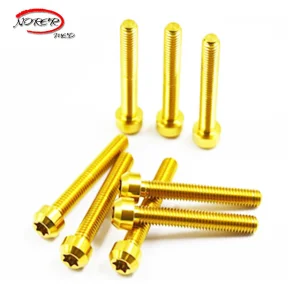
Explore our leading selection of human and veterinary implants engineered for anatomical stability, biocompatibility, and rapid osseointegration.
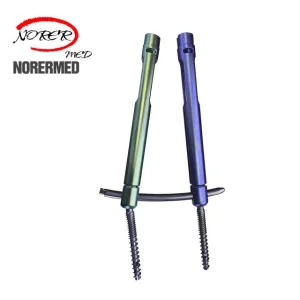
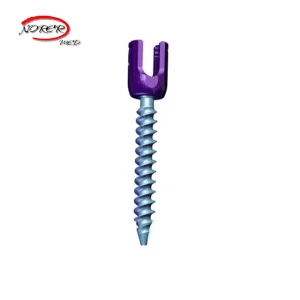
The global clinical demand for musculoskeletal intervention continues to expand at a rapid compound annual growth rate (CAGR). Driven by an aging population, rising rates of degenerative spine diseases, complex trauma injuries, and highly specialized veterinary clinical requirements, orthopedic procurement departments worldwide are facing a critical bottleneck. Finding reliable orthopedic implant factories that can guarantee raw material integrity, extreme dimensional accuracy, and robust supply chain resilience is paramount.
Historically, major medical brands relied heavily on localized OEM providers. However, the maturation of precision machining technologies in advanced manufacturing hubs, particularly in Jiangsu Province, China, has disrupted the paradigm. Today, medical device distributors, hospitals, and surgical specialists seek direct manufacturing collaborations to reduce capital expenditure while maintaining strict regulatory compliance (CE MDR, FDA 510k, NMPA Class III).
This guide breaks down the essential criteria for selecting orthopedic implant suppliers, highlights the structural advantages of modern Chinese medical factories, and details how high-quality implant design mitigates long-term mechanical failure and revision surgeries.
A decade of engineering excellence in orthopedic trauma, spine, and joint solutions.
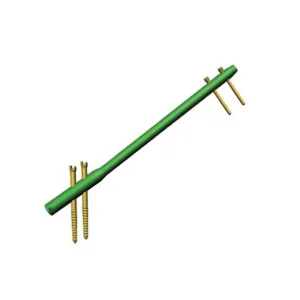
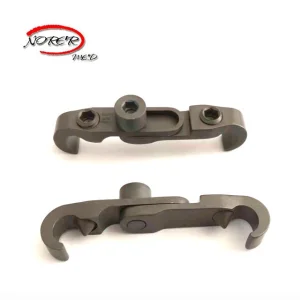
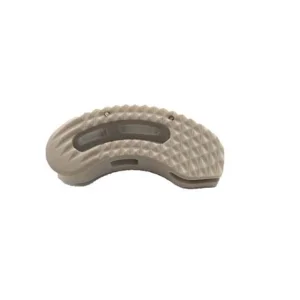
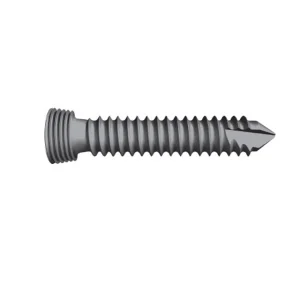
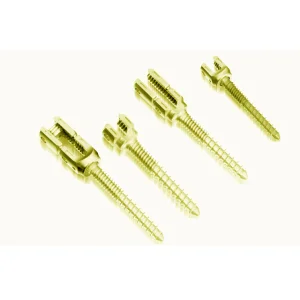
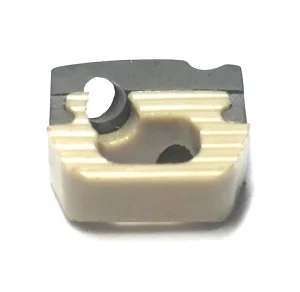
DEON Medical (Changzhou) Co., Ltd. is a high-tech medical device enterprise headquartered in Changzhou City, Jiangsu Province, China. The company specializes in the design, development, and manufacturing of high-grade human and veterinary orthopedic trauma plates, cortical/cancellous bone screws, interlocking intramedullary nails, spinal fixation system pedicle screws, anterior cervical plates, and PEEK cervical and lumbar cages.
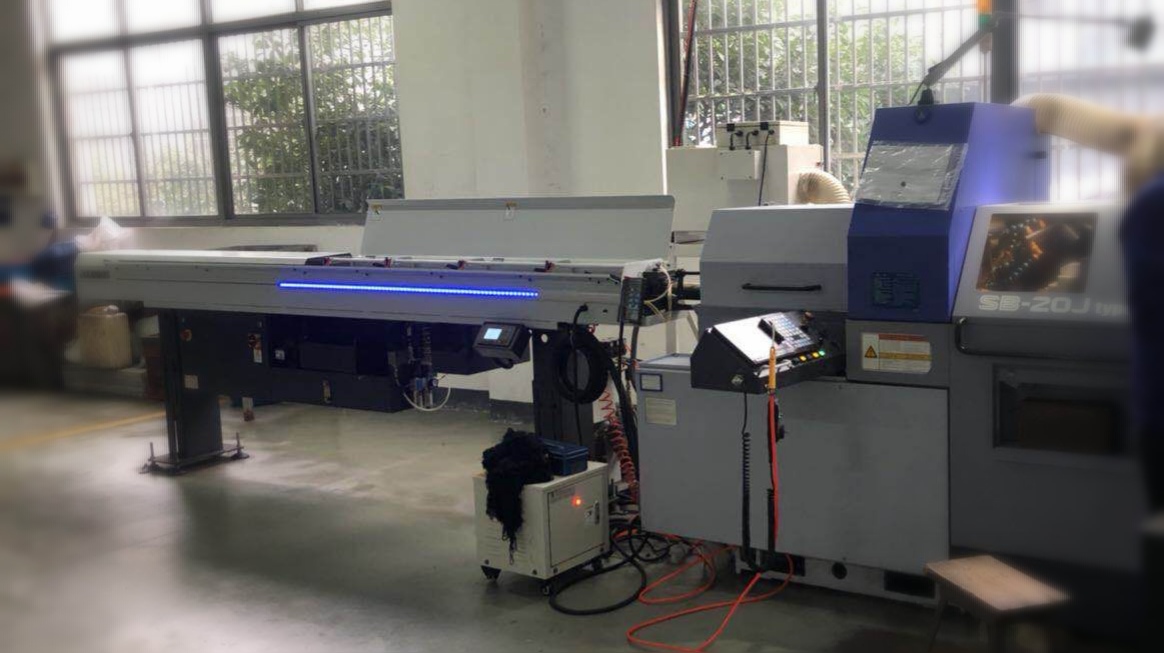
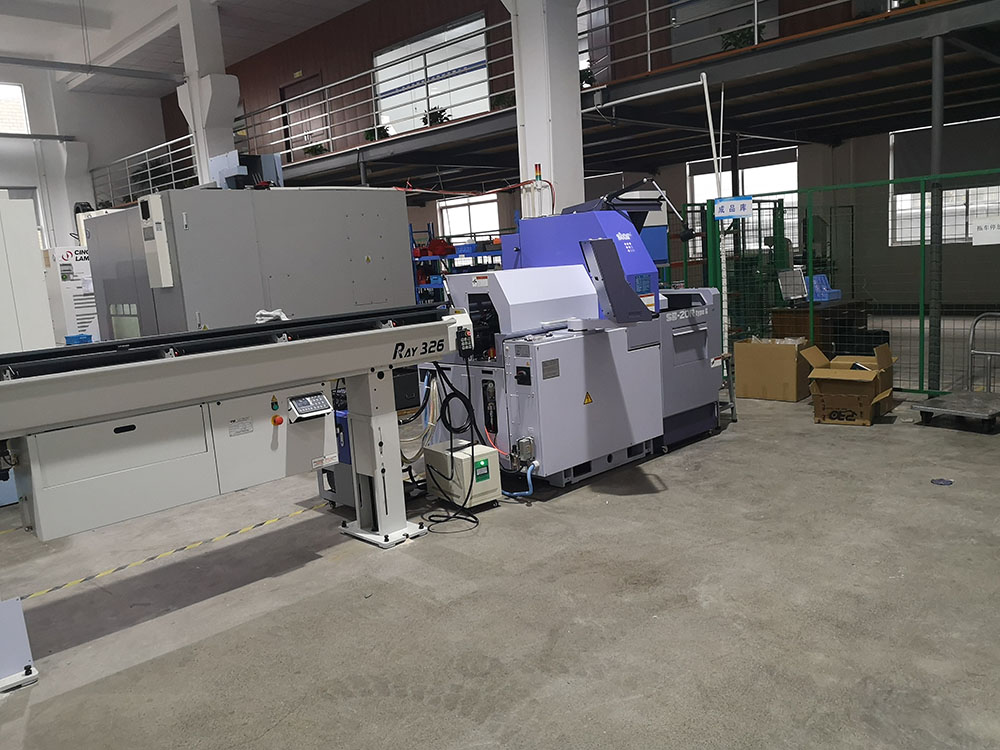
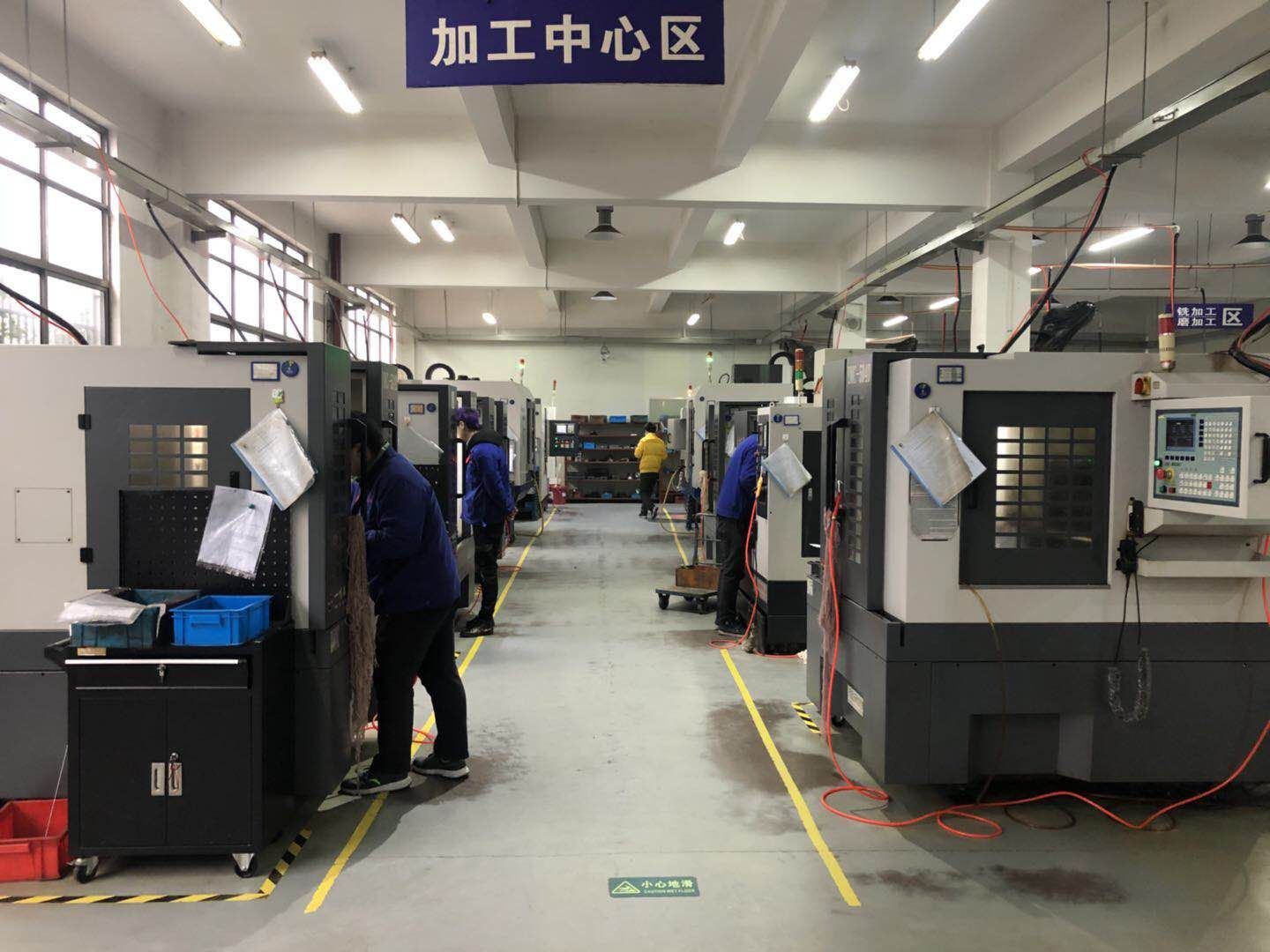
The integration of Factory 4.0 paradigms in Chinese medical device manufacturing clusters has revolutionized orthopedic supply chains. Utilizing state-of-the-art multi-axis CNC Swiss-type automatic lathes and 5-axis high-speed machining centers (from brands like Mazak and Citizen), manufacturers like DEON Medical achieve geometric tolerances within ±0.005mm. This degree of repeatability is essential for anatomical locking compression plates (LCP) and spinal pedicle screw thread profiles.
Furthermore, manufacturing in Changzhou leverages a highly specialized local ecosystem. From raw bar-stock supply to vacuum heat treatment, chemical passivation (anodization for color coding titanium implants), and laser marking, every process is conducted within a tight geographical radius. This results in shorter production lead times, superior supply chain agility, and lower logistical risk.
Our cleanroom facilities operate under Class 100,000 (ISO Class 8) and Class 10,000 (ISO Class 7) validation standards. Implants go through an automated, ultrasonic cleaning regimen to remove all cutting fluids and particulate residues, minimizing pyrogenic and microbiological risk for patients.
Understanding the physical and biological characteristics of standard medical-grade implant materials.
Modern orthopedic and spinal surgery demands materials that offer structural integrity under physiological load cycles while preventing adverse tissue reactions. The two primary materials dominating the industry are Medical Grade Titanium Alloy (typically Ti-6Al-4V ELI conforming to ASTM F136 / ISO 5832-3) and Polyetheretherketone (PEEK conforming to ASTM F2026).
| Property / Characteristic | Titanium Alloy (Ti-6Al-4V ELI) | PEEK (Polyetheretherketone) |
|---|---|---|
| Elastic Modulus | ~110 GPa (Closer to cortical bone than steel, but still stiffer) | ~3.6 GPa (Virtually identical to human cortical bone) |
| Osseointegration | Exceptional. Bone grows directly onto titanium surfaces. | Inert. Requires surface texturing or coating (e.g. plasma-spray) for bone bonding. |
| Radiolucency | Radiopaque (blocks X-rays, creating artifacts on MRI/CT scans) | Radiolucent (transparent to X-rays, allowing visualization of fusion) |
| Primary Application | Trauma Plates, Locking Screws, Interlocking Nails, Pedicle Screws | Spinal Interbody Fusion Cages (TLIF, PLIF, ACIF), Cranial Implants |
| Stress Shielding Risk | Moderate (due to higher stiffness relative to bone) | Extremely Low (due to biomechanical elasticity matching) |
Anticipating the next generation of patient-centric implant engineering.
As a forward-looking manufacturing ecosystem, the engineering team at DEON Medical continuously tracks material science innovations and clinical outcomes. The future of orthopedics is transitioning from passive mechanical fixation to bio-interactive structures:
Ensuring legal market entry and minimizing liability across global medical markets.
International medical markets are highly regulated. A supplier's capacity to assist with local registrations is just as important as their physical manufacturing capabilities. DEON Medical operates with a clear strategy for global compliance:
Technical clarifications for orthopedic procurement officers, bio-engineers, and medical distributors.
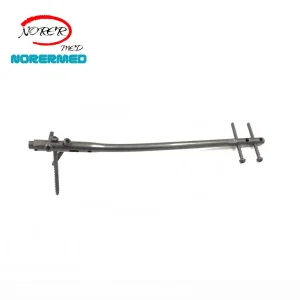
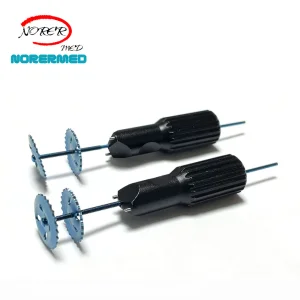
High-durability titanium fixations, crosslink systems, and spinal stabilization implants.
 Deon Medical