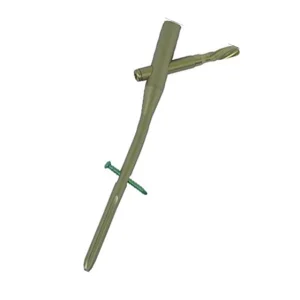
Advanced Surgical Instrumentation and Implants Certified for Human and Veterinary Applications
In the specialized field of neurosurgery, reconstruction of cranial defects demands the highest tier of engineering precision and biomaterial science. Cranial defects, whether resulting from trauma, decompressive craniectomy, tumor resection, or congenital anomalies, compromise the physiological protection of the cerebral cortex and disrupt cerebrospinal fluid (CSF) dynamics and cerebral blood flow. As premier Neurosurgery Cranial Implant Manufacturers & Exporters, our mission centers on delivering mechanical integrity, aesthetic restoration, and biocompatibility.
Historically, autologous bone grafts were the standard for cranioplasty. However, complications such as high resorption rates, donor site morbidity, and difficulty in shaping complex contours have pushed clinical preferences toward synthetic biomaterials. Modern cranioplasty utilizes custom-milled Titanium meshes, solid Titanium plates, and Polyetheretherketone (PEEK) patient-specific implants (PSIs). These systems stabilize the cranial vault, prevent atmospheric pressure from directly compressing the brain parenchymal tissue, and restore anatomical symmetry.
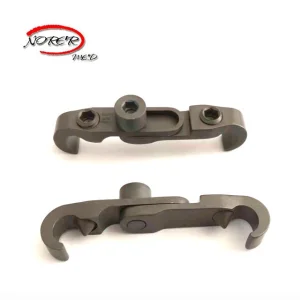
Beyond structural support, the stabilization of implants within the high-stress cranial environment is critical. This is where specialized mechanical fixation tools like the Titanium Cranial Skull Lock play a key role. Traditional micro-screw and micro-plate systems require extensive drilling, which poses risks to the underlying dura mater and brain tissue. In contrast, modern cranial clamps and lock systems compress the native bone edge and the implant margins simultaneously, reducing surgery time, minimizing micro-motion, and enhancing long-term osseointegration.
Selecting the appropriate biomaterial is a foundational decision in implant manufacturing. Both titanium and Polyetheretherketone (PEEK) are utilized for cranial and spinal reconstruction, with each offering unique benefits for specific clinical indications.
| Material Property | Medical-Grade Titanium (Gr 5 / Ti-6Al-4V) | Polyetheretherketone (PEEK) |
|---|---|---|
| Biocompatibility | Excellent; triggers natural osteointegration and bone bonding. | Highly bioinert; minimal soft tissue reaction or fibrous adhesion. |
| Tensile Strength | High (860–930 MPa); excellent resistance to blunt force trauma. | Moderate (90–100 MPa); mimics native cortical bone resilience. |
| Elastic Modulus | 110 GPa; stiffer than cortical bone, potential for stress shielding. | 3.6 GPa; closely matches cortical bone (18 GPa), reducing stress shielding. |
| Radiographic Properties | Radiopaque; produces scattering artifacts in CT and MRI scans. | Radiolucent; permits clear imaging of underlying brain parenchyma. |
| Thermal Conductivity | Higher; patients may experience sensitivity to temperature changes. | Very low; insulates the brain from external thermal variations. |
Titanium Cranial Locks and Meshes: Highly favored for their durability and high impact resistance, titanium implants remain the standard for trauma reconstructions. Due to their high tensile strength, they can be processed into thin, malleable meshes or rigid locking clamps that secure cranial bone flaps after a craniotomy.
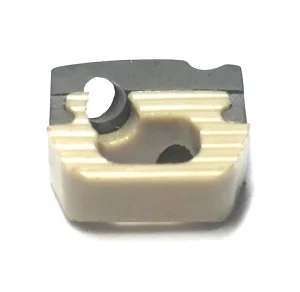
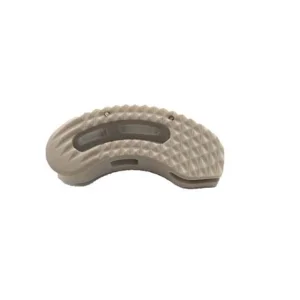
PEEK Lumbar & Cervical Cages: In spinal applications, such as the ACIF PEEK Locking Infusion Cage and TLIF cages, PEEK's low elastic modulus prevents subsidence (the implant sinking into the vertebral body). This radiolucent property allows surgeons to easily monitor bone fusion progress through standard X-rays without metal artifacts.
The field of neurosurgical and orthopedic implants is evolving toward patient-specific, bioactive designs. At DEON Medical, our technology roadmap focuses on three main developments:
Additive Manufacturing (3D Printing): Traditional subtractive CNC machining is highly precise for manufacturing standard products like pedicle screws and cranial locks. However, 3D printing (specifically Direct Metal Laser Sintering, or DMLS) allows us to build complex, porous titanium geometries directly from a patient’s CT DICOM data. These porous structures mimic natural trabecular bone, encouraging rapid bone ingrowth.
Bioactive Surface Modifications: To enhance osteointegration, we are developing advanced surface coatings, including hydroxyapatite (HA) plasma spraying and acid-etching technologies. These processes modify the surface topography at the nano-level, encouraging cell adhesion and accelerating recovery times.
Smart Resorbable Fixation Systems: Future implant designs aim to provide temporary mechanical support and then safely bio-resorb once healing is complete. While titanium remains essential for permanent, high-load configurations, we are researching polymer alloys that degrade predictably without causing localized inflammatory responses.
Located in the manufacturing hub of Changzhou, Jiangsu, China, DEON Medical operates a facility equipped with high-precision manufacturing machinery. Changzhou's orthopedics cluster provides access to specialized raw materials, heat-treatment facilities, and logistics networks.
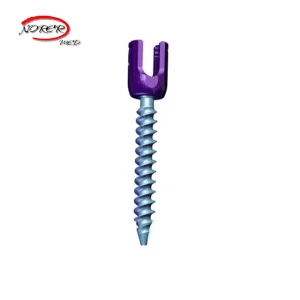
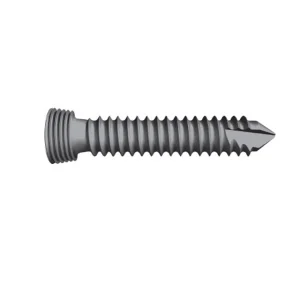
Our manufacturing line integrates 5-axis CNC machining, Swiss-type lathe turning, and electrical discharge machining (EDM) to produce tight tolerances on complex devices like pedicle screws and cranial plates. We source medical-grade titanium (ASTM F136) and implant-grade PEEK (Invibio) to ensure every product meets global mechanical standards.
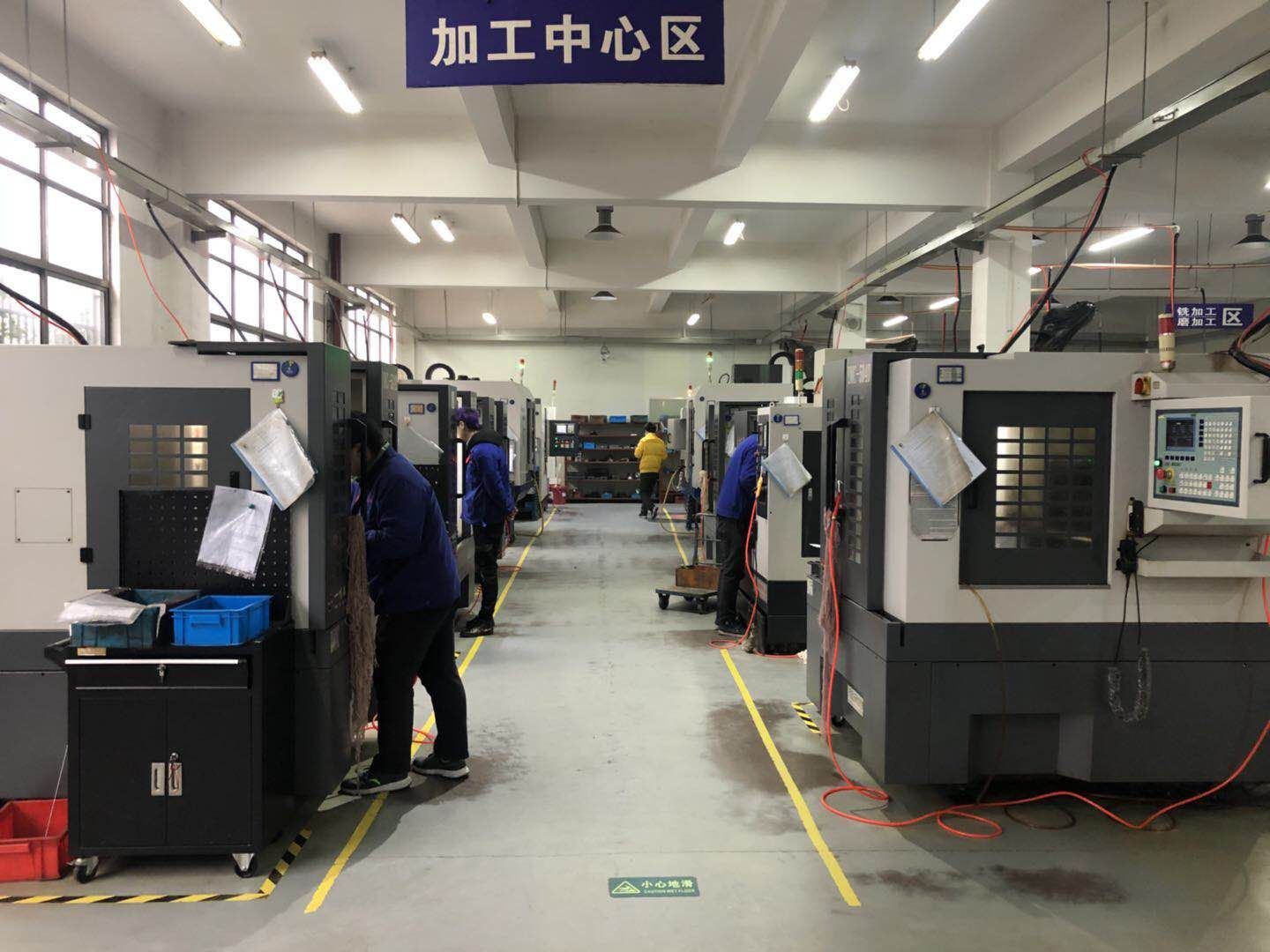
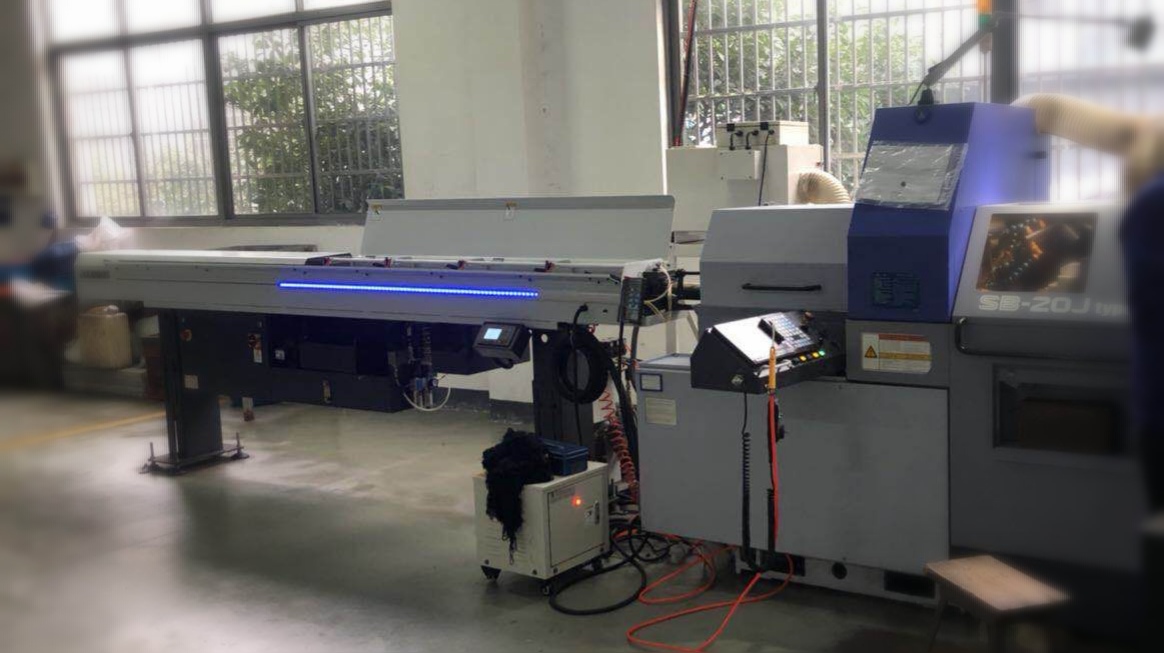
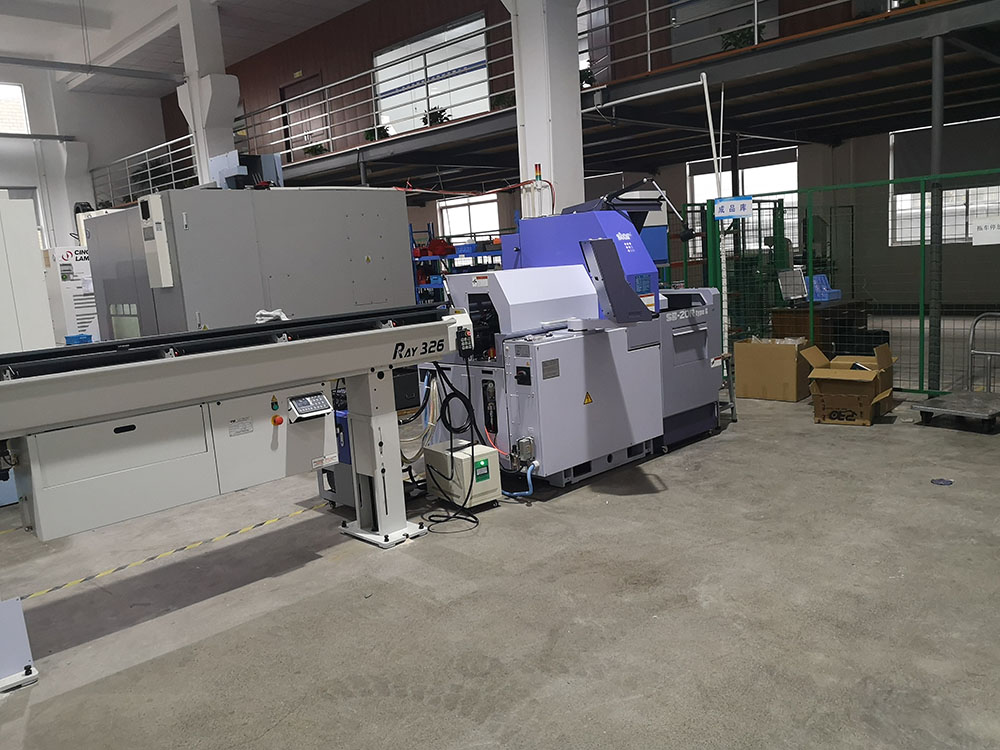
Quality assurance is central to our operations. Every production run undergoes structural testing, coordinate-measuring machine (CMM) dimensional verification, and ultrasonic cleaning in Class 10,000 cleanrooms. This ensures that every Titanium Spine Pedicle Screw or Cranial Lock is free from biological and particulate contamination prior to final packaging.
Importing class III medical devices requires navigating strict regulatory frameworks. As a trusted global exporter, DEON Medical assists international B2B buyers with compliance documentation, customs clearance, and logistical support.
We maintain certification protocols aligned with global regulatory bodies:
Whether you are a veterinary orthopedic distributor searching for specialized PEEK cages and pedicle screws or a purchasing agent for a hospital group seeking cost-effective cranial fixation solutions, our team provides OEM/ODM manufacturing, customized sterile packaging, and local regulatory registration support.
Your Strategic Manufacturing Partner for Orthopedic & Cranio-Maxillofacial Solutions
Company Description: Located in Changzhou City, China, we are a specialized manufacturer of orthopedic trauma bone plates, bone screws, orthopedic interlocking nails, spinal pedicle screws, cervical plates, and PEEK cervical and lumbar cages. Over the past decade, we have built a reputation for delivering reliable, biocompatible implants designed for both human and veterinary applications.
In-Depth Answers to Clinical, Mechanical, and Purchasing Inquiries
High-Precision Bone Screws, Interlocking Nails, and Bio-Alloy Components
 Deon Medical