Advanced biomechanical systems selected for Boston’s top surgical centers, academic clinical networks, and trauma centers.
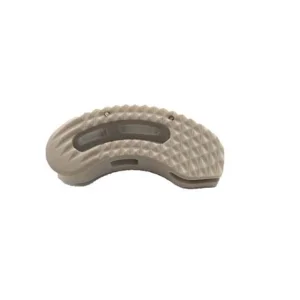
High-grade polyetheretherketone interbody fusion device designed for lumbar arthrodesis, optimized for radiolucency and physiological load transfer.
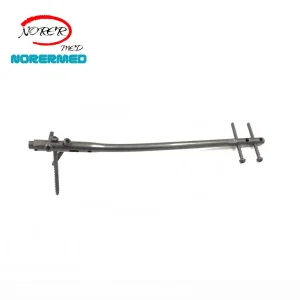
Cannulated tibia nail system providing optimal multi-planar stability. Designed for complex proximal and distal metaphysical fracture configurations.
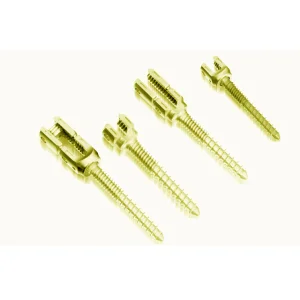
Monoaxial pedicle screw designed to deliver rigid stabilization of spinal segments, featuring a low-profile head and optimized thread dynamics.
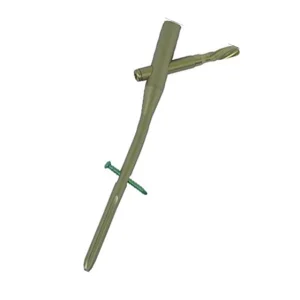
Proximal Femoral Nail Antirotation (PFNA) engineered with helical blade technology, maximizing biomechanical fixation stability in osteoporotic bone.
An in-depth analysis of orthopedic trauma sourcing requirements in the Massachusetts biotechnology corridor.
Boston stands as a global epicentre for translational medicine, orthopedic research, and clinical trials. With world-renowned networks such as Mass General Brigham, Boston Medical Center, and Beth Israel Deaconess Medical Center, local orthopedic surgeons demand implants that demonstrate absolute biomechanical integrity, structural reliability, and precise anatomical contouring.
Sourcing trauma implants for the Greater Boston region requires adhering to the highest standards of materials science and regulatory documentation. In high-velocity impact cases or complex non-union reconstructive surgeries, surgical failure is not an option. Suppliers must deliver solutions with validated clinical safety records.
Implant designs must reconcile the tension between mechanical strength and modulus matching. Implants made from medical-grade Titanium Alloy (Ti-6Al-4V ELI) and PEEK (Polyetheretherketone) provide options for varied structural loads. The target is to reduce stress shielding, prevent osteolysis, and foster rapid osseointegration.
For exporters targeting Boston-based clinical hubs and distributor networks, maintaining a robust supply of both human-grade and specialized veterinary orthopedic hardware is key. Boston's advanced veterinary surgical facilities demand the same structural and metallurgical standards as human clinical workflows.
"The integration of advanced surface modification techniques with high-purity medical titanium alloys represents the modern frontier of trauma care. Suppliers must present clear documentation of material integrity and fatigue life profiles to gain acceptance within Boston's clinical evaluation boards."
Understanding when to deploy PEEK vs. Titanium implants is critical for hospital procurement boards. PEEK is ideal for radiolucent spinal cage applications, while Titanium excels in load-bearing trauma settings like tibial and femoral shaft fractures.
| Material Classification | Biomechanical Performance | Radiographic Characteristics | Primary Clinical Application |
|---|---|---|---|
| Titanium Ti-6Al-4V ELI (Grade 5) | High tensile strength, yield strength matching cortical bone under fatigue | Radiopaque; minor scattering artifact under high-resolution MRI/CT scan | Tibial / Femoral interlocking nails, locking plates, pedicle screws, cranial fixation |
| PEEK (Polyetheretherketone) | Modulus of elasticity matching trabecular and cortical bone, minimal stress shielding | Excellent radiolucency; clear visual monitoring of bone graft fusion progress | Lumbar TLIF cages, cervical ACIF cages, interbody spinal spacers |
| Cobalt-Chromium-Molybdenum | Excellent wear resistance, high hardness profile for articulation surfaces | High density radiopaque; significant imaging artifact generation | Joint arthroplasty bearing surfaces, modular revision components |
Engineered to meet international regulatory frameworks, from cleanroom machining to customs routing.
As trauma implant suppliers, navigating the logistics from the manufacturing base in China to Boston Logan International Airport (BOS) or the Port of Boston requires an understanding of import custom protocols. Critical components like pedicle screws, locking plates, and intramedullary nails are categorized under specific Harmonized System (HS) codes (such as 9021.90), requiring FDA facility registration, device listing, and proof of sterile-barrier packaging compatibility.
Looking ahead, the market is shifting toward personalized orthopedic solutions. This includes custom 3D-printed titanium implants featuring trabecular lattice structures that mimic natural cancellous bone, encouraging faster vascularization and osseointegration. By integrating custom CNC metal alloy machining with specialized design tools, DEON Medical is positioned to meet the shifting demands of modern surgical units.
For custom inquiries requiring unique clinical specs or customized implant kits, DEON Medical provides end-to-end design and manufacturing support. Our production lines process complex metal alloys to meet specific surgical criteria.
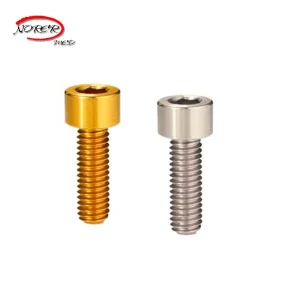
Fully customizable metal alloy machining services. Optimized for high-volume orthopedic implant components with multi-axis milling, micro-threading, and strict quality verification protocols.
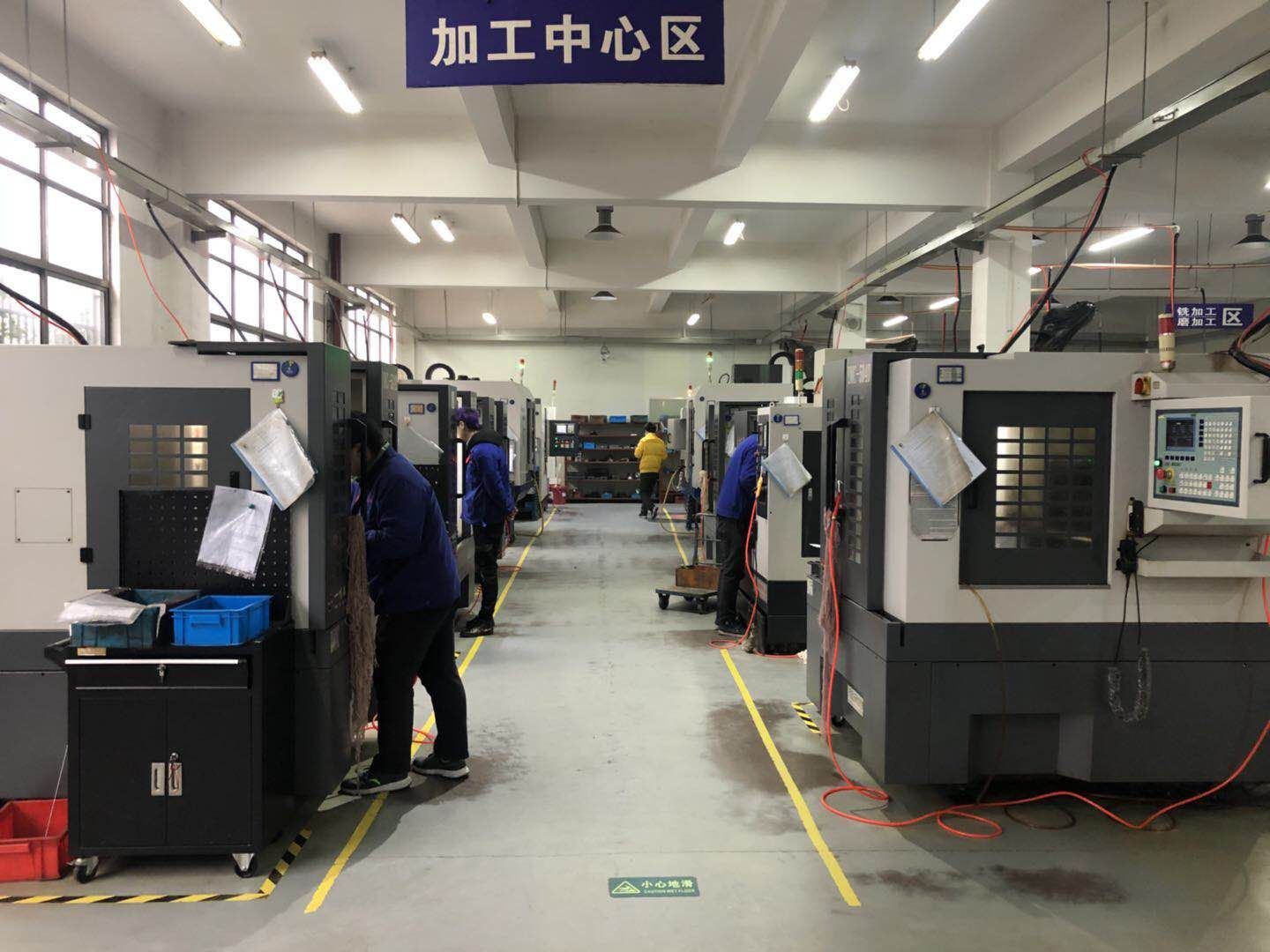
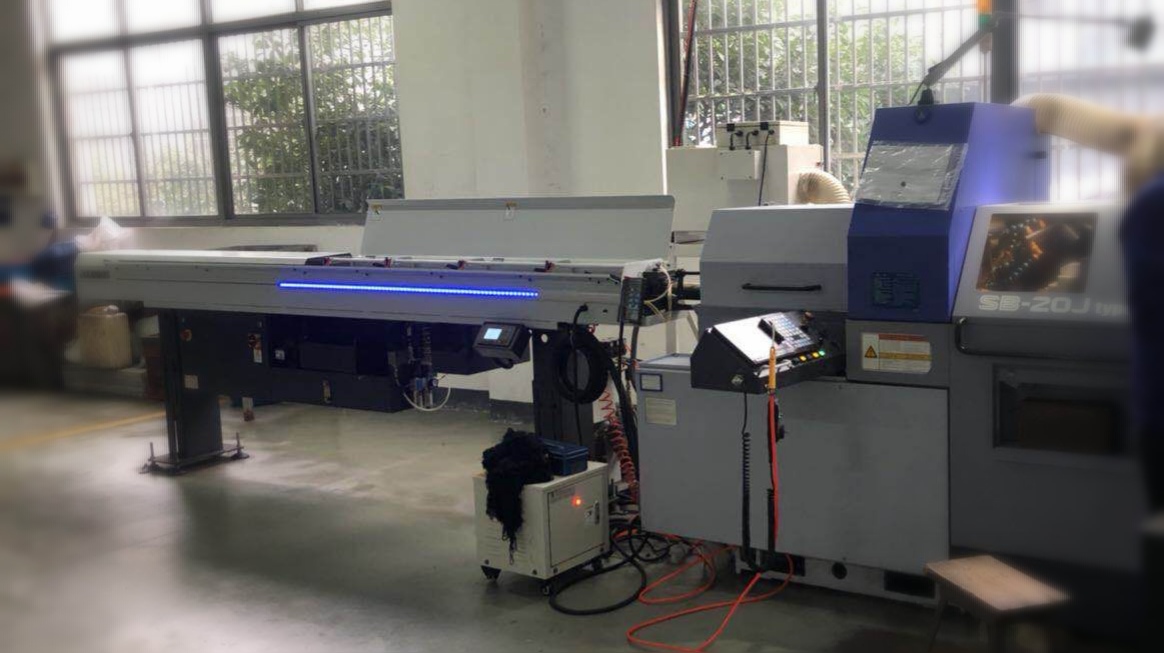
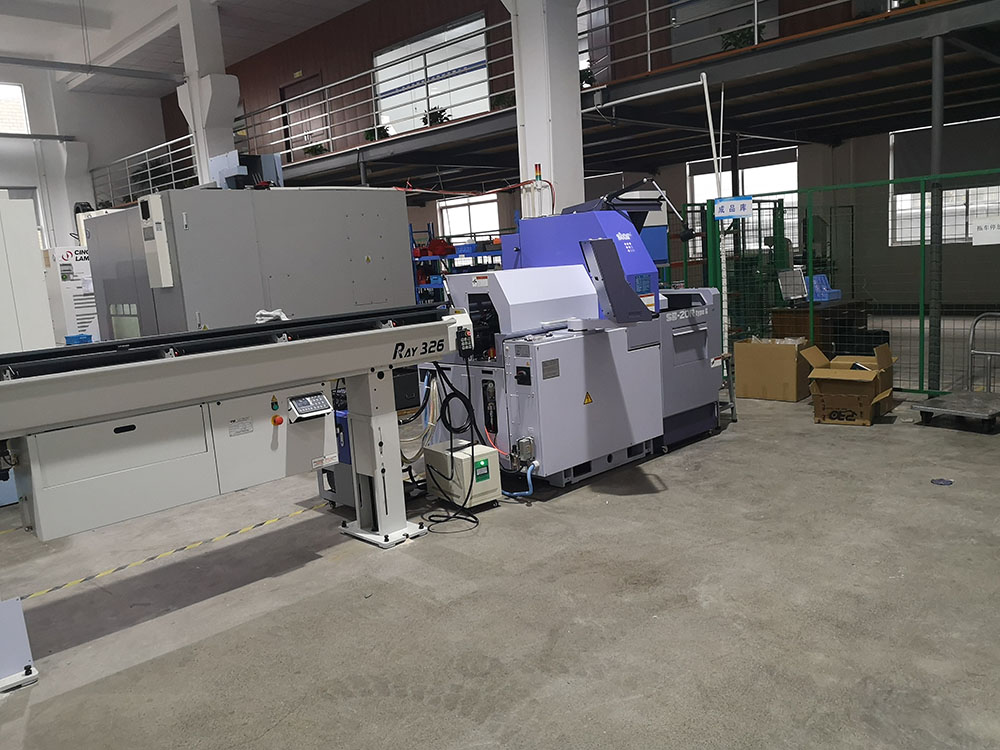
A look at our production facilities, cleanroom assembly lines, and testing equipment.
Operating from Changzhou's medical manufacturing district, DEON Medical combines technical engineering with export-driven supply chain management. We control every stage of manufacturing—from raw bar stock auditing to cleanroom assembly, ultrasonic wash cycles, packaging, and final quality inspections.
Our trauma bone plates, locking systems, and spinal cages are tested under dynamic fatigue conditions to ensure stability under physiological loads. With 10 years of export experience, we manage all necessary trade compliance steps for shipments destined for US East Coast destinations, including Boston.
A comprehensive inventory of titanium and PEEK implants, offering clinical options for reconstructive procedures.
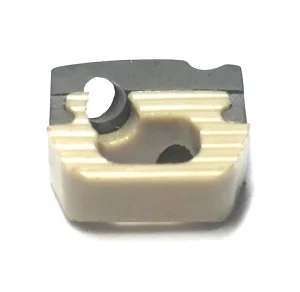
Anterior Cervical Interbody Fusion (ACIF) device featuring locking mechanisms for primary pull-out resistance, designed for stability in cervical segments.
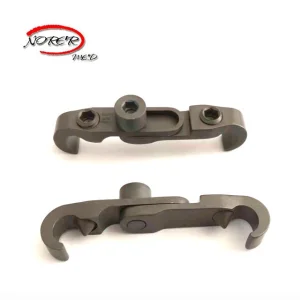
High-strength titanium crosslink rods designed to reinforce torsional stability in long-segment posterior spinal fusion assemblies.
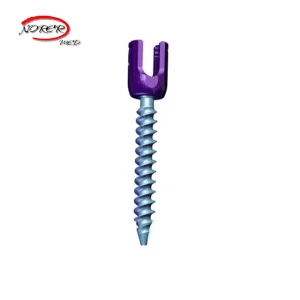
Polyaxial pedicle screw designed to allow multi-directional angular variance during insertion, easing rod adaptation in spinal reconstruction.
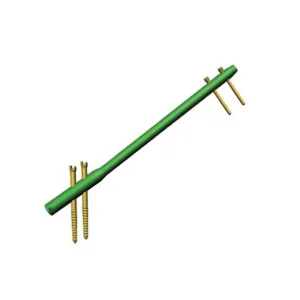
Intramedullary GAMA nail system designed for femoral shaft and trochanteric fractures, maximizing anatomical fit and physiological loading.
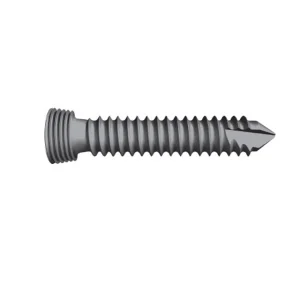
Precision-machined locking screws featuring a self-tapping thread profile, providing stable fixation within corresponding plate interfaces.
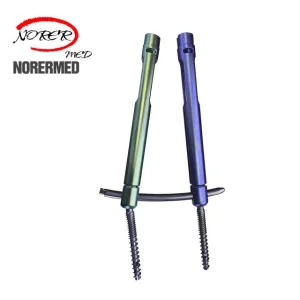
Minimally invasive pedicle screw featuring a percutaneous insertion guide, designed to reduce soft-tissue disruption in spinal surgeries.
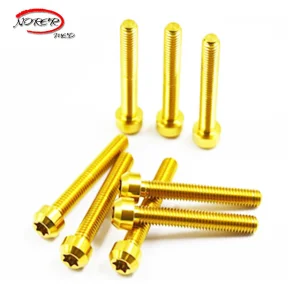
Custom machining capability for specialized titanium rods and screws, meeting strict medical dimensional tolerances and specifications.
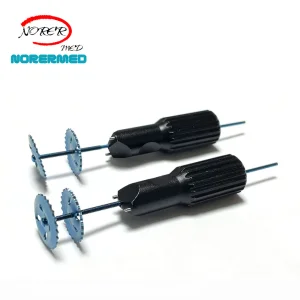
Cranial lock clamping system designed for craniotomy skull flap fixation, providing stable placement and rapid surgical locking.
Addressing clinical verification, raw material standards, logistics options, and custom engineering queries.
Our facilities operate in strict compliance with ISO 13485:2016 quality management system standards for medical devices. All raw titanium alloy bars (Ti-6Al-4V ELI) and PEEK stocks are sourced from certified global material suppliers, accompanied by complete mill test certificates, chemical analysis reports, and mechanical strain-testing data.
We provide comprehensive export handling, including customs documentation, HS classification under medical instruments (Chapter 90), and secure air cargo routing directly to Boston Logan International Airport (BOS). We support shipping terms from FOB to DDP, coordinating closely with local customs brokers to clear FDA and CBP entry processes.
Yes. Our CNC machining facilities, Swiss-type automatic lathes, and design engineering teams enable us to produce custom designs. We accept detailed CAD profiles (.step or .igs files) and manufacture implants to meet specific tolerances, thread configurations, and custom surface finish requirements.
Our orthopedic locking screws undergo multi-stage surface preparation, including ultrasonic cleaning to remove production lubricants, followed by anodization (Type II/Type III). This creates a biocompatible oxide barrier layer that stabilizes the material, reduces wear-induced ion release, and can be color-coded for quick identification in the OR.
For standard catalogue inventory, shipments can be dispatched within 7–10 working days. For custom OEM or large-scale batch orders of veterinary PEEK cages or titanium plates, the production cycle typically ranges between 3 to 5 weeks, depending on the complexity of the machining process and surface treatment requirements.
 Deon Medical