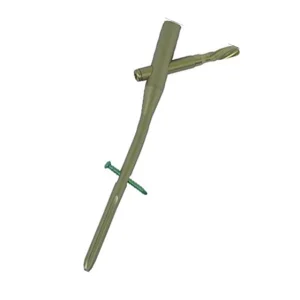
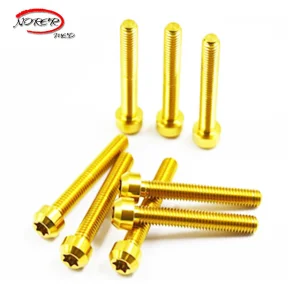
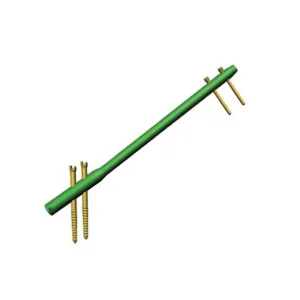
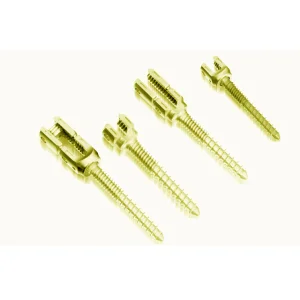
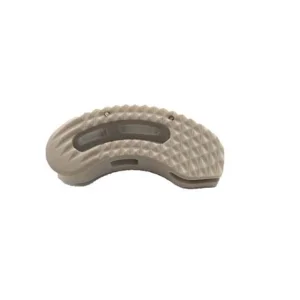
Advanced trauma implants engineered under ISO 13485 compliance and optimized for local hospital requirements across Ethiopia.
Ethiopia's healthcare sector is undergoing a rapid modernization phase, driven by significant demographic expansion, rapid urbanization, and dedicated infrastructure developments in regional capitals like Addis Ababa, Hawassa, Adama, and Bahir Dar. As hospitals upgrade their trauma registries and surgical theater capacities, the clinical demand for advanced trauma implants has reached an unprecedented scale. Historically, major referral centers such as the Tikur Anbessa Specialized Hospital (TASH) and various regional state hospitals have faced severe supply constraints due to the lack of dedicated local production and complex importation processes.
The incidence of orthopedic trauma—mainly originating from motor vehicle accidents, construction-related injuries, and agricultural work—creates a persistent demand for high-strength, biocompatible fixation devices. To optimize patient recovery times and minimize postoperative infection rates, medical procurement systems are moving away from traditional stainless steel devices toward high-grade, biocompatible Titanium Alloys (Ti-6Al-4V ELI) and advanced polymers like Polyetheretherketone (PEEK).
"Ensuring clinical success in resource-constrained environments requires trauma implants that deliver high mechanical stability, standard compatibility with standard instrument kits, and strict bio-tolerance to prevent osteolytic complications."
Entering the Ethiopian trauma implant market involves navigating a detailed compliance pathway managed by the Ethiopian Food and Drug Authority (EFDA). EFDA classifies trauma implants (such as locking plates, intramedullary nails, and pedicle screws) as High-Risk Medical Devices (Class III / Class D). Importers and global manufacturers must present comprehensive dossiers including biocompatibility studies (ISO 10993 series), clinical trial evaluations, and validation documentation for sterile processing.
Due to foreign exchange limitations, the Ethiopian public sector manages medical supply chain challenges through national tenders managed by the Ethiopian Pharmaceuticals Supply Service (EPSS). Procurement criteria increasingly prioritize manufacturers that possess verified ISO 13485 certificates and can guarantee long-term supply stability. Establishing direct manufacturing pathways or strong OEM partnerships enables local distributors in Addis Ababa to bid competitively, securing access to high-demand implants without intermediate markups.
Furthermore, the ongoing development of the Kilinto Industrial Park on the outskirts of Addis Ababa highlights the government's long-term plan to promote domestic pharmaceutical and medical device manufacturing. However, during this transition phase, partnering with established international factories remains critical for securing reliable clinical supplies.
| Implant System Type | Common Materials Used | EFDA Risk Classification | Key Mechanical Performance Indicators |
|---|---|---|---|
| Cranial Locks & Plates | Pure Titanium Grade 2 / Grade 4 | Class III (High Risk) | Yield strength, malleability, low radiopacity interference |
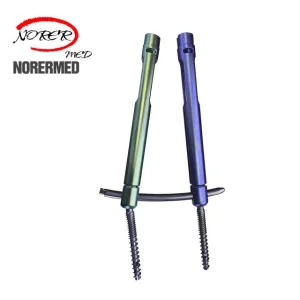
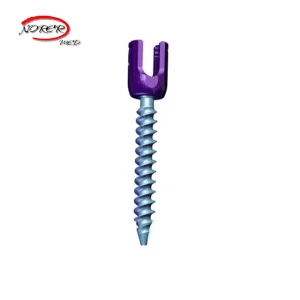
| Spine Pedicle Screws | Ti-6Al-4V ELI (Grade 5) / PEEK | Class III (High Risk) | Fatigue resistance, pull-out strength, sagittal alignment torque |
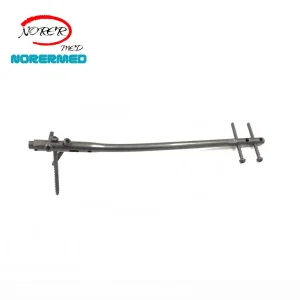
| Intramedullary Nails | Titanium Alloy / Stainless Steel 316L | Class III (High Risk) | Torsional rigidity, load-bearing elasticity, distal locking alignment |
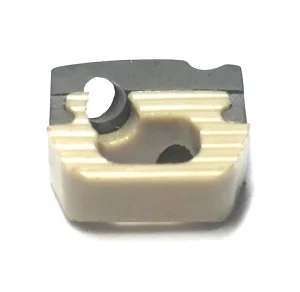
| PEEK Lumbar/Cervical Cages | PEEK-OPTIMA® / Titanium Coated PEEK | Class III (High Risk) | Modulus of elasticity matching cortical bone, radiolucency |
For Ethiopian medical distributors, hospitals, and NGOs, sourcing trauma implants from international hubs represents the most viable path to maintaining quality and cost-effectiveness. In this global network, Chinese medical clusters, particularly in Jiangsu Province (Changzhou City), have established themselves as major suppliers of CE-certified orthopedic implants.
By working directly with manufacturers, buyers can customize implants to meet the specific requirements of the East African demographic. For example, selecting specific anatomical shapes for interlocking tibial and femoral nails helps accommodate patient variations, which in turn reduces the need for extensive intraoperative reshaping. In addition, direct sourcing reduces middleman fees, making these vital medical devices more accessible to public health systems operating under tight budget constraints.
The field of orthopedic implants is shifting toward materials that support natural bone healing. Titanium Alloy (specifically Ti-6Al-4V Extra Low Interstitial) remains highly popular due to its excellent strength-to-weight ratio, resistance to corrosion, and mechanical properties that prevent stress shielding.
For spinal and joint reconstructions, Polyetheretherketone (PEEK) is frequently utilized. It features an elastic modulus similar to human cortical bone, which helps distribute mechanical loads naturally. PEEK is also radiolucent, allowing surgeons to monitor fusion progress on post-operative X-rays without the scattering effects common with metal implants. Newer implant models incorporate anodized surface treatments and nano-textured coatings to improve osseointegration and reduce bacterial adhesion.
Direct from Changzhou, China—supporting public health organizations, private distributors, and hospital procurement teams in Ethiopia.
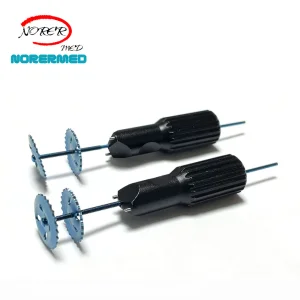
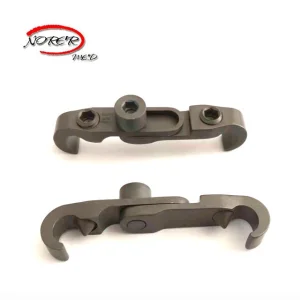
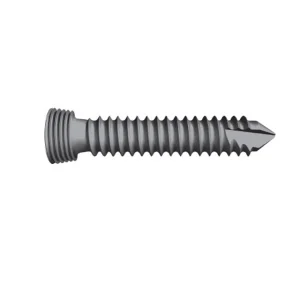
DEON Medical (Changzhou) Co., Ltd. is a specialized manufacturer and supplier of orthopedic solutions. Located in Changzhou, China, we produce a comprehensive range of orthopedic trauma bone plates, bone screws, interlocking intramedullary nails, spinal pedicle screw systems, cervical plates, PEEK cervical & lumbar cages, and the surgical instrumentation kits required for their implantation.
We provide clinical-grade implants to distributors and hospitals worldwide, with a strong focus on emerging healthcare markets in East Africa. Our manufacturing facility utilizes high-precision CNC machines to maintain tight dimensional tolerances, helping to ensure consistent performance in the operating room.
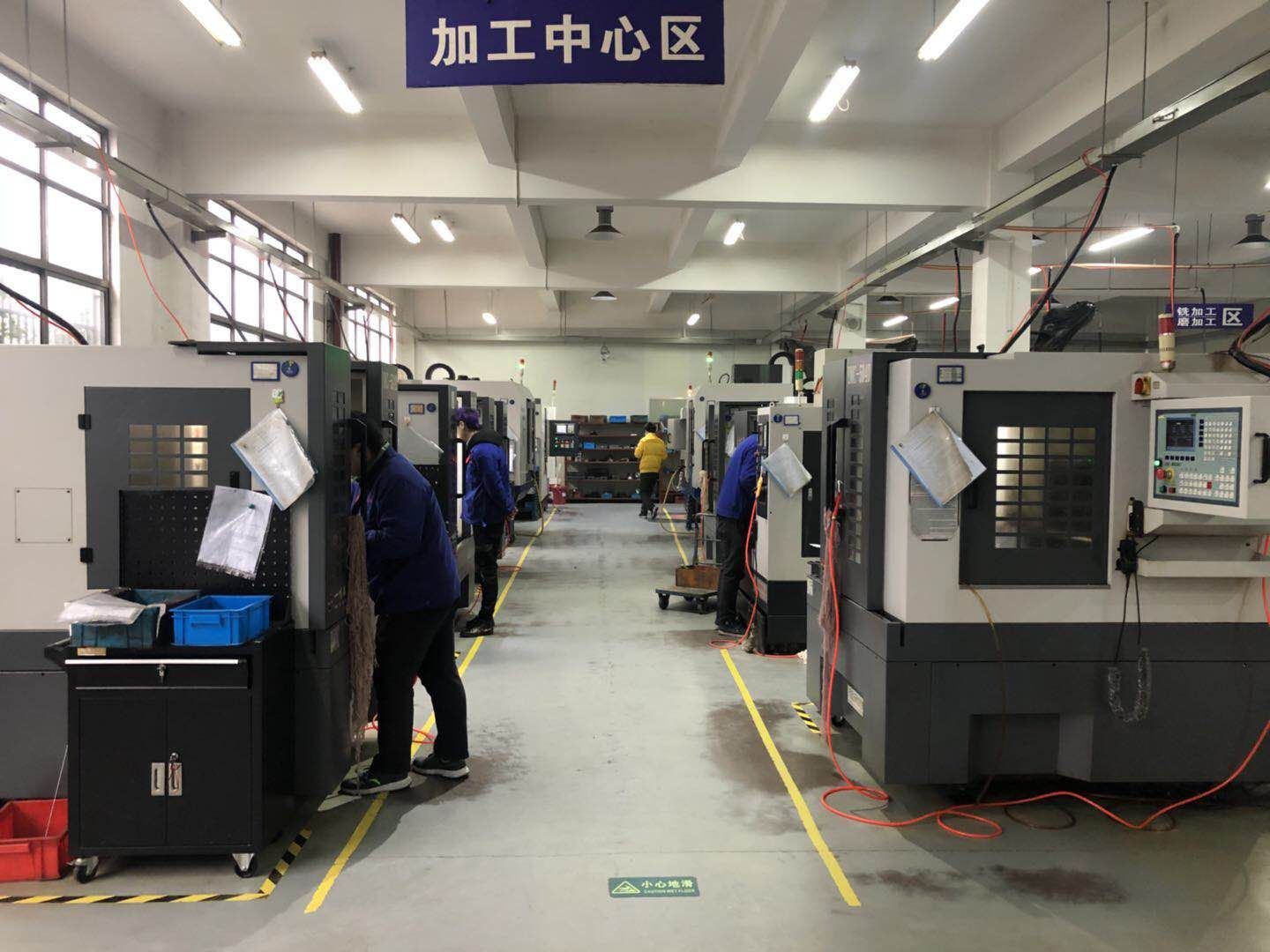
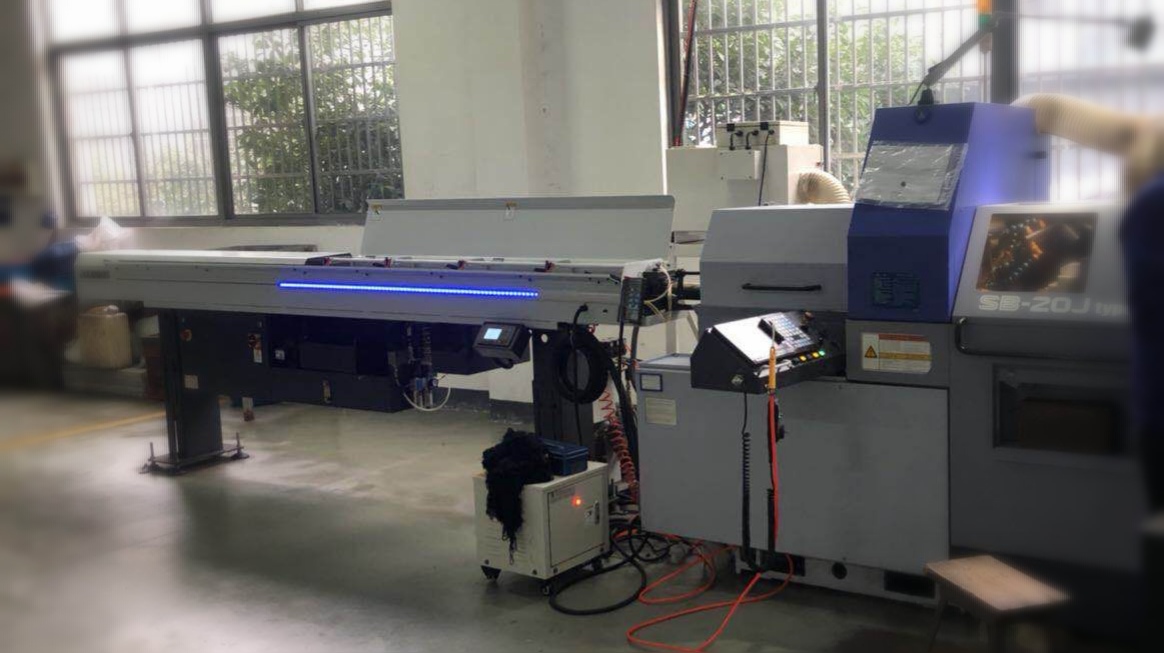
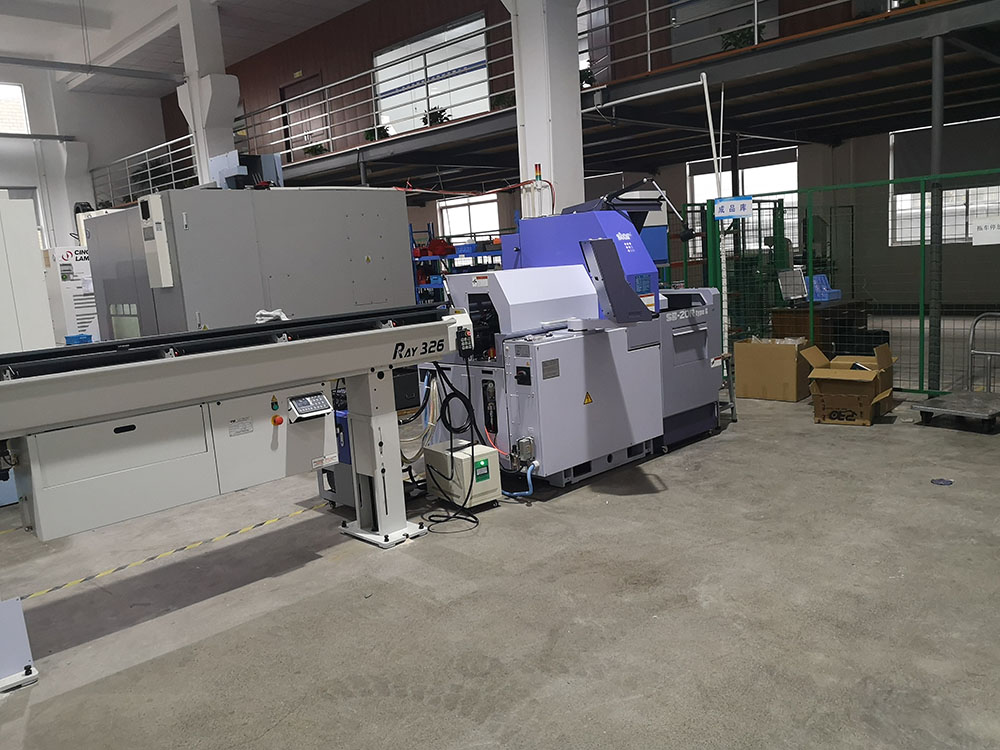
Comprehensive locking systems, intramedullary nails, and spinal fixation devices available for orthopedic distribution in East Africa.
A reliable medical supply chain relies on consistent post-market support and documentation. At DEON Medical, we provide complete compliance packages to support our partners through the registration process with the Ethiopian Food and Drug Authority (EFDA).
Our export documentation packages include certificates of analysis, biocompatibility test data, and sterile validation reports. To support optimal surgical performance, we also offer matching surgical instrument trays and custom sterilization boxes. This helps ensure that surgical teams at institutions like Tikur Anbessa Specialized Hospital have access to matching tools and implants, which is critical for minimizing procedural delays and complications.
Technical & regulatory guidance for orthopedic implant procurement and distribution in Ethiopia.
 Deon Medical