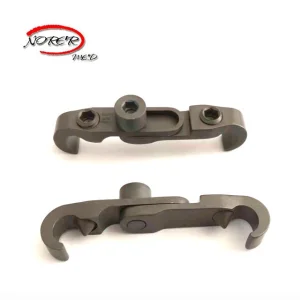
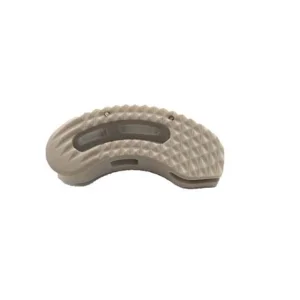
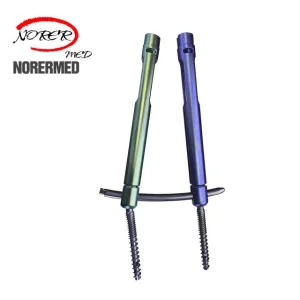
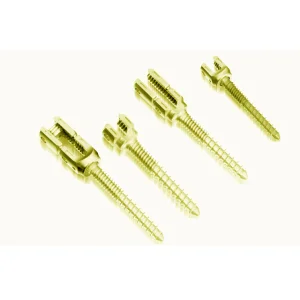
High-demand cervical stabilization systems, cranial closures, and spine components configured for primary care trauma centers in Almaty, Astana, and Shymkent.
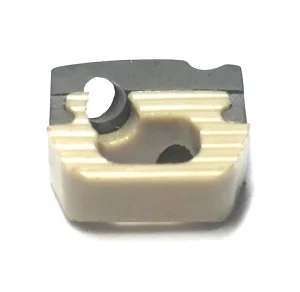
An extensive analysis of procurement pathways, clinical standards, and economic forces driving the demand for advanced fixation hardware.
The healthcare infrastructure of the Republic of Kazakhstan is undergoing a systematic transformation, fueled by the government’s modernization programs and the expansion of the Social Health Insurance System (FSMS). Within this framework, traumatology and orthopedic surgery have emerged as critical areas of focus. Geographically situated at the heart of Eurasia, Kazakhstan's large territory, industrial hubs, and extreme seasonal weather patterns yield unique clinical profiles. During the prolonged winter seasons, urban and rural trauma clinics face a significant surge in osteoporotic hip fractures, distal radius fractures, and multi-fragmentary long-bone injuries, creating an escalating demand for reliable trauma implants.
Historically, the Kazakhstan trauma implant market has been split between high-cost Western European imports and low-tier domestic/regional solutions. However, modern clinical guidelines require strict adherence to international standards such as ISO 13485 and CE markings. This shift has positioned precision-engineered Chinese manufacturing facilities as vital partners. These factories deliver medical-grade titanium and PEEK materials matching Western technical performance while satisfying the budgetary mandates of public tenders administered by the Unified Distributor SK-Pharmacy (СК-Фармация).
Developing high-performance orthopedic implants requires absolute control over raw materials and micro-machining tolerances. At our production facility, trauma screws and intramedullary nails are fabricated exclusively from certified Grade 5 Titanium (Ti-6Al-4V ELI) and medical-grade PEEK polymer. These materials provide the optimum balance of mechanical tensile strength, fatigue resistance, and biocompatibility, minimizing the risk of implant failure or adverse tissue reactions.
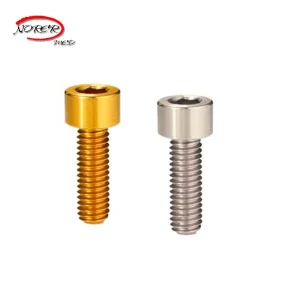
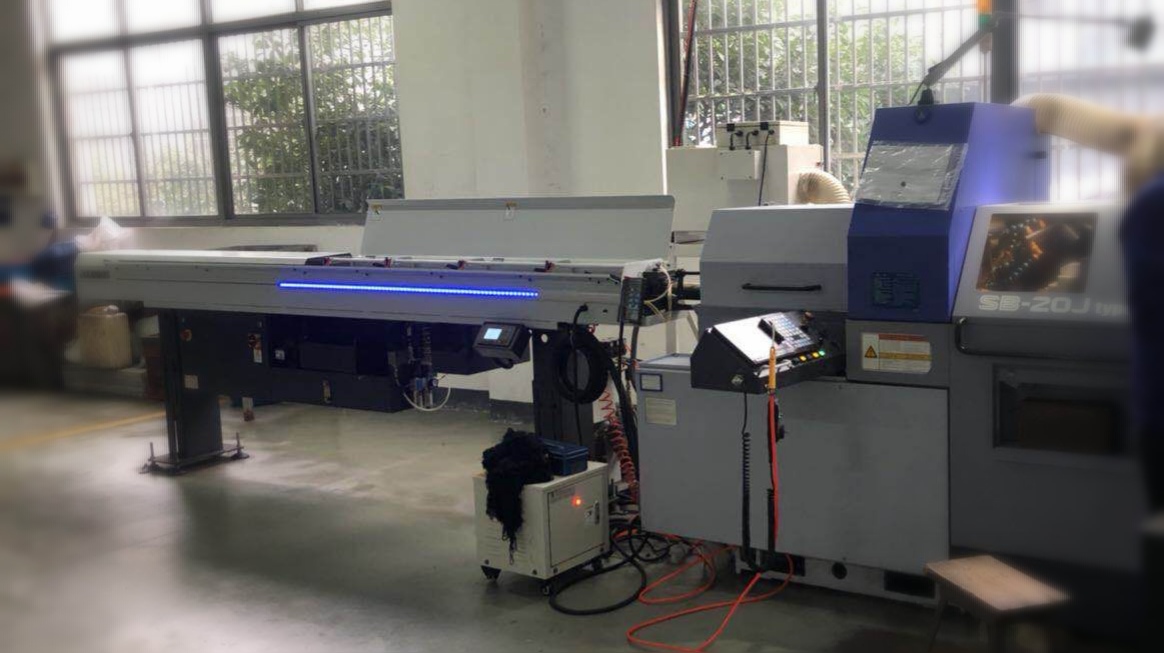
Our machining lines are equipped with advanced CNC Swiss-type lathes capable of maintaining dimensional tolerances within ±0.005mm. This extreme precision ensures that lock threads engage flawlessly, reducing surgical time and preventing mechanical stripping under high mechanical loads in operating rooms.
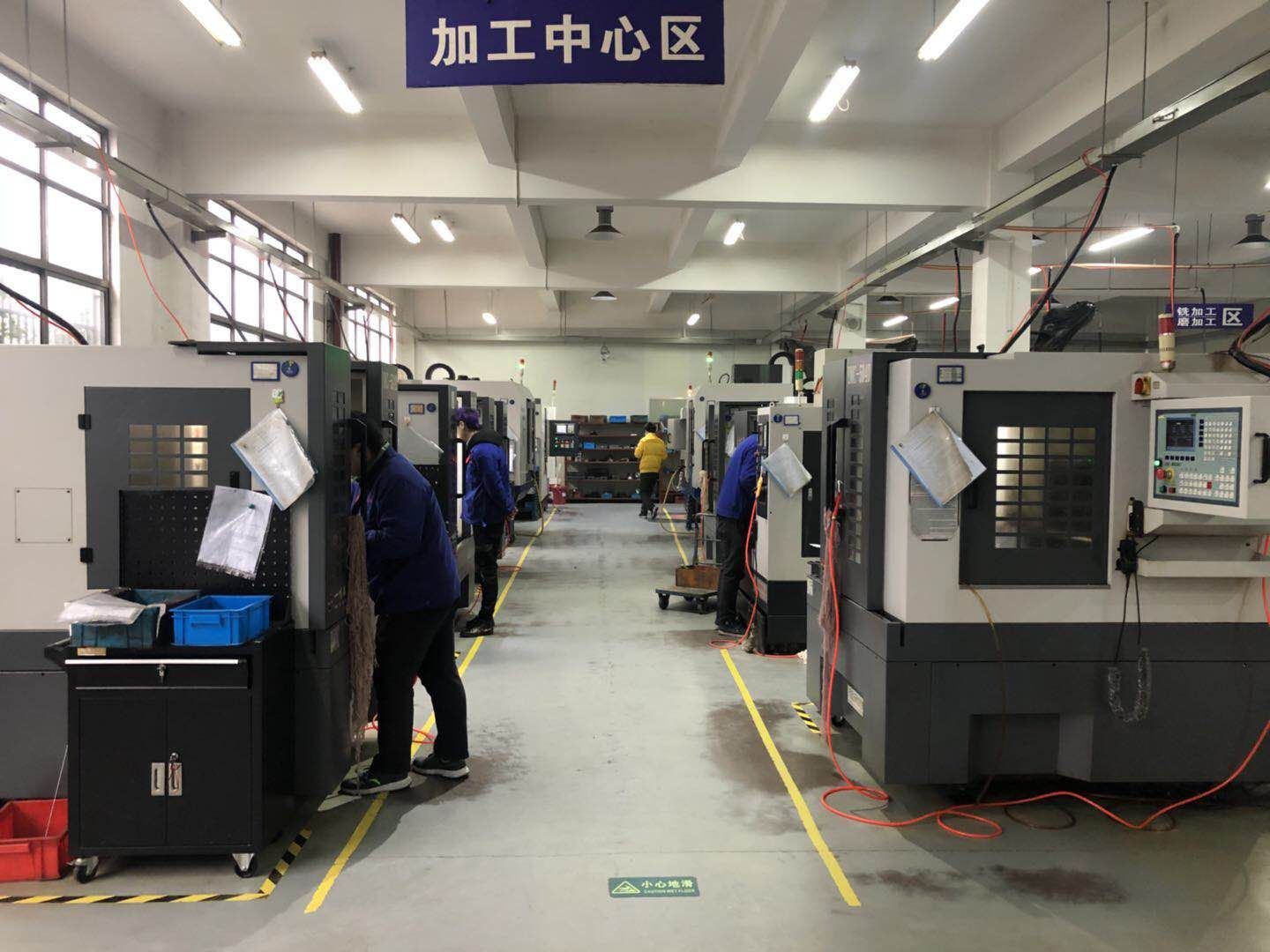
In clinical practice, long-term implant stability is highly dependent on surface finish. Our implants undergo automated biochemical cleaning and type II anodization, creating a dense, protective titanium oxide barrier. This surface modification reduces metallic ion release, improves wear properties, and supports optimal osseointegration.
For load-bearing components like tibial and femoral interlocking nails, surface micro-roughness is optimized to encourage bone-to-implant contact. Every production run undergoes rigorous fatigue testing (simulating millions of walking cycles) and strict chemical analysis to confirm compliance with ASTM F136 and ASTM F1472 standards.
Navigating the registration, technical dossiers, and clinical evaluation protocols required by the Ministry of Health of the Republic of Kazakhstan.
Entering the medical device ecosystem in Kazakhstan requires adherence to unified registration procedures governed by the Eurasian Economic Union (EAEU) frameworks alongside national channels managed by the National Center for Expertise of Medicines and Medical Devices (НЦЭЛС). Suppliers and hospitals must ensure that technical dossiers contain complete documentation, including ISO 13485 certificates, biocompatibility reports (ISO 10993), sterile validation, and comprehensive clinical evaluation dossiers.
DEON Medical supports procurement agents, distributors, and hospital networks throughout this administrative cycle. We supply fully detailed technical files and raw material mill certificates. This structured approach helps streamline importation and registration, ensuring that critical trauma products can be quickly deployed to local operating rooms.
Addressing specific orthopedic challenges including winter osteoporotic fractures, mining industry trauma, and rural veterinary healthcare.
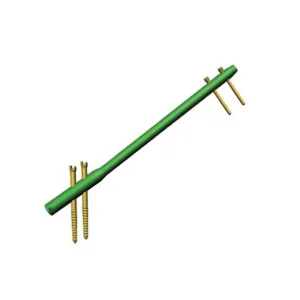
In Northern and Central regions of Kazakhstan (such as Karaganda, Pavlodar, and Kostanay), winter temperatures frequently drop below -30°C, leading to hazardous icy conditions. This seasonal drop results in a significant increase in orthopedic admissions for elderly hip fractures, complex articular fractures, and wrist injuries. Addressing these emergencies requires stocking reliable fixation systems. Our proximal femoral nail antirotation (PFNA) systems and locking plate configurations are specifically designed to provide stable mechanical fixation in poor bone quality (osteoporotic bone), allowing for early post-operative mobilization and reducing patient bed-rest complications.
Furthermore, Kazakhstan's mining, oil extraction, and agricultural industries present unique occupational safety challenges. Heavy crush injuries, complex pelvic fractures, and multi-level spinal traumas demand high-strength spinal fixation rods, locking screws, and cranial skull systems. These implants must offer reliable mechanical support and compatibility with modern imaging systems (MRI/CT), enabling postoperative tracking without creating significant metallic artifacts.
In addition to human traumatology, Kazakhstan’s extensive agricultural sector and growing domestic veterinary networks rely on specialized animal orthopedics. Managing spinal instabilities and long-bone fractures in valuable livestock and working animals requires robust, cost-effective bone plates, pedicle screws, and PEEK lumbar cages adapted for veterinary applications.
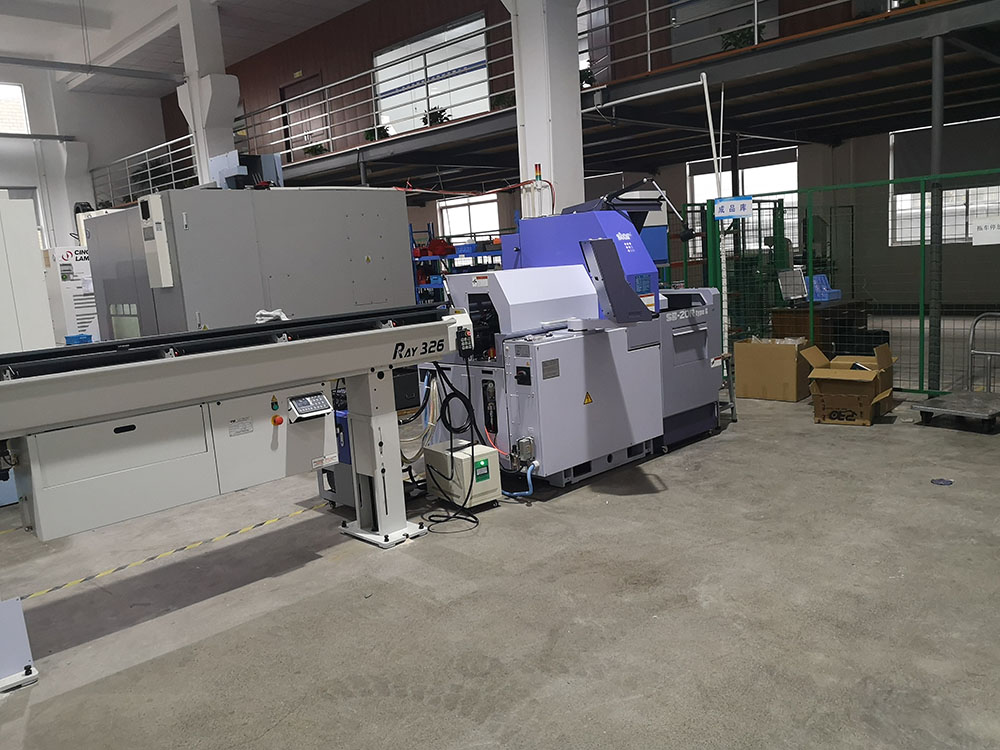
A comprehensive selection of internal fixation systems, intramedullary nails, and precision-machined orthopedic screws for human and veterinary applications.
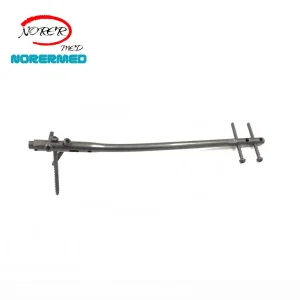
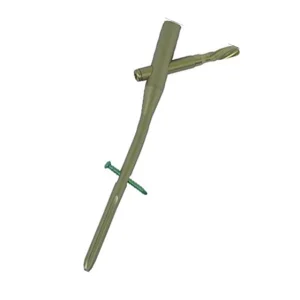
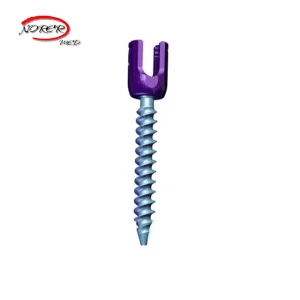
Optimizing lead times, material sourcing, and localized technical representation to ensure surgical continuity.
A major challenge in the Kazakhstan medical supply chain is the distance between manufacturing plants and clinical centers. Delays in receiving custom plates or specific nail sizes can compromise surgical schedules. Our logistics structure addresses these regional challenges through key support systems:
Maintaining pre-registered product stocks in partnership with regional distributors to facilitate dispatch to emergency care clinics.
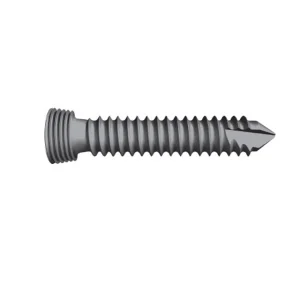
Assembling application-specific screw/plate sets with specialized drill guides and screw taps for complex osteotomy procedures.
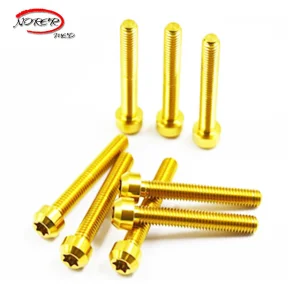
Providing flexible manufacturing parameters to customize thread pitches, plate geometries, and surface anodizing options.
In addition, our technological roadmap focuses on surface bio-activation. By partnering with clinical research departments, we are developing advanced micro-porous coatings for spinal implants that promote bone growth, helping patients recover faster and reducing the need for revision surgeries in busy healthcare settings.
Expert technical answers to key questions concerning import regulatory requirements, material validation, and procurement logistics in Kazakhstan.
Connect with our technical engineering division to receive physical product catalogs, request samples, and coordinate customs documentation for the Kazakhstan market.
Send Inquiry Now Deon Medical