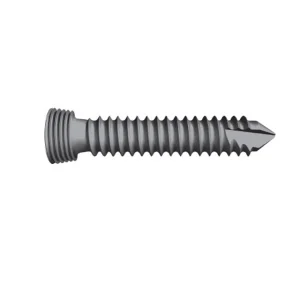
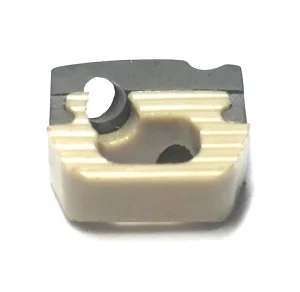
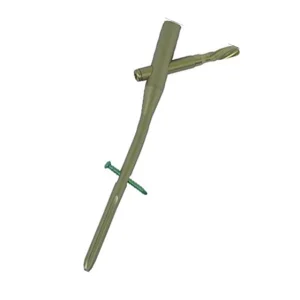
High-precision orthopedic implants and custom machined parts engineered specifically for hospital networks and mechanical sectors across Uzbekistan.
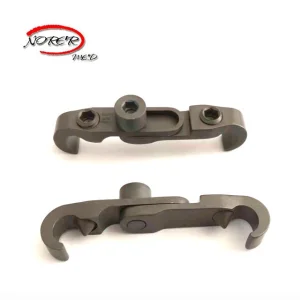
Connect with our engineering desk in Changzhou to coordinate material certifications and custom manufacturing tolerances.
Start Technical ConsultationUzbekistan's manufacturing and healthcare landscape is experiencing an unprecedented structural transformation. Driven by national development frameworks, special economic zones like the Navoiy Free Economic Zone, and public-private healthcare reforms, Tashkent and surrounding regions have become primary target areas for high-performance metallurgy. Among the most critical components required to fuel this growth are titanium custom parts.
Due to its exceptional strength-to-weight ratio, extreme corrosion resistance, and complete biocompatibility, titanium is irreplaceable in both heavy industrial equipment and modern medical implants. For Uzbek clinical suppliers, the push to upgrade medical services from basic traumatology to complex, minimally invasive orthopedic surgeries has created an acute demand for orthopedic plates, spinal pedicle screws, and cranial fixation systems. Concurrently, local mining operators in the mineral-rich regions require custom non-corrosive fasteners and structural components to withstand severe operating conditions.
Hospitals in Tashkent, Samarkand, and Bukhara are shifting toward advanced surgical implants, utilizing Grade 5 (Ti-6Al-4V ELI) titanium for bone plate and pedicle screw assemblies to ensure rapid patient recovery.
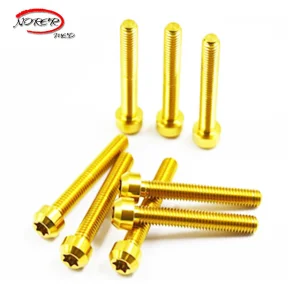
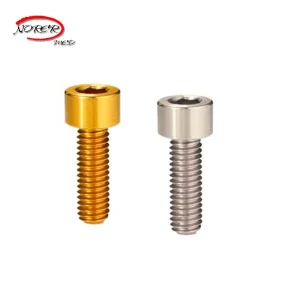
Navoiy and Olmaliq mining and metallurgical enterprises require specialized machined titanium parts, fluid control fittings, and custom bolts that withstand chemical processes without degrading.
Through the Lanzhou-Xinjiang-Central Asia rail network, titanium exporters in Changzhou can deliver custom parts directly to Uzbekistan, bypassing maritime delays and reducing landed costs.
Procuring custom parts made of titanium requires a deep understanding of standard grades. In medical applications, ASTM F136 (Ti-6Al-4V ELI - Extra Low Interstitial) is the global benchmark. It ensures that the metal contains minimal trace elements like oxygen, nitrogen, and iron, rendering it highly ductile and resistant to fatigue under biomechanical stress.
For industrial uses, commercially pure titanium (such as Grade 2) offers superior chemical resistance, particularly against oxidizing acids and chlorides. When sourcing from China, professional buyers benefit from absolute material transparency. Leading manufacturers like DEON Medical (Changzhou) Co., Ltd. guarantee full heat traceability, supplying chemical analysis certificates and mechanical test records with every shipment.
China's Yangtze River Delta, particularly the Changzhou-Suzhou manufacturing hub, is renowned for its ultra-precision medical and mechanical fabrication industries. Here is how Chinese factories deliver unparalleled efficiency compared to regional alternatives:
Factory Overview: Located in the precision manufacturing hub of Changzhou City, China, we operate as a highly specialized developer and manufacturer of human and veterinary orthopedic trauma bone plates, locking screws, spinal pedicle systems, and custom titanium components.
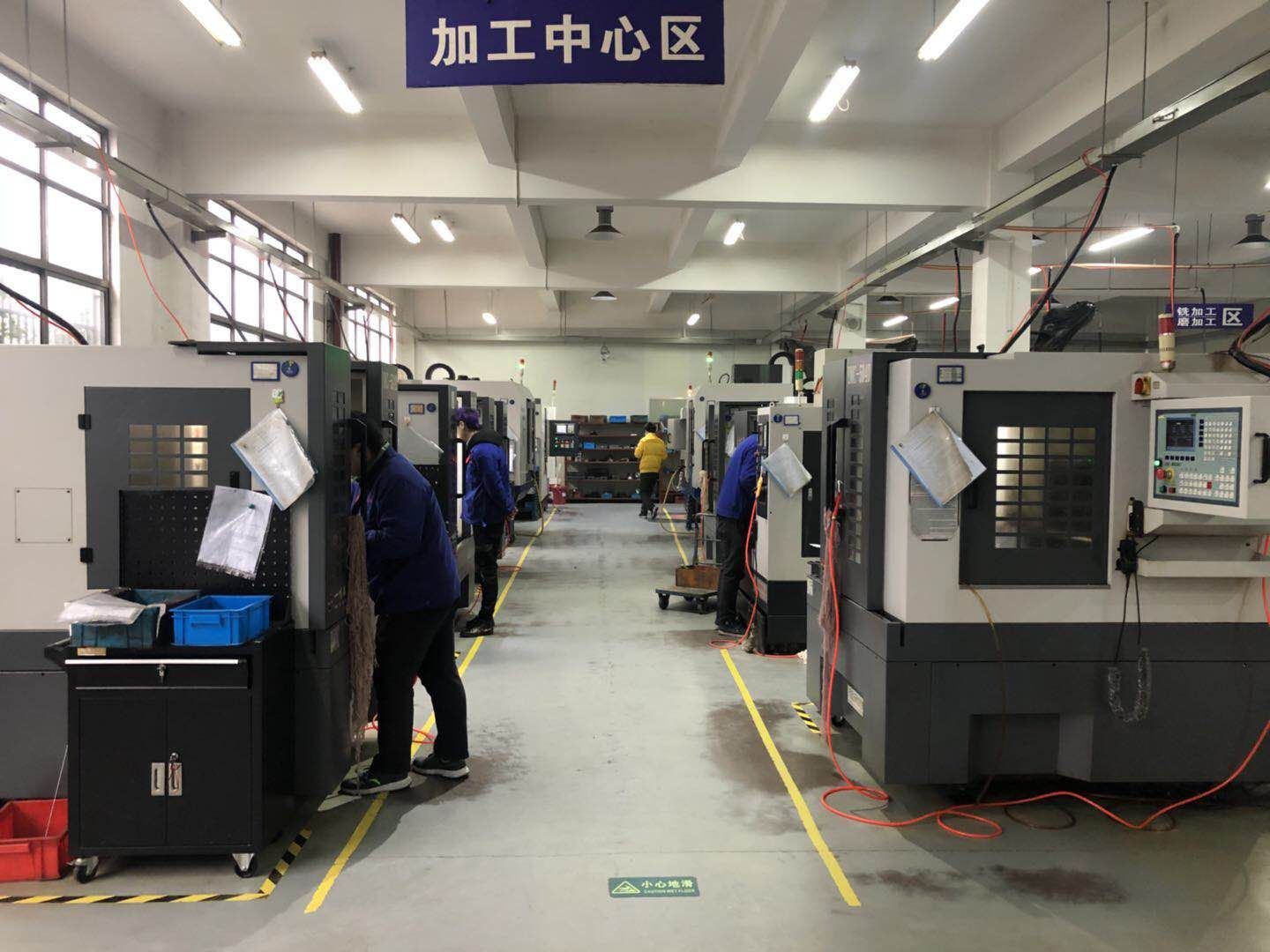
Our engineering division leverages state-of-the-art multi-axis CNC machines and premium raw titanium alloys, assuring our partners in Central Asia of consistent, medical-grade quality matching Western specifications at optimized pricing structures.
Continuous investment in modern inspection and manufacturing hardware allows us to uphold microscopic quality standards. Below is a look inside our high-tech fabrication, polishing, and quality testing floors in Changzhou.
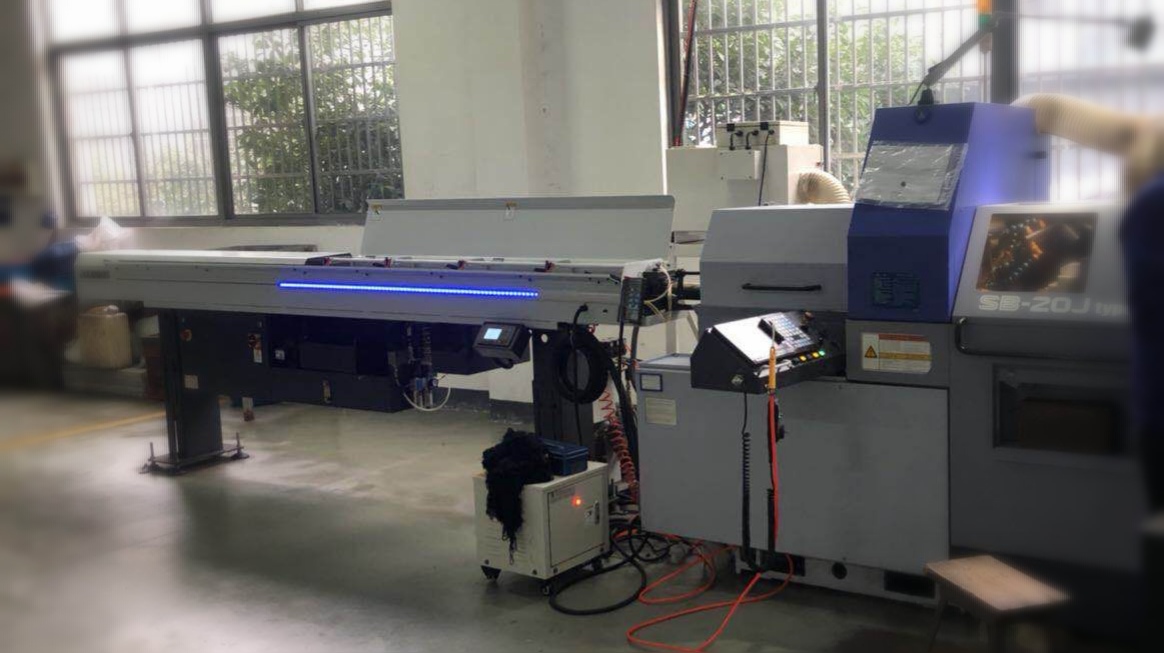
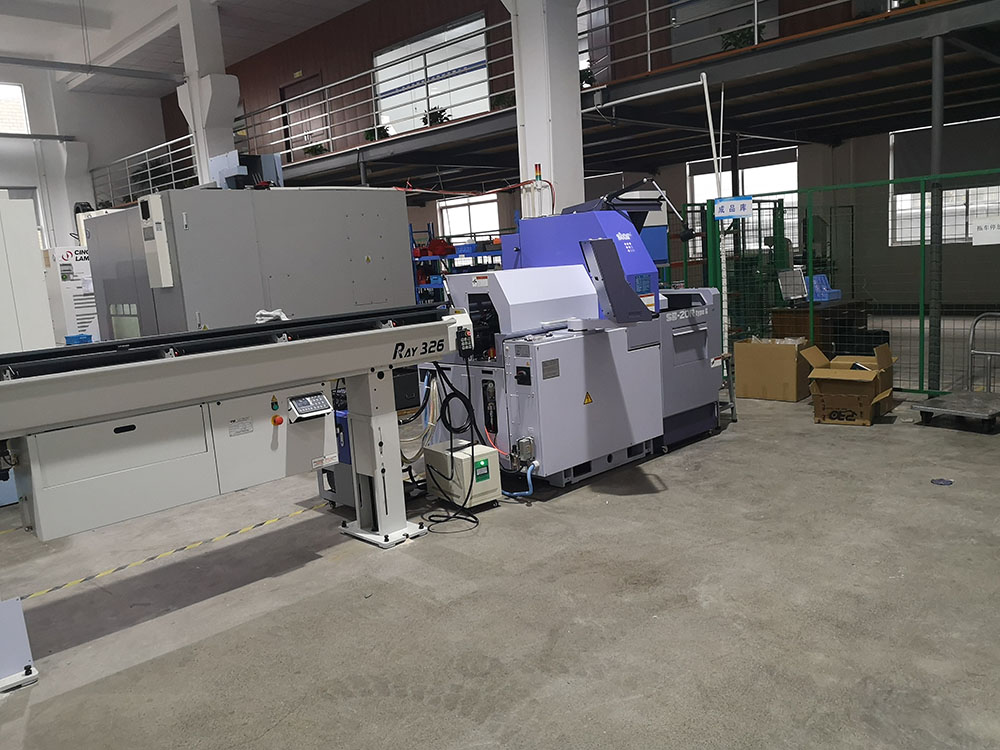
The physical properties of titanium translate to targeted advantages when applied within Uzbekistan’s primary growth sectors. By working directly with an expert exporter, procurement managers can commission components for specific environmental demands:
National initiatives to reduce dependent healthcare costs in Tashkent and regional capitals have driven local hospitals to upgrade their traumatology suites. Using custom titanium bone plates and pedicle screws instead of basic stainless steel minimizes postoperative infections, prevents tissue rejection, and ensures that patients do not require secondary operations to remove hardware.
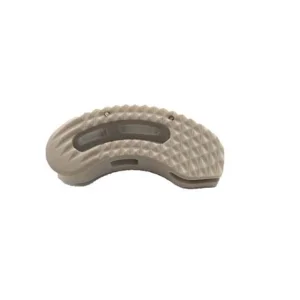
With agricultural sectors scaling up, particularly livestock management across regions like Samarkand and Kashkadarya, advanced veterinary clinics are demanding high-durability internal fixation devices. Lightweight PEEK cages and custom miniature titanium plates ensure that valuable breeding stock can recover from bone fractures, which directly protects farmers' capital assets.
For companies engaged in chemical fertilizer production (such as the Navoiyazot complexes) or mineral extraction, titanium components like custom-machined valves, instrumentation fittings, and structural fasteners provide reliable service life in atmospheres thick with sulphur dioxide, ammonia, and nitrous vapors, drastically reducing unscheduled down-time.
The global titanium market is moving toward smart, demand-driven manufacturing. Leading international developers are shifting from standard sizes to Just-In-Time (JIT) custom part fabrication. Some key industry developments shaping current sourcing trends include:
Minimize transit delays and secure high-grade titanium parts optimized for the Uzbek regulatory landscape.
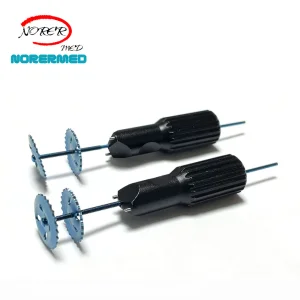
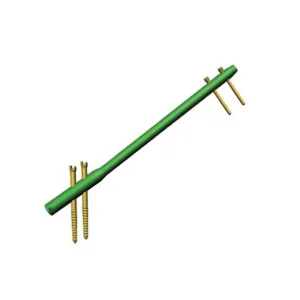
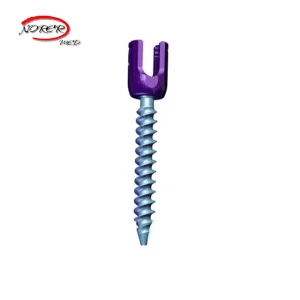
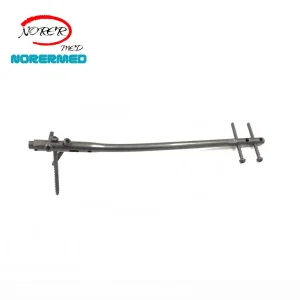
Submit RFQ NowExplore our technical range of medical-grade hardware engineered for precision human and veterinary surgical reconstruction.
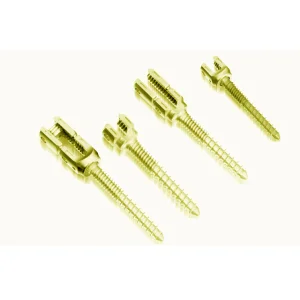
Review technical details on delivery timelines, mechanical certification processes, and material specifications for our titanium imports to Tashkent and Central Asian markets.
Send your drawings in CAD, STEP, or PDF format to receive an engineered production quote and lead-time analysis.
Send Inquiry Now Deon Medical