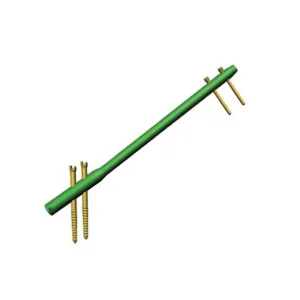
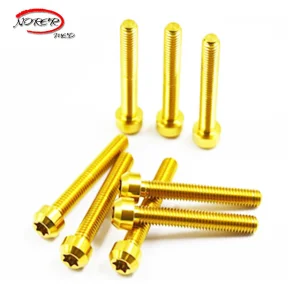
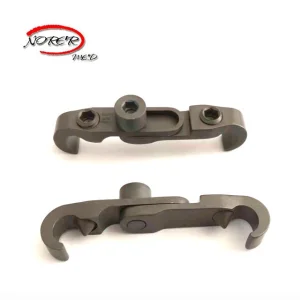
Engineered for Charité-level demands: precision biocompatibility, load-bearing longevity, and high-efficiency installation mechanics.
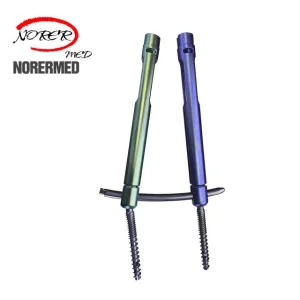
Navigating the complex intersection of high-precision biomedical engineering, stringent European regulations, and localized demand vectors.
Berlin-Brandenburg is recognized worldwide as a premier hub for healthcare, biotechnology, and medical technology. Home to prestigious clinics like the Charité - Universitätsmedizin Berlin, large municipal hospital networks like Vivantes, and private healthcare operators, Berlin represents a demanding market for surgical instruments and implants. With Germany’s shifting demographic curve leading to an older population requiring advanced joint replacements, osteosynthesis solutions, and complex spinal surgeries, the demand for precision orthopedic implants has surged.
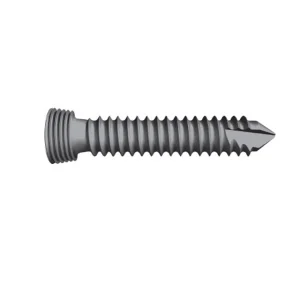
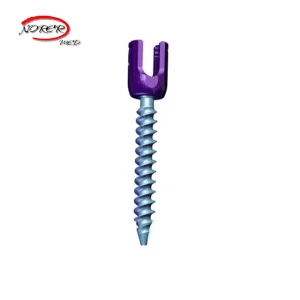
However, German medical professionals and healthcare procurement managers face double-sided pressures: maintaining absolute patient safety and clinical outcome quality, while managing skyrocketing healthcare costs. This environment requires a trusted connection between Berlin’s clinical institutions and foreign manufacturers. Implants such as titanium bone plates, cannulated polyaxial pedicle screws, and PEEK intervertebral cages must meet demanding mechanical profiles, exhibit flawless biocompatibility, and seamlessly integrate into modern surgical navigation setups.
The manufacturing landscape for surgical instruments is undergoing a digital transformation. For manufacturers serving the Berlin healthcare market, research and development focus heavily on these three core areas:
Modern trauma and spinal implants rely on surface treatments to enhance osseointegration and reduce bacterial colonization. Through type II anodization, acid etching, and SLA (Sandblasted, Large-grit, Acid-etched) treatments on Titanium Grade 5 (Ti-6Al-4V ELI), we increase the micro-roughness of implants. This accelerates bone anchorage, resulting in higher primary stability and minimizing the risk of aseptic loosening in complex trauma procedures.
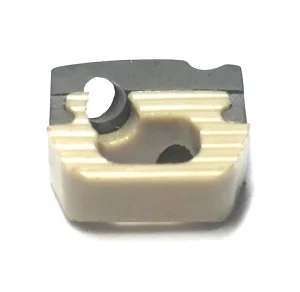
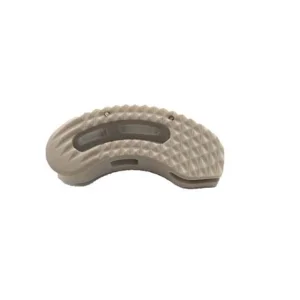
For spinal interbody fusion devices (cages), PEEK (Polyetheretherketone) has largely replaced titanium mesh in many Berlin spinal clinics. The material's elastic modulus is very close to that of human cortical bone, which mitigates the risk of stress shielding and subsequent implant subsidence. Furthermore, its radiolucent properties allow surgeons to track bone growth easily during postoperative X-rays or CT scans.
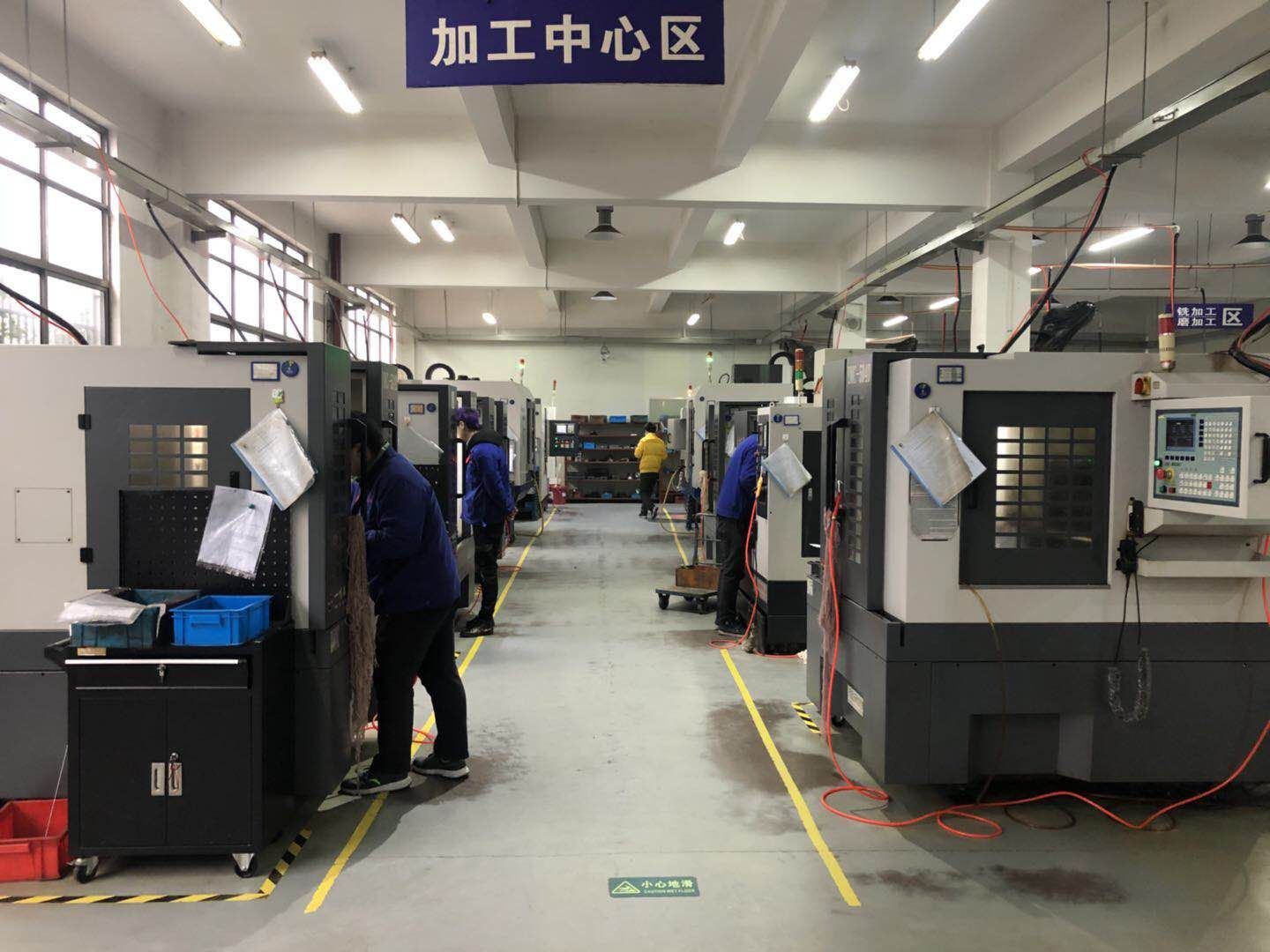
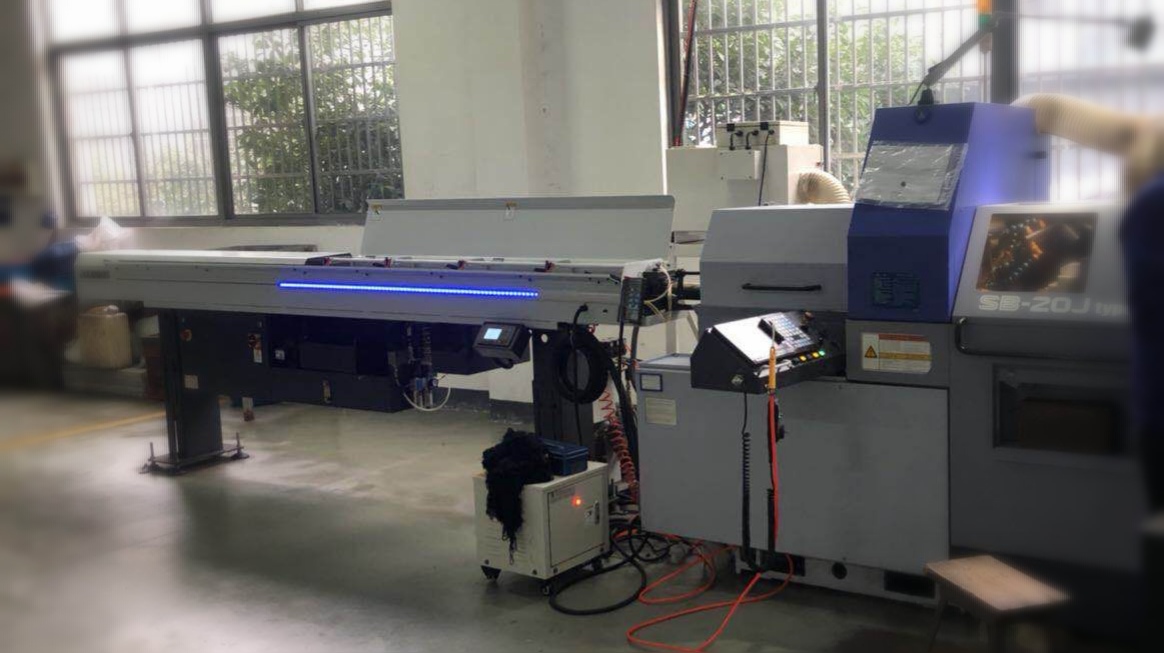
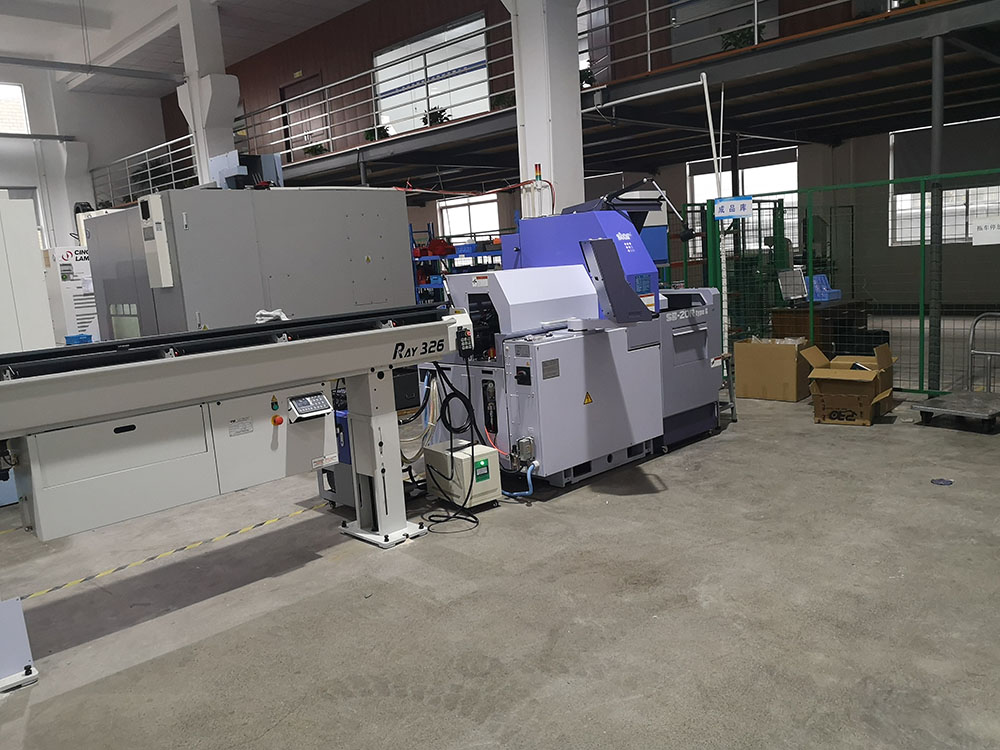
As computer-assisted surgery (CAS) and robotic spine navigation systems become standard across Berlin clinics, matching tolerances becomes crucial. Implants must feature strict dimensional accuracy (within ±5 microns) to align with surgical guidance software. This level of precision is achieved through Swiss-type CNC lathes and multi-axis machining centers.
The regulatory environment in Europe is among the strictest in the world. The transition from the Medical Devices Directive (MDD 93/42/EEC) to the Medical Device Regulation (MDR (EU) 2017/745) has introduced major compliance challenges for surgical suppliers. To successfully serve Berlin hospitals and distributors, manufacturers must prove their regulatory compliance:
All implants must feature unique device identification (UDI) laser marking, registering directly in the EUDAMED database to ensure full traceability from raw titanium rods to the operating theater. Biocompatibility studies must be completed under ISO 10993 standards, alongside validation of cleanroom processes (ISO 14644 Class 5/Class 100 cleanrooms) for sterile-packed orthopedic products. DEON Medical works closely with certified European Authorized Representatives (EC Reps) to keep all technical documentation, risk assessments, and clinical evaluation files aligned with European Notified Bodies (such as TÜV SÜD or DEKRA).
Located in the heart of China’s advanced medical manufacturing hub—Changzhou, Jiangsu Province—DEON Medical represents the concept of China Factory 4.0. Working with a Chinese manufacturer offers distinct strategic advantages for Berlin procurement groups:
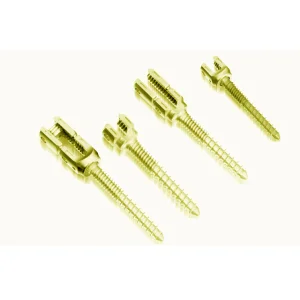
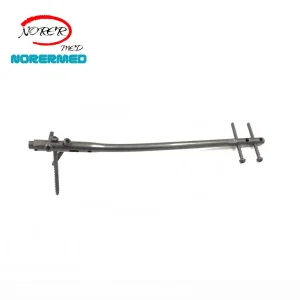
First, Changzhou has a mature cluster supply chain. Raw medical metals, high-precision surface finishing facilities, and independent testing laboratories are located in close physical proximity, significantly lowering logistical overheads and development cycles. Second, utilizing automated, Swiss-type longitudinal CNC machining allows us to match the quality of premium European brands while maintaining a lower price point. Lastly, we build supply chain resilience by keeping buffer stocks of critical implants (such as trauma interlocking nails and spinal pedicle systems). This protects our Berlin partners from international supply shocks and clinical stockouts.
B2B medical buyers and hospital networks in Berlin look closely at key metrics during vendor evaluations. Quality control must be backed by ISO 13485:2016 certification, showing a consistent quality management system. Raw materials must be traceable, with mill certificates proving the chemical properties of each batch of Titanium or PEEK. Furthermore, suppliers must be agile enough to handle OEM/ODM requests, supporting custom modifications of trauma plates or pedicle screw lengths to meet specific clinical feedback.
Precision-milled medical systems optimized for human and veterinary orthopedic applications throughout Berlin's hospital networks.
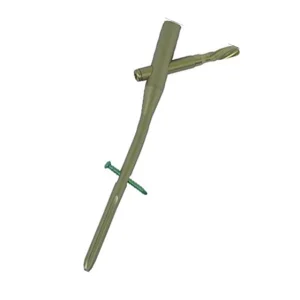
Essential guidance on materials, certifications, custom capabilities, and shipping routes to Germany.
We are located in Changzhou city, CHINA. We are an Orthopedic Trauma bone plate, bone screw, orthopedic interlocking nail, orthopedic spine pedicle screw, Cervical Plate, PEEK cervical & lumbar cage, and related equipment manufacturer. Combining Chinese manufacturing capacity with advanced production technology, we deliver reliable solutions to clinics, hospitals, and distributors worldwide.
 Deon Medical