 Deon Medical
Jakarta, the vibrant economic center of Indonesia, is undergoing a massive transformation in its healthcare infrastructure. With the continuous expansion of the national health insurance program (BPJS Kesehatan) and the development of specialized orthopedic centers like RSUPN Dr. Cipto Mangunkusumo and RSPAD Gatot Soebroto, the demand for highly reliable, biocompatible trauma implants and spinal instrumentation has skyrocketed. Local medical distributors and import companies are constantly seeking international partners capable of bridging advanced material engineering with clinical compliance.
As a leading surgical instrument manufacturer and exporter, DEON Medical serves this growth by supplying high-performance titanium bone plates, interlocking nails, and spinal fixation assemblies. Our products are designed to meet strict biomechanical loads, minimizing post-operative failures and ensuring faster recovery cycles for patients across Jakarta and the wider Jabodetabek metropolitan region.
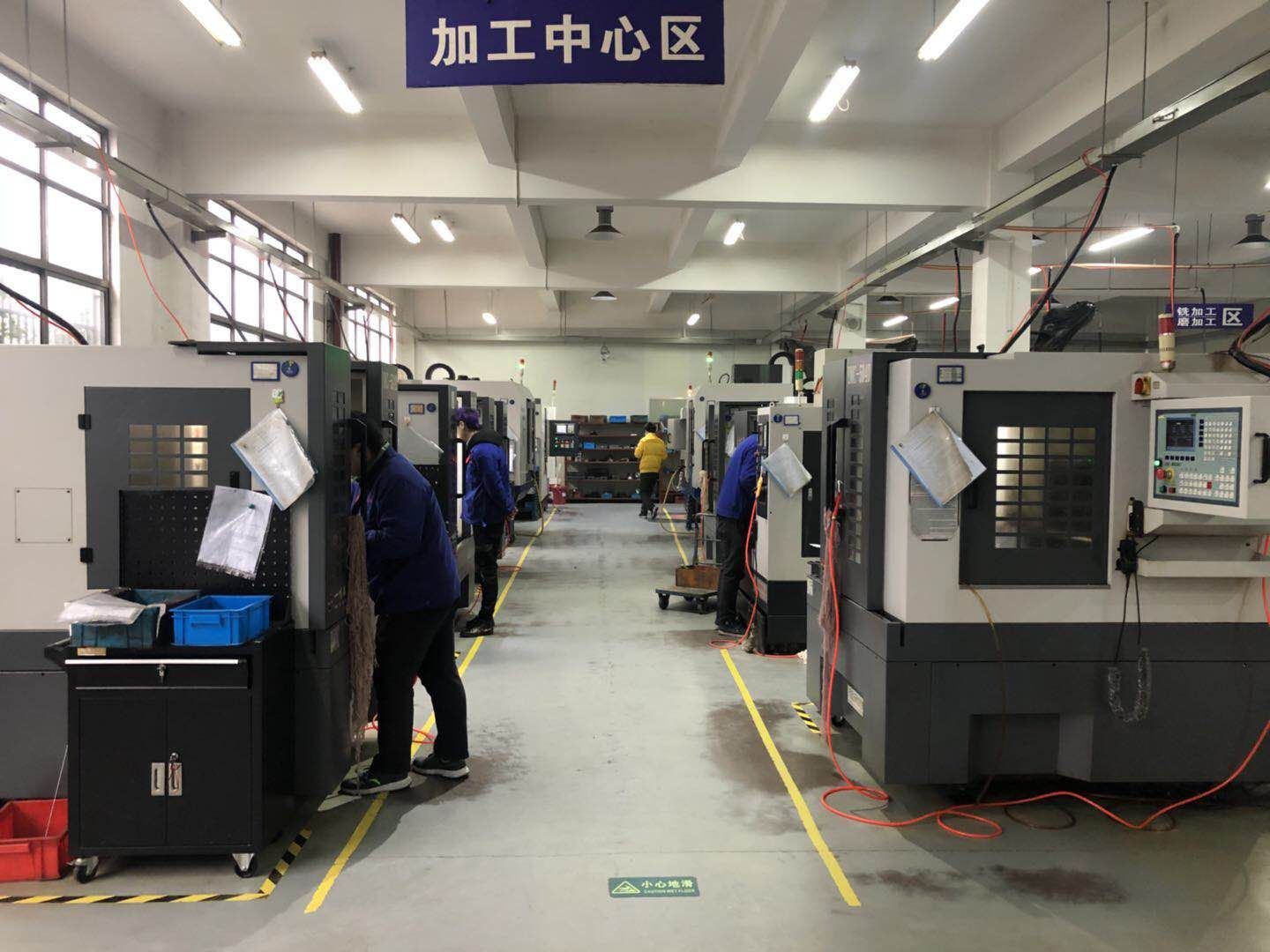
In modern trauma surgery, the choice of material and geometry determines the success of fracture union. Unlike standard surgical instruments, load-bearing implants like interlocking tibial/femoral nails must balance elastic modulus and fatigue strength. DEON Medical utilizes Ti-6Al-4V ELI (Extra Low Interstitial), which exhibits an elastic modulus of approximately 110 GPa—much closer to human cortical bone (15-30 GPa) than traditional 316L stainless steel (200 GPa). This significantly reduces the risk of stress shielding, which leads to bone resorption and implant loosening.
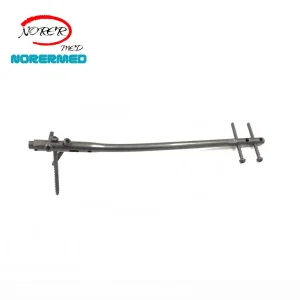
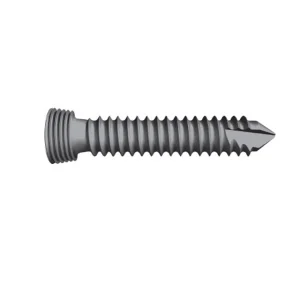
Our expert tibial and femoral interlocking nails feature anatomically contoured multi-planar locking holes. This design facilitates stable fixation of both proximal and distal metaphyseal fractures, allowing early weight-bearing rehabilitative activities. For complex spinal surgeries, our polyaxial pedicle screws feature a buttress-thread configuration to prevent cross-threading and ensure high pull-out strength in osteoporotic bone.
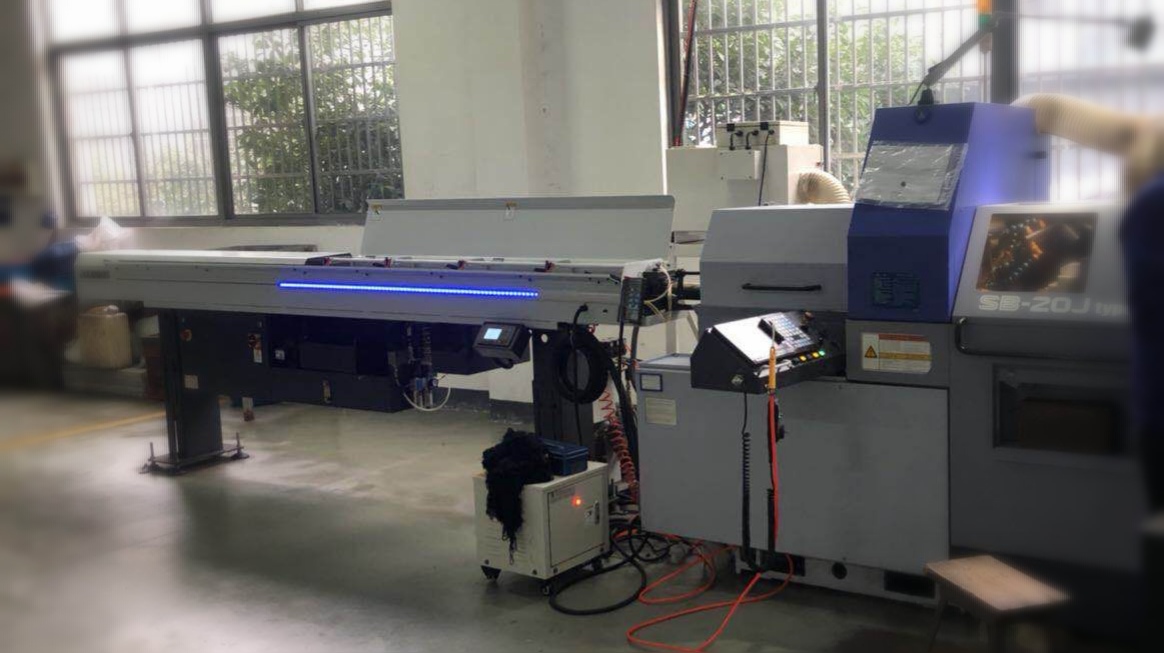
Importing class IIb and class III medical devices (such as bone screws, locking plates, and spinal implants) into Indonesia requires strict registration with the Ministry of Health (Kementerian Kesehatan Republik Indonesia - Kemenkes RI). Distributors must obtain an AKL registration number. DEON Medical works hand-in-hand with Jakarta-based pharmaceutical and medical device importers by supplying comprehensive dossier documentation, including:
Our team ensures that cleanroom cleaning processes, ultrasonic cleaning, and primary packaging meet global aseptic standards. This permits rapid local approval through the Kemenkes registration portal, avoiding costly customs delays at Tanjung Priok Port.
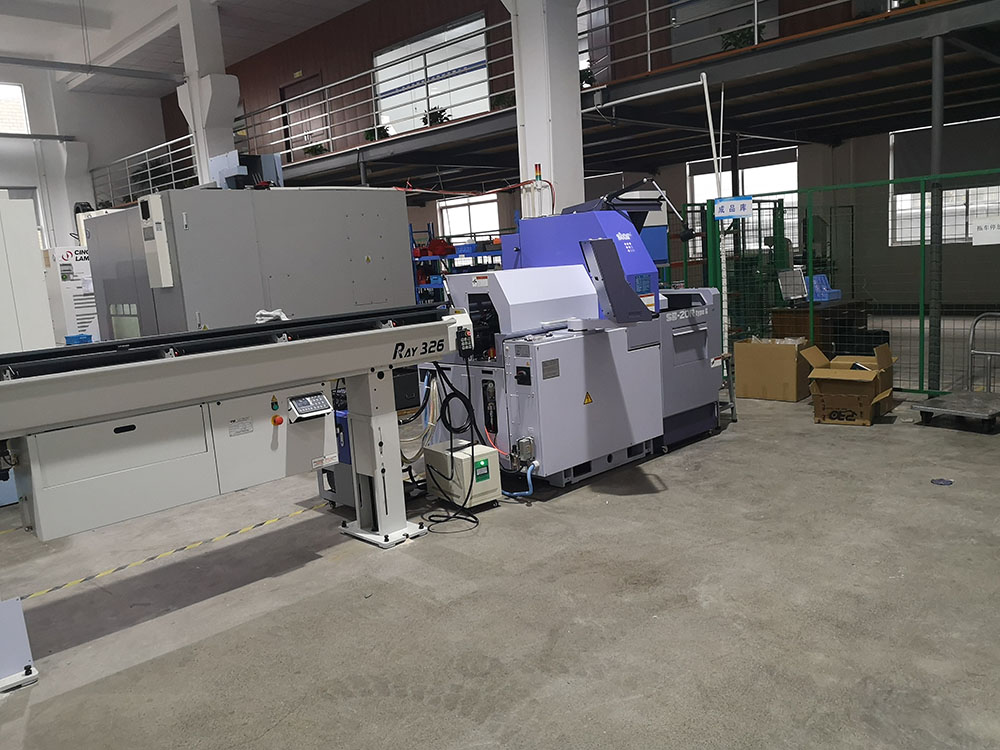
DEON Medical is based in Changzhou City, Jiangsu Province—the heart of China's high-precision orthopedic production corridor. This strategic location offers unique advantages to healthcare procurement departments in Jakarta:
Through this synergy of raw material quality, high-tech manufacturing, and custom capabilities, DEON Medical has become a key partner for surgical distributors in Southeast Asia.
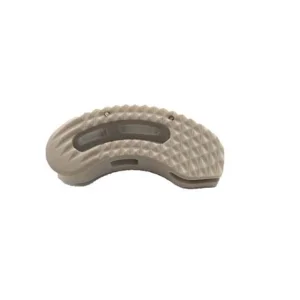
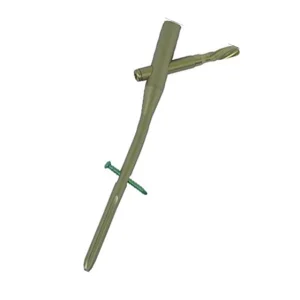
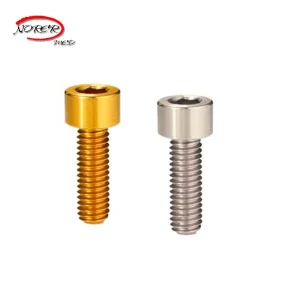
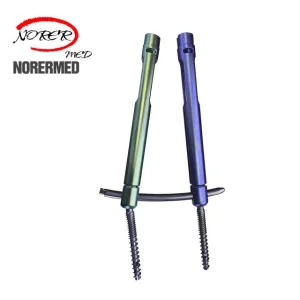
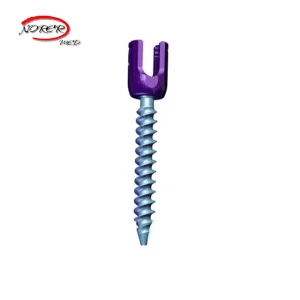
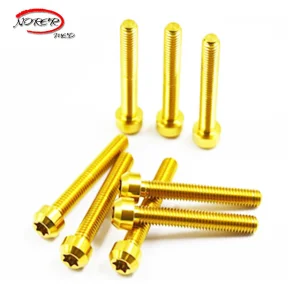
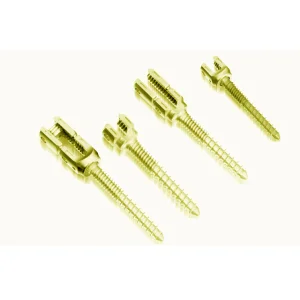
Veterinary Orthopedic Titanium Monoaxial Pedicle Screw for Spinal Fixation
In high-stress load-bearing locations, such as the femoral shaft, implants undergo complex torsional, bending, and axial forces. Traditional implants are prone to fatigue failure at the stress concentrations near the locking screw apertures. DEON Medical mitigates this risk by designing locking holes with polished bevels and transitions, reducing stress concentration factors (Kt) by up to 25%. Our Titanium Orthopedic PFNA (Proximal Femoral Nail Antirotation) and GAMA systems are tested through 5 million cycles of dynamic load simulation without failure, ensuring performance stability within the patient's body.
Our orthopedic titanium screws and plates undergo a strict electrochemical anodization process. Type II anodization produces a hardened surface layer that significantly reduces friction coefficients, prevents cold welding during screw insertions, and enhances biological integration. The microscopic oxide layer acts as a barrier, preventing metal ion leakage and supporting bone-to-implant osteointegration.
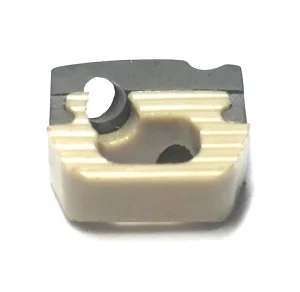
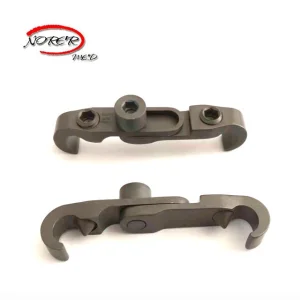
Polyetheretherketone (PEEK) represents a breakthrough material for cervical and lumbar cages. Because its modulus matches human cancellous bone closely, it eliminates the stress shielding effect common to heavy metal cages. Additionally, its radiolucent characteristics allow surgeons in Jakarta to monitor bone tissue healing through routine CT and X-ray examinations without the scattering interference caused by titanium. However, for applications where high primary stability is required, we offer titanium skull locks and cranial fixation plates designed to conform to complex anatomical curves.