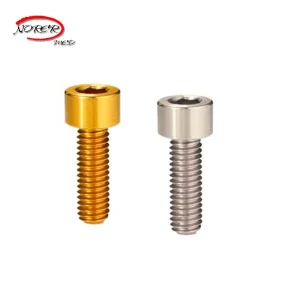
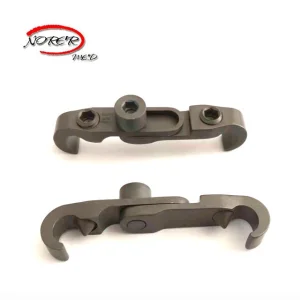
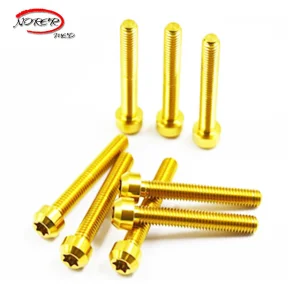
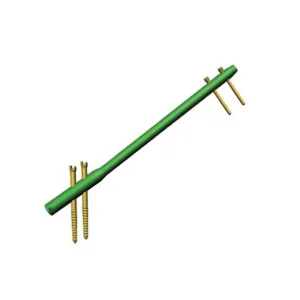
Featured clinical solutions deployed in key Level 4 and Level 5 referral hospitals across Nairobi, Mombasa, and Kisumu.
Analyzing the clinical demand, commercial barriers, and macroeconomic drivers within East Africa's leading economy.
Kenya's medical device ecosystem is undergoing a dramatic evolution. Driven by the government's Universal Health Coverage (UHC) agenda, part of the revised Vision 2030 framework, public and private healthcare facilities are aggressively scaling up their diagnostic and surgical capacities. In the realm of orthopedics and traumatology, this expansion has generated an unprecedented demand for reliable surgical instruments, spinal fixation systems, bone plates, and interlocking nails.
Historically, the Kenyan market has been bifurcated. On one hand, elite private hospital networks in Nairobi and Mombasa have routinely sourced high-cost surgical hardware from Western Europe and North America. On the other hand, the vast public network—comprising over 5,000 facilities, ranging from primary dispensaries to national referral institutions like Kenyatta National Hospital (KNH) and Moi Teaching and Referral Hospital (MTRH)—struggles with fiscal constraints, forcing procurement officers to seek cost-effective, durable alternatives without compromising patient outcomes.
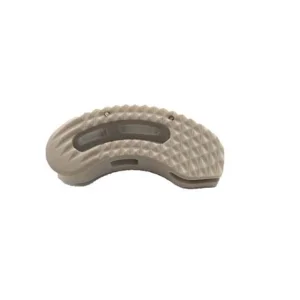
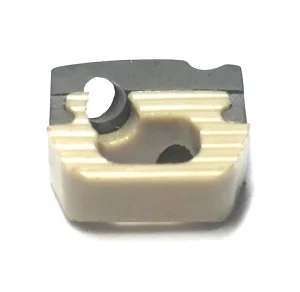
The primary clinical driver in Kenya is orthopedic trauma. The exponential rise of motorcycle transportation (locally known as boda bodas) has led to a significant increase in open tibial and femoral fractures, demanding high-tensile interlocking nails and trauma fixation systems. Furthermore, aging populations in urban areas have elevated the prevalence of spinal disorders, creating a robust import pipeline for spinal implants, pedicle screw fixation systems, and PEEK (Polyetheretherketone) cages. Because domestic manufacturing of medical-grade implants in Kenya is virtually non-existent, the country relies on direct importation, placing a major premium on reliable global manufacturing partners.
Managed primarily via the Kenya Medical Supplies Authority (Kemsa). Procurement prioritizes long-term material stability, international quality approvals (ISO 13485), and bulk pricing metrics.
With road traffic accidents contributing up to 60% of orthopedic ward admissions in county hospitals, the availability of immediate, pre-sterilized bone plate systems is critical.
Kenyan neurosurgeons and orthopedic specialists are shifting from traditional stainless steel to bio-inert Titanium Alloys (Grade 5) and PEEK cages for spinal fusion.
Years of Global Trade Partnership
Certified Quality Systems
Traceable Medical-Grade Titanium
Dedicated Production Specialists
How Changzhou's precision manufacturing hub delivers clinical excellence and financial viability to Kenyan healthcare providers.
For Kenyan medical distributors, direct procurement from Chinese manufacturing hubs like Changzhou (Jiangsu Province) represents the most viable path to balance cost and quality. DEON Medical (Changzhou) Co., Ltd. stands as a primary exporter in this domain, offering a comprehensive catalogue of orthopedic trauma bone plates, bone screws, interlocking nails, spinal pedicle screws, and cervical plate systems.
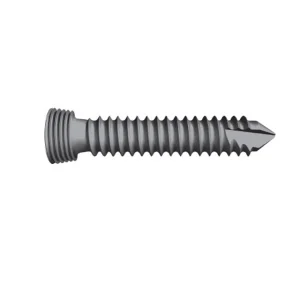
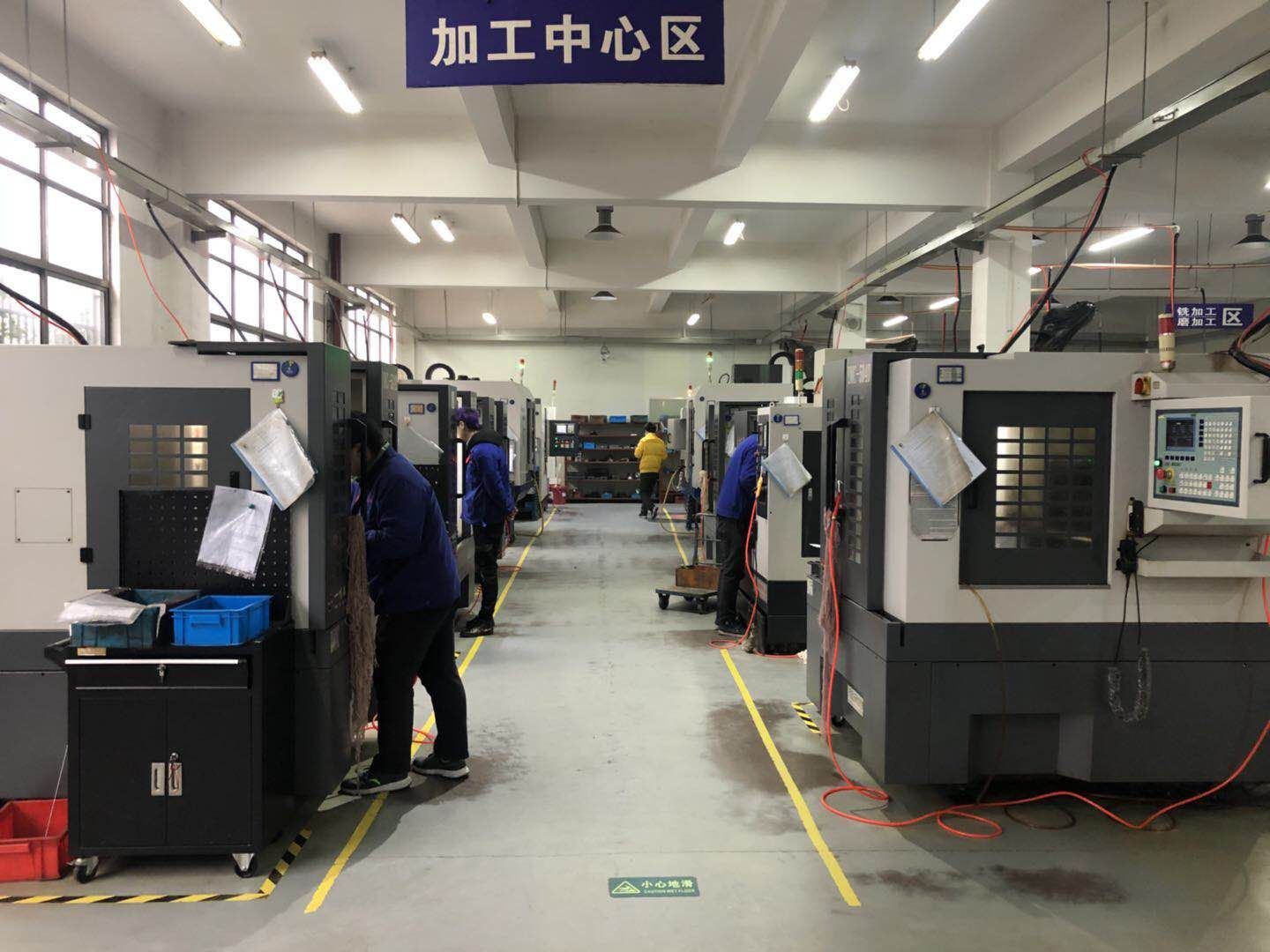
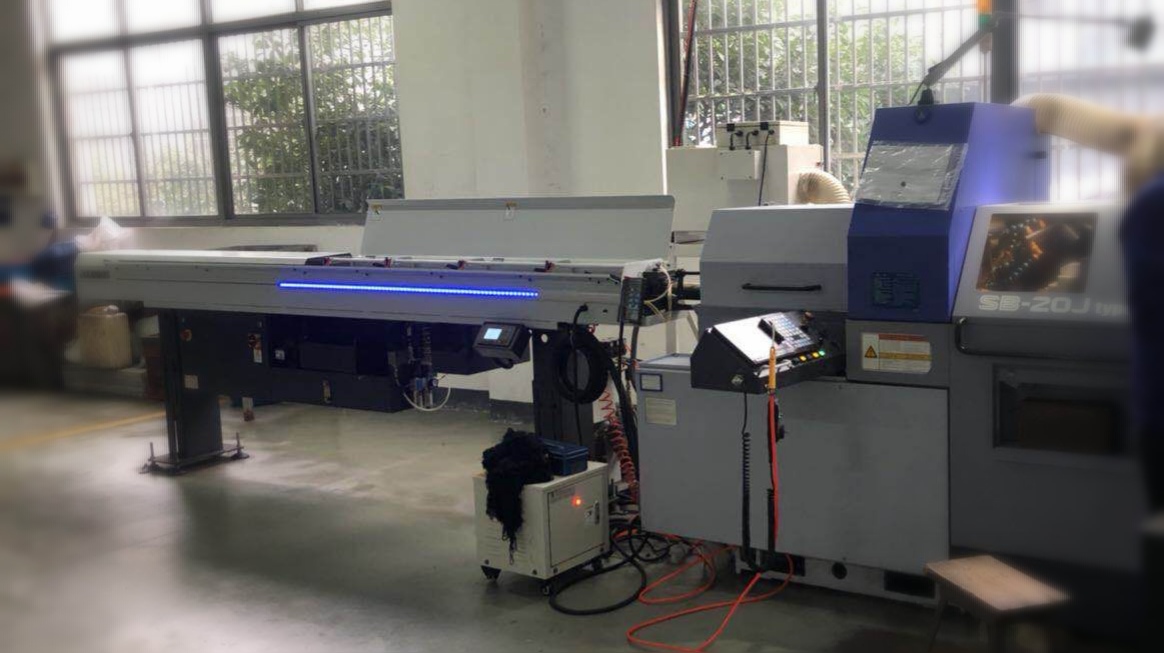
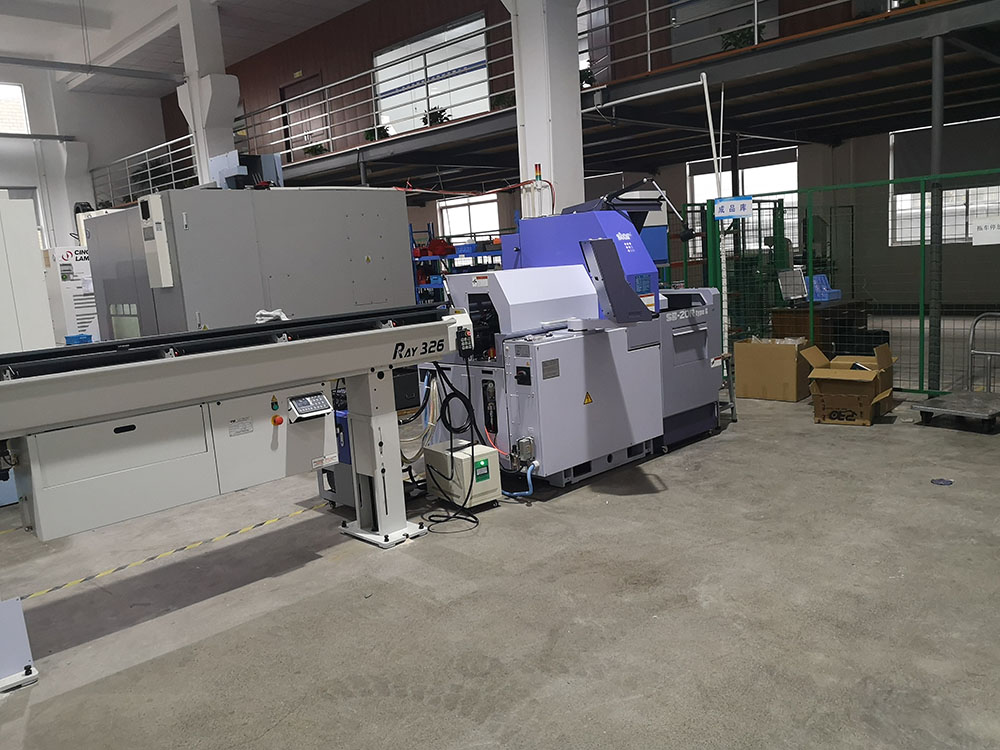
The core advantage of Chinese medical manufacturing lies in the vertical integration of supply chains. By utilizing state-of-the-art multi-axis CNC milling machines, Swiss longitudinal turning machines, and advanced EDM wire-cutting setups, factories in Jiangsu maintain micron-level tolerances. This precision is vital for components like uniplanar pedicle screws or locking head screws, where any mechanical failure under physiological loads would require revision surgery—an economically devastating outcome for Kenyan families.
DEON Medical utilizes premium raw materials: implant-grade titanium alloys (such as Ti-6Al-4V ELI conforming to ASTM F136 standards) and medical-grade PEEK polymer (sourced from globally trusted producers). Material traceability is backed by mill test certificates, guaranteeing that every plate, screw, or cage delivered to a hospital in Mombasa or Kisumu is biocompatible, corrosion-resistant, and optimized for osseointegration.
Tailored implant configurations addressing specific surgical challenges in the East African clinical environment.
Clinical Scenario: High-impact lumbar trauma resulting from agricultural accidents or vehicular collisions.
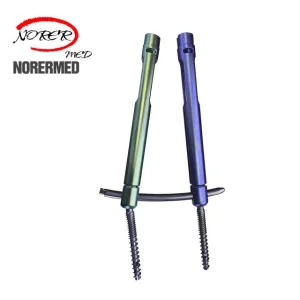
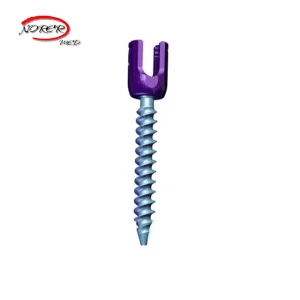
Solution: Monoaxial and Polyaxial Titanium Pedicle Screw systems coupled with high-strength Crosslink rods to provide immediate mechanical stabilization and allow early mobilization.
Clinical Scenario: Comminuted tibial and femoral fractures requiring rigid internal fixation.
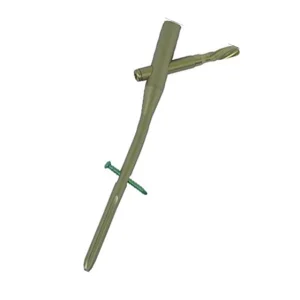
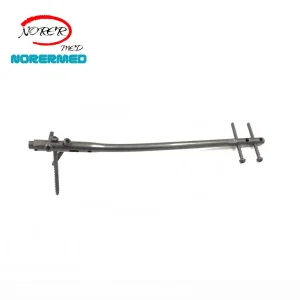
Solution: Titanium PFNA and Tibial Interlocking Expert Nailing systems. Designed to minimize soft tissue disruption and permit early weight-bearing in active patient cohorts.
Clinical Scenario: Decompressive craniectomies following severe traumatic brain injury (TBI).
Solution: Low-profile titanium cranial skull locks and custom plating configurations designed for rapid, secure cranial bone flap fixation.
Addressing supply chain friction, custom duties, and localized clinical education to secure sustainable procurement.
Procuring surgical instruments and implants for the East African Community (EAC) requires more than just high-quality manufacturing. Distributors face logistical bottlenecks at the Port of Mombasa, strict compliance standards from the Pharmacy and Poisons Board (PPB) of Kenya, and unpredictable currency exchange fluctuations. To mitigate these risks, DEON Medical provides end-to-end support for procurement operations:
A transparent overview of our manufacturing scale, technical capabilities, and global trade experience.
Premium titanium and polymer systems engineered for long-term patient recovery and surgical reliability.
Everything you need to know about importing orthopedic implants from DEON Medical to the East African market.
Our manufacturing processes conform strictly to ISO 13485 (Medical Devices Quality Management Systems). We utilize raw materials with full traceability (Grade 5 Titanium Ti-6Al-4V ELI and implant-grade PEEK) to support local regulatory registrations with the Pharmacy and Poisons Board (PPB) in Kenya.
For urgent clinical requirements, air cargo shipments via JKIA typically take 5 to 7 working days from dispatch. For standard bulk replenishment, sea freight to the Port of Mombasa averages 30 to 35 days, followed by inland transit via the SGR (Standard Gauge Railway) to Nairobi.
Yes. As a direct manufacturer, DEON Medical offers comprehensive OEM/ODM services. We can customize screw diameters, plating designs, and instrumentation configurations to fit the specific anatomical requirements of East African patient populations and the preferences of local surgeons.
We work with international payment structures, typically involving a deposit followed by balance payment upon production completion and quality audit clearance. We provide full commercial invoices, packing lists, and Certificates of Analysis to ensure smooth customs processing in Kenya.
Upgrade your medical supply inventory with ISO-certified orthopedic solutions. Contact our global sales team today for customized pricing, product catalogs, and raw material validation certificates.
Submit RFQ / Send Inquiry Now Deon Medical