Explore our specialized veterinary and human joint reconstruction implants designed to meet Tokyo's strict clinical engineering and orthopedic biomechanical standards.
Tokyo is globally recognized not just as a hub of cutting-edge clinical research but as the epicenter of ultra-precision machining. The sports medicine implant sector in Tokyo relies heavily on the industrial clusters located in areas like Ota Ward and the neighboring Kanagawa prefecture. These local factories specialize in micro-lathe fabrication, Swiss-turn machining, and advanced surface modification technologies, which are crucial for producing ligament fixation anchors, interference screws, and anatomical reconstructive plates.
For sports medicine applications, the integration of advanced materials like PEEK (Polyetheretherketone) and Titanium Grade 5 (Ti-6Al-4V ELI) is imperative. Tokyo’s academic medical complexes—such as the Tokyo Medical and Dental University and the University of Tokyo Hospital—collaborate continuously with regional micro-manufacturers to refine biomechanical designs. This creates a dense loop of clinical feedback and technological iteration, pushing Tokyo's manufacturing standards to the top tier of global orthopedic medical device engineering.
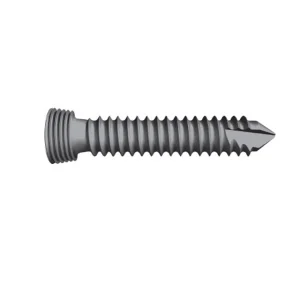
Swiss-type CNC turning allows Tokyo-based manufacturing partnerships to achieve dimensional tolerances within ±3 microns, crucial for orthopedic locking screws and micro-suture anchors.
Direct feedback loops with Kanto-region orthopedic research hospitals ensure rapid translation of clinical requirements into modified product geometries and bio-coatings.
Manufacturing protocols are built around the requirements of the Pharmaceuticals and Medical Devices Agency (PMDA) of Japan, matching global FDA and CE MDR frameworks.
The global sports medicine market is undergoing rapid evolution. Key drivers include an aging but highly active global population, the increase in sports participation, and the expanding field of veterinary orthopedics (particularly in high-performance equine and canine sports medicine). Clinicians are shifting from traditional open surgeries to arthroscopic techniques that demand smaller, stronger, and more biocompatible implants.
In terms of materials, the industry is transitioning toward bio-composite materials, porous titanium structures, and surface-modified polymers. Carbon-fiber reinforced PEEK (CF-PEEK) and osteoconductive bio-absorbable polymers (such as PLLA/HA composites) are becoming the standard for anterior cruciate ligament (ACL) reconstruction, rotator cuff repair, and meniscal fixation.
| Material Type | Biomechanical Elastic Modulus | Osseointegration Capacity | Radiological Artifacts | Primary Clinical Application |
|---|---|---|---|---|
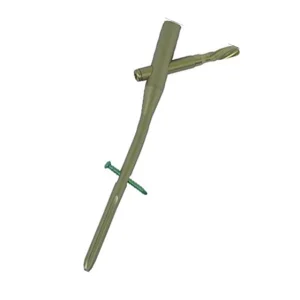
| Titanium Grade 5 (ELI) | ~110 GPa (High vs Bone) | Excellent (via porous coatings) | Moderate to High | Interlocking Nails, Bone Screws, Spinal Fixation |
| Unfilled PEEK | ~3.6 GPa (Close to cortical bone) | Hydrophobic (Requires modification) | Radiolucent (Zero artifacts) | Suture Anchors, Spinal TLIF & ACIF Cages |
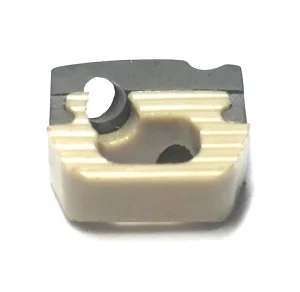
| Bio-Composite (PLLA + HA) | Variable (Degrades over time) | Excellent (Resorbs into native bone) | None (Completely radiolucent) | Interference Screws, Meniscal Darts |
| Carbon-Fiber PEEK | ~18 GPa (Matched to bone) | Good (Enhanced with HA coating) | Radiolucent (Carbon strands visible) | Structural Trauma Plates, Load-bearing Implants |
To remain competitive, manufacturers must look ahead. Our strategic roadmap outlines the technological shifts we are integrating into our production lines to meet future clinical demands in Tokyo and globally.
Implementing Acid-Etched and Sandblasted (SLA) surfaces, along with Plasma Spray Hydroxyapatite (HA) coating processes on both titanium and PEEK materials to reduce the recovery window by 30% through accelerated osteogenesis.
Integrating Electron Beam Melting (EBM) and Selective Laser Sintering (SLS) 3D-printing systems to construct trabecular titanium scaffolds, enabling customized implant solutions based on patient MRI/CT data.
R&D of implantable micro-sensors that measure real-time biomechanical load and strain directly from the fixation site, providing clinicians with quantitative data regarding postoperative healing rates and graft stability.
Years of Industry Trust
13485 Certified QC
Swiss CNC Tolerance
Medical-Grade Materials
Our orthopedic products are deployed across a variety of demanding clinical scenarios in Japan, from elite-level athletic rehabilitation to specialized small-animal veterinary care.
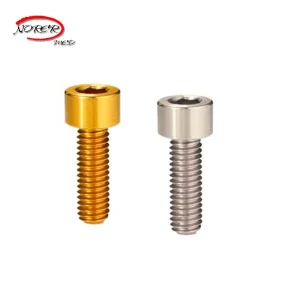
Utilized in sports clinics across Tokyo, our high-precision titanium locking screws and anatomical plates provide rigid fixation for professional football (J-League) and rugby athletes, facilitating early-stage post-op physical therapy.
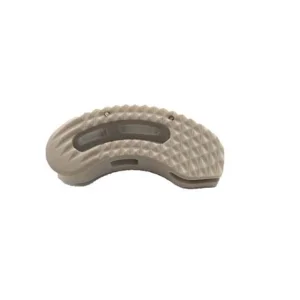
Addressing the growing demand for companion animal longevity in Tokyo’s metropolitan area, our PEEK TLIF and ACIF cages offer customized spinal decompression options for canine and feline patients.
Advanced biomechanical support for large-breed work dogs and family pets requiring cervical arthrodesis, utilizing locking PEEK cages to achieve rapid fusion with minimal postoperative migration risk.
Our operation bridges advanced Chinese raw manufacturing with global standards. Below is the profile of our production headquarters, delivering high-volume compliance and cost efficiency to orthopedic distributors worldwide, including the Japanese market.
Changzhou Co., Ltd.
A reliable OEM/ODM partner for global medical device distributors, sourcing raw medical-grade materials and delivering finished implants worldwide.
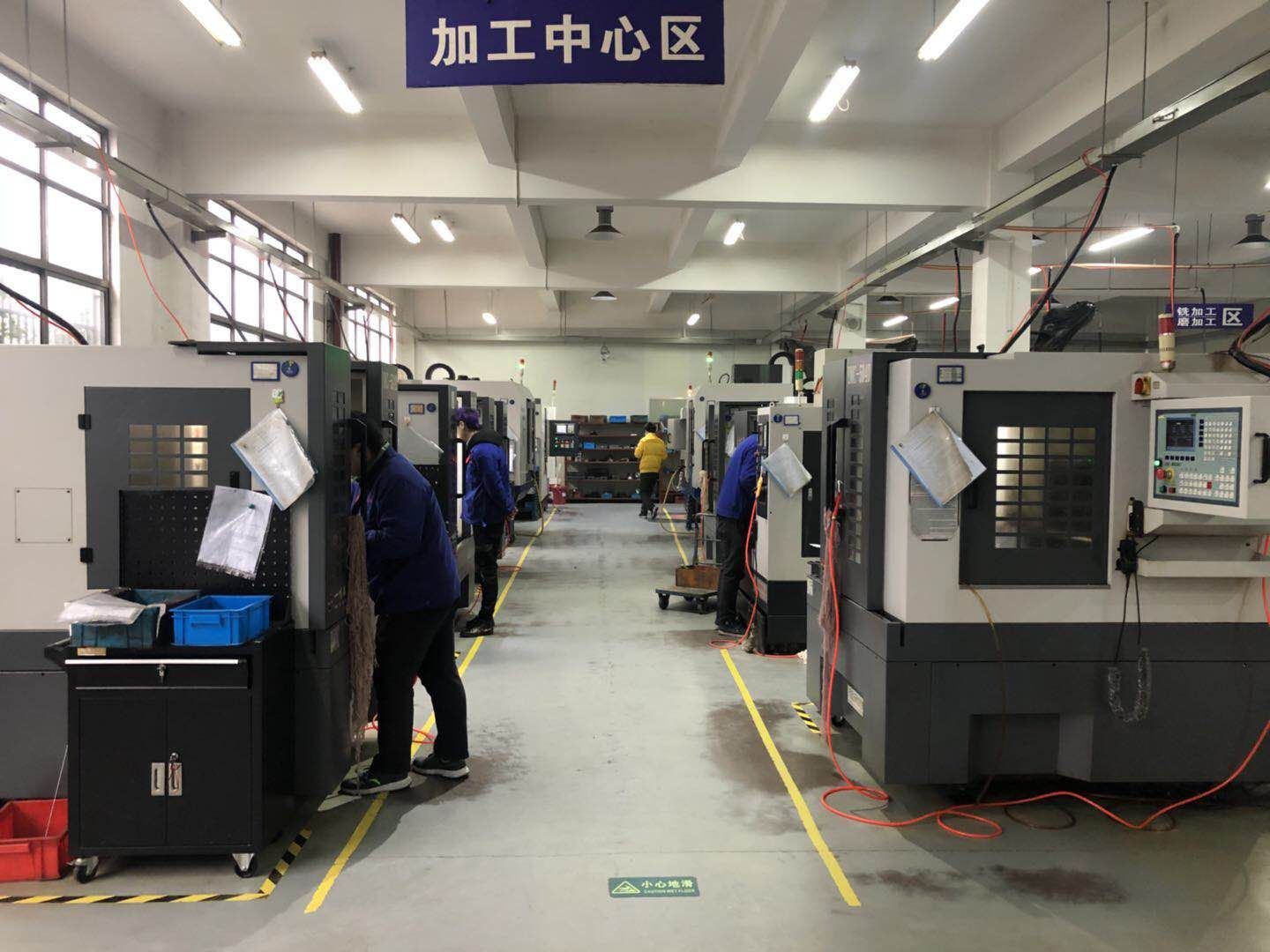
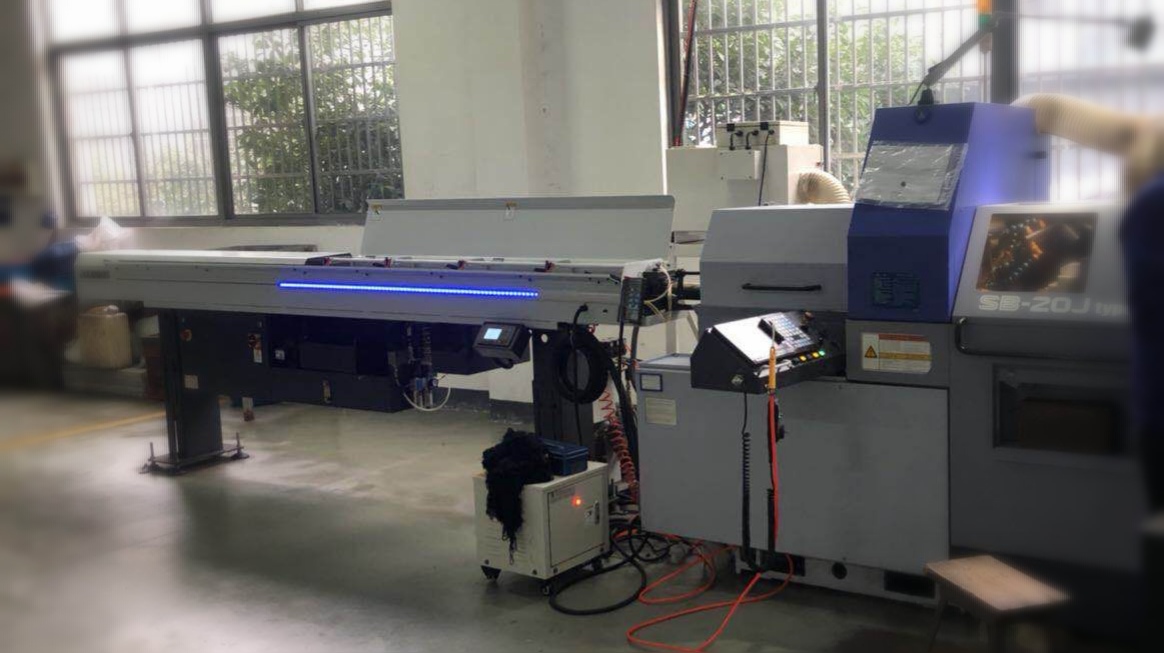
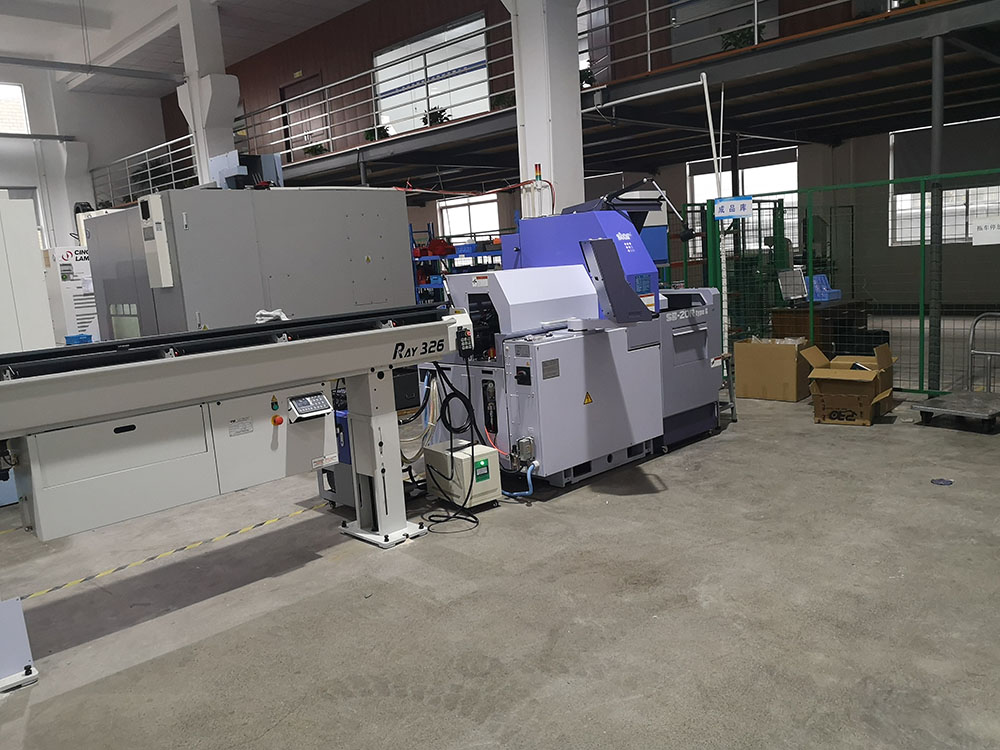
Our capabilities go beyond simple component machining. We provide comprehensive OEM/ODM supply chain integration for medical device brands seeking reliable product lines.
Every batch of titanium, PEEK, or stainless steel is accompanied by material test reports (MTR) verifying raw mechanical properties and compliance with ASTM F136 and ASTM F2026 standards.
We provide multiple surface options, including type II/III anodization, acid etching, and laser marking, enabling surgical tools and implants to meet specific brand requirements.
Products are finished, washed, and packed in Class 10,000 cleanrooms, supporting both non-sterile bulk shipments and sterile packaging ready for clinical use.
Key questions and answers regarding regulatory compliance, manufacturing tolerances, material selection, and procurement pathways.
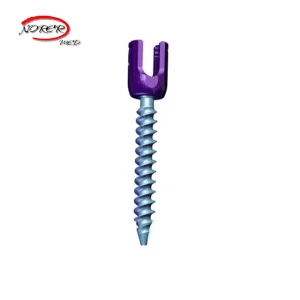
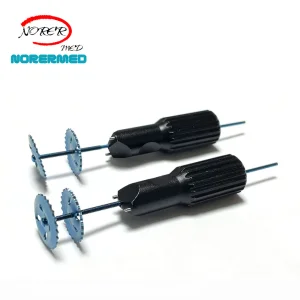
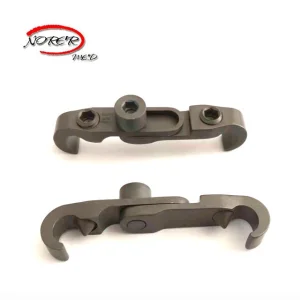
Discover our full catalog of bone plates, locking screws, interlocking nails, and specialized spinal implants optimized for regional distribution in Tokyo and globally.
 Deon Medical