Engineered for Vietnam's rapidly rising clinical trauma and orthopedic surgery sectors. Top-tier medical-grade alloy products optimized for direct export.
Vietnam's healthcare landscape is undergoing an unprecedented modernization curve. Driven by an active population, increasing participation in organized sports, and rising middle-class disposable income, the clinical need for sports medicine interventions has soared over the past decade.
Historically reliant on expensive Western imports, medical distributors in Ho Chi Minh City, Hanoi, and Da Nang are increasingly turning to regional manufacturing hubs to balance cost and clinical outcomes. Hospitals such as Cho Ray Hospital and Viet Duc Hospital perform thousands of joint reconstructions annually. However, domestic production of advanced medical-grade Titanium and PEEK (Polyetheretherketone) implants in Vietnam is still in its infancy due to strict technological barriers, high capital investment requirements, and lack of specialized CNC manufacturing clusters.
Consequently, Vietnam functions primarily as a high-demand consumption market and a strategic assembly hub rather than a baseline raw material synthesizer. Vietnamese importers seek reliable partnerships with international manufacturers who can supply ASTM-compliant, ISO 13485-certified implants with efficient logistics and simplified regulatory documentation (such as CE and FDA equivalent approvals required by Vietnam's Department of Medical Equipment and Construction - DMEC).
According to Vietnam Ministry of Health reports, medical device imports account for over 90% of the total local market value. Sports medicine implants, categorized under high-risk implantable Class C and D devices, demand strict biocompatibility certifications.
The shift toward minimally invasive arthroscopic surgeries worldwide has redefined the manufacturing standards for orthopedics.
Globally, the sports medicine implant market is expected to reach USD 9.5 billion by 2028. Key drivers include the global aging population seeking to remain physically active, and technological shifts in materials science. The transition from traditional metal fixtures to bio-absorbable polymers and specialized polyetheretherketone (PEEK) has allowed for optimal biomechanical properties, reducing stress shielding and improving post-operative MRI imaging clarity.
For orthopedics and trauma, titanium remains the gold standard due to its excellent osseointegration properties. High-precision manufacturing processes such as Swiss-type CNC lathe turning, 5-axis milling, and laser surface modifications (such as acid-etching and anodization) are critical to ensure that screws, plates, and interlocking nails meet exact dimensional tolerances. Supply chain resilience has also become a priority, forcing global medical brands to adopt "China+1" or regional sourcing strategies, highlighting Vietnam's importance as an emerging regional hub.
| Material Category | Key Clinical Applications | Core Benefits |
|---|---|---|
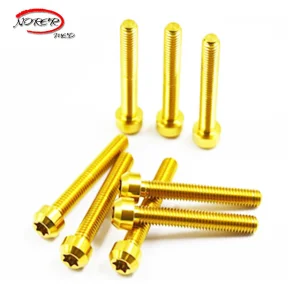
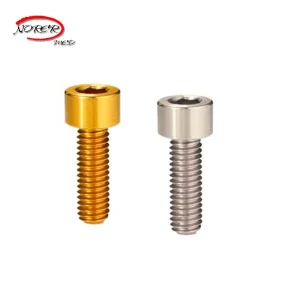
| Titanium Alloy (Ti-6Al-4V ELI) | Interlocking nails, bone screws, pedicle screws, crosslink rods | Exceptional fatigue strength, bio-inert, rapid osseointegration |
| PEEK-OPTIMA® | Lumbar & Cervical cages, interference screws, anchor sleeves | Radiolucent (no MRI artifacts), elastic modulus matches cortical bone |
| Bio-absorbable Polymers | Suture anchors, interference screws for ACL/PCL | Gradually degrades, eliminating secondary removal surgeries |
While Vietnam represents a booming market for device implementation, Changzhou, China stands as the global epicentre for high-precision orthopedic implant manufacturing.
By leveraging the industrial clusters in Jiangsu, China, manufacturers like DEON Medical can achieve production efficiencies and quality control standards that are extremely difficult to replicate in greenfield Vietnamese factories. The regional supply chain depth offers several distinct advantages:
Modern medical device procurement strategies recommend sourcing precision-machined cores and raw implant components from established Chinese manufacturing hubs, then handling final packaging, local distribution, and sterile logistics via Vietnamese partners. This optimizes tariff structures and simplifies local registration.
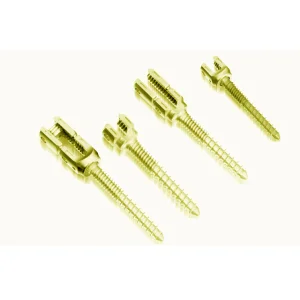
Specifically designed to meet the growing demand for companion animal surgeries in urban areas of Vietnam. Engineered from high-strength biocompatible titanium with fine thread pitches to accommodate veterinary spinal structures.
Explore Veterinary Product LineTranslating advanced manufacturing specs into real-world medical situations across Vietnam's healthcare network.
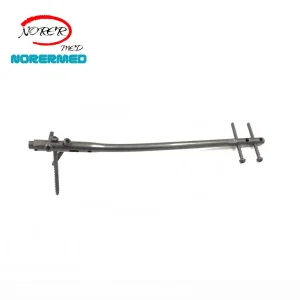
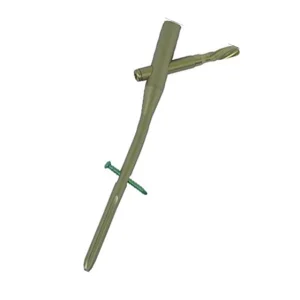
Heavy motorcycle traffic in major Vietnamese cities leads to a high incidence of long bone fractures. Advanced tibial and femoral interlocking nails are widely used in metropolitan emergency departments (e.g., Cho Ray Hospital) for immediate stabilization and alignment.
Primary Device: Tibial & Femoral Interlocking NailsRecreational sports are highly popular in Vietnam, resulting in a steady volume of ACL/PCL tears and meniscus injuries. Orthopedic surgeons rely on high-precision titanium locking screws and PEEK anchors to perform secure ligament fixation.
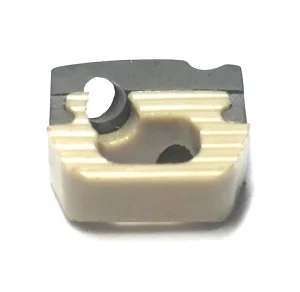
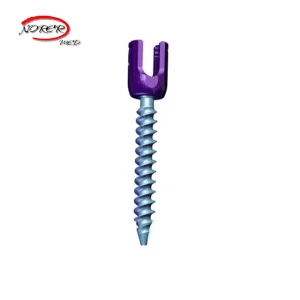
Primary Device: Titanium Locking Screws & AnchorsAs Vietnam's demographic curve shifts, age-related spinal stenosis and herniated disc conditions are rising. Spinal pedicle screw systems and PEEK lumbar cages are utilized in degenerative disc disease surgeries to restore disc height and spinal stability.
Primary Device: PEEK Cages & Spinal Pedicle ScrewsFor procurement officers and medical device distributors in Southeast Asia and globally, verifying quality is crucial before placing orders.
Implantable medical devices demand rigorous documentation. Sourcing managers must verify:
Under Decree 98/2021/ND-CP regulating medical devices in Vietnam, all imported Class C and D devices (implants) must have a valid Import License or a Free Sale Registration Number issued by the Ministry of Health. Providing ISO 13485 certificates and FSC (Free Sale Certificates) from the manufacturer's country of origin accelerates this process.
Request ISO & Material CertificationsAnswers to common technical, logistics, and regulatory questions from buyers sourcing implants.
We strictly utilize medical-grade Titanium Alloy (typically Ti-6Al-4V ELI conforming to ASTM F136 / ISO 5832-3 standards) and implant-grade Polyetheretherketone (PEEK-OPTIMA® or equivalent biocompatible medical polymers) to ensure maximum biocompatibility and mechanical strength.
Yes. All our production facilities operate under ISO 13485 medical device quality management systems. We provide full quality documentation, including Material Test Certificates, Certificates of Conformity (CoC), and manufacturing flowcharts required by the Vietnamese MOH for Class C and Class D device registration.
Absolutely. We offer comprehensive OEM/ODM services. By leveraging multi-axis CNC machines and Swiss turning lathes, we can produce implants based on your custom 2D/3D CAD drawings or reconstruct files to match local clinical preferences in Southeast Asian hospitals.
For stocked components (such as standard pedicle screws, locking plates, or intramedullary nails), we dispatch within 3-5 days. Maritime shipping to Cat Lai Port (HCMC) or Haiphong Port takes approximately 7-10 days, while air freight takes 2-4 days, ensuring efficient inventory replenishment.
Veterinary implants (such as veterinary pedicle screws and TPLO plates) do not go through the identical DMEC human medical registration, making import and custom clearance much faster. However, we apply the same high manufacturing tolerances and materials to ensure clinical success in pets.
Combining technological capabilities with global logistical reach to support Vietnamese healthcare.
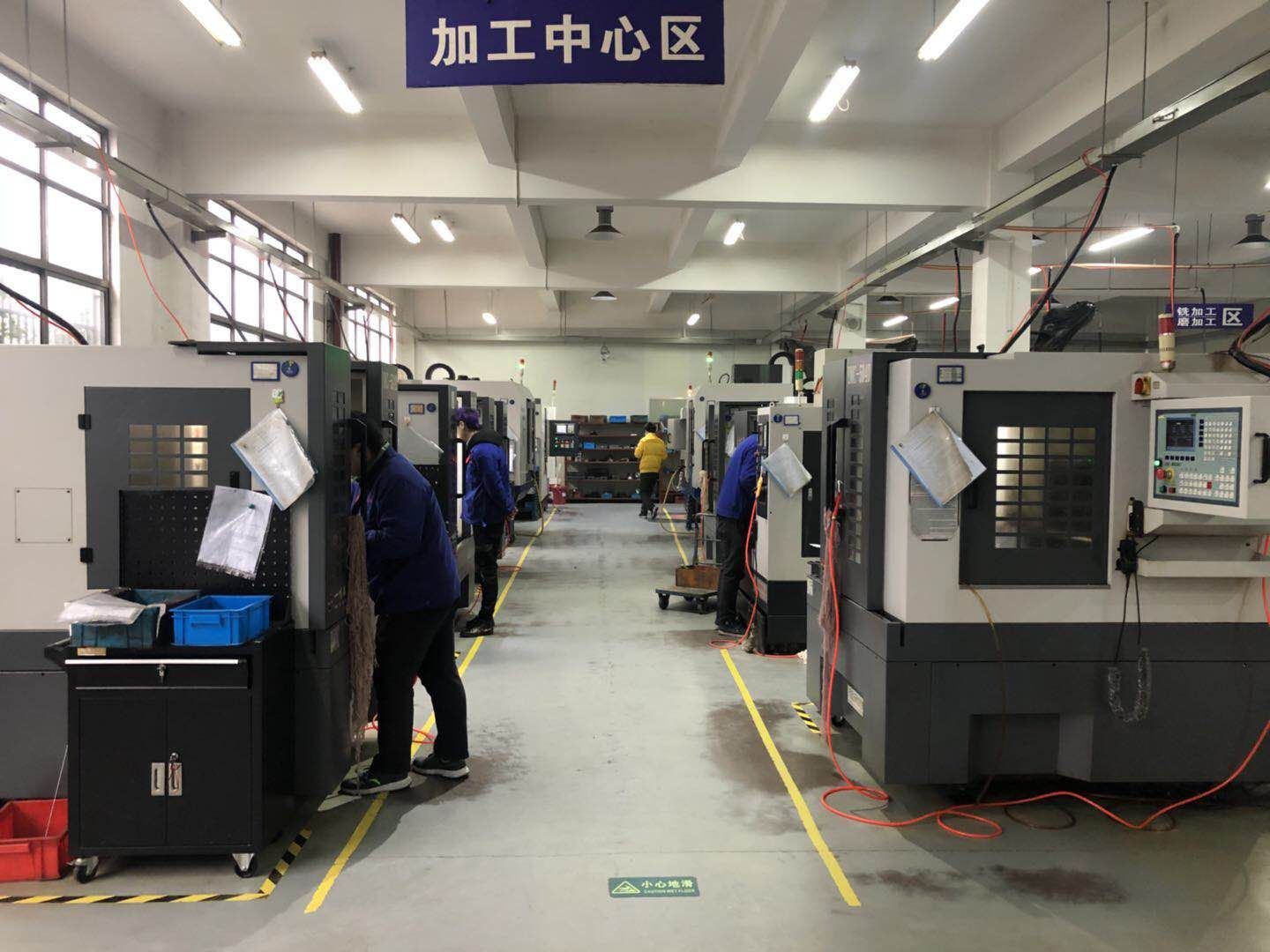
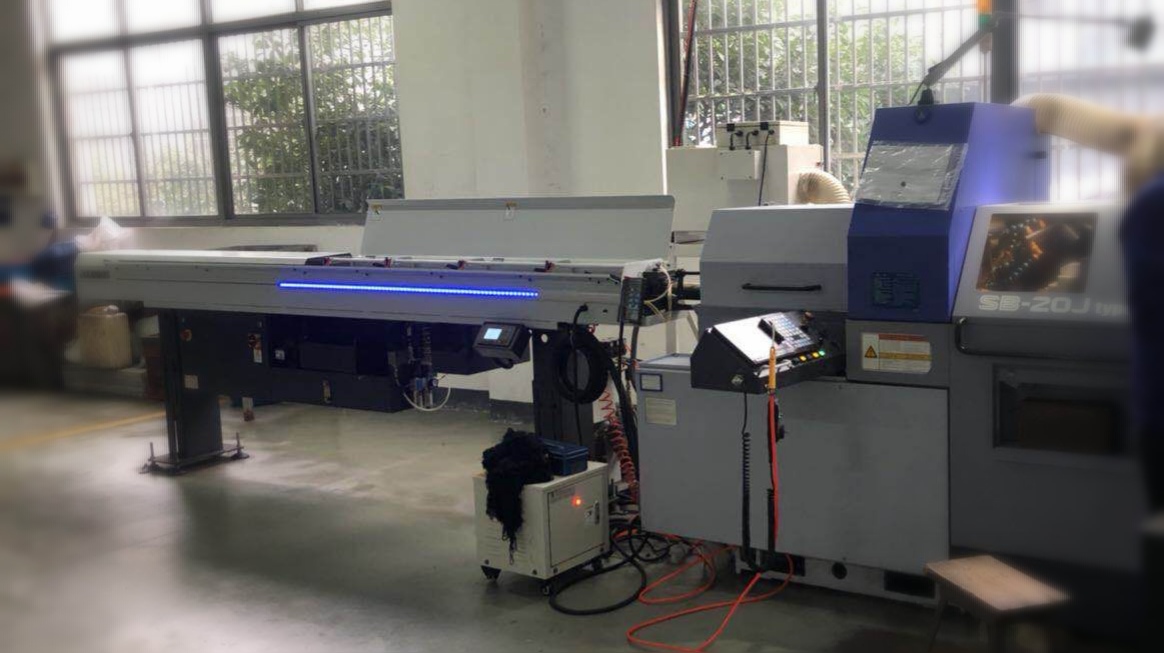
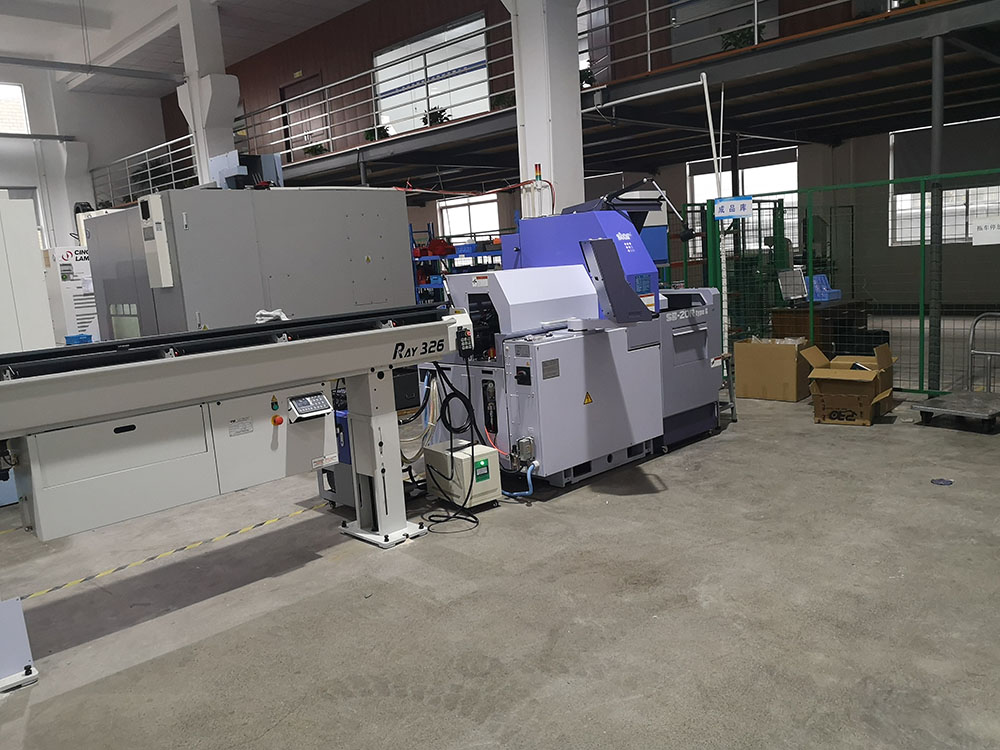
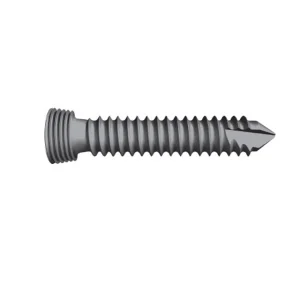
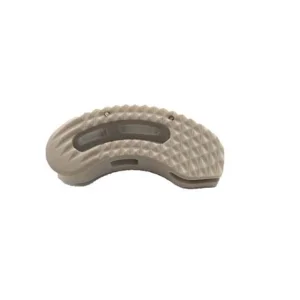
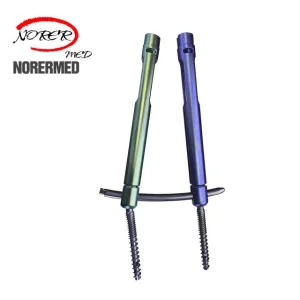
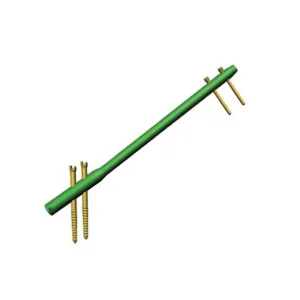
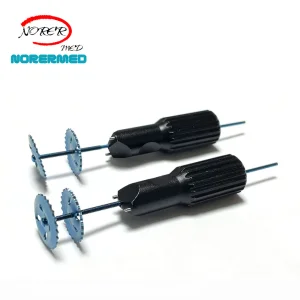
Select from our verified range of trauma implants, spinal hardware, and veterinary systems suitable for direct import into Vietnam.
Get in touch with our technical sales team for specialized material catalogs, bulk price break tables, and custom OEM manufacturing lead times.
Send Inquiry Now Deon Medical