Explore our primary product solutions designed to comply with rigorous clinical demands in public and private medical facilities across Pakistan.
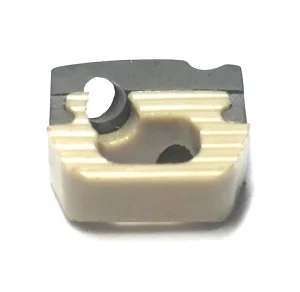
The healthcare infrastructure in Pakistan has seen progressive evolution, particularly in specialized fields such as neurosurgery and orthopedic trauma. Rapid urbanization, a growing geriatric population, and a high incidence of traffic accidents have led to a surge in demand for spinal fusion procedures. Metropolitan medical centers in cities like Karachi, Lahore, Islamabad, and Faisalabad require reliable supply chains of implants to sustain daily clinical workflows. However, domestic manufacturing of advanced class-III medical devices remains limited, leaving Pakistani healthcare institutions heavily reliant on certified global manufacturers and exporters.
Historically, importing medical devices to Pakistan involves navigating regulatory frameworks established by the Drug Regulatory Authority of Pakistan (DRAP). In response to financial fluctuations and national health directives, local healthcare providers and distributors focus on finding procurement partners that offer high structural integrity, biocompatibility, and reasonable cost-to-benefit ratios. High-tier Chinese orthopedic fabricators, particularly those based in recognized clusters like Changzhou, have filled this gap by supplying premium-grade Titanium Alloys and PEEK (Polyetheretherketone) implants that meet international standards (ISO 13485, CE) at viable price points.
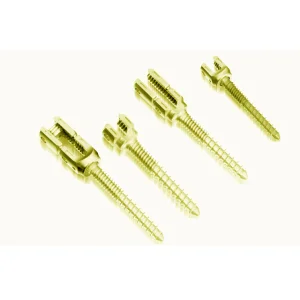
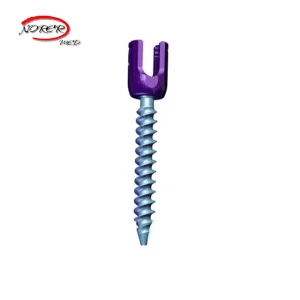
Modern spinal surgery demands innovations that minimize surgical site trauma and expedite patient rehabilitation. One major trend is the growth of Minimally Invasive Spine Surgery (MISS). MISS techniques require low-profile implant designs, such as cannulated pedicle screws and expandable cages, which can be delivered via percutaneous pathways. For exporters targeting the Pakistani market, providing these advanced implant configurations, alongside corresponding specialized surgical instrumentation sets, acts as a primary market differentiator.
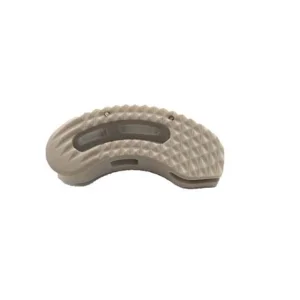
Additionally, biomaterial science plays a major role in optimizing patient outcomes. PEEK (Polyetheretherketone) has emerged as the standard for interbody fusion cages due to its radiolucency and an elastic modulus that closely mirrors that of human cortical bone, reducing the risks of stress shielding. Concurrently, titanium implants remain crucial for rigid stabilization. Below is a structural comparison of these standard biomaterials to assist procurement departments in selection:
| Material Type | Modulus of Elasticity | Radiographic Properties | Primary Indications | Clinical Advantage |
|---|---|---|---|---|
| PEEK-OPTIMA® | ~3.6 GPa (Close to bone) | Radiolucent (Zero artifact) | TLIF, PLIF, ACIF Cages | Reduces implant subsidence, clear fusion visualization |
| Titanium Ti-6Al-4V ELI | ~110 GPa (Higher rigidity) | Radiopaque | Pedicle Screws, Rods, Plates | Superior mechanical strength, excellent fatigue resistance |
| Porous Titanium Coatings | Variable (Medium) | Semi-radiopaque | Hybrid PEEK-Titanium Cages | Accelerated osseointegration with bone graft interface |
To overcome procurement delays and material inconsistencies, global distributors require an integrated OEM/ODM manufacturing partner. Manufacturers like DEON Medical provide complete orthopedic trauma and spinal systems under one roof. This minimizes the friction of dealing with multiple suppliers and ensures that the mating tolerances between instruments, screws, plates, and cages are consistently maintained. Integrated supply chains also guarantee material batch traceability, which is necessary for product recalls and DRAP documentation audits in Pakistan.
Exporting spinal implants to Pakistan requires a structured approach to import regulations, tariff classifications, and financial protocols. The State Bank of Pakistan (SBP) and Pakistan Customs implement distinct protocols for importing medical equipment. We provide local importers with comprehensive documentation packages to ensure smooth clearance at Karachi Port or regional air freight cargo stations in Lahore and Islamabad. Our documentation package includes:
The next era of spine implants focuses on dynamic stabilization and biological surface customization. We are investing in R&D to refine porous titanium structures using advanced 3D printing technologies (Selective Laser Melting - SLM). This allows for custom patient-specific implants configured directly from pre-operative CT scans. Additionally, bio-active surface treatments, including hydroxyapatite coatings, are being incorporated to accelerate bone cell adhesion and speed up recovery times for patients in regional trauma centers.
High-Precision Orthopedic Implant Manufacturer with Global Export Capabilities
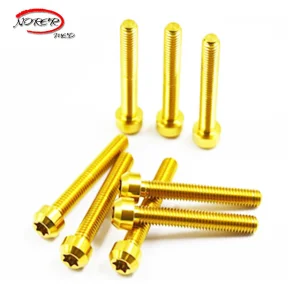
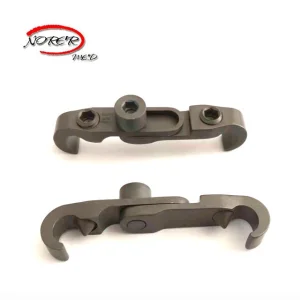
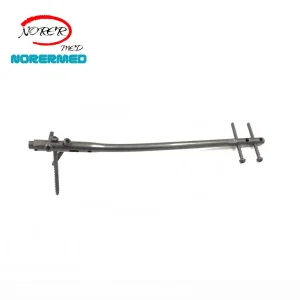
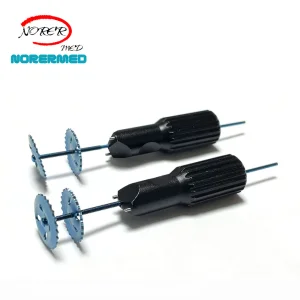
DEON Medical is a specialized manufacturer and exporter based in Changzhou City, Jiangsu Province, China. We produce a wide range of orthopedic solutions, including trauma bone plates, bone screws, interlocking nails, orthopedic spine pedicle screws, cervical plates, and PEEK cervical and lumbar cages, as well as associated surgical instruments.
We leverage advanced high-precision CNC machining centers and testing devices to ensure our implants meet strict quality tolerances. Over the past decade, we have partnered with orthopedic distributors, private hospitals, and state agencies globally to deliver reliable implants that support surgeon confidence and patient safety.
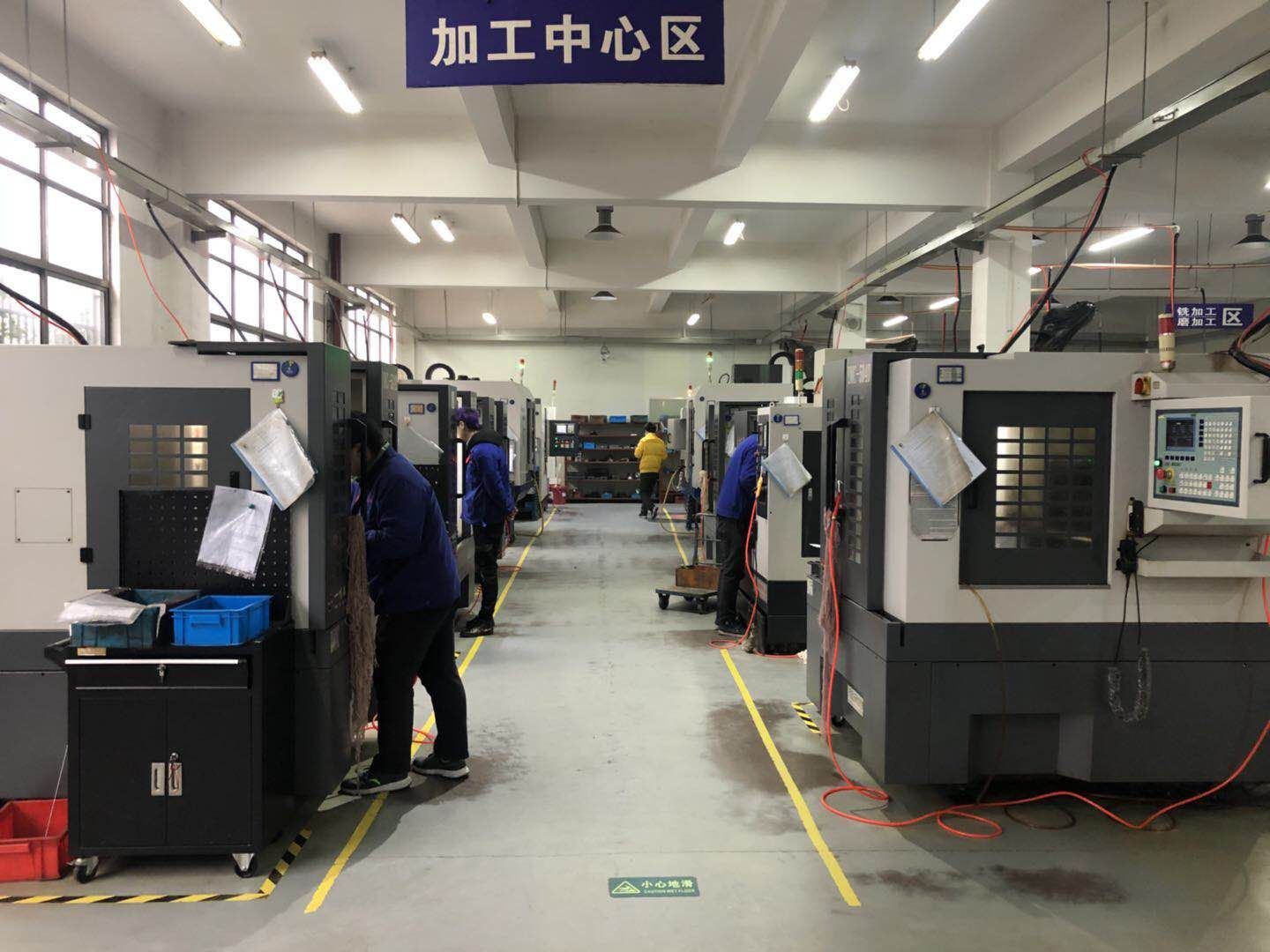
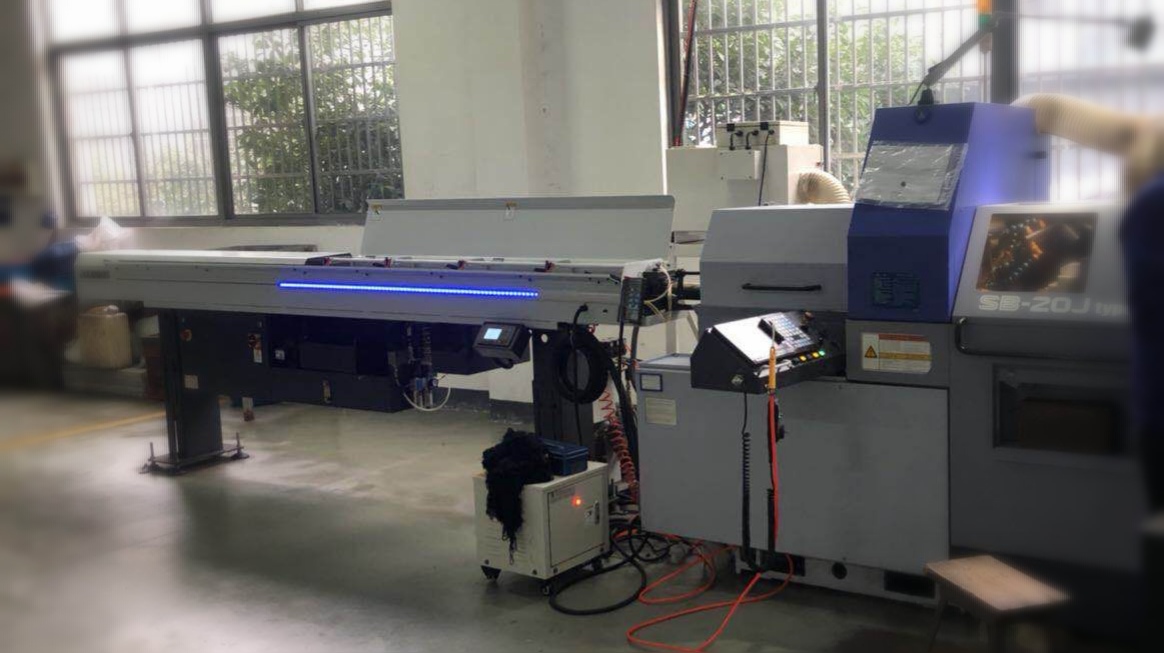
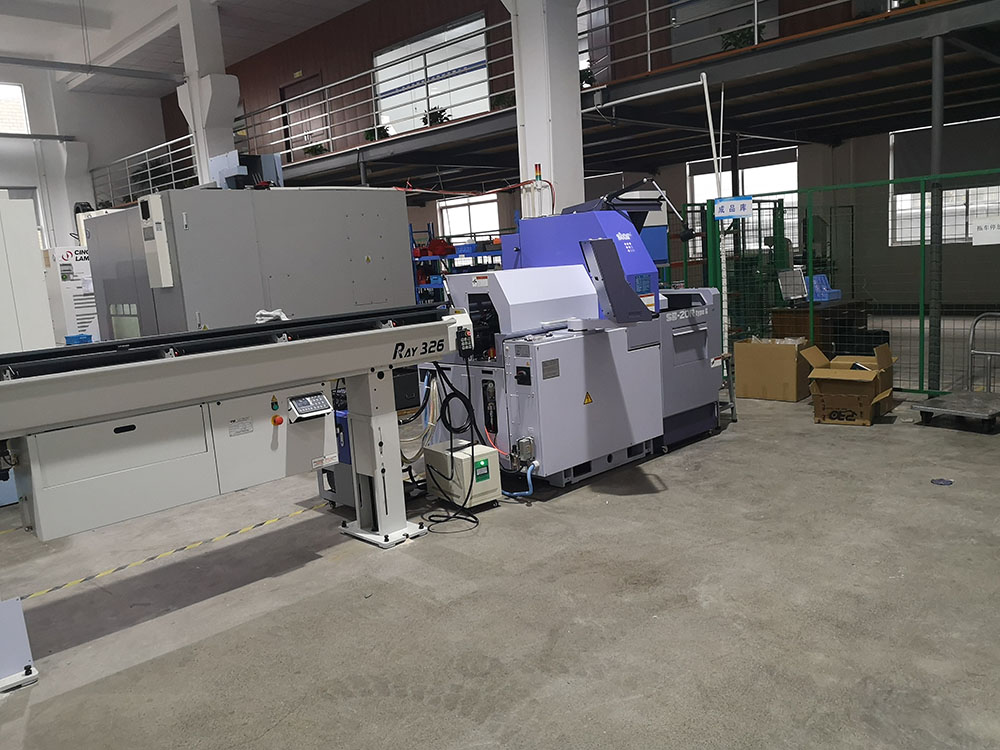
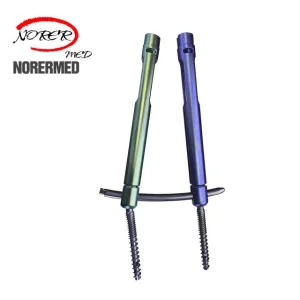
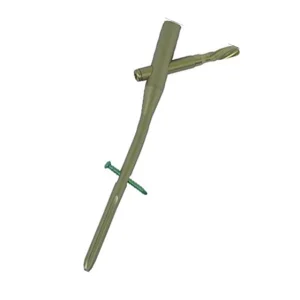
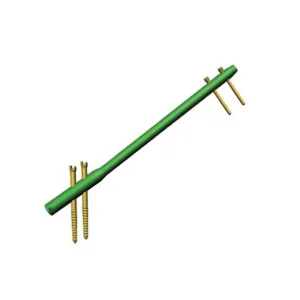
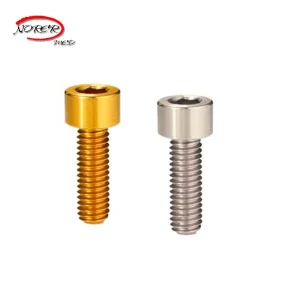
Select from our range of titanium and PEEK implants, suitable for trauma systems, spinal reconstruction, and specialized veterinary orthopedics.
Essential insights for importers, hospital purchasing departments, and orthopedic surgeons in Pakistan.
Whether you are a medical distributor in Lahore, a neurosurgeon in Karachi, or a veterinary orthopedic supplier, DEON Medical supplies quality-compliant spine and trauma systems designed for consistent performance. Contact our international export department today for a detailed quote.
Send Inquiry Now Deon Medical