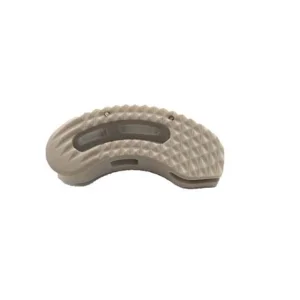
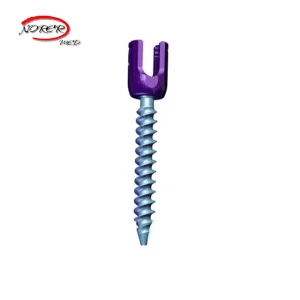
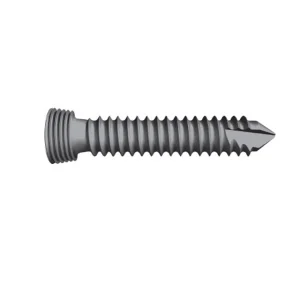
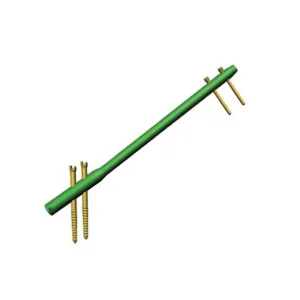
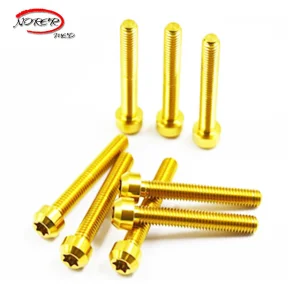
Advanced orthosegmental devices designed for spinal stabilization and reconstructive surgery within the Caspian healthcare infrastructure.
Azerbaijan's healthcare system has undergone a major paradigm shift. Driven by the Compulsory Health Insurance Agency (İtsda) and the establishment of TABIB, access to neurosurgical interventions has expanded exponentially. Clinical centers in Baku, Ganja, and Sumgait are seeing unprecedented volumes of complex spinal surgeries, including degenerative disc disease (DDD) treatments, trauma stabilization, and corrective procedures for sagittal misalignment.
This systemic growth has catalyzed a severe demand for high-quality, biologically inert implant systems. Modern Azerbaijani neurosurgeons and orthopedic purchasing committees demand high performance, structural compliance, and reliability, moving away from hyper-inflated Western European supply chains.
Our mission as a premier spine implant manufacturer in Changzhou, China, is to deliver direct access to global-standard medical hardware. By optimizing structural mechanics, keeping lead times minimal, and enforcing rigid certification criteria, we supply Baku’s medical institutions with implants that drastically improve patient outcomes.
Modern spinal fusions rely on two cornerstone materials: Ti-6Al-4V ELI (Grade 23 Titanium) and Polyetheretherketone (PEEK). Titanium offers unparalleled tensile strength and primary mechanical stability, making it the material of choice for pedicle screws and rods.
PEEK exhibits an elastic modulus closely mirroring human cortical bone (~3.6 GPa vs 18 GPa for cortical bone). This dynamic biomechanical likeness minimizes the risk of stress shielding—a common issue where overly rigid implants absorb all loading forces, causing bone density resorption and eventual implant subsidence.
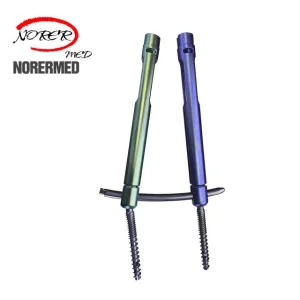
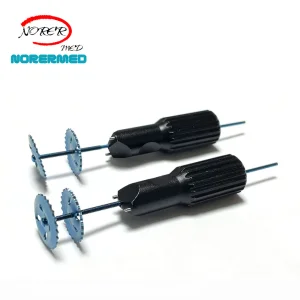
A successful spinal operation is impossible without precise surgical tooling. We deliver customized, sterile-compatible, modular spinal instrumentation kits (pedicle screw screwdrivers, insertion guides, bone taps, and distraction tools) that integrate seamlessly into Baku's operating theaters.
Our implants undergo rigorous static and dynamic fatigue tests (ASTM F1717 / ASTM F2077 standards) simulating up to 5 million load cycles. This guarantees structural integrity and prevents construct breakage under intense physiological movements.
Through strategic partnerships with air freight handlers serving Baku's Heydar Aliyev International Airport (GYD), we bypass the bottlenecks common with regional trading brokers, dispatching cargo from Changzhou with reliable tracking and minimal lead times.
Learn more about DEON Medical's production power located in Changzhou, China—a global hub for advanced medical device engineering.
By dealing directly with DEON Medical, procurement departments in Azerbaijan eliminate complex supply chains. We operate a streamlined precision factory equipped with multi-axis Japanese CNC turning centers and automated milling units.
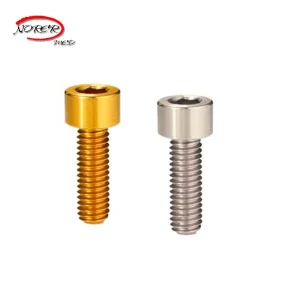
This localized manufacturing process allows us to control tolerances within ±0.01 mm, which is vital for the threads of pedicle screws and cervical cages. It ensures predictable osteotomy fusions and flawless mechanical stabilization.
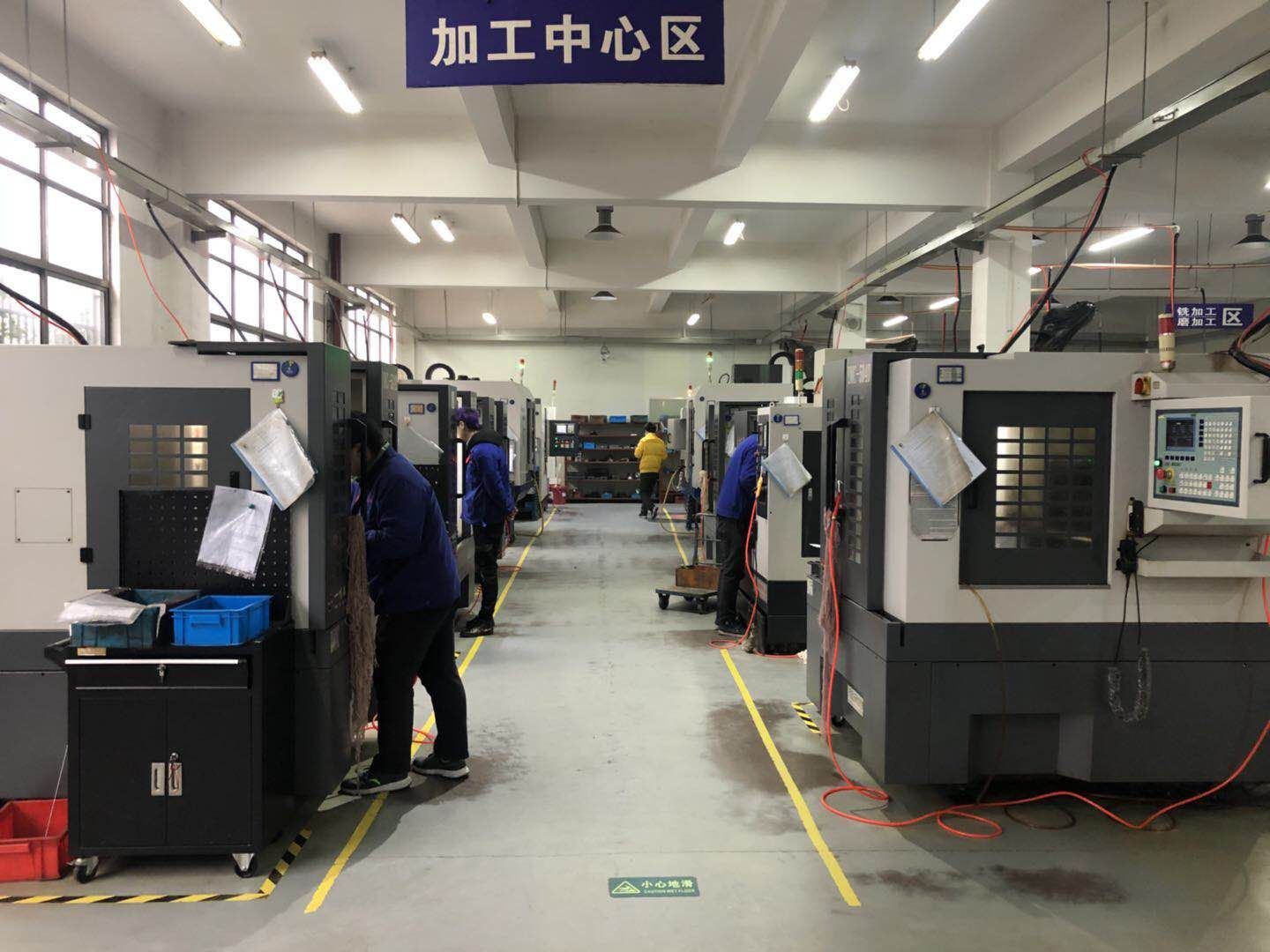
Multi-Axis CNC Precision Lathe Machining
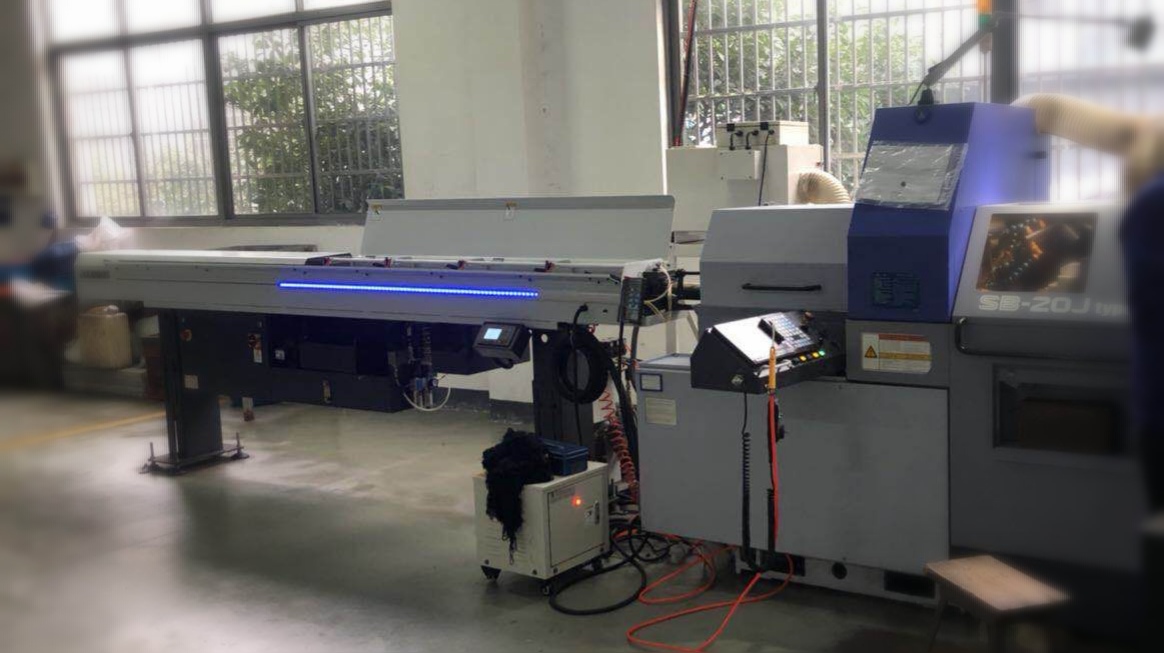
Strict Quality Control & Tolerance Inspections
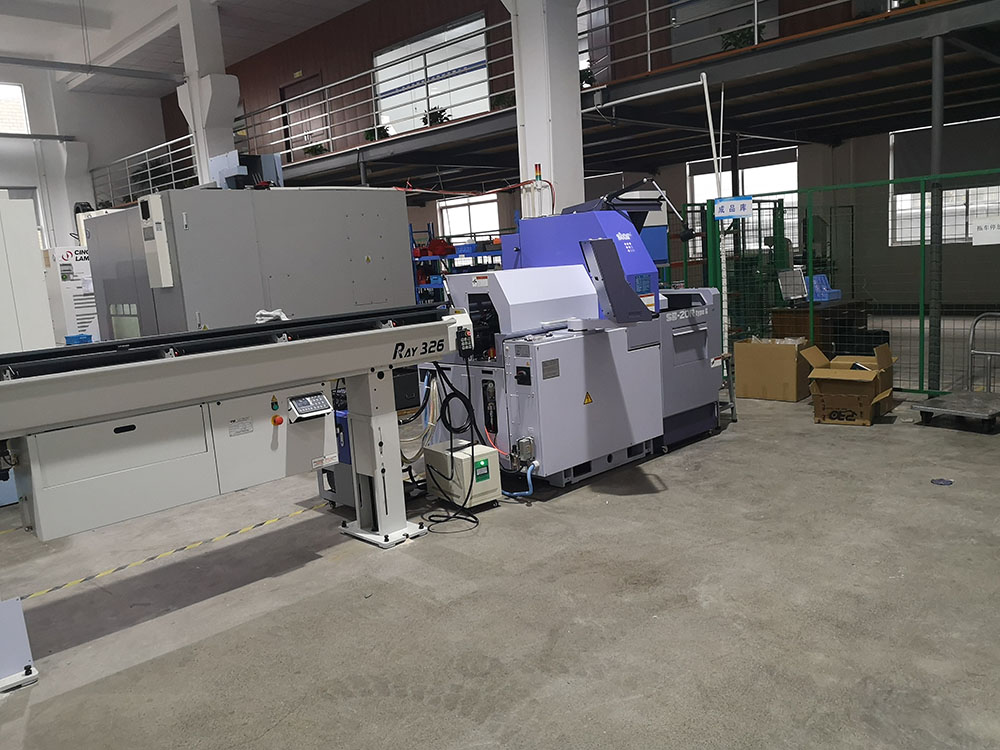
Completed Medical Implant Portfolio ready for shipping
Analyzing localized scenarios where DEON spinal implants yield the highest efficacy in Azerbaijani neurosurgical units.
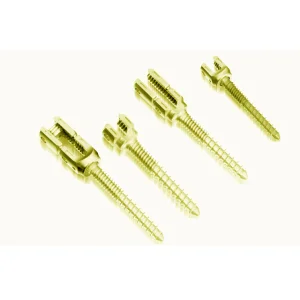
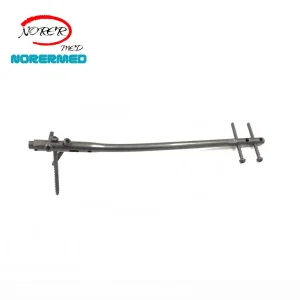
Azerbaijan’s industrial and transit networks face heavy freight traffic, leading to complex spinal fracture cases. Our Monoaxial and Polyaxial Titanium Pedicle Screws offer high pullout strength, providing immediate mechanical stabilization for patients recovering from acute thoracic and lumbar burst fractures.
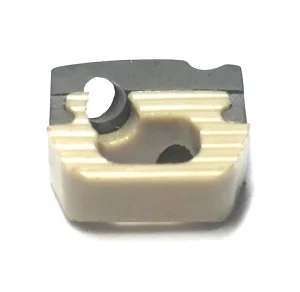
With a growing demographic shift in urban Baku, hospitals face a high volume of age-related spinal stenosis and disc degeneration. The PEEK Lumbar TLIF and Cervical ACIF cages mimic the modulus of human bone, optimizing graft fusion rates while minimizing postoperative subsidence risks.
For spinal deformities like scoliosis or sagittal misalignment, our interlocking systems allow for precise, multilevel contouring. This provides surgeons with customizable options to restore natural lumbar lordosis and balance sagittal parameters effectively.
The orthopedic industry is rapidly transitioning toward bio-active, nano-textured interfaces. DEON Medical is investing in research to integrate 3D-printed porous titanium implants into our production catalog. These implants feature interconnected micro-pores that promote direct bone ingrowth (osseointegration) rather than simple fibrous adaptation.
Additionally, we are developing surface-treated PEEK matrices coated with ultra-thin layers of hydroxyapatite (HA). This technology preserves the beneficial elastic properties of PEEK while significantly accelerating early-stage bone-to-implant contact—allowing patients in Azerbaijan to return to work and daily life much faster.
We are also refining our minimally invasive surgery (MIS) systems, reducing the tissue trauma associated with spinal surgery and helping local clinics decrease postoperative recovery times.
Importing medical devices into Azerbaijan requires navigating the registration procedures of the Analytic Expertise Center (AEC) of the Ministry of Health of the Republic of Azerbaijan.
We support local distributors by providing complete documentation packages, including:
Answers to key technical and logistical questions for Azerbaijani medical directors, orthopedic surgeons, and importers.
Engineered for high mechanical stability and biocompatibility to support a wide range of orthopedic surgeries.
 Deon Medical