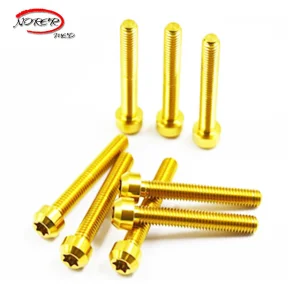
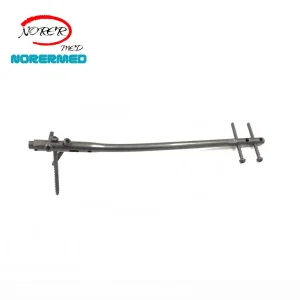
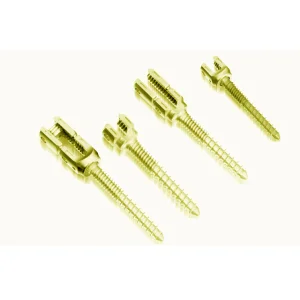
Engineered for high mechanical stability and biocompatibility, these primary configurations support immediate surgical interventions across Luzon, Visayas, and Mindanao hospital networks.
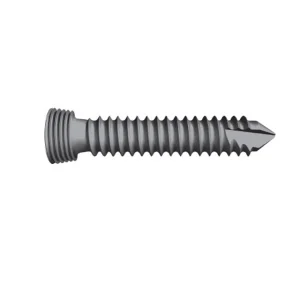
Understanding the micro and macro-economic factors driving demand for high-quality, cost-effective orthopedic implants across the archipelago.
The healthcare sector in the Philippines is undergoing a transition driven by demographic shifts, urbanization, and a high incidence of trauma injuries. According to the Department of Health (DOH) and the Philippine Statistics Authority, road traffic accidents, occupational injuries, and age-related degenerative bone diseases are major contributors to orthopedic hospital admissions. As urban density increases in metropolitan centers like Metro Manila, Metro Cebu, and Metro Davao, the public health sector faces consistent pressure to supply high-strength fixation systems.
However, the Philippine orthopedic supply chain remains heavily reliant on imported medical devices. Local distributors face the dual challenge of sourcing high-quality products that meet rigorous international standards (such as ISO 13485 and CE marking) while remaining financially viable within the PhilHealth Z-Benefit Package and case-rate reimbursement structures. This creates a critical demand for direct partnerships with established manufacturers like DEON Medical who can bypass intermediary markups without sacrificing biological safety.
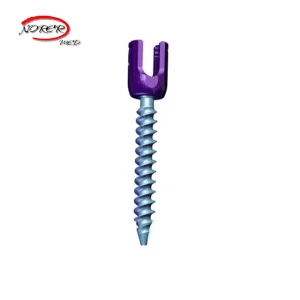
DEON Medical ensures that all orthopedic implants, including our locking plates, spinal pedicle screws, and intramedullary nails, are machined using medical-grade raw materials of certified origin. Our primary alloys include:
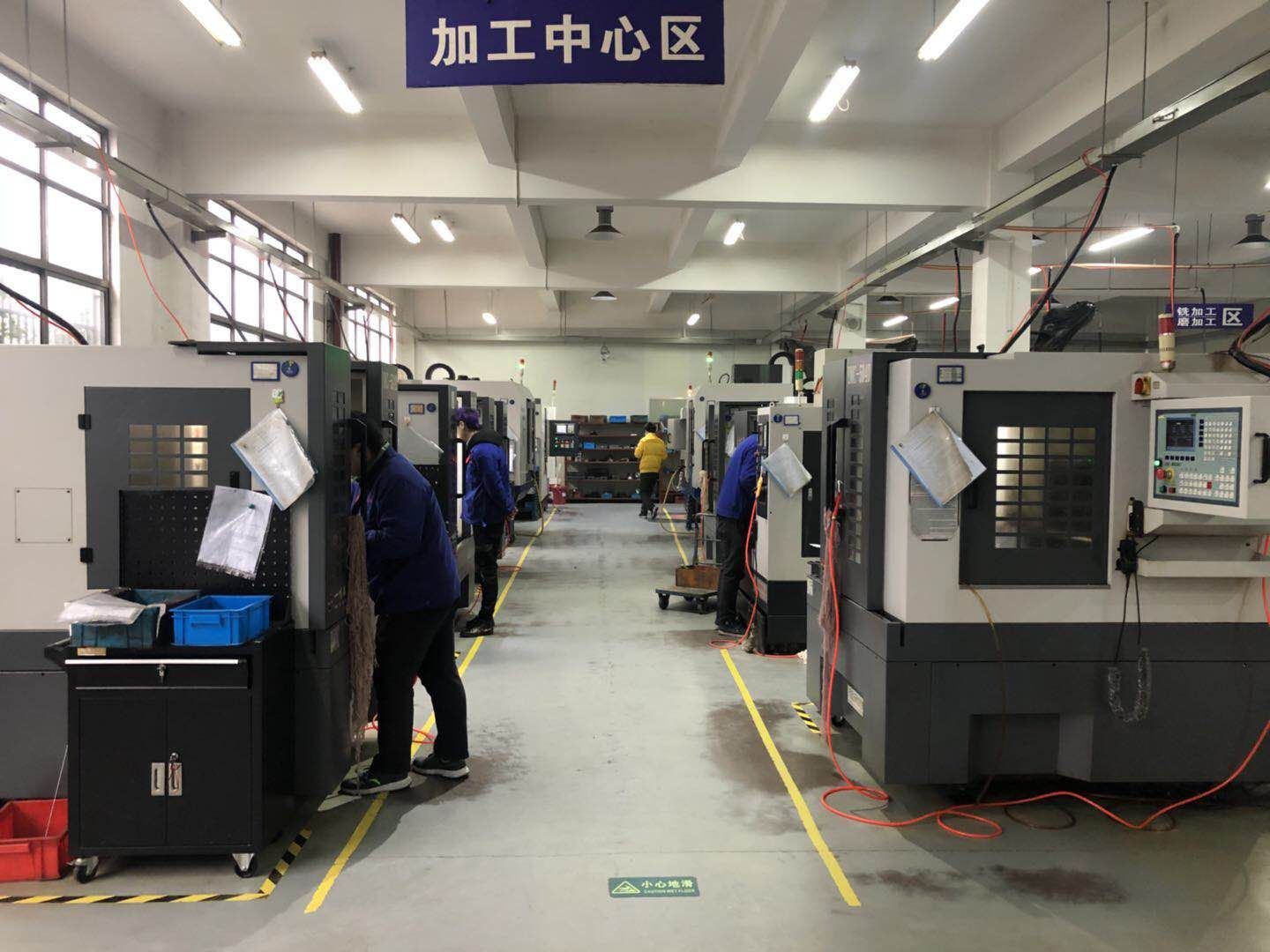
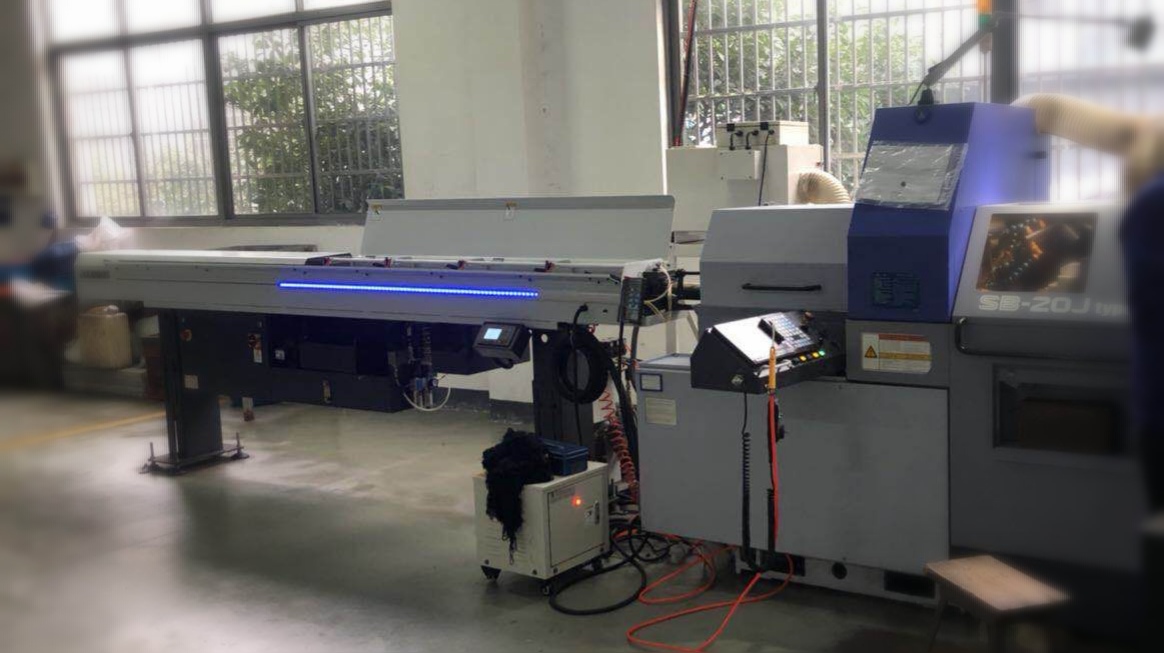
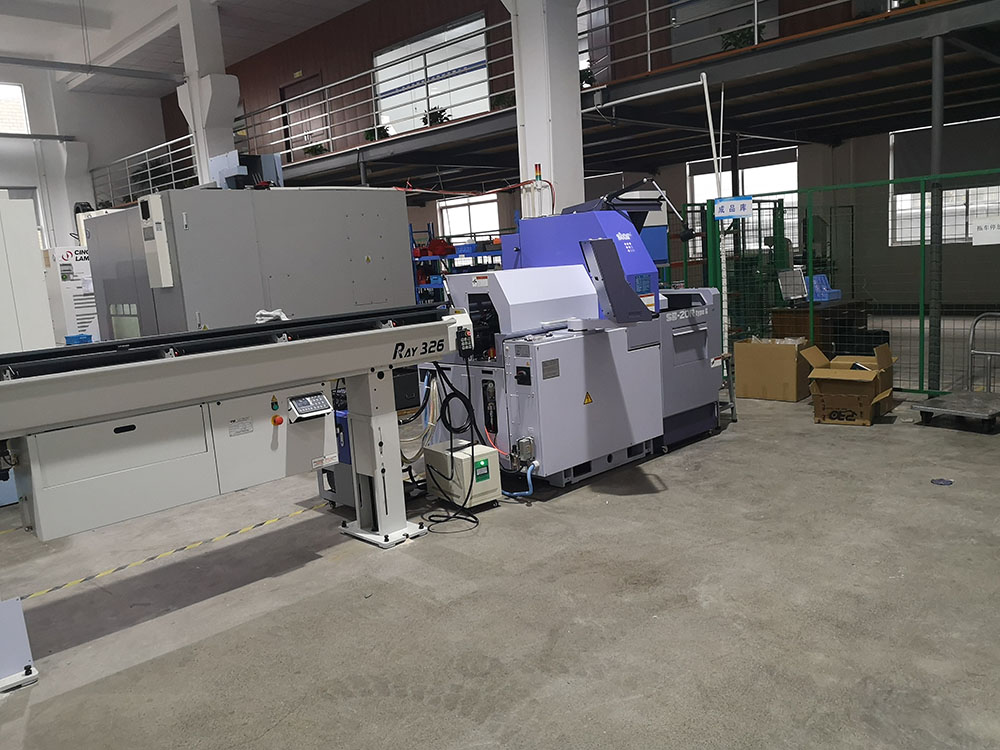
Our manufacturing center in Changzhou, China, utilizes multi-axis CNC Swiss-type machining lathes and precision milling centers to ensure dimensional tolerances within ±5 microns. This level of precision is critical for the thread engagement of locking screws and the stability of dynamic interlocking systems.
A comprehensive roadmap for Philippine medical device distributors to register and clear DEON Medical implants through local customs.
The importation and sale of medical devices in the Philippines are strictly regulated by the Center for Device Regulation, Radiation Health, and Research (CDRRHR) under the Food and Drug Administration (FDA) of the Philippines. Class B, C, and D medical devices, which include orthopedic implants and bone screws, require structured documentation to obtain the Certificate of Medical Device Registration (CMDR) or Certificate of Medical Device Notification (CMDN).
By leveraging the ASEAN-China Free Trade Area (ACFTA), registered importers in the Philippines can apply for a Form E Certificate of Origin. DEON Medical issues this certificate with every shipment to significantly reduce or eliminate import customs duties (often reducing tariffs from a baseline of 5-10% down to 0% for qualified orthopedic products). This directly improves the competitive margin of our local partners in Manila, Cebu, and Mindanao.
Explore our highly specialized implants and cages designed to address complex spinal corrections, cranioplasty, and orthopedic trauma surgeries in the Philippine healthcare sector.
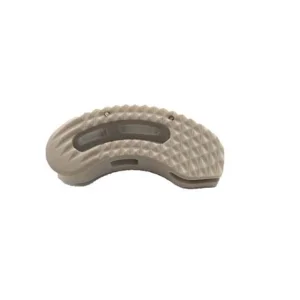
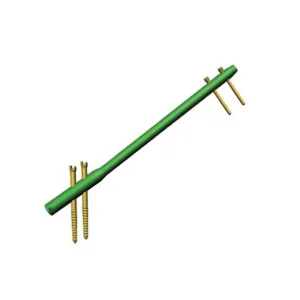
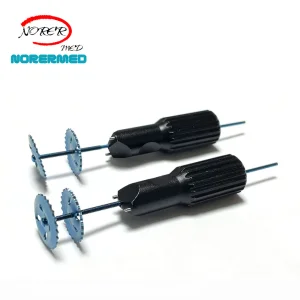
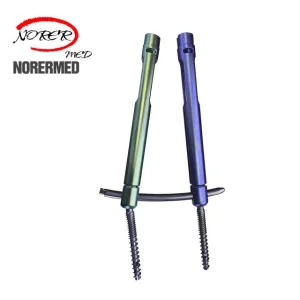
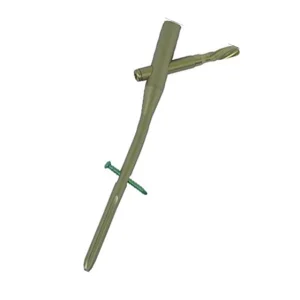
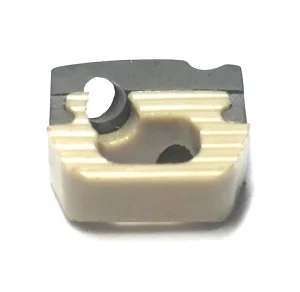
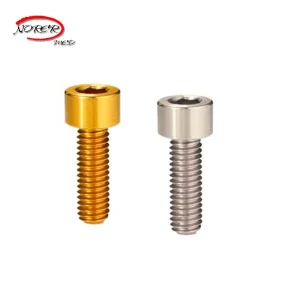
Also Available: Chinese Titanium Orthopedic Crosslink Rod for complex construct stabilization.
How DEON Medical resolves delivery and warehousing challenges to ensure safe arrival at Manila, Cebu, or Davao ports.
All implants undergo final ultrasonic cleaning in an ISO Class 7 cleanroom environment. Dual-sterile barrier Tyvek packaging preserves structural and biological integrity during long transit periods across warm tropical regions.
Impedance-matched laser etching on titanium surfaces provides unique device identification (UDI). This allows surgical technicians in Philippine regional clinics to verify lot codes, diameter, and lengths accurately.
We offer custom shipping arrangements using reliable air freight (Manila NAIA Terminal 1) and maritime channels (Port of Manila - South Harbor). Documentation is tailored to avoid local clearing blockages.
Partnering with DEON Medical ensures access to upcoming advancements in orthopedic implant engineering.
Implementing selective laser melting (SLM) to create micro-porous structures on PEEK and titanium spinal cages. This technology enhances osseointegration rates, satisfying the requirements of advanced orthopedic clinics in urban Luzon.
Developing transient fixation implants that dissolve safely within the body after bone healing is complete, eliminating the need for a secondary implant removal surgery—a cost-effective advantage for patients in provincial networks.
Integrating RFID and dynamic barcoding on sterilization cases, allowing Philippine hospitals to monitor real-time stock levels of surgical components during high-intensity trauma scenarios.
Expert answers addressing the primary regulatory, commercial, and technical inquiries of hospital procurement managers and distributors.
 Deon Medical