A curated selection of our high-demand veterinary and human orthopedic implants, optimized for French medical procurement departments and specialist surgical groups.
Exploring the commercial, regulatory, and technical shifts across France's trauma and reconstructive clinics.
The French orthopedic trauma sector is characterized by its high demands for clinical safety, administrative audit trails, and product longevity. As a key segment within the French medical device market, external fixation systems are increasingly regulated under the Medical Device Regulation (MDR EU 2017/745). This framework places stringent responsibility on hospitals, regional purchasing networks (such as UniHA and Resah), and private clinical operators to procure external fixators that guarantee bio-compatibility, biomechanical stability, and complete traceability.
In France, trauma units face a dual challenge: rising admissions due to sports-related injuries (particularly in the Alpine and Pyrenean regions) and road accidents, alongside a growing geriatric population requiring minimally invasive fracture stabilization for osteoporotic bone. The choice of external fixation components is shifting towards hybrid configurations—combining traditional ring fixators with modular pin-to-bar systems. Surgeons demand lightweight, radiolucent carbon fiber rods and high-grade titanium pins to achieve stable stabilization while allowing intraoperative and post-operative fluoroscopic evaluation without artifact interference.
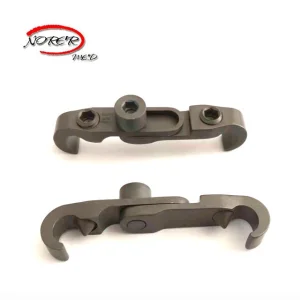
French healthcare providers also show a distinct preference for system modularity. Rather than ordering monolithic, single-purpose fixation assemblies, procurement managers prioritize suppliers that offer standardized, inter-compatible clamps, rod connectors, and self-drilling pins. This standardization reduces inventory storage costs across regional health networks (GHT - Groupements Hospitaliers de Territoire) and simplifies sterile processing department (Sterilization Centralized Departments) workflows.
A micro-analysis of modern biomechanics, manufacturing materials, and international supply security.
On a global scale, the orthopedic external fixation sector is undergoing a technology-driven transformation. While traditional stainless-steel frames remain standard in specific developing regions due to cost parameters, developed economies are pivoting quickly to Grade 5 Titanium (Ti-6Al-4V ELI) and carbon-fiber reinforced polyetheretherketone (CFR-PEEK). These materials provide superior fatigue resistance and are highly biocompatible, mitigating the risks of pin-tract infection and mechanical loosening.
The international supply chain is highly consolidated, with major Western brands traditionally commanding premium prices. However, this has created a systemic bottleneck for global healthcare organizations requiring scalable, cost-efficient trauma hardware. The emergence of specialized medical manufacturing clusters in East Asia, particularly in Changzhou, China, has disrupted this dynamic by delivering equivalent mechanical performance, material certifications, and micro-machining tolerances at a competitive price point.
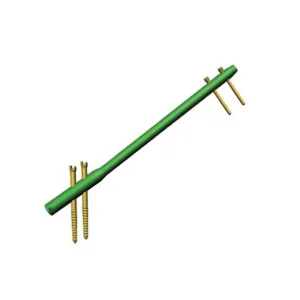
Engineered to absorb axial and torsional loading forces, protecting microvascular structures during initial bone consolidation.
Standardized serrations and tightening geometries prevent slippage under sudden impact loads, ensuring long-term construct integrity.
Utilizing high-purity medical-grade titanium rods to maximize biocompatibility and osseointegration properties near pin insertion zones.
Internationally, external fixation is no longer considered merely a temporary bridge to internal fixation. With the refinement of circular frames and computer-aided hexapod deformity correction software, external fixation is regularly used for definitive fracture care, non-union corrections, and complex limb lengthening procedures. Consequently, suppliers must ensure their product lines encompass pin-to-rod connectors, multi-pin clamps, and ring components that integrate seamlessly with surgical instrumentation.
How precision engineering, raw material integration, and high-volume scalability benefit European partners.
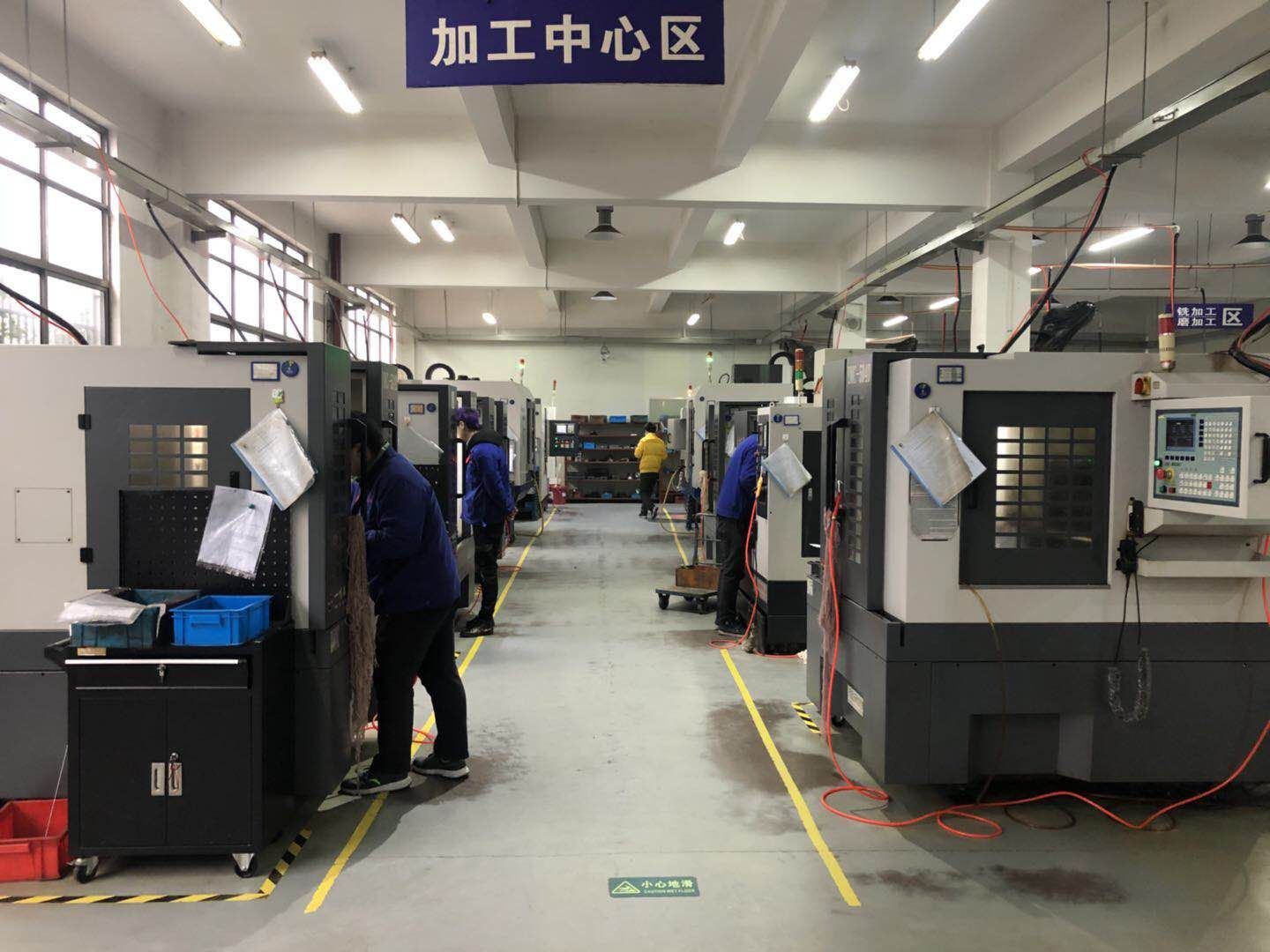
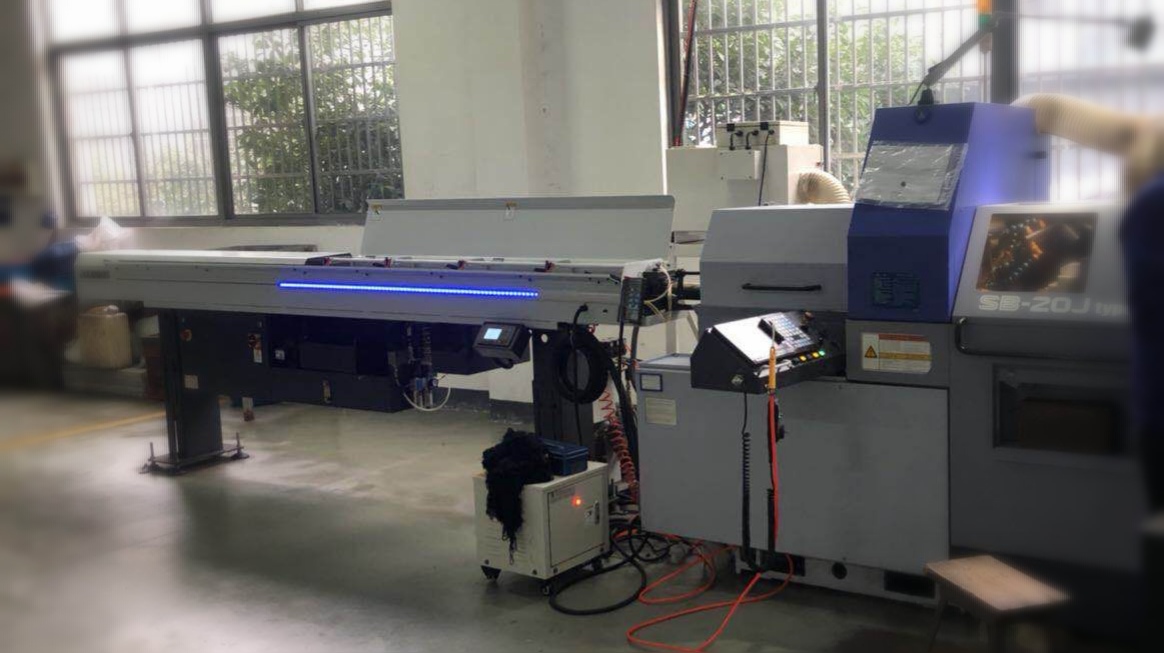
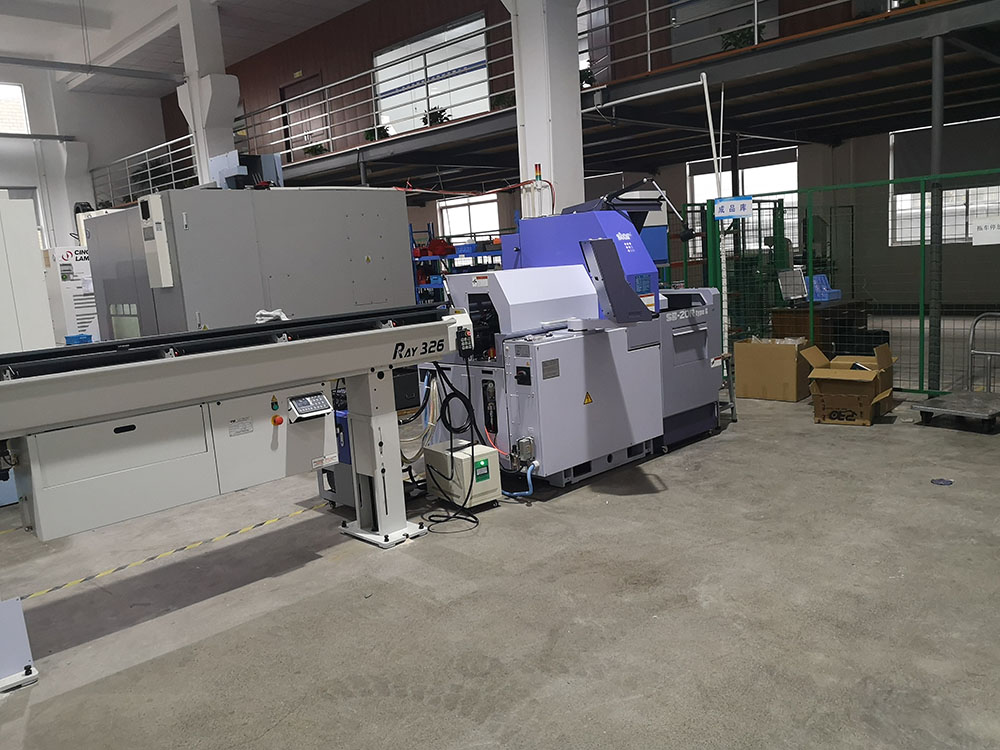
Our manufacturing facility, located in the prominent medical instrument industrial cluster of Changzhou, Jiangsu Province, represents the peak of Chinese medical hardware engineering. Far from simple assembly lines, our manufacturing ecosystem leverages high-speed Swiss-type CNC sliding-head lathes, multi-axis machining centers, and automated ultrasonic cleaning stations that comply with strict class 100,000 cleanroom requirements.
This high concentration of supply chain partners in Changzhou allows us to raw-source medical grade PEEK and Titanium materials, complete thermal treatment processes, anodize components, and perform mechanical stress profiling within a tight geographic radius. For French and European distributors, this industrial structure offers substantial advantages:
Raw material purchasing volume and optimized machining toolpaths allow us to reduce per-unit costs by 30-40% compared to local European boutique manufacturers.
Every manufacturing batch receives independent chemical analysis, mechanical tensile strength profiling, and ultrasonic defect scanning with complete batch-code tracking.
Our engineering team can modify pin sizes, thread pitches, and clamp profiles within days based on clinical feedback from French veterinary and human orthopedics professionals.
Furthermore, our facility is ISO 13485 certified, demonstrating that our quality management system is designed specifically to meet the expectations of medical-grade device manufacturing. By bridging the gap between high-volume efficiency and rigorous safety testing, we offer French partners a resilient backup or primary supplier base for emergency trauma and spinal fixation systems.
Practical implementation pathways for external fixators in human emergency surgeries and veterinary clinics.
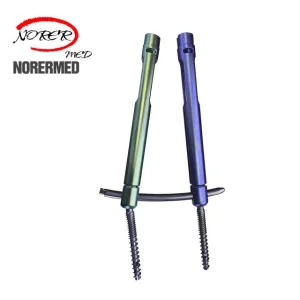
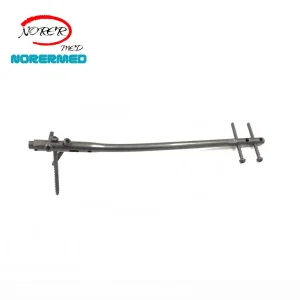
In metropolitan hospitals like Hôpital de la Pitié-Salpêtrière in Paris, fast stabilization is crucial. Our modular pin-to-bar systems allow rapid percutaneous pin insertion under C-arm guidance, stabilizing complex tibia and femur fractures in under 30 minutes, minimizing further soft-tissue disruption and blood loss.
French ski resorts regularly handle complex joint fractures and open bone lesions. In clinical facilities across Grenoble and Chambéry, external fixators provide temporary joint bridging. Our non-corrosive, anodized components withstand variable temperatures and moisture, maintaining biomechanical alignment during patient transport.
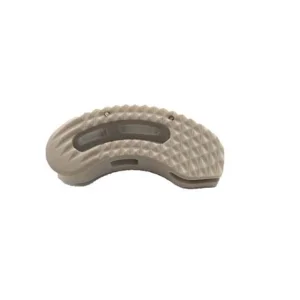
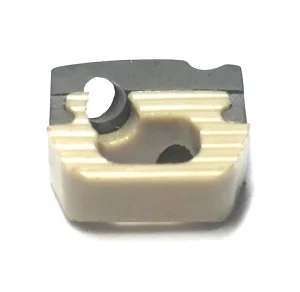
French veterinary hospitals (CHV) and research clinics in Lyon and Nantes manage severe bone deformities and complex fractures in companion animals and sport horses. Our mini-external fixators and PEEK lumbar cages are designed to provide maximum structural support for animal patients under high dynamic loads.
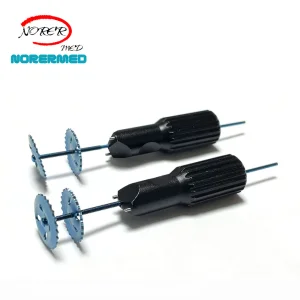
To ensure success in these demanding environments, we verify that our fixators support autoclave steam sterilization protocols standard in French central sterilization departments. Furthermore, our color-coded instrumentation sets reduce surgical errors, allowing nursing staff and surgical assistants to select the appropriate wrenches, pin guides, and drill sleeves during critical emergency operations.
How to balance inventory turns, shipping routes, customs clearance, and regulatory compliance.
Importing medical implants into France requires close attention to import protocols. As a seasoned manufacturer and exporter, we work alongside French distributors to ensure customs documentation, commercial invoices, packing lists, and certificate of conformance (CoC) documents are aligned to prevent delays at the Port of Marseille or Charles de Gaulle Airport.
To maintain a reliable supply chain, we recommend that French distributors utilize a split-buffer inventory strategy: maintaining 3 months of standard modular clamps and orthopedic screws locally in France, backed by our manufacturing reserve in Changzhou for monthly scheduled shipments. This strategy mitigates shipping fluctuations and provides stability during high-demand trauma seasons.
Transparency and quality assurance from DEON Medical (Changzhou) Co., Ltd.
| Company Name | DEON Medical (Changzhou) Co., Ltd. |
| Company Location | Jiangsu, China (Changzhou Medical Cluster) |
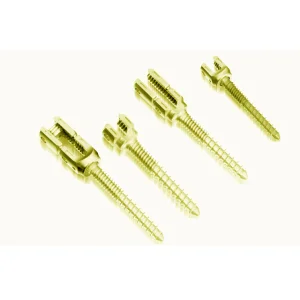
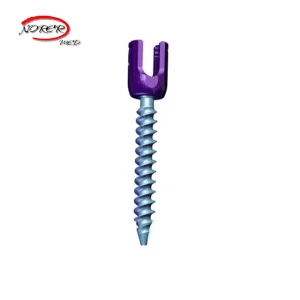
| Core Manufacturing Portfolio | Orthopedic Trauma Bone Plates, Bone Screws, Interlocking Nails, Spine Pedicle Screws, Cervical Plates, PEEK Cervical & Lumbar Cages. |
| Team Capacity | 11 - 50 Technical Specialists & Quality Engineers |
| Global Partnership Duration | 10+ Years of International OEM/ODM Export Experience |
Established as a dedicated manufacturer, DEON Medical integrates design, precision machining, and strict quality control processes. Our manufacturing facility uses multi-axis machining tools to ensure consistent tolerances on every bone plate, interlocking nail, and locking screw we produce.
Complete your procurement requirements with our CE-certified titanium fixation systems, trauma nails, and customized spinal components.
Direct answers addressing regulatory, technical, and logistics queries for French and European buyers.
 Deon Medical