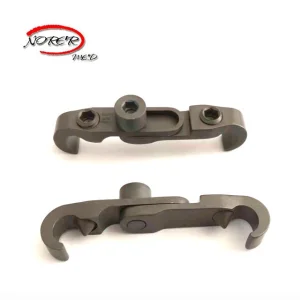
Premium biomaterial constructs and locking implants engineered for absolute stability in complex clinical configurations.
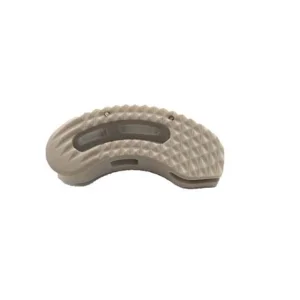
Designed with medical-grade PEEK for advanced biological fusion and mechanical properties mimicking natural bone density.
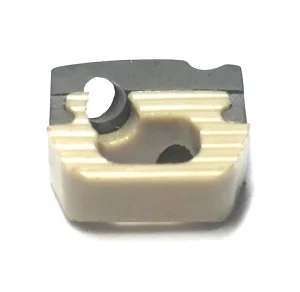
Features self-locking mechanisms optimized for cervical spinal stability and fusion acceleration.
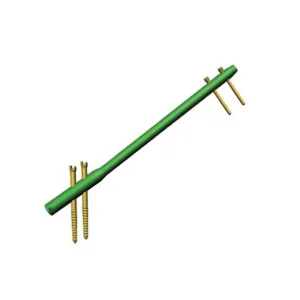
Advanced intramedullary system offering dynamic locking properties to support rapid weight-bearing mobilization.
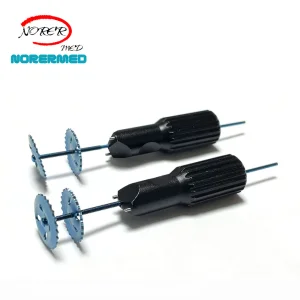
Engineered for secure cranial bone flap fixation during neurosurgery, ensuring fast recovery and high patient safety.
Japan represents one of the most mature medical markets globally, characterized by an exceptionally aging demographic. The demand for advanced orthopedic external fixation systems is primarily driven by three critical clinical realities: complex trauma management from geriatric falls, non-union or delayed union fractures, and limb-lengthening reconstructive surgeries. Japanese orthopedic surgeons are globally recognized for their meticulous approach to biomechanical stability and patient outcome metrics.
Standard clinical practices in major trauma centers throughout Tokyo, Osaka, and Kyoto emphasize rapid mobilization and minimized surgical intrusion. Consequently, external fixator systems imported or distributed within Japan must exhibit unparalleled rigidity, precise adjustments, and low profile weights. Frame-based construct models, including circular Ilizarov systems and modular pin-to-bar systems, require specialized configurations that respect the smaller bone morphologies frequently encountered in Japanese geriatric cohorts.
Entering the Japanese orthopedic market demands adherence to rigorous quality standards set by the Pharmaceuticals and Medical Devices Agency (PMDA). Under the Japanese Pharmaceutical Affairs Act (PMD Act), orthopedic implants fall under Class III medical devices, mandating comprehensive clinical trials, biological safety dossiers, and strict compliance with the Japanese Quality Management System (QMS) Ordinance.
Foreign manufacturers must cooperate with a designated Marketing Authorization Holder (MAH) or Designated Marketing Authorization Holder (DMAH) in Japan. The technical documentation must demonstrate exceptional biomechanical evaluation protocols, fatigue test profiles under ISO 7206 guidelines, and surface characterizations. DEON Medical ensures all manufactured trauma devices, including external fixator components, locking bone plates, and pedicle systems, are designed and fabricated with documentation packages aligning with ISO 13485 and PMDA pre-market review structures.
An in-depth look into the metallurgical structures, stability analysis, and mechanical integrity of modern fixation devices.
The choice of materials directly impacts tissue compatibility and load-bearing properties. The usage of medical-grade Titanium Alloys (Ti-6Al-4V ELI) according to ASTM F136 standards provides superior strength-to-weight ratios compared to traditional stainless steel. Titanium structures minimize CT/MRI artifacts, allowing precise postoperative radiographic assessment.
Stability in external fixation relies on construct design. Pin placement angle, clamp spacing, and rod diameter determine axial, bending, and torsional stiffness. Advanced systems employ dual-rod structures and hydroxyapatite-coated half-pins to resist pin loosening and minimize the risk of pin-track infections during long-term placement.
Modern external fixators are not merely static supports; they serve as active correction frames. Features such as multi-planar adjustments, modular pin configuration clamps, and telescopic compression-distraction bars allow orthopedic surgeons to adjust alignment post-operatively, aligning with modern orthofixation kinematics.
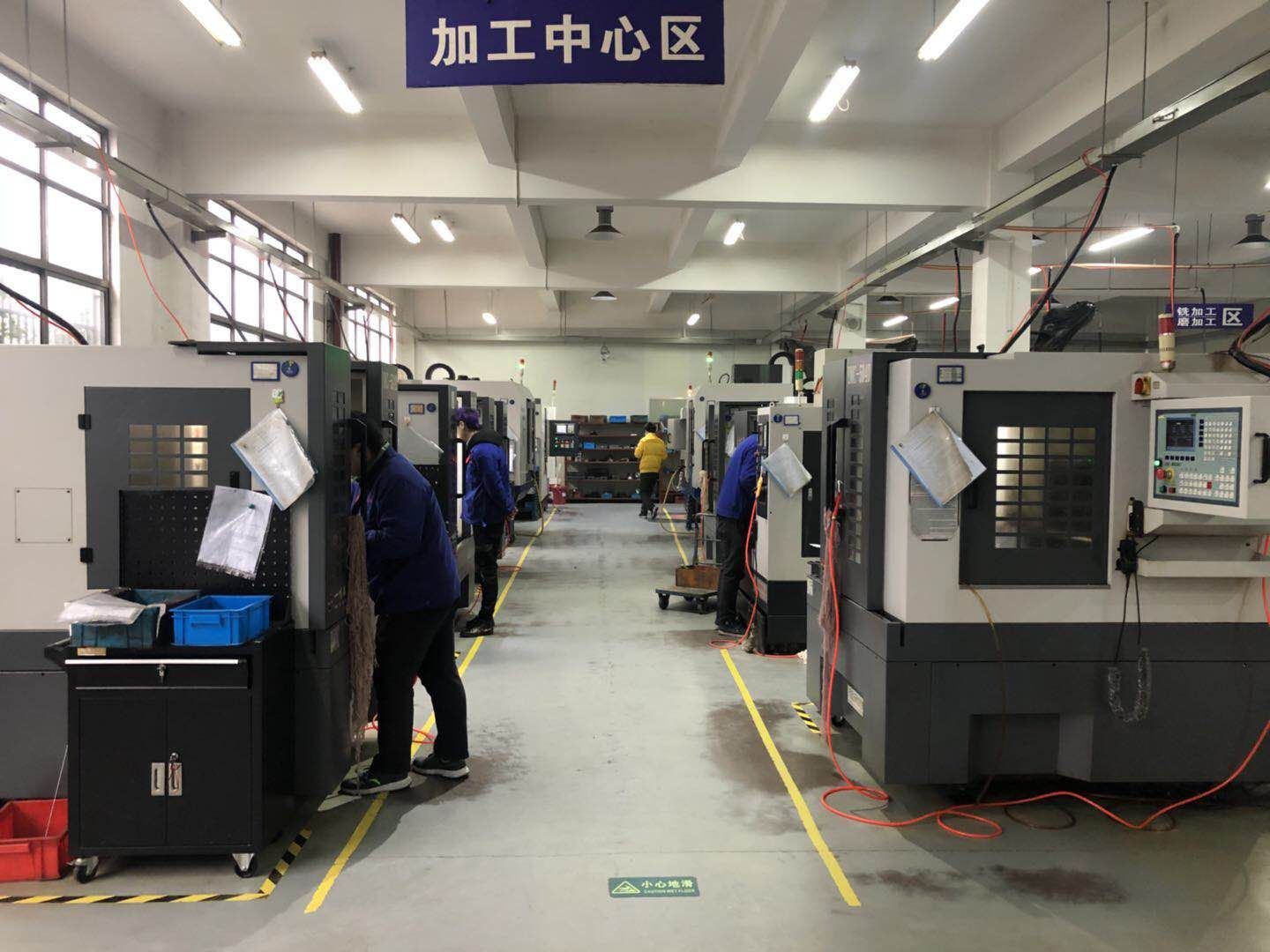
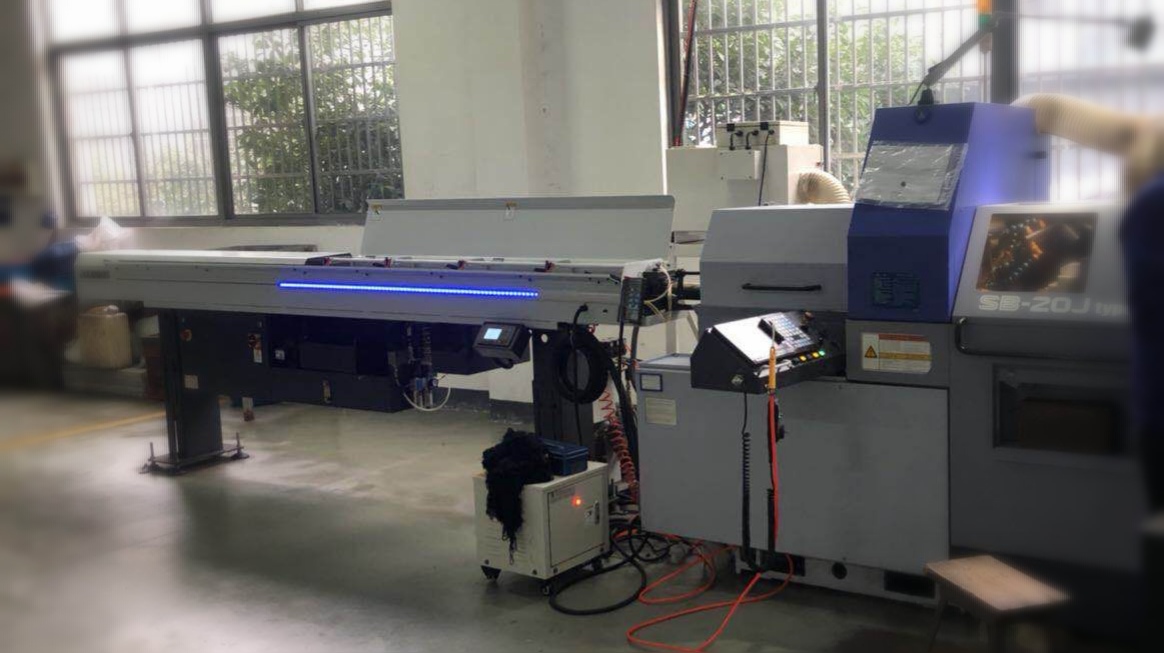
Located in the heart of China’s medical device manufacturing hub in Changzhou, DEON Medical leverages a highly optimized supply chain that delivers world-class precision implants. This regional cluster offers integrated access to raw material testing, advanced precision tooling, multi-axis CNC Swiss machining, and professional anodization processing. By streamlining these supply chain components, DEON Medical achieves high-speed turnaround times while preserving the meticulous quality control required for high-risk implants.
For Japanese medical suppliers and global procurement officers, the cost benefit is clear. DEON Medical offers an alternative to expensive Western-brand orthofixation products without sacrificing metallurgical standards. Rigorous incoming raw material inspections, automated dimensional measurement procedures, and ultrasonic cleaning systems ensure that every batch of titanium bone pins, external clamps, and locking plates meets the most demanding criteria.
Our production framework complies with ISO 13485 regulations. This compliance enables seamless validation transfers, ensuring that custom OEM or ODM products developed for the Japanese market match local clinical demands, regulatory safety limits, and sterilization protocols.
A trusted manufacturing partner delivering trauma, spinal, and cranial reconstructive solutions globally.
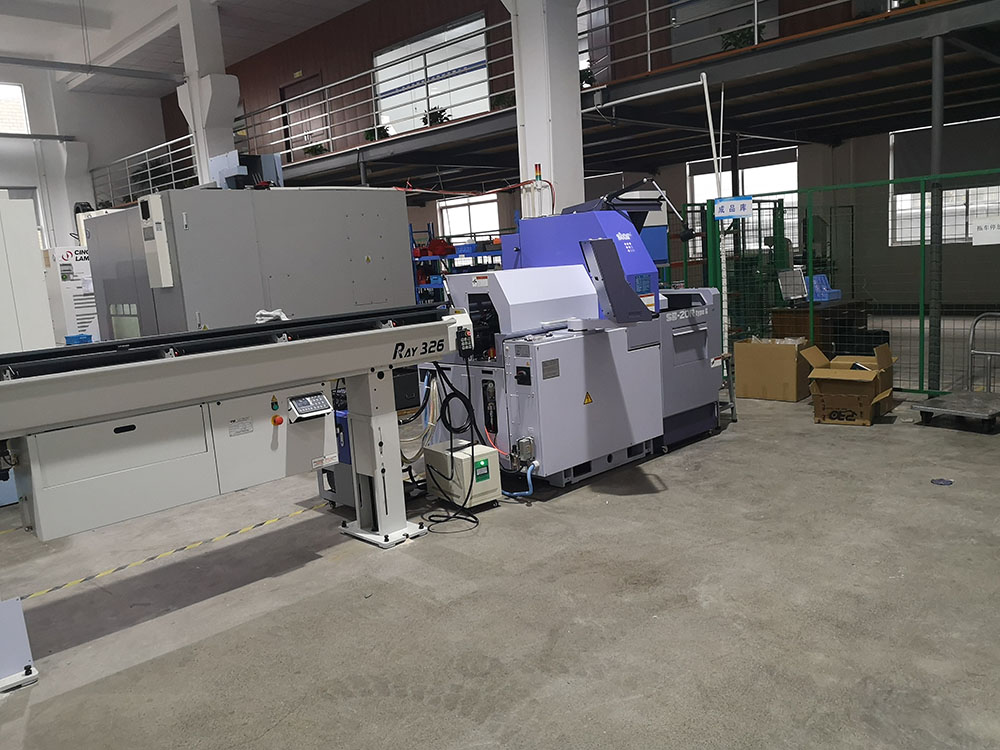
Our 10 years of export experience allow us to navigate complex logistics, custom clearance compliance, and technical validation processes. Whether you need standard trauma screws or custom external fixation brackets, our facility delivers high dimensional consistency, detailed material traceability records, and reliable packaging.
How our fixation systems address distinct clinical requirements across medical and veterinary networks.
Geriatric trauma cases in Japan require external fixator systems that achieve solid anchor points without stressing fragile bone matrices. Our fine-threaded half-pins and hybrid ring fixators distribute axial load evenly, preventing mechanical pull-out in osteoporotic bone tissue.
Japan’s high-value pet care market demands specialized implants. Small animal trauma surgeries utilize our veterinary-specific PEEK spinal cages and micro-fixation clamps, providing high-precision construct flexibility for canine and feline spinal and limb reconstructions.
Precise deformity correction and osteogenesis procedures rely on stable external fixators. Our components feature predictable thread pitches and carbon fiber structural elements, allowing detailed post-operative adjustment and stress-free radiographic follow-ups.
Premium medical hardware featuring high-grade titanium and specialized engineering designs for veterinary and human orthopedic applications.
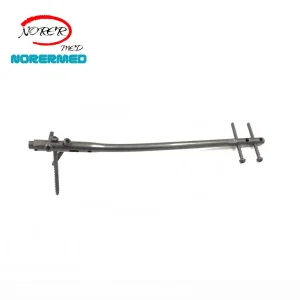
Advanced interlocking nail designed for optimal insertion path and maximum proximal/distal stability.
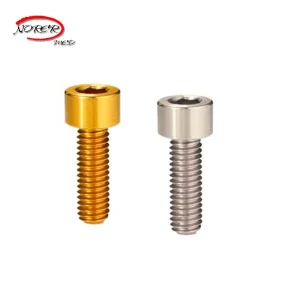
High-precision custom component manufacturing, meeting tight tolerances required for surgical instruments.
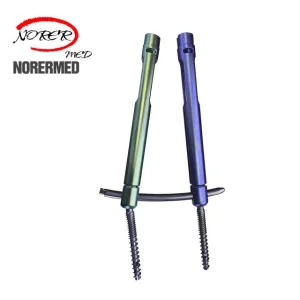
Engineered for small animal spinal fixation, reducing soft tissue trauma and recovery times.
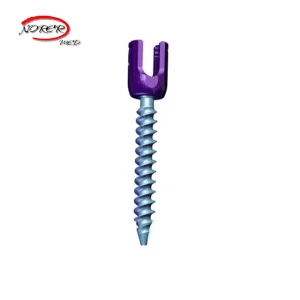
Uniplanar design provides highly adaptable locking pathways for anatomical correction of the spine.
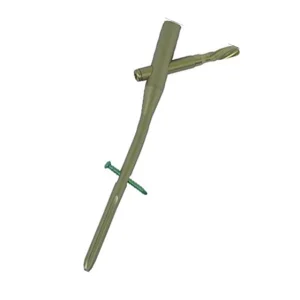
Optimized for proximal femoral fractures, providing high mechanical integrity and anti-rotation stability.
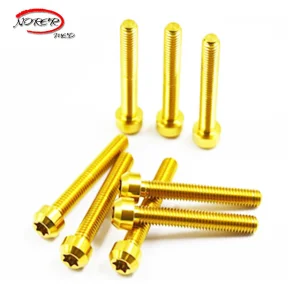
Direct supply of medical titanium rods and custom precision machining services for surgical systems.
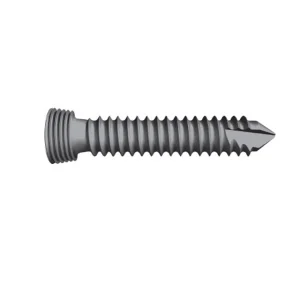
Standard locking screws featuring precise thread pitches and robust driver socket connections.
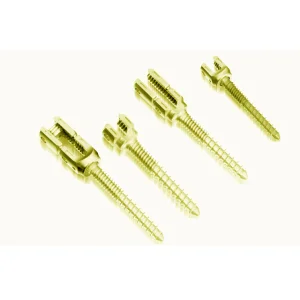
Monoaxial configuration providing rigid fixation for complex small-animal spinal stabilization.
High-performance crosslink connector designed to enhance the torsional rigidity of long posterior spinal construct alignments.
To maintain high reliability, our implants undergo exhaustive mechanical testing. External fixator assemblies are subjected to dynamic fatigue testing to evaluate construct integrity over thousands of cycles under simulated physiological loads. Standardized testing configurations replicate worst-case clinical scenarios, including long working lengths and single-bar construct structures.
Chemical analysis via Optical Emission Spectroscopy (OES) and Inductively Coupled Plasma (ICP) confirms raw material composition, ensuring pure grade-5 titanium and peak PEEK structures are free from contaminants. Tensile testing verifies yield strength, ultimate tensile strength, and elongation limits, ensuring that pins can be inserted without fracture risks and locking clamps hold tight without thread stripping.
Furthermore, cleanroom processes and automated passivation lines remove traces of machining oils and particulate matter. This reduces endotoxin levels and optimizes surface energy for superior bone integration or soft-tissue healing.
Technical details, ordering processes, and quality assurance workflows answered by our specialists.
 Deon Medical