Engineered to meet the exact parameters of Swiss clinical centers, these implant configurations represent our flagship offerings in bone-segment stability, complex cranial reconstruction, and specialized veterinary osteosynthesis.
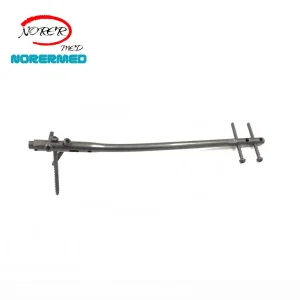
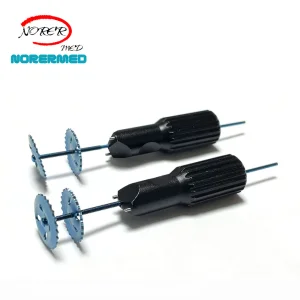
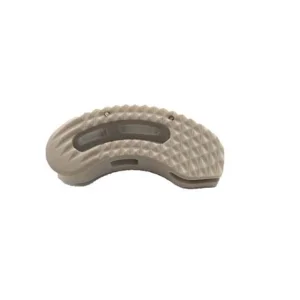
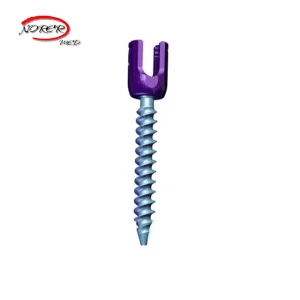
Switzerland is internationally recognized as the historical cradle of modern osteosynthesis and traumatology. From the pioneer contributions of the AO Foundation (Arbeitsgemeinschaft für Osteosynthesefragen) in Davos, Swiss surgical guidelines have consistently demanded the industry's absolute highest tolerances for orthopedic device design. External fixation, primarily used to manage unstable fractures, pelvic disruptions, and pediatric limb deformities, requires hardware that can withstand extreme biomechanical stresses while preventing infections and pin track instability.
In Swiss healthcare settings—ranging from the university clinics of Zurich and Geneva to specialized sports medicine centers in the Alps—surgeons prioritize rapid stabilization systems that minimize intraoperative time. These clinical standards demand components machined from certified surgical-grade Titanium alloys (such as Ti-6Al-4V ELI) and advanced carbon fiber composites. The integration of high-grade implants ensures optimal radiolucency, allowing surgeons to monitor bone healing accurately via radiographic imaging without significant scatter interference.
Designed to comply with rigorous clinical criteria, ensuring perfect mechanical fit and minimal tissue reaction at the pin-to-bone interface.
Production processes aligned with international ISO 13485 protocols, delivering absolute traceability from raw titanium billet to cleanroom packaging.
Optimized click-and-lock joints permit rapid external assembly, reducing general anesthesia time in polytrauma emergencies.
The global orthopedic medical device market is characterized by a balance between the high precision of design centers in Western Europe and the scalable, cost-efficient production lines in specialized medical clusters in China, such as the Changzhou Medtech Corridor. For Swiss distributors and hospitals, sourcing orthopedic external fixators requires selecting partners that bridge this gap—combining Swiss-level tolerance expectations with competitive pricing models that help control the rising costs of healthcare systems.
DEON Medical (Changzhou) Co., Ltd. serves as a reliable manufacturer in this global trade matrix. Located in Jiangsu, China, our specialized manufacturing facility benefits from mature precision-machining chains, enabling us to supply high-end trauma products that match European specifications. By executing rigorous quality checks and using high-grade biocompatible raw materials, we provide direct alternatives to expensive local manufacturers without compromising clinical performance.
The success of external fixation is deeply tied to its biomechanical architecture. The assembly must manage two main forces: axial stiffness to allow load-bearing and rotational stability to prevent micro-motion at the fracture gap. Our product lineup utilizes a combination of mechanical structures designed to optimize these variables.
This medical-grade alloy provides high specific strength and resistance to fatigue. Its low elastic modulus (closer to that of human cortical bone compared to stainless steel) reduces the risk of stress shielding. Furthermore, the passive oxide film that forms naturally on Titanium surfaces ensures high biocompatibility, reducing the rate of pin-track infections and local tissue inflammation.
For spinal applications (such as our TLIF and ACIF cages), PEEK offers a radiolucent profile that allows clinical staff to assess bone graft fusion through CT and MRI scans. The modulus of elasticity of PEEK matches human cancellous bone closely, optimizing stress distribution and reducing the risk of implant subsidence.
A key factor in external fixators is the clamping mechanism. Our systems employ a multi-pin clamping architecture that allows the surgeon to position pins independently in multiple planes. This flexibility is essential when navigating soft-tissue injuries or open wounds typical of high-energy trauma cases.
Direct transparency is a core pillar of our E-E-A-T principles. We invite our Swiss partners and global distributors to review our structured corporate capabilities.
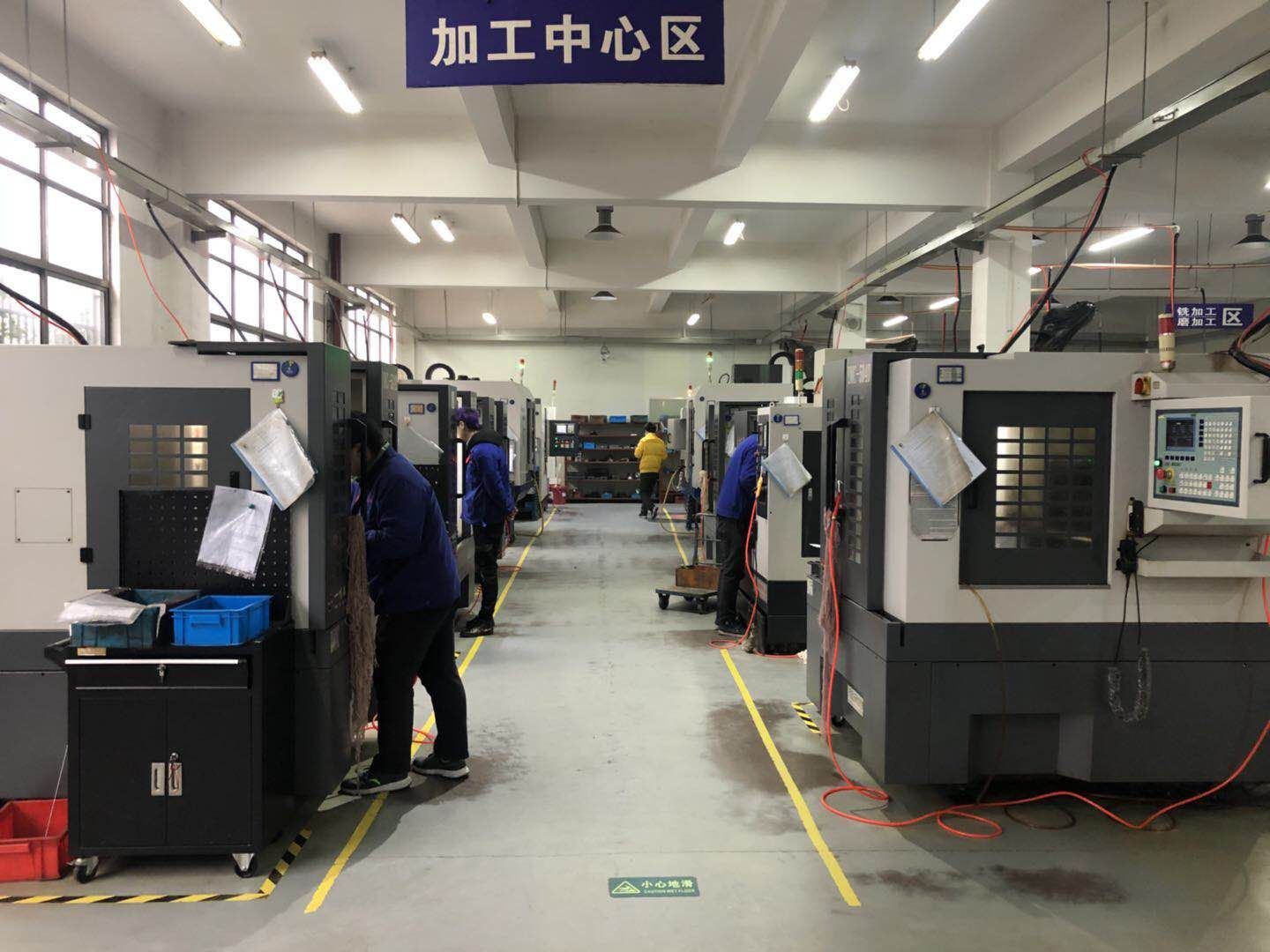
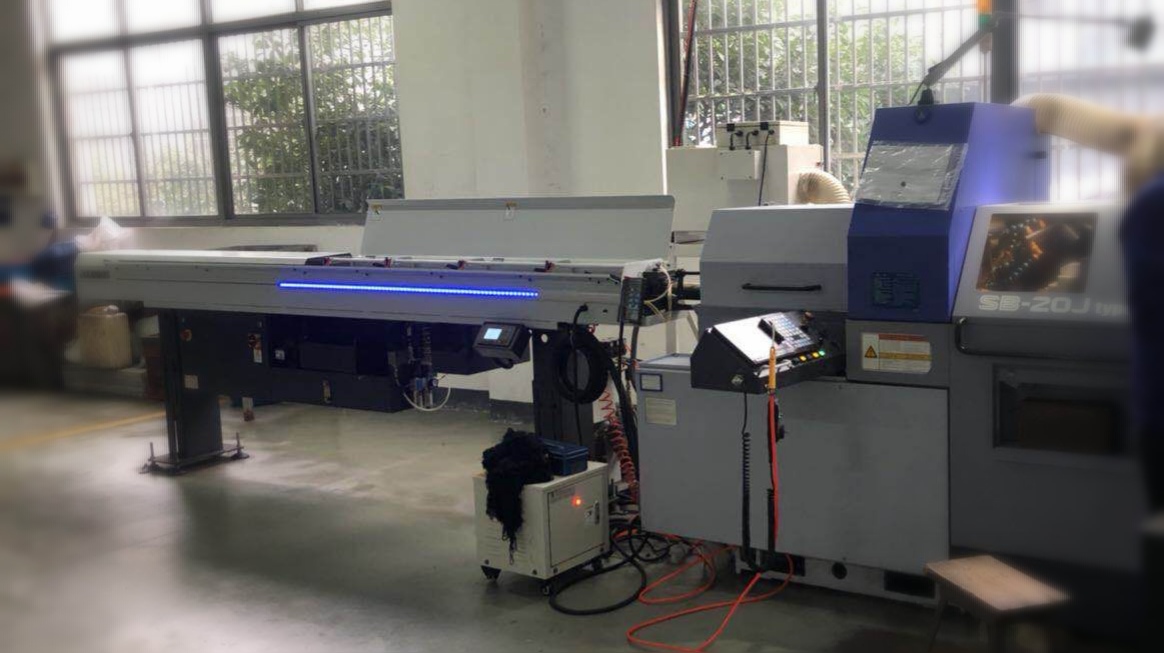
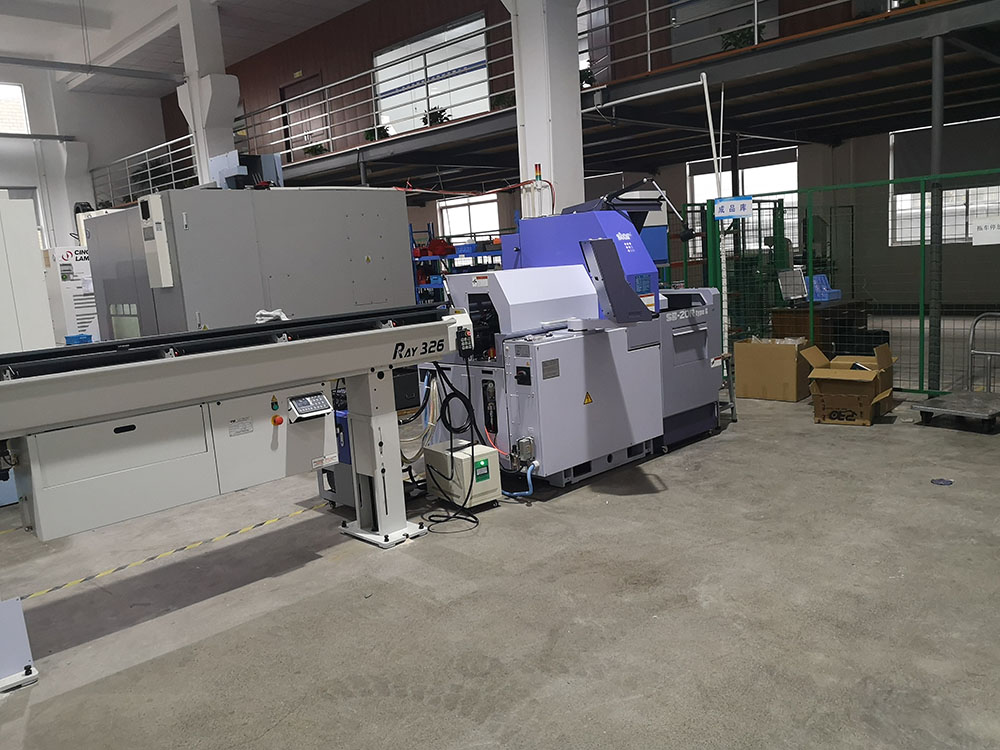
DEON Medical operates CNC machining centers, Swiss-type automatic lathes, and automated surface treatment lines. We provide comprehensive OEM/ODM solutions tailored to the strict regulatory demands of modern medical markets, including Switzerland and the European Union.
Select from our verified range of trauma implants, precision screws, and spinal reconstruction hardware, engineered to meet international clinical expectations.
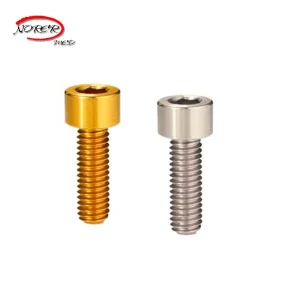
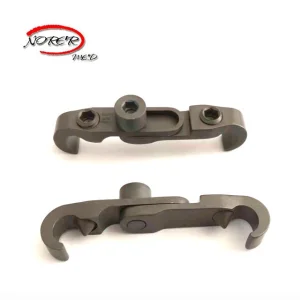
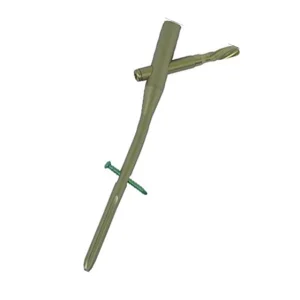
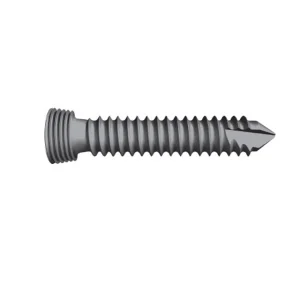
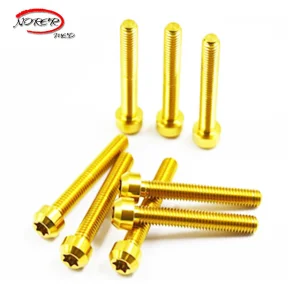
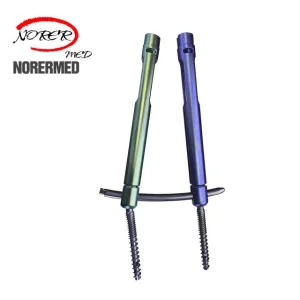
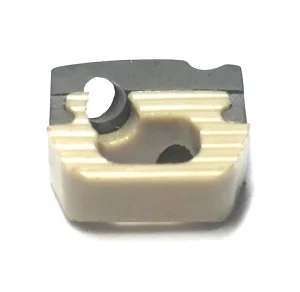
Our orthopedic trauma solutions are designed for specific clinical environments in Switzerland:
Switzerland's alpine economy attracts millions of skiers and mountaineers annually, resulting in complex, high-energy tibia, femur, and ankle fractures. Swiss trauma units require robust, stable external fixation configurations to immediately stabilize complex periarticular fractures. Our range of Titanium tibial and femoral interlocking nails, combined with lightweight external rods, supports rapid primary stabilization prior to definitive internal osteosynthesis.
The demographic trend in Switzerland is characterized by an aging population, leading to a higher incidence of osteoporotic fractures. Treating these patients requires implants that reduce the risk of implant failure in poor-quality bone. Our interlocking and Expert nailing configurations distribute stresses along the anatomical bone axis, lowering the risk of cut-out or secondary translation.
Swiss veterinary research clinics are pioneers in pet spinal and limb reconstruction. Utilizing specialized PEEK cages and mini-sized pedicle screw systems, Swiss veterinary surgeons can address spinal instabilities and complex fractures in companion animals, matching the quality of human clinical care.
Orthopedic fixation is shifting toward personalized care and smart implants. DEON Medical monitors these industry changes to prepare our product pipeline for future clinical needs:
We work with medical device distributors and importers in Zurich, Geneva, Basel, and Lugano to provide steady supply chains. We handle custom documentation, material certificates (MTR), and sterilization verification files to facilitate importation and distribution processes.
Our logistics team coordinates with international carriers to ensure prompt air freight delivery directly to Swiss warehouses. Every shipment includes comprehensive inspection sheets and material test certificates to maintain full compliance with institutional sourcing standards.
Answers to technical, regulatory, and logistics questions for Swiss medical procurement agents and orthopedic surgeons.
 Deon Medical