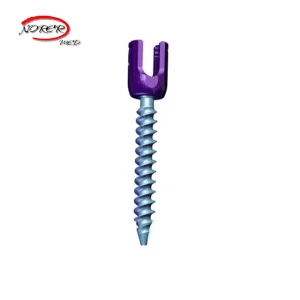
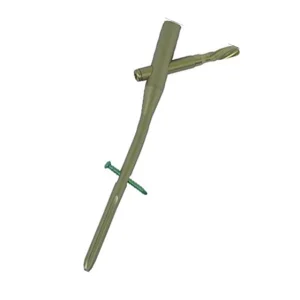
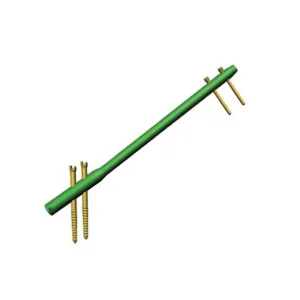
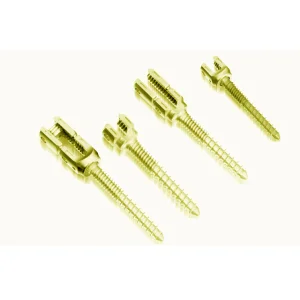
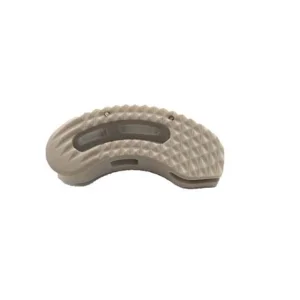
Premium medical-grade implants optimized for urgent trauma care and planned reconstructive neurosurgery.
The United Kingdom neurosurgical and orthopedic sectors are undergoing significant modernization, fueled by dynamic technological transitions within the National Health Service (NHS) trusts and private healthcare frameworks like Spire Healthcare and Circle Health Group. Cranial reconstruction (cranioplasty) is a critical procedure required after decompressive craniectomy, severe cranial trauma, or oncological resections. Because the human skull possesses complex curvatures and varying bone thicknesses, standard "one-size-fits-all" plates have rapidly given way to highly precise, patient-specific implants (PSIs) and modular cranial lock systems.
Historically, UK hospitals relied heavily on local European suppliers. However, post-Brexit regulatory transitions and persistent cost pressures within NHS budgets have compelled procurement departments to seek robust, high-volume international partnerships. Sourcing titanium cranial locks, mesh plates, and spinal implants from specialized ISO 13485-certified manufacturers in China has become a highly strategic option. These partnerships successfully balance clinical-grade biocompatibility with cost efficiency.
In contemporary UK neurosurgery, the choice of material for cranial reconstruction dictates long-term patient recovery and complication rates. Two primary materials dominate the market:
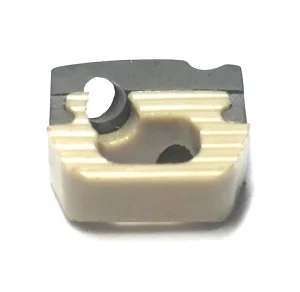
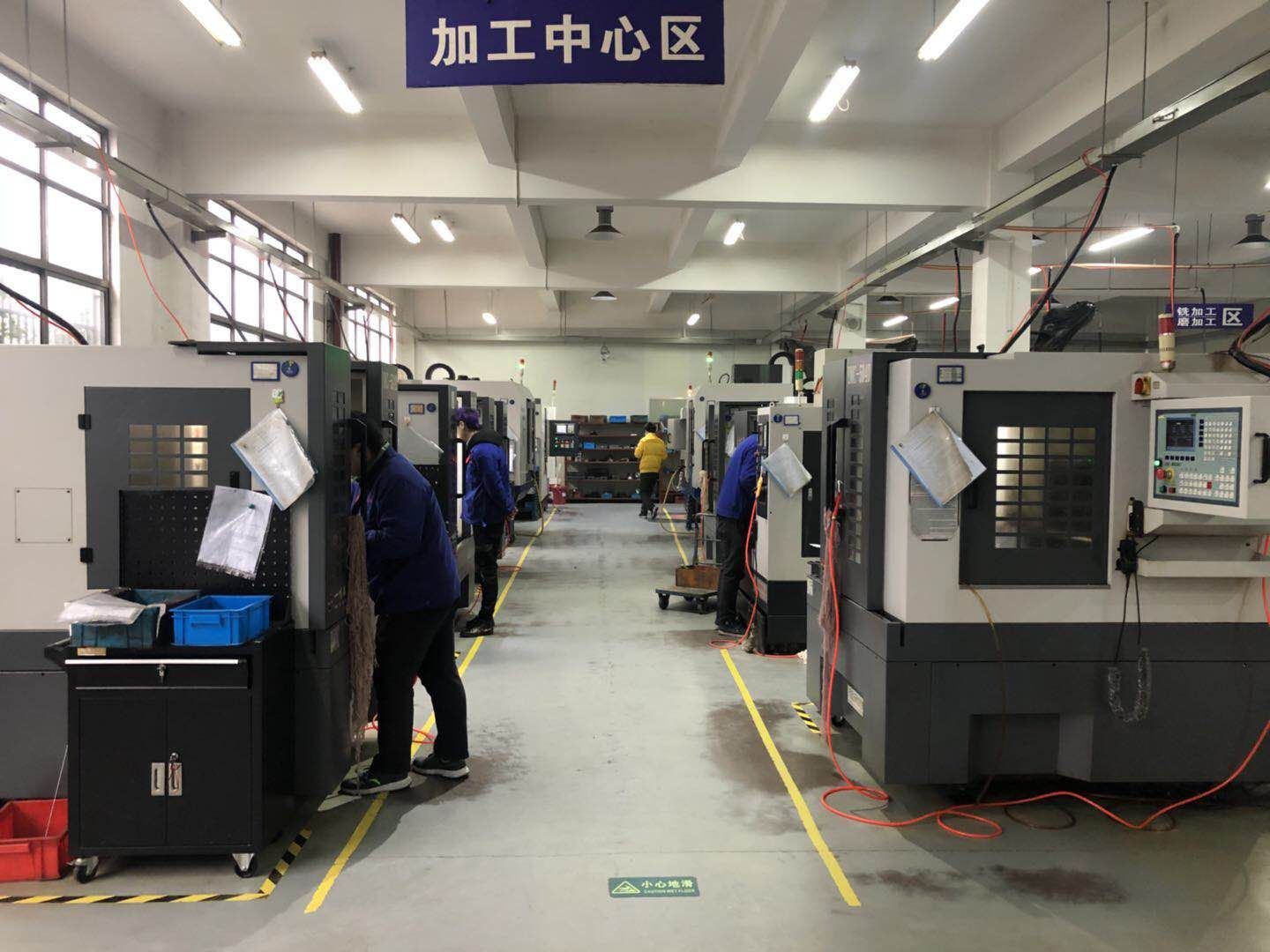
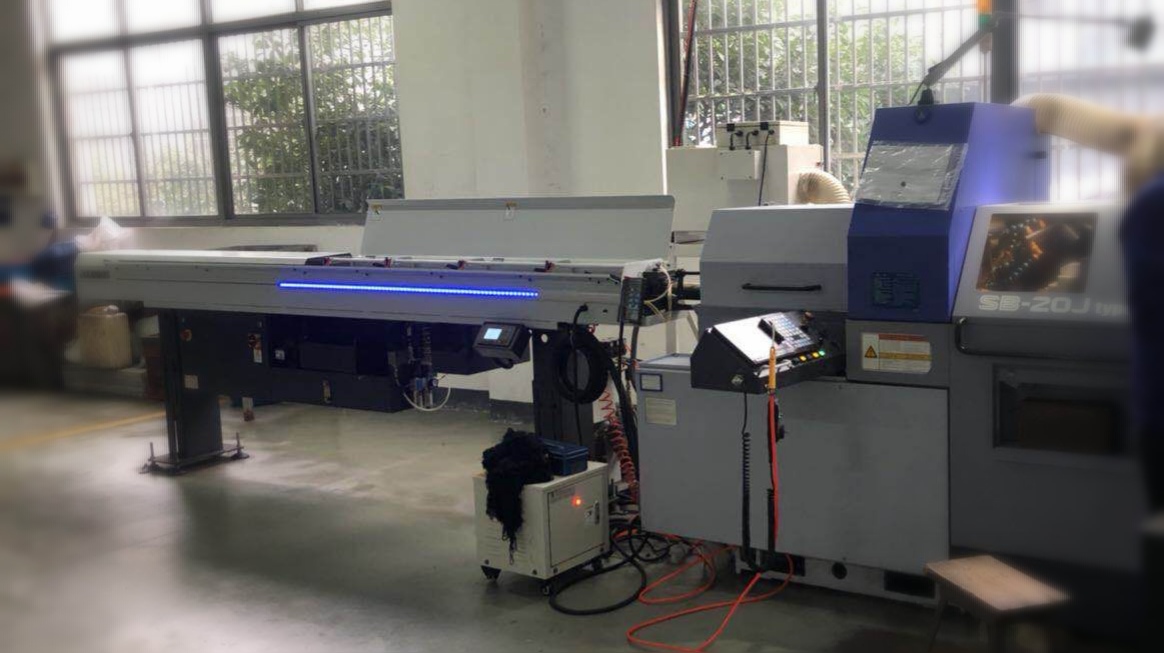
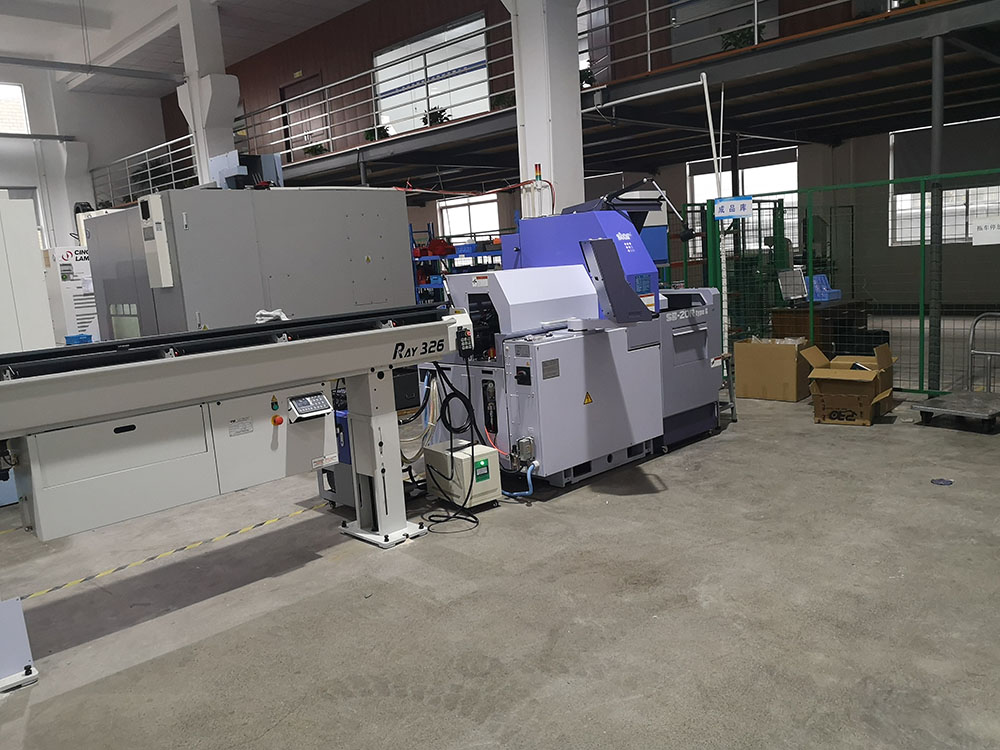
As a leading supplier, DEON Medical leverages advanced CNC machining and Swiss-type precision lathes to manufacture both ultra-fine titanium cranial lock systems and PEEK cervical and lumbar cages. This ensures that UK distributors receive implants engineered to exact structural specifications.
"Clinical datasets from major UK trauma centers indicate that modular titanium skull locks significantly reduce operation times in cranioplasty procedures compared to traditional hand-bent wire or plate fixation, lowering general anesthesia risks for compromised patients."
Following the UK’s transition out of the European Union, the Medicines and Healthcare products Regulatory Agency (MHRA) established the UKCA (UK Conformity Assessed) mark as the new mandatory standard for medical devices placed on the market in Great Britain. For Class III medical devices, such as permanent cranial implants and spinal pedicle screws, regulatory compliance is exceptionally stringent.
To achieve successful market entry in the United Kingdom, global manufacturing partners must provide comprehensive Technical Documentation files, biological safety validations (ISO 10993), cleanroom environmental controls (Class 100,000 / ISO Class 8 equivalent), and rigorous sterility validation. DEON Medical's manufacturing infrastructure operates under a certified ISO 13485 quality management system, providing the precise traceability, material certificates, and batch consistency required by UK import agents and NHS procurement specialists.
Demonstrating Experience, Expertise, Authoritativeness, and Trustworthiness (E-E-A-T) is paramount in the medical device supply chain. DEON Medical (Changzhou) Co., Ltd. brings over a decade of dedicated production experience to the orthopedic trauma and neurosurgical sectors. Strategically located in the Jiangsu medical manufacturing cluster, our facility harnesses advanced tooling and metallurgical testing laboratories to guarantee defect-free implants.
By working directly with a manufacturer rather than generic trading companies, UK medical distributors eliminate unnecessary markups while gaining direct access to design engineers who can customize implant specifications, screw threads, and locking mechanisms to target specific UK clinical guidelines.
Expert-grade surgical fixation hardware manufactured using advanced metallurgy and premium polymers.
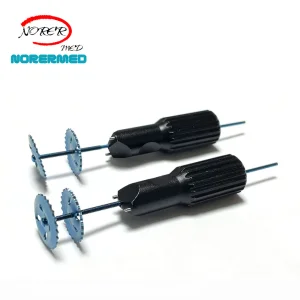
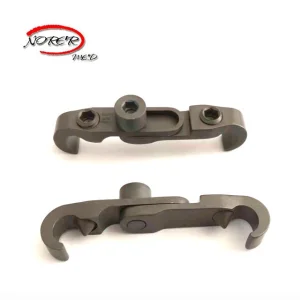
Cranial implants are primarily utilized in specialized neurosurgical departments across major UK trauma networks, such as the Royal London Hospital, Queen Elizabeth Hospital Birmingham, and the Salford Royal. Surgeons rely on three-piece or two-piece titanium cranial lock clamps to secure bone flaps or custom-milled PEEK/Titanium custom plates back onto the cranium.
These cranial locks work on a simple yet effective clamping principle: an inner disk is placed beneath the skull bone edge, and an outer disk is tightened down over the bone flap, locked securely into place with a dedicated instrumentation kit. This method eliminates the need for drilling screws near critical dural structures, drastically lowering the risk of accidental parenchymal injury. Furthermore, the low profile design of DEON's titanium clamps ensures minimal post-operative palpable hardware beneath the scalp, leading to high cosmetic and physical satisfaction rates among UK patients.
Why is Changzhou regarded as a global hub for orthopedic manufacturing? The city hosts an integrated ecosystem of raw material testing laboratories, state-of-the-art multi-axis CNC milling machines, laser sintering capabilities, and surface treatment experts. Sourcing from DEON Medical in Changzhou provides UK buyers with:
Addressing core technical, regulatory, and supply chain concerns of UK medical device distributors.
We use premium medical-grade Titanium Alloy (Grade 5, Ti-6Al-4V) conforming to ASTM F136 standards. For spinal and lumbar cages, we also utilize implant-grade Polyetheretherketone (PEEK) sourced from leading global chemical suppliers, ensuring complete biocompatibility and high mechanical resilience.
All our manufacturing operations are managed under a strict ISO 13485:2016 quality system. We supply complete product documentation, raw material certificates, biocompatibility studies (ISO 10993), and sterilization validation reports to assist our UK partners in registering the devices with the MHRA.
Standard inventory parts are shipped within 7-14 business days. Custom manufactured OEM/ODM runs or large bulk orders typically take 30-45 days, depending on tooling requirements and raw material availability. Air freight delivers packages to UK airports within 5-7 days.
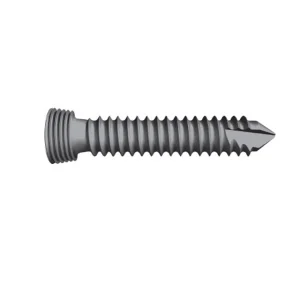
Yes. We possess state-of-the-art multi-axis CNC machines and Swiss-type precision lathe facilities. Working with DICOM image data or CAD blueprints provided by UK biomedical engineers, we can machine custom cranial locks, customized bone plates, and specialized screws with sub-millimeter tolerances.
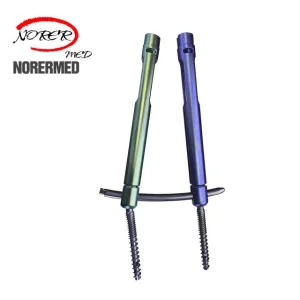
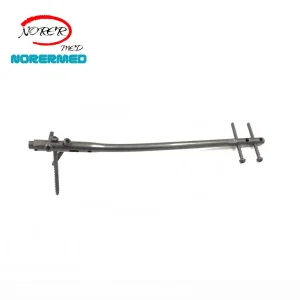
Yes, our veterinary orthopedic products (such as veterinary pedicle screws and TLIF PEEK cages) are manufactured using the identical medical-grade titanium and PEEK materials, and processed on the same CNC production lines as our human-use implants, ensuring premium safety for animal clinical settings in the UK.
 Deon Medical