Deon Medical
Clinical & Industrial Insight: Serving Poland's Cranial & Spinal Reconstruction Sector
The clinical demand for advanced neurosurgery cranial implants within Poland has seen a rapid structural transformation. Over the past decade, Polish healthcare providers, under the administration of the Narodowy Fundusz Zdrowia (NFZ), have consistently raised their baseline quality requirements for cranial bone flap fixation, custom titanium meshes, and intervertebral cage assemblies. Polish neurosurgical clinics in key hubs—such as Warsaw, Kraków, Gdańsk, and Wrocław—increasingly prioritize implants that minimize operative complications, support rapid osteointegration, and offer absolute radiological clarity under postoperative CT and MRI scanning protocols.
With the strict implementation of the European Union Medical Device Regulation (EU MDR 2017/745), Poland's procurement pipelines have shifted. Every cranial lock, spinal pedicle screw, and anatomical cage must present robust clinical documentation, verified material biosafety profiles, and traceable manufacturing origins.
1. Poland Neurosurgery Market & Healthcare Infrastructure Demands
Neurosurgery in Poland is characterized by high clinical competence, with specialized university hospitals performing complex cranial reconstructions daily. Craniotomy procedures stemming from traumatic brain injuries (TBIs), oncological resections, and congenital cranial anomalies require implants that can be easily customized and securely locked. Historically, Western European manufacturers dominated the Polish medical device tenders. However, the rising costs of healthcare administration have created a critical market niche for advanced manufacturing hubs in China, which provide identical material standards (such as medical-grade titanium and ASTM F2026 PEEK) at a fraction of the cost.
Furthermore, the Polish private medical sector is expanding rapidly. Private clinics and secondary trauma centers require quick turnaround times for specialized implants. This demand has triggered a rise in localized supply partnerships where Chinese factories act as OEM/ODM developers, providing high-precision components that are sterile-packed and ready for distribution in Europe.
2. Advanced Material Science: Titanium vs. PEEK Cranial Implants
Modern cranioplasty relies on two foundational materials, both of which are central to the production output of leading Chinese export factories:
- Medical-Grade Titanium (Ti-6Al-4V ELI): Conforming to ASTM F136, this alloy provides exceptional mechanical strength, superb biocompatibility, and corrosion resistance. In Poland's trauma surgeries, titanium cranial locks and mesh configurations are selected for their immediate load-bearing capabilities and structural malleability during emergency procedures.
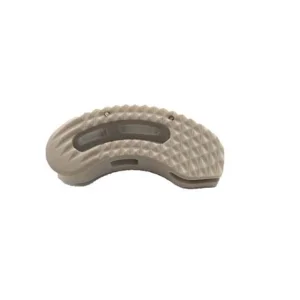
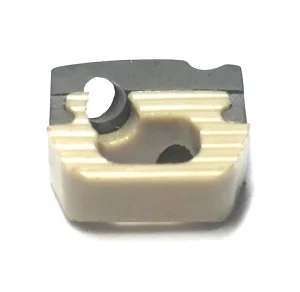
- Polyetheretherketone (PEEK): Conforming to ASTM F2026, PEEK has gained significant traction in non-emergency reconstructions. Its elastic modulus closely mirrors that of human cortical bone, reducing stress-shielding effects. Crucially for oncological patients in Poland who require persistent follow-ups, PEEK is completely radiolucent, preventing metal artifacts on CT and MRI images.
3. Strategic Advantages of Chinese Factories in Changzhou & Jiangsu
As a global cluster for orthopedic and neurosurgical implants, the Changzhou industrial region in Jiangsu Province, China (where DEON Medical is strategically based) provides a complete industrial chain. This concentration of medical manufacturing expertise delivers distinct competitive advantages for Polish distributors:
I. Advanced Swiss-Type CNC Machining
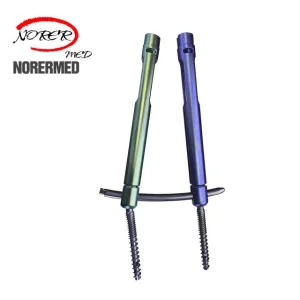
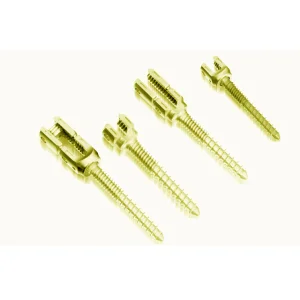
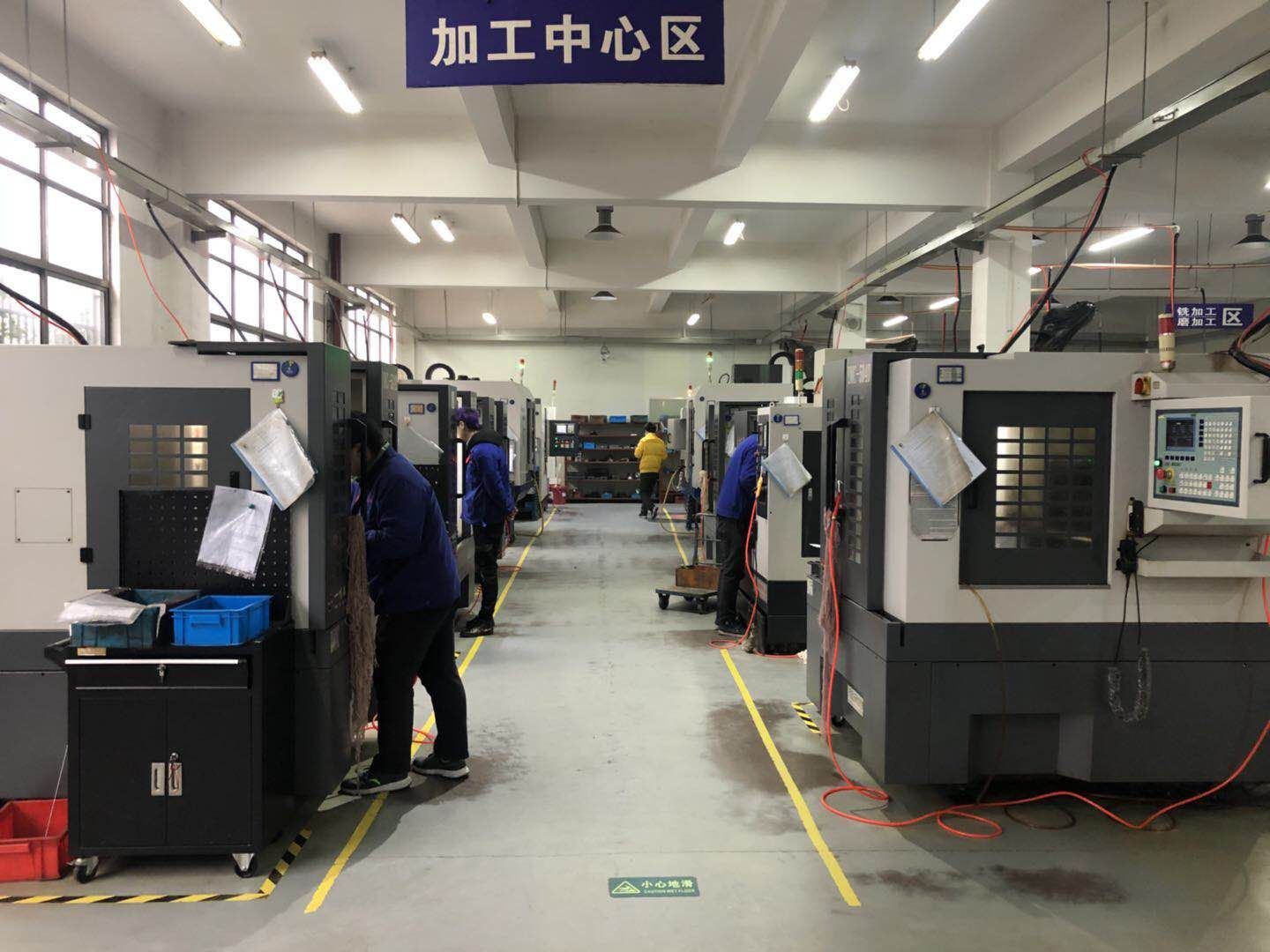
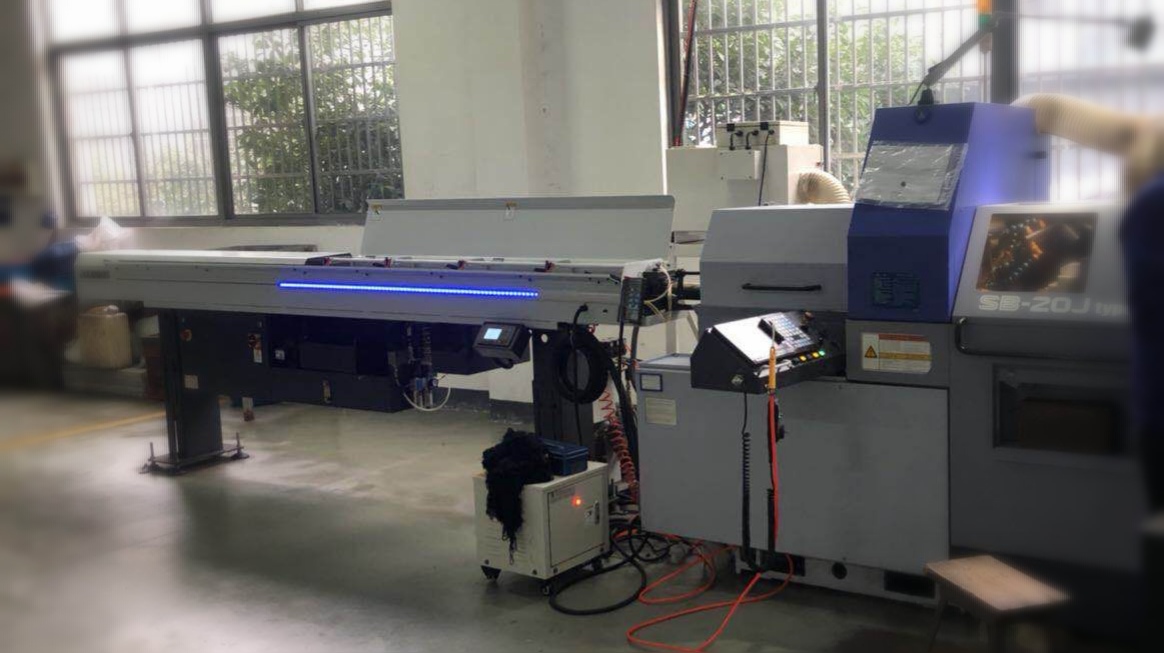
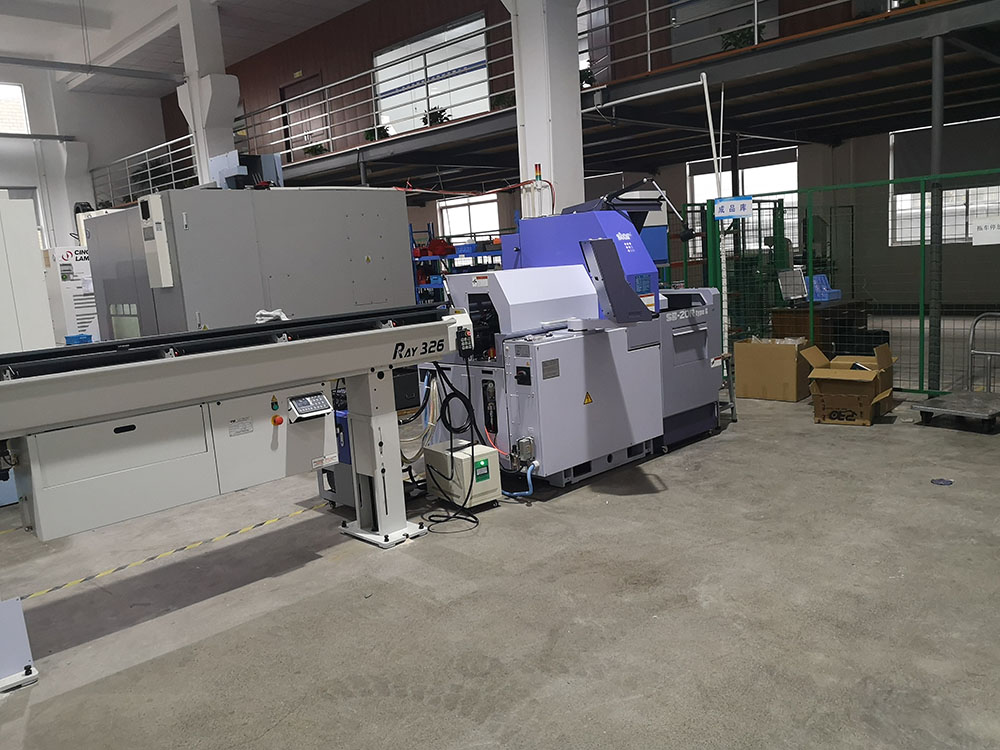
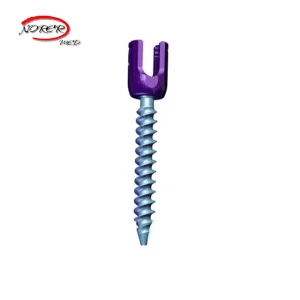
Neurosurgical fixation devices require tolerances measured in micrometers. Chinese manufacturing lines utilize state-of-the-art multi-axis Swiss CNC machines. Whether milling an intricate monoaxial pedicle screw or carving an anatomical PEEK cervical cage, the precision ensures that thread designs mesh seamlessly with locking caps, minimizing the risk of surgical cross-threading.
II. Strict ISO 13485 Quality Control & Cleanrooms
To meet the requirements of European distributors serving the Polish market, implants are manufactured in Class 100,000 (ISO Class 7) cleanrooms. Comprehensive validation procedures, including ultrasonic cleaning, laser marking, and gamma-sterile packaging options, guarantee that the products arrive in Europe ready for direct clinical deployment.
III. Substantial Cost Efficiencies and Agile Customization
Raw material sourcing, domestic titanium refinement, and high-volume output allow Chinese factories to lower manufacturing costs without compromising quality. Moreover, for complex craniotomy cases requiring custom-designed plates, the integration of 3D CAD/CAM pipelines enables rapid prototyping and production of customized cranial plates within short delivery timeframes.
4. Localized Application Scenarios & Macro Solutions
Neurosurgical hardware demands vary depending on the patient and clinical context. Chinese manufacturing processes address these variations through distinct product lines:
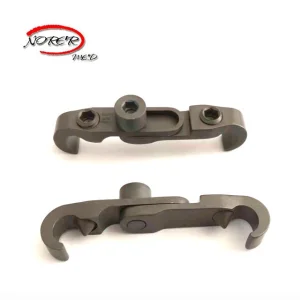
- Emergency Neuro-Trauma: Fast-deploying titanium cranial locks allow surgeons in regional Polish hospitals to secure bone flaps within minutes, drastically reducing anesthesia duration.
- Pediatric Reconstructions: Ultra-low profile plates and screws that minimize skin irritation while providing necessary structural stability during skull development.
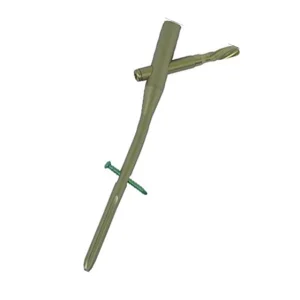
- Advanced Spinal Fixation: Multi-axial and uniplanar pedicle screw systems capable of managing severe degenerative disc diseases and trauma stabilization.
- Veterinary Neurosurgery: An expanding market in Poland, driven by specialized veterinary clinics in Poznań and Warsaw requiring human-grade materials for canine and feline spinal stabilization.
5. Procurement Optimization for Polish Medical Distributors
To achieve high information gain and maintain a resilient supply chain, Polish medical companies importing neurosurgical implants must establish strategic agreements with Chinese factories. Critical components of a successful procurement framework include:
- Material Certification: Demanding mill test reports showing chemical composition and mechanical properties of raw titanium or PEEK blocks.
- MDR Conformity Assessment: Ensuring the manufacturer has technical documentation ready for audit by EU notified bodies.
- Agile Logistics: Establishing air-freight pathways from Shanghai/Nanjing directly to Warsaw Chopin Airport, ensuring rapid replenishment of critical hospital stock levels.