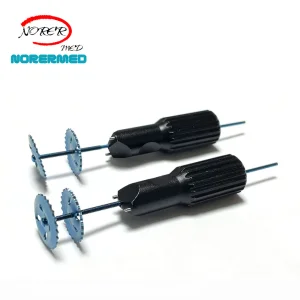
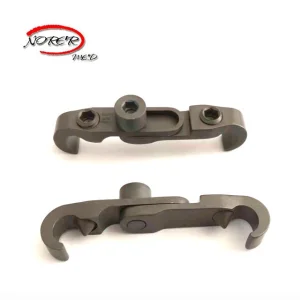
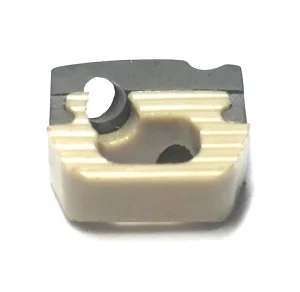
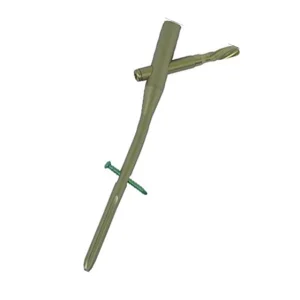
Engineered for precise cranial vault reconstruction, rigid spinal fixation, and complex cervical fusion in Oman’s neurosurgical centers.
Under the visionary guidelines of Oman Vision 2040, the healthcare ecosystem in the Sultanate of Oman is undergoing a rapid modernization path. Top-tier medical institutions like Khoula Hospital (the national center for neurosurgery and trauma), the Royal Hospital Muscat, and Sultan Qaboos University Hospital (SQUH) demand advanced neurosurgical implants that adhere to strict global safety protocols. The incidence of traumatic brain injuries (TBI) arising from high-velocity traffic events and complex cranial bone loss requires immediate access to state-of-the-art cranial reconstruction technologies.
Oman's Ministry of Health (MOH) enforces a rigorous regulatory environment for Class III medical devices. Importing cranial implants and orthopedic trauma components requires detailed documentation, including ISO 13485 certifications, CE marks, and free sale certificates. To maintain continuity of supply in Muscat, Salalah, Sohar, and Nizwa, Omani procurement managers seek direct partnerships with overseas factories capable of delivering custom-patient configurations, reliable sterilization validation, and raw material purity verification.
| Implant Specification | Standard & Value |
|---|---|
| Material Grades | ASTM F136 Ti-6Al-4V ELI / ASTM F2026 PEEK |
| Biocompatibility | ISO 10993 Certified Non-Cytotoxic |
| Regulatory Pathways | CE Class III, FDA 510(k) Ready, MOH Oman Registered |
| Thickness Tolerances | ±0.05 mm (Precision CNC / Additive Machined) |
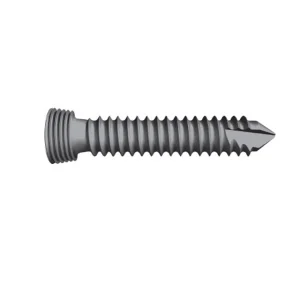
| Fixation Mechanism | Self-Drilling & Self-Tapping Locking Screws |
Evaluating clinical-grade materials for optimal osseointegration, structural stability, and artifact-free medical imaging.
The choice of material for cranioplasty implants is a critical decision that influences patient outcomes, postoperative imaging quality, and the overall cost of care. Standard and patient-specific cranial implants must demonstrate high mechanical strength to protect the brain, while remaining biocompatible to reduce the risk of implant rejection or extrusion.
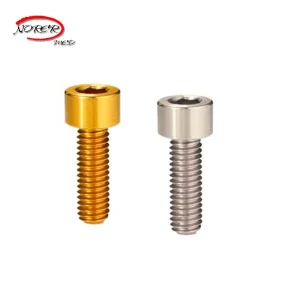
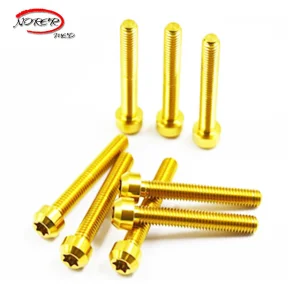
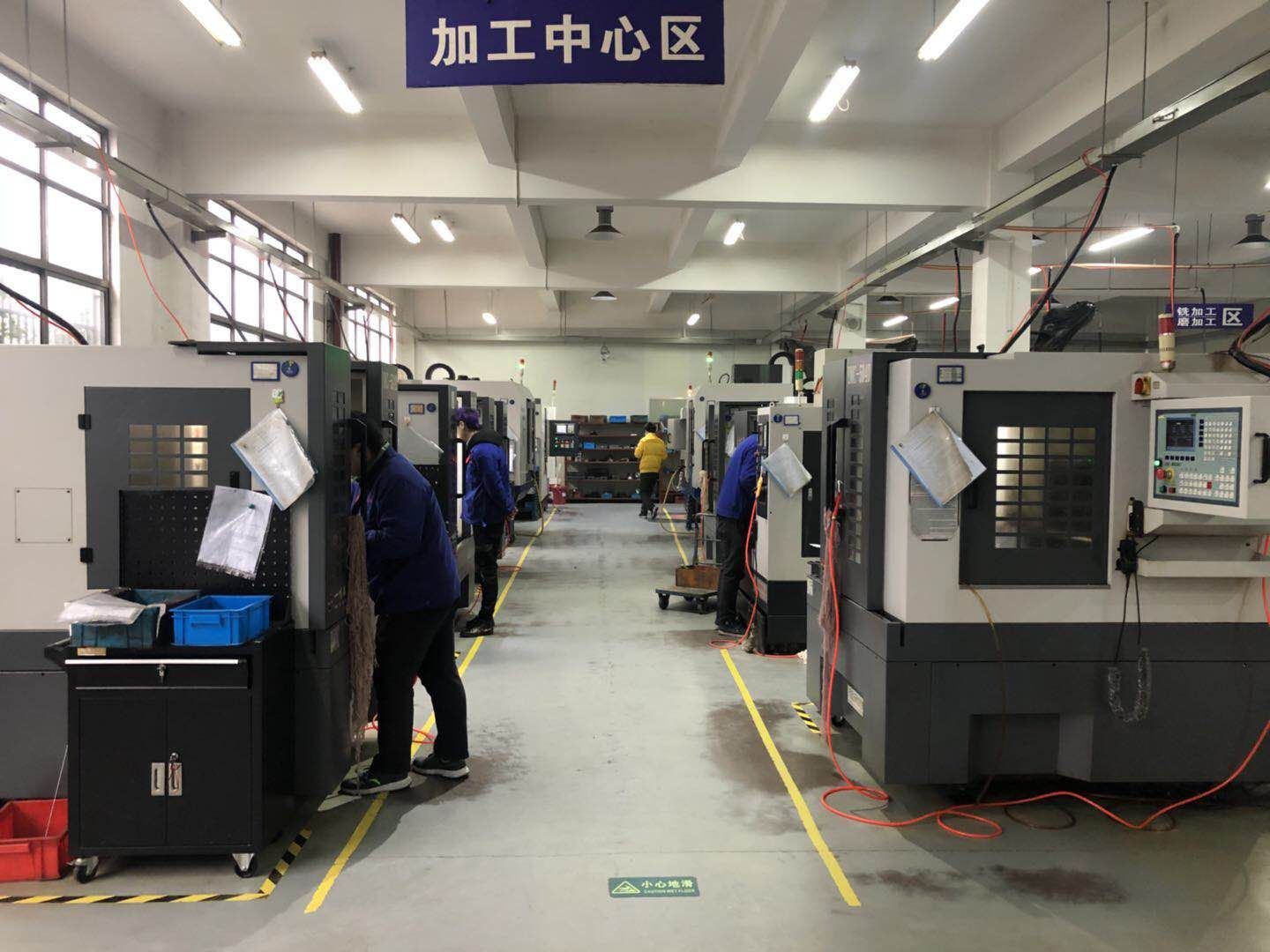
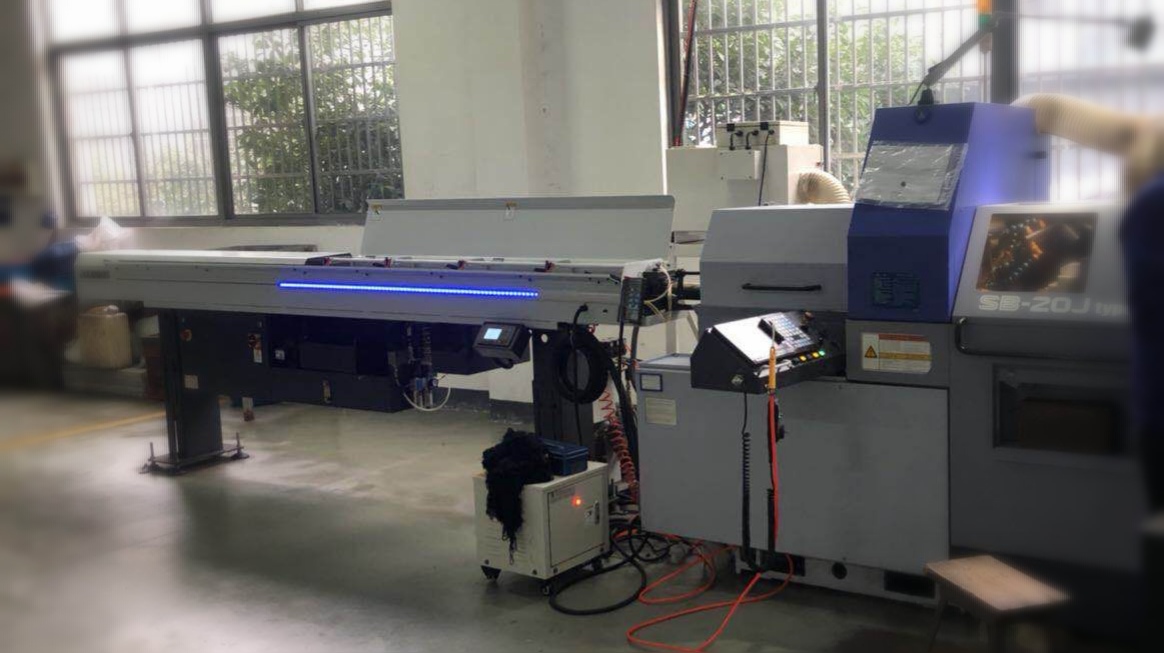
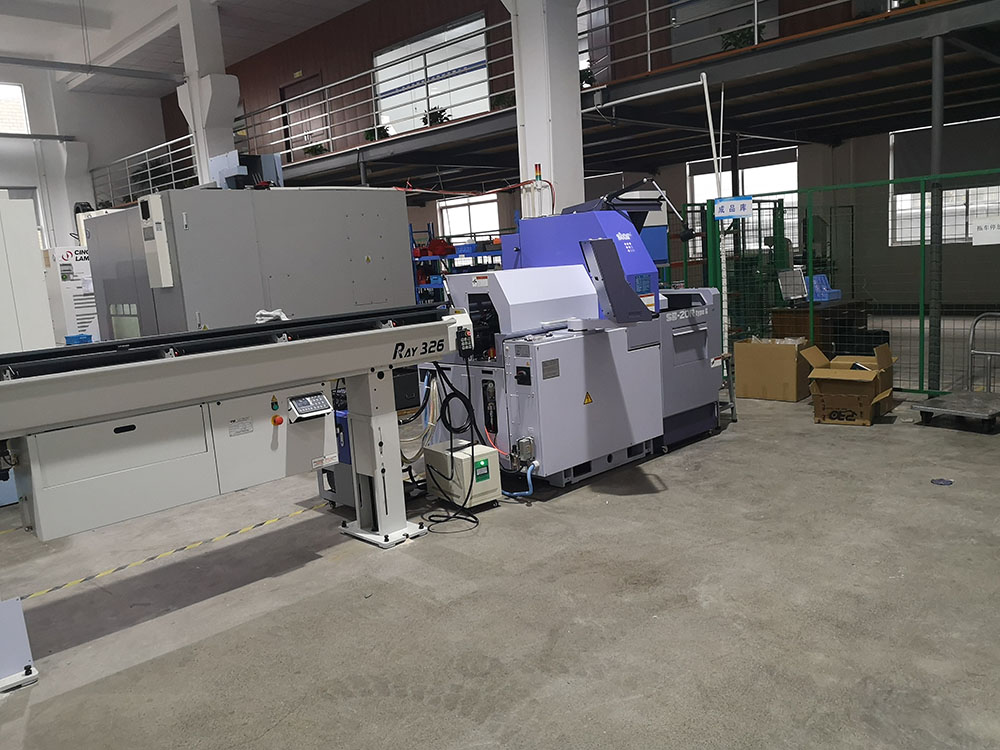
Our cranial implant factory utilizes state-of-the-art subtractive and additive machining. For titanium skull locks, CNC multi-axis milling ensures that the locking threads and clamp mechanisms lock securely without high force. Surgical-grade titanium screws are threaded with micro-pitches to ensure steady torque delivery during implantation.
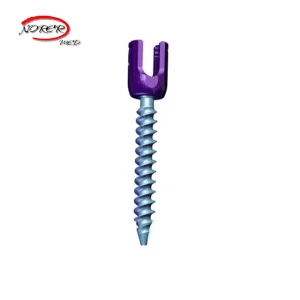
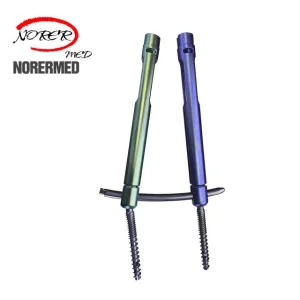
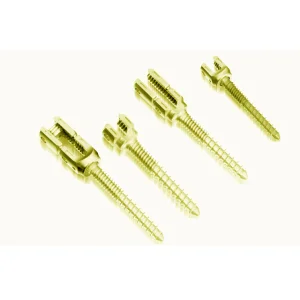
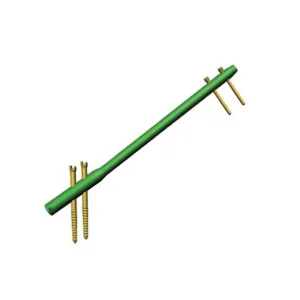
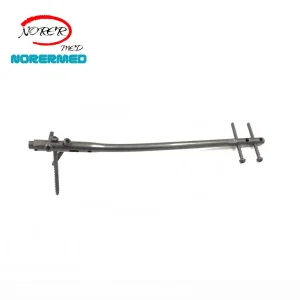
For spinal reconstruction, products like the Titanium Orthopedic Crosslink Rod and Spine Uniplanar Pedicle Poly Screw undergo anodization processes to create a protective bio-inert barrier. This increases corrosion resistance within dynamic bodily fluid environments and minimizes toxic ion release over the patient’s lifetime.
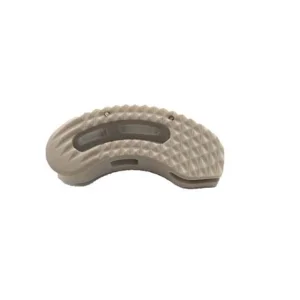
Providing high-precision spinal implants and interbody cages designed for surgical flexibility and rapid postoperative stabilization.
Ensuring absolute safety and regulatory compliance for Omani import and clinical distribution channels.
Due to the critical nature of neurosurgical interventions, cranial and spine implants are classified under the highest risk tier (Class III). At DEON Medical, our manufacturing facilities operate under stringent quality management systems conforming to ISO 13485. Every batch of Grade 5 Titanium and clinical-grade PEEK undergoes mass spectrometry analysis to guarantee chemical purity and structural integrity before entering the machining lines.
We work closely with Omani medical distributors to provide full traceability records. This includes raw material certificate of conformance (CoC), biocompatibility testing data (ISO 10993), sterilization validation protocols (ISO 11137 for gamma radiation or ISO 11135 for Ethylene Oxide), and mechanical fatigue testing reports. Our supply chain is structured to ensure fast customs clearance at Muscat International Airport and Port of Salalah.
The clinical workflow for custom cranioplasty requires smooth collaboration between the neurosurgeon in Oman and our engineering team in China:
A broad range of orthopedic screws, intramedullary nails, and spinal stabilization hardware for human and veterinary applications.
A leading Chinese manufacturer of orthopedic trauma bone plates, spine pedicle screws, and cervical/lumbar interbody fusion devices.
Addressing clinical performance, regulatory standards, custom configurations, and shipping routes for Omani healthcare distributors.
Receive comprehensive catalog datasets, raw material analysis reports, and custom pricing quotes for bulk orders serving the Omani healthcare sector.
 Deon Medical