Engineered for high mechanical loads and biological integration in German clinical settings.
Germany represents one of the most sophisticated healthcare markets in Europe, governed by strict efficacy guidelines and the transitional requirements of the EU Medical Device Regulation (MDR 2017/745). German neurosurgical departments, such as those at Charité Berlin or LMU Munich, demand implant solutions that guarantee absolute biocompatibility, minimize artifact noise in post-operative 3T MRI scans, and offer optimal primary stability.
The clinical shift in Germany is rapidly moving away from autologous bone grafts—which carry resorption rates of up to 20% in pediatric and decompressive craniectomy patients—towards alloplastic materials. Titanium Grade 5 ELI (Extra Low Interstitials) and PEEK (Polyetheretherketone) represent the modern standard for long-term reconstruction. Sourcing from cost-effective, high-capacity factories like DEON Medical allows German medical device distributors to maintain healthy margins while meeting the exact mechanical performance specifications requested by clinical purchasing groups (Einkaufsgemeinschaften).
To successfully integrate imported devices into German clinics, manufacturers must demonstrate structural compliance, consistency in physical raw materials, and traceable shipping operations.
Evaluating the clinical evolution of materials and implant engineering for cranial vault reconstructions.
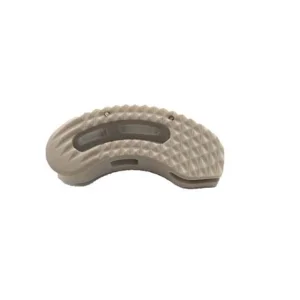
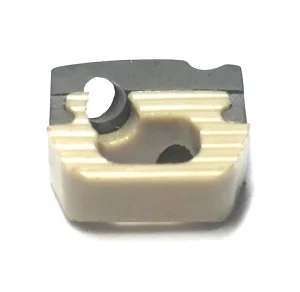
While Titanium mesh and cranial locks offer immediate mechanical strength and osseointegration, Polyetheretherketone (PEEK) matches the elasticity of human cortical bone, reducing stress shielding and thermo-conductivity risks.
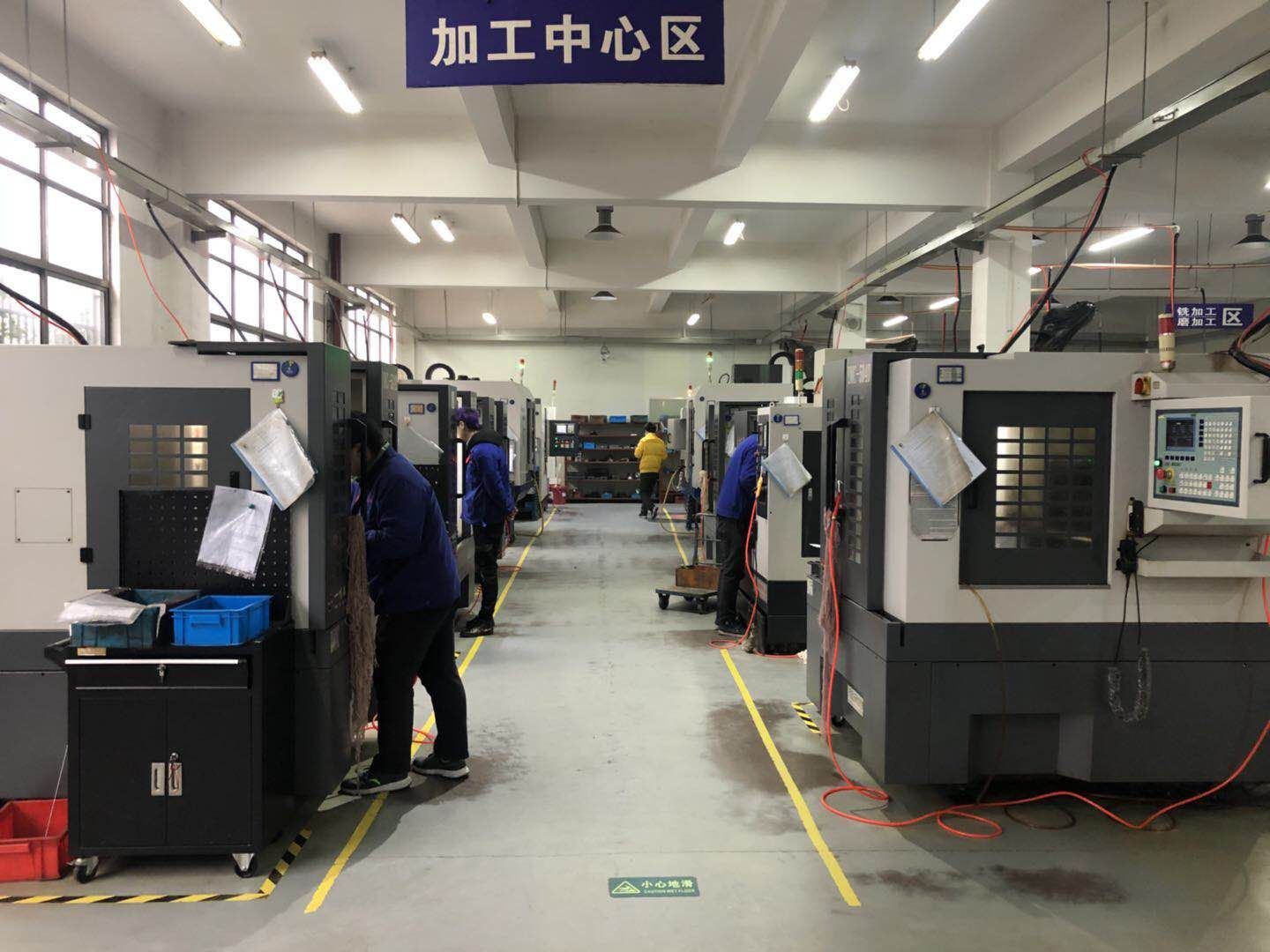
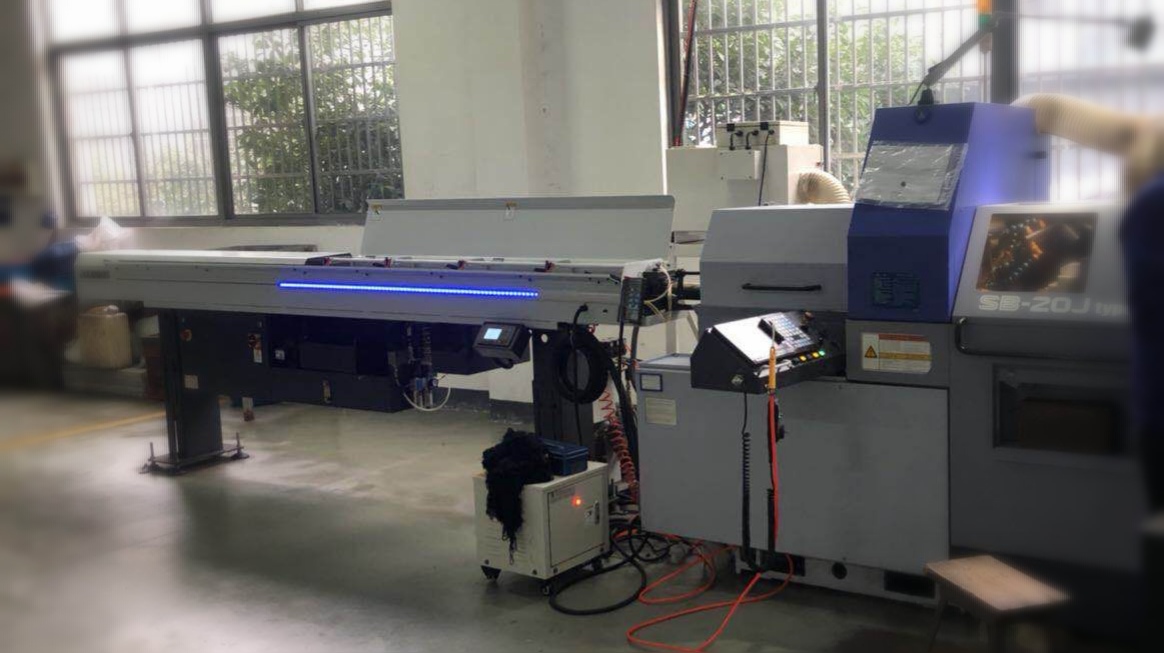
Modern medical factories leverage automated 5-axis CNC machining, ensuring micro-level dimensional accuracies (tolerance < 0.01mm) vital for the secure lock of cranial bone flaps.
All implants must undergo dynamic cleaning cycles and be processed in certified Class 7 (Class 10,000) cleanrooms to guarantee endotoxin loads fall well below the threshold of 20 EU/device.
| Implant Parameter | Titanium Grade 5 (Ti-6Al-4V ELI) Specifications | PEEK (ASTM F2026) Specifications | Clinical Significance in Neurosurgery |
|---|---|---|---|
| Tensile Strength | ≥ 860 MPa | ≥ 95 MPa | Protects intracranial components from external traumatic force impacts. |
| Elastic Modulus | 110-114 GPa | 3.5-4.0 GPa | PEEK matches human bone modulus closely, preventing stress shielding. |
| Imaging Artifacts | Moderate starburst artifacts on CT/MRI | Radiolucent (Zero artifact interference) | Enables precise post-op tumor recurrence monitoring. |
| Biocompatibility | Excellent (Passivation oxide film layer) | Highly inert (No chemical release) | Minimizes foreign body reaction and implant rejection rates. |
| Thermal Conductivity | 6.7 W/m·K | 0.25 W/m·K | PEEK prevents patient sensitivity during ambient temperature changes. |
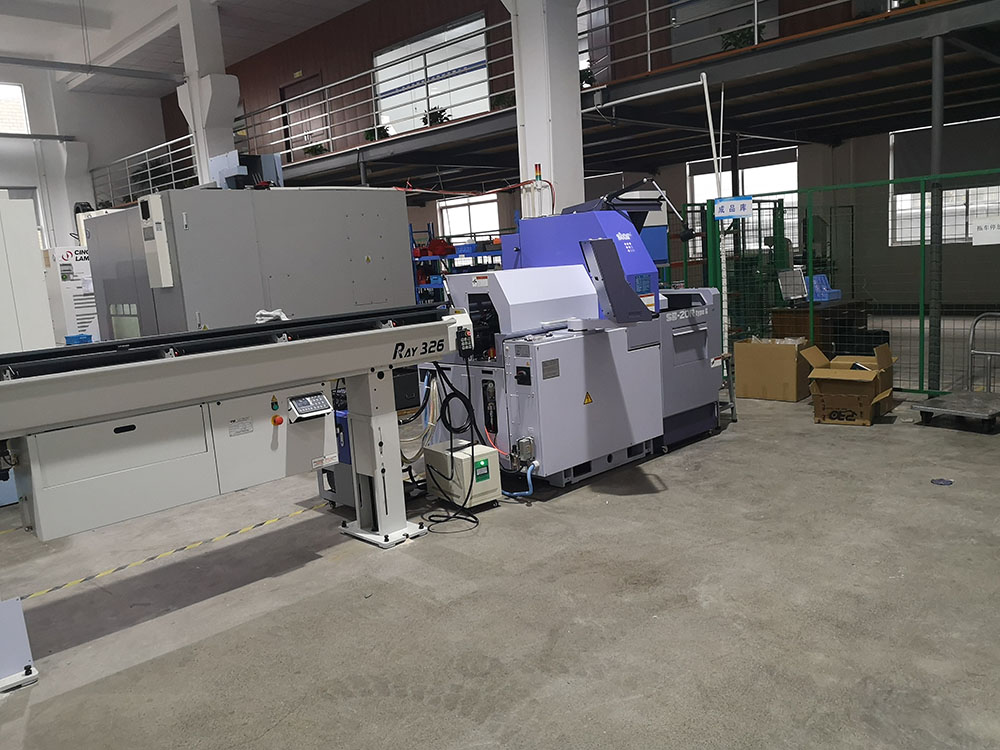
Sourcing medical hardware from DEON Medical's advanced Changzhou facility optimizes pricing dynamics without introducing quality compromises. By operating within one of China's most dense medical manufacturing clusters in Jiangsu, we leverage direct raw material access, integrated heat treatment processes, and advanced surface anodization technology.
Our manufacturing processes feature comprehensive traceability, from raw bar stock to final sterile packaging. In an era marked by European logistics bottlenecks, DEON Medical guarantees reliable lead times, offering direct air-freight corridors to German hubs like Frankfurt or Munich.
How clinical teams across Germany deploy DEON Medical products for elective and emergency interventions.
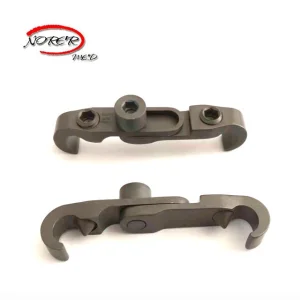
Following severe traumatic brain injury (TBI) or major stroke, our biocompatible cranial locks securely refixate bone flaps or patient-specific implants once cerebral edema has receded.
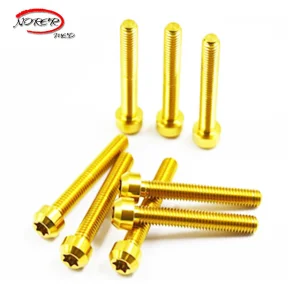
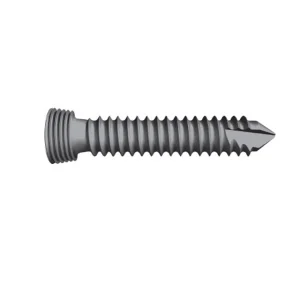
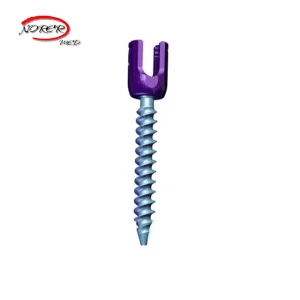
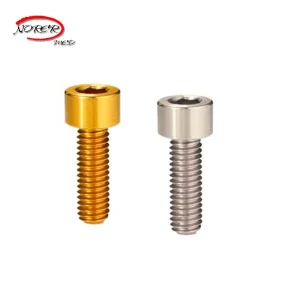
After complex oncology resections, our cranial reconstructive plates and locking screws provide a stable physical barrier to shield delicate cerebral tissues.
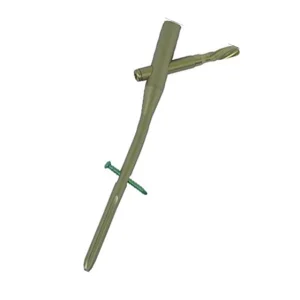
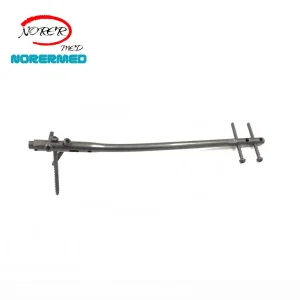
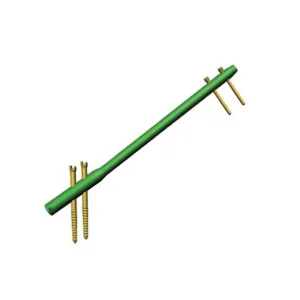
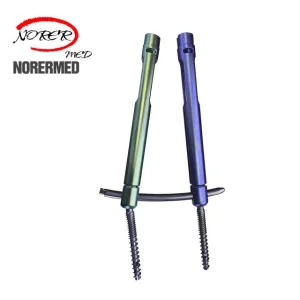
For multiple-trauma scenarios (Polytrauma) treated at Level 1 German regional trauma centers, our femoral and tibial interlocking nails offer rapid mechanical stabilization.
Direct manufacturing access, transparent quality control systems, and high production capacities.
Based in Changzhou City, Jiangsu Province, China, DEON Medical is a specialized manufacturer of orthopedic trauma bone plates, bone screws, interlocking nails, spinal fixation screws, cervical plates, and PEEK implants. We combine production and export trading capabilities to deliver reliable medical devices globally.
Precision implants, trauma fixators, and specialized surgical hardware.
Key information for clinical engineers, healthcare importers, and hospital purchasing coordinators in Germany.
Our facilities operate in strict compliance with ISO 13485 (Medical devices — Quality management systems). While local distributors generally register devices within the European Union via their authorized representative (EC Rep), we supply complete material certificates (Mill Test Reports), cleanroom validation documents, and mechanical test data (ASTM F136/F2026) to facilitate the CE marking process.
Titanium is highly durable and offers strong osseointegration when finished with a textured micro-surface. PEEK is radiolucent, meaning it does not block X-rays or create streak artifacts in CT scans, allowing clinicians to monitor patients after tumor surgeries. Additionally, PEEK provides lower thermal conductivity and a flexible modulus similar to natural bone.
Yes. We process standard clinical DICOM file datasets. Our CAD/CAM engineering team constructs high-precision 3D digital skull models, which are then used to manufacture patient-specific cranial implants (PSIs) using 5-axis CNC machining, ensuring a precise anatomical fit.
Standard products, including stock titanium cranial locks, bone screws, and interlocking nails, are dispatched within 7–15 working days. Custom anatomically milled plates are processed and shipped within 3–4 weeks. We use premium air courier services (DHL, FedEx, UPS) to ensure seamless delivery to European clinical warehouses.
 Deon Medical