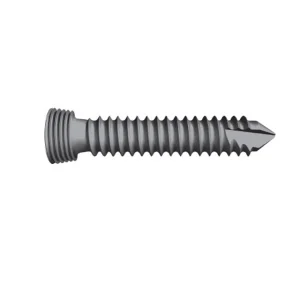
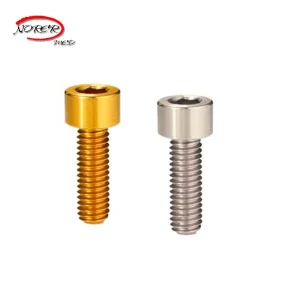
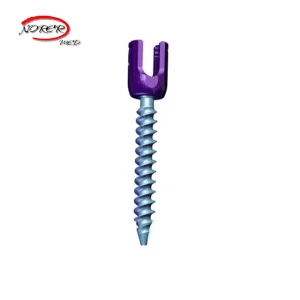
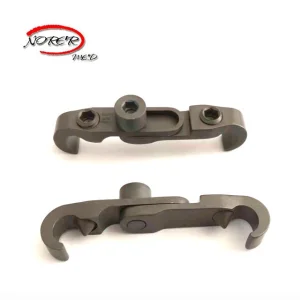
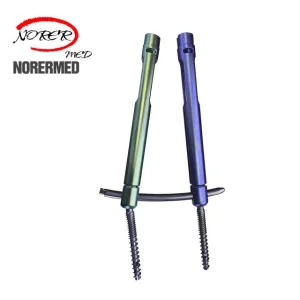
Optimized for surgical applications in the Osaka prefecture and Kansai medical networks.
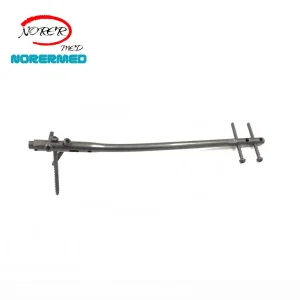
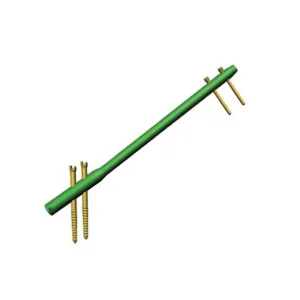
Osaka Prefecture, as one of Japan’s primary economic centers in the Kansai region, faces a profound demographic shift. With over 28% of its population aged 65 or older, the local healthcare system experiences high volumes of fragility fractures. Pathological conditions like osteoporosis exacerbate the risk of proximal femur, subtrochanteric, and distal tibia fractures, requiring highly stable internal fixation solutions. Interlocking nails represent the gold standard for intramedullary stabilization in these load-bearing bones.
For Osaka's leading medical research centers, tertiary referral hospitals, and orthopedic surgical teams, the choice of implants hinges on precision engineering. Interlocking nail systems must provide optimal osteosynthesis, minimize rotational instability, and preserve the periosteal blood supply. Advanced implant materials like Titanium Alloy (Ti-6Al-4V ELI) are crucial in balancing low elastic modulus with excellent fatigue strength, mimicking the biomechanics of native human bone.
Furthermore, Japan's regulatory framework, under the Pharmaceuticals and Medical Devices Act (PMDA), enforces strict standards for medical device importation. Quality assurance, high biocompatibility, cleanroom packaging, and precise dimensional tolerances are absolute baseline requirements for orthopedic implants entering the Osaka market.
Key advancements in internal fixation devices and osteosynthesis design principles.
The global orthopedic market has shifted from mechanical rigidity towards dynamic biological fixation. The evolution of interlocking nails reflects this trend, moving from simple slot-locking systems to multi-directional, angle-stable locking options. Modern trauma care emphasizes early patient mobilization, which is heavily reliant on the primary stability achieved by the nail-screw construct.
Key technical advancements include:
Engineered for human spinal reconstruction and advanced veterinary bone alignment.
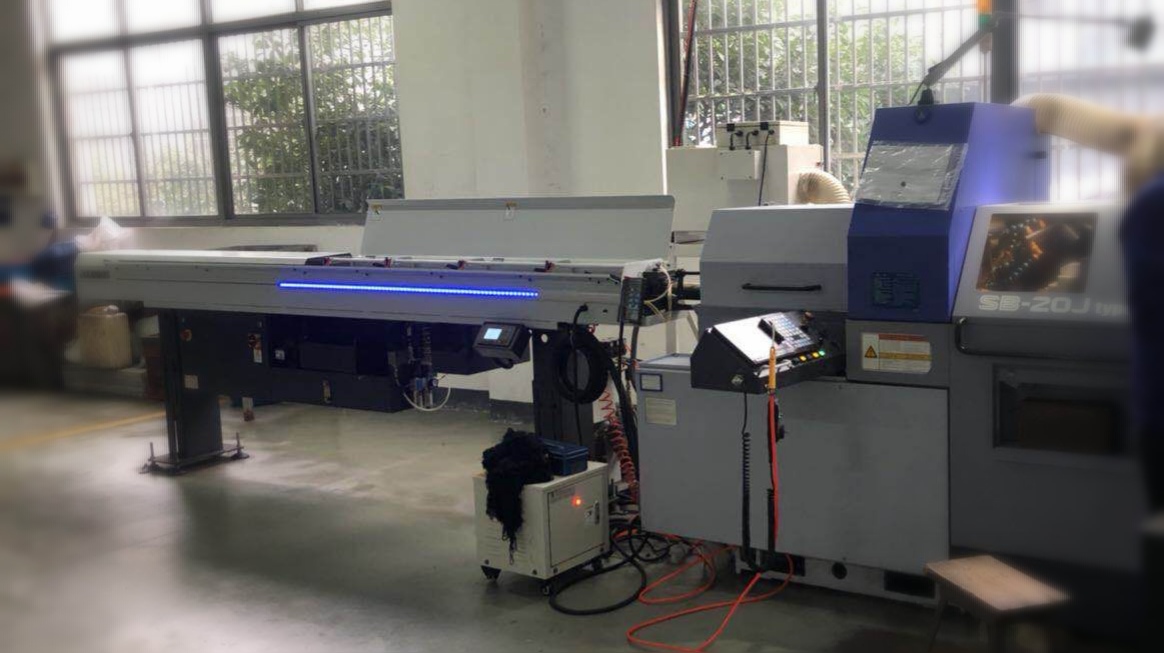
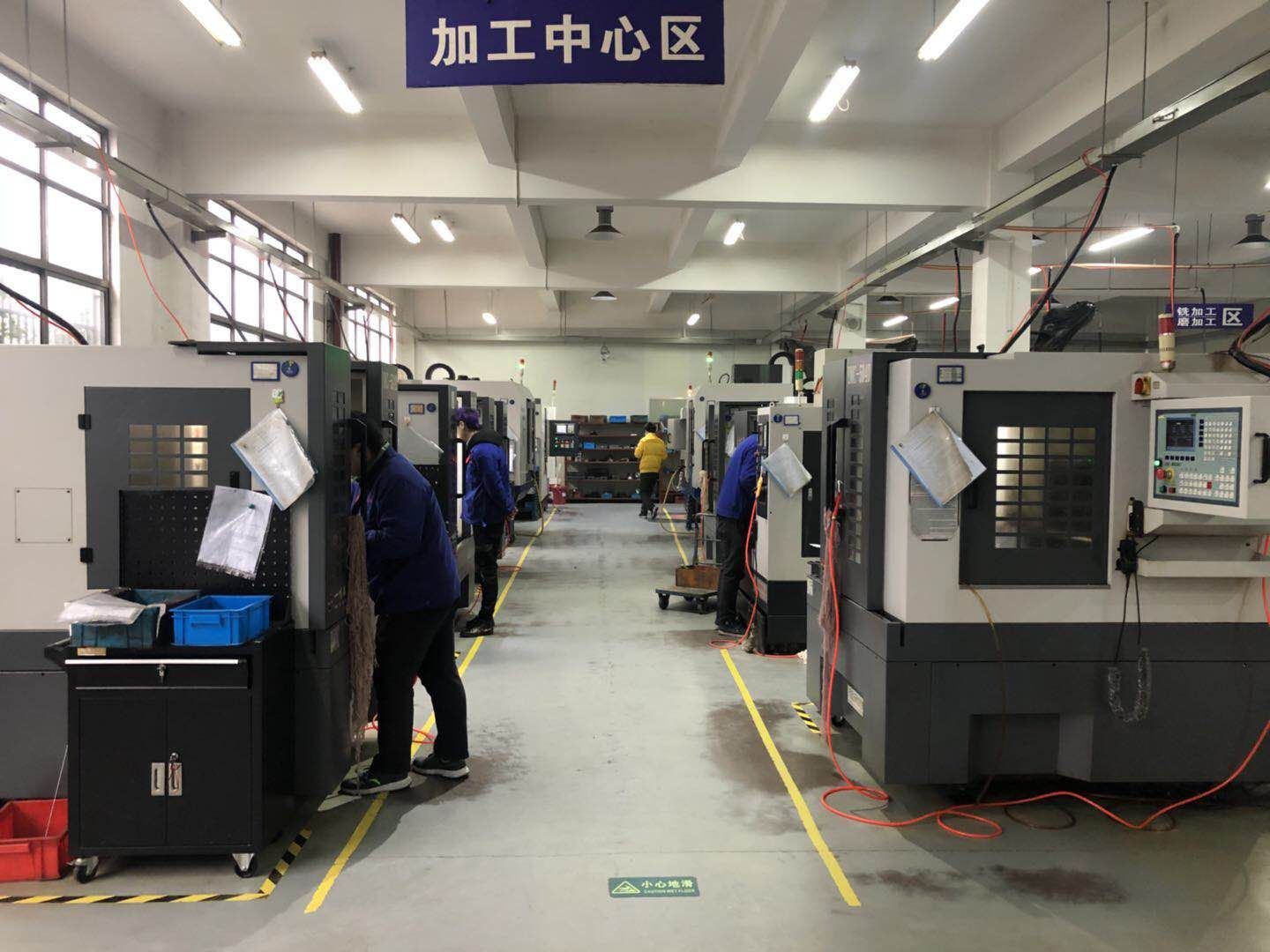
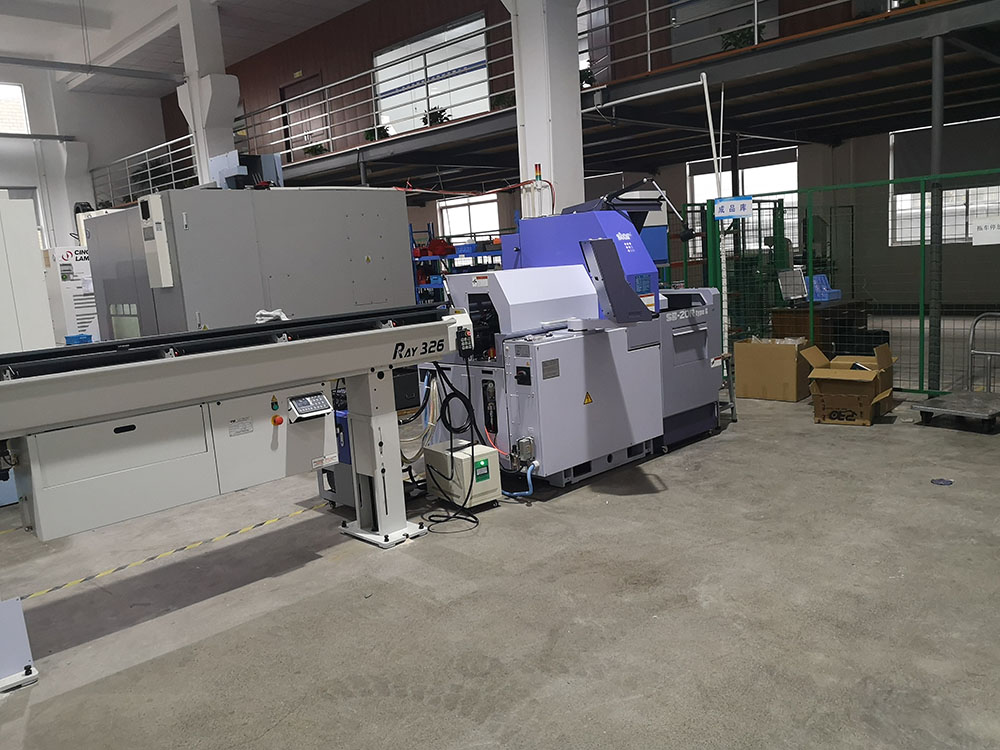
The Changzhou medical device cluster in Jiangsu Province represent the epicenter of high-end orthopedic manufacturing in China. For medical distributors in Osaka, partnering with DEON Medical bridges the gap between premium performance and optimal cost-efficiency. Our manufacturing protocols utilize advanced multi-axis CNC Swiss-type automatic lathes (imported from Japan and Switzerland) to ensure thread profiles, pitch dimensions, and cannulation concentricities conform to sub-micron tolerances.
Our competitive advantages include:
Osaka's high density of specialized hospitals requires versatile intramedullary nailing options.
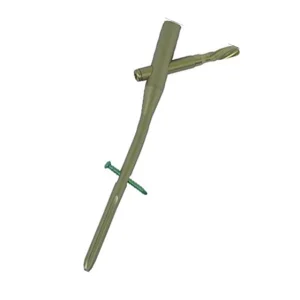
While the human application focuses heavily on geriatric fragility fractures and road-traffic trauma reconstructions, the metropolitan area of Osaka has experienced an exponential increase in pet ownership. This demographic shift has catalyzed the growth of specialized veterinary orthopedic clinics. Companion animals (such as larger canine breeds) suffer from femur and tibia diaphyseal fractures due to high-impact falls or automobile accidents.
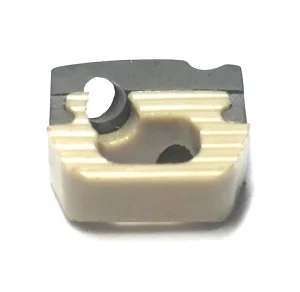
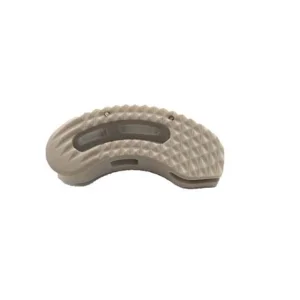
Surgical principles in veterinary orthopedics closely mirror human trauma management. However, mechanical demands differ. Small animal femurs exhibit distinct curvature profiles and smaller canal diameters. DEON Medical supplies specialized, downsized interlocking nail systems and PEEK cages, allowing Osaka veterinary surgeons to perform minimally invasive osteosynthesis (MIO), leading to faster recovery, less scarring, and lower post-operative infection rates.
| Specification/Metric | Human Orthopedic Implants | Veterinary Orthopedic Implants |
|---|---|---|
| Common Material Composition | Grade 5 Titanium (Ti-6Al-4V ELI) / Ultra-high molecular weight PEEK | Grade 5 Titanium / PEEK / Commercially Pure Titanium (CP Ti) |
| Diameter Profiles | 8.0mm to 13.0mm (Tibial / Femoral Nails) | 2.0mm to 6.0mm (Mini Interlocking Nails) |
| Locking Configurations | Multi-planar static and dynamic locking options | Mono-planar and customized dual-core locking modes |
| Key Standards Compliance | PMDA Shonin approval, CE mark, ISO 13485 | Strict internal testing, ISO 13485, ASTM F382 fatigue tests |
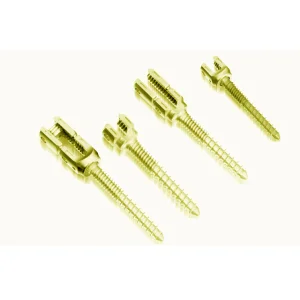
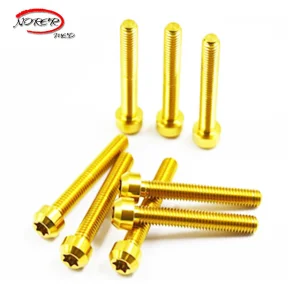
A comprehensive selection of implants, rods, spinal fixation systems, and lock components.
Implant failure is not an option. For long bone stabilization, locking nails must withstand cyclic axial loading and torsional shear stress during the healing phase before osseosynthesis is complete. At DEON Medical, our testing laboratory subjects every production batch to rigorous evaluation.
We execute tests matching major global consensus standards:
Fully verified corporate structure and production capabilities.
Technical clarifications on sourcing, regulatory compliance, and implant mechanics.
Connect directly with our engineering and procurement team. Get a customized quote, material datasheets, and regulatory compliance documents tailored for the Osaka and global healthcare markets.
Send Inquiry Now Deon Medical