Unveiling the core material properties and engineering designs shaping clinical outcomes in human and veterinary osteosynthesis.
Modern surgical techniques rely heavily on the biomechanical interaction between manufactured implants and vital bone tissue. The transition from simple structural fixation to dynamic load-sharing mechanisms has dramatically accelerated healing times and minimized long-term clinical complications. High-tier implant exporters now engineer products with custom-calibrated elasticity profiles that prevent the phenomenon known as **stress shielding**.
When selecting implants, such as spinal cages or intramedullary interlocking nails, understanding the material properties is paramount. Biocompatibility, modulus of elasticity, and osseointegration capability dictate how the body responds to foreign stabilization matrices. In both human and veterinary orthopedic medicine, utilizing materials like Medical-Grade Titanium Alloys (Grade 5, Ti-6Al-4V ELI) and PEEK (Polyetheretherketone) provides the fundamental basis for structural restoration.
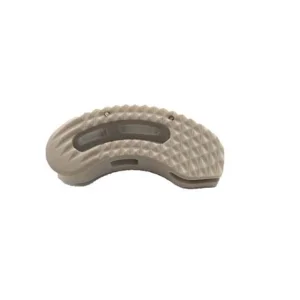
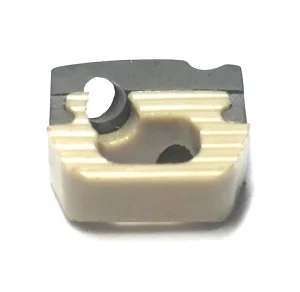
Clinical Insight: In veterinary medicine, dynamic biomechanics are particularly complex due to rapid loading cycles in quadrupedal movement. Implants like the PEEK Lumbar TLIF cage offer radiolucency, allowing surgeons to monitor fusion progress over time without artifact interference from metallic implants.
| Parameter | Medical-Grade Titanium (Grade 5) | PEEK (Polyetheretherketone) | Clinical Implications |
|---|---|---|---|
| Elastic Modulus | ~110 GPa | ~3.6 - 4.0 GPa (Unfilled) | PEEK closely mimics human cortical bone (~18 GPa) reducing stress shielding. |
| Radiolucency | Radiopaque (Causes CT/MRI artifacts) | Fully Radiolucent (X-ray transparent) | PEEK enables crystal-clear radiographic visualization of bone graft fusion. |
| Tensile Strength | ≥ 860 MPa | ~90 - 100 MPa | Titanium provides unmatched load-bearing capability for trauma nails and screws. |
| Osseointegration | Excellent (Rough/Porous coatings) | Inert (Requires plasma-spray / HA coat) | Titanium shows rapid direct mechanical interlocking with bone tissue. |
Exploring the geographical advantages, state-of-the-art precision machinery, and economic efficiencies driving global medical exports.
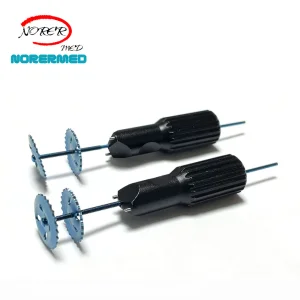
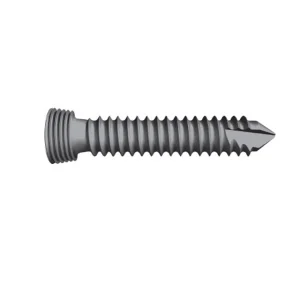
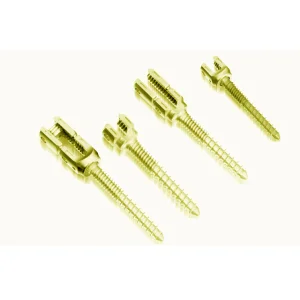
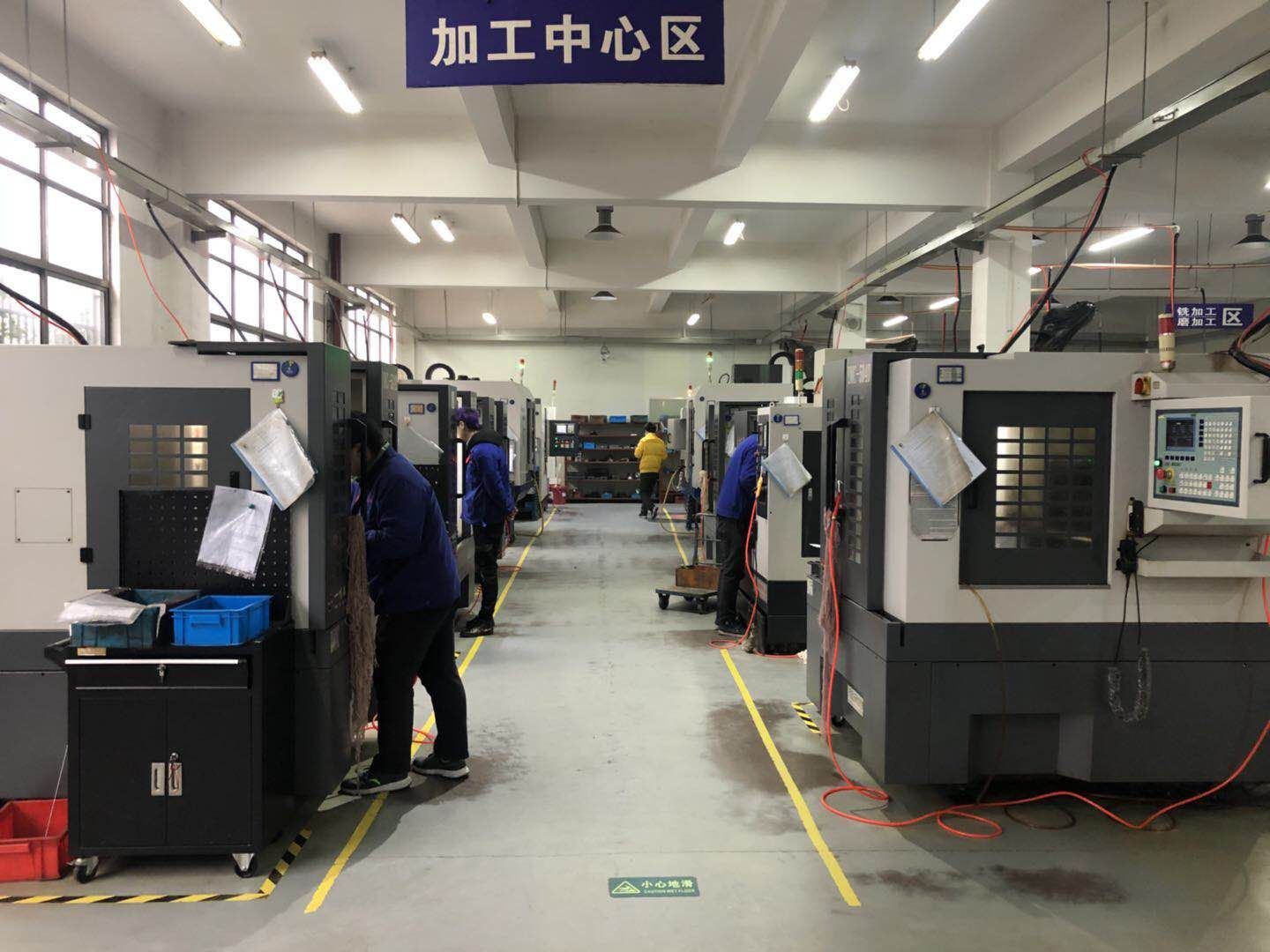
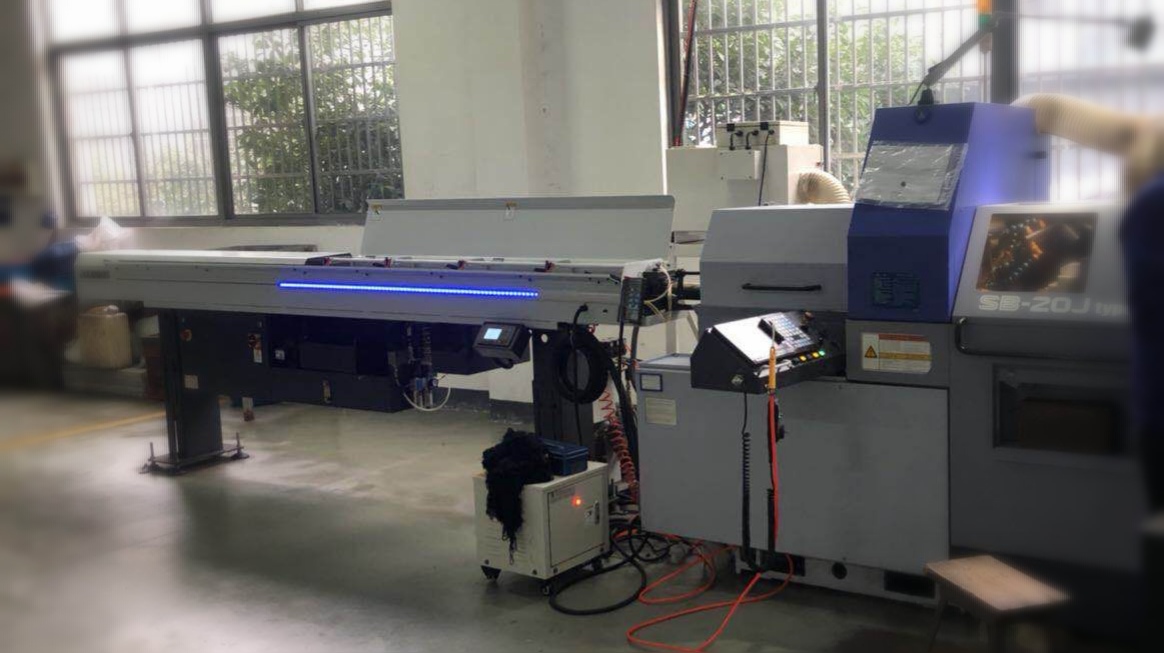
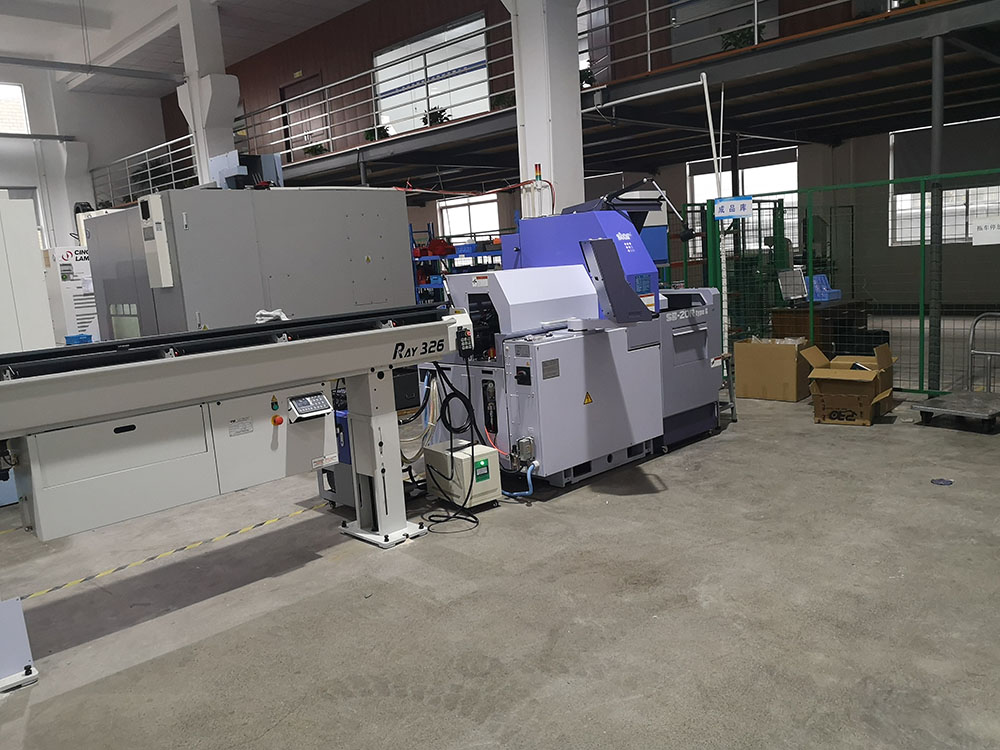
The manufacture of complex orthopedic hardware—specifically monoaxial and polyaxial pedicle screws, locking pins, and cranial locks—demands sub-micron level tolerances. Chinese factories in the Changzhou medical cluster utilize specialized Swiss-type longitudinal lathes (e.g., Citizen, Star) to produce highly complex threading profiles with absolute consistency.
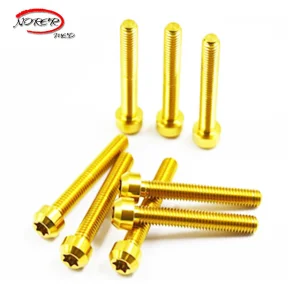
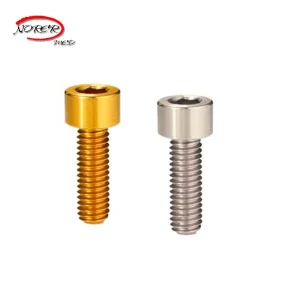
From Class II anodization of titanium components (providing visual color-coding for size identification) to acid-etching processes that create nano-rough surfaces to promote bone ingrowth, Chinese production facilities house integrated chemical processing lines compliant with global environmental and medical regulations.
With immediate access to deepwater ports in Shanghai and Ningbo, and robust air freight corridors, factories in eastern China provide dynamic logistics solutions. Exporters can ship custom instrument kits, implant lines, and raw machined rods globally with minimal lead times and optimized customs clearance handling.
An authoritative analysis of trauma restoration, spinal stabilization, and customized cranial reconstruction protocols.
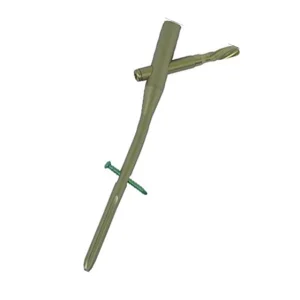
For proximal femur fractures, particularly in geriatric patients presenting with severe osteoporosis, the **PFNA (Proximal Femoral Nail Antirotation)** system represents a quantum leap in surgical technique. The helical blade compacts the cancellous bone structure during insertion, dramatically increasing stability and preventing rotational displacement compared to traditional lag screws.
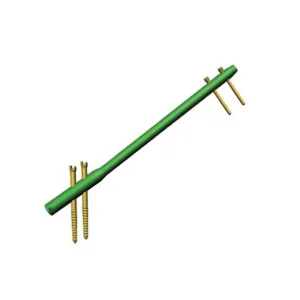
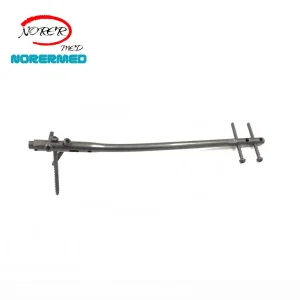
In the tibia and mid-shaft femur, **expert interlocking nail systems** act as internal splints. By sharing dynamic loads directly with the bone cortex, these intramedullary nails allow for early post-operative weight-bearing. The distal and proximal locking screws lock the implant in position, maintaining anatomical length and alignment even under high torsion stresses.
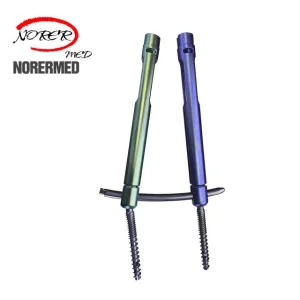
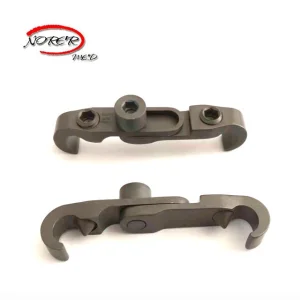
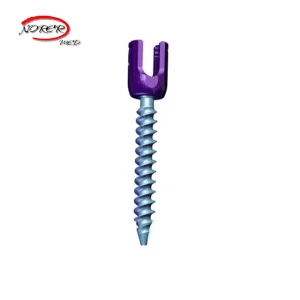
Spinal disorders, ranging from severe mechanical instability to degenerative disc disease, require highly reliable posterior stabilization. **Uniplanar and Polyaxial Pedicle Screws** enable multi-dimensional adjustment, allowing surgeons to correct spinal deformities (such as scoliosis or listhesis) before tightening the locking rods.
Simultaneously, interbody fusion cages (ACIF for cervical, TLIF for lumbar) maintain disc height and restore sagittal balance. Utilizing PEEK material ensures that post-operative CT or MRI images are not obscured by metal scattering artifacts, allowing clinicians to verify bone graft consolidation through the center of the implant cage.
Navigating international regulatory barriers, sterilized packaging protocols, and localized OEM/ODM requirements.
For global orthopaedic device procurers, sourcing from a Chinese trading or manufacturing entity involves strict compliance evaluations. The regulatory landscape demands that factories adhere to ISO 13485 (Medical Devices Quality Management Systems) and possess clear CE MDR or FDA certificates depending on the destination market.
Quality assurance starts at the raw material stage. Every batch of Titanium or PEEK processed must be backed by mill test certificates (MTC) proving compliance with ASTM F136 or ASTM F2026. Microscopic analysis prevents the inclusion of internal voids or structural grain defects that could lead to implant fatigue failure under physiological loads.
Exporters supplying ready-to-use implants must validate their packaging inside Class 100,000 cleanrooms. Using high-barrier Tyvek pouches combined with ethylene oxide (EO) or Gamma-irradiation sterilization ensures the implants maintain their sterility shelf-life (typically 5 years) during long-distance transit and local storage.
Surgical preferences differ regionally. European markets often require ultra-low-profile plates and screws to avoid soft tissue irritation, whereas distributors in emerging markets may request highly modular orthopedic surgical sets that accommodate diverse anatomical variables. A reliable exporting partner offers flexible customization of thread pitch, head configurations, and instrumentation layouts.
A premier Chinese orthopedic specialist exporting globally for over a decade.
Authorized Global Exporter & Specialized Orthopaedic Supplier
Located in the heart of Jiangsu province, China's premiere biomechanical manufacturing hub, DEON Medical (Changzhou) Co., Ltd. is a recognized specialist in the distribution and manufacture of Orthopedic Trauma bone plates, precision bone screws, orthopedic interlocking nails, orthopedic spine pedicle screws, Cervical Plates, PEEK cervical & lumbar cages, and associated orthopedic instrumentation kits.
Expert technical insights regarding raw materials, sterilization protocols, and global distribution logistics.
While the raw materials (Titanium Grade 5 and PEEK) remain identical to guarantee safety and biocompatibility, veterinary implants are designed to accommodate distinct anatomical dimensions and loading mechanisms. Quadrupedal biomechanics require high rotational stability, meaning veterinary locking plates and pedicle screws often have unique thread pitches and specialized contouring curves designed specifically for canine, feline, or equine bone structures.
DEON Medical partners with certified metallurgical labs to perform chemical composition testing and tensile strength testing on every batch of incoming raw material. This ensures strict conformity with ISO 5832-3 (for titanium alloys) and ISO 5832-11 (for titanium-aluminum-niobium alloys), preventing structural failures post-implantation.
PEEK possesses an elastic modulus of ~3.6 GPa, which is highly compatible with the elasticity of human cortical bone (~18 GPa). This close alignment prevents stress shielding (where rigid metal takes all the load, causing surrounding bone to resorb). Additionally, PEEK is fully radiolucent, enabling surgeons to easily monitor the bone fusion progression inside the cage.
For custom OEM/ODM manufacturing requests, DEON Medical provides Certificate of Conformity (CoC), Material Test Reports (MTR), sterility validation reports, and ISO 13485 certification details. These documents are vital for local health authority registration and customs clearance in importing countries.
 Deon Medical