Explore our top-tier precision-machined titanium hardware and biocompatible polymeric constructs engineered for stabilization and structural integrity.
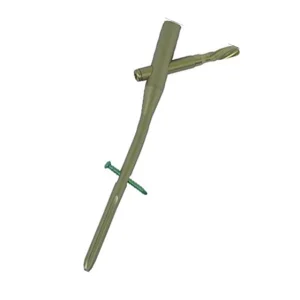
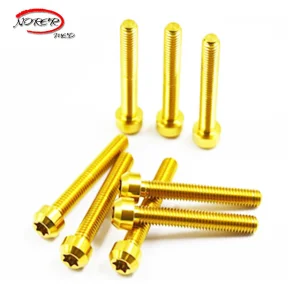
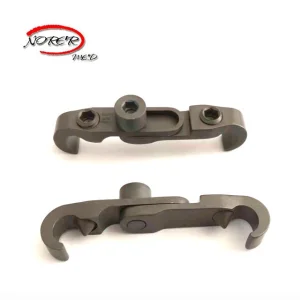
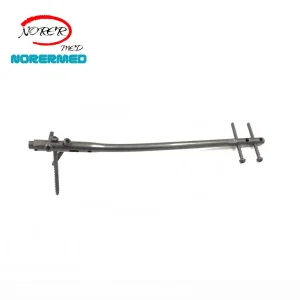
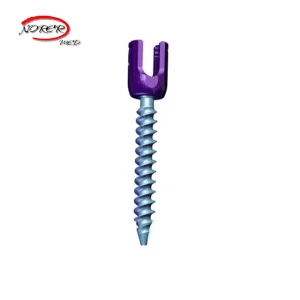
In the landscape of modern orthopedic trauma reconstructive surgeries, soft tissue repair devices form the cornerstone of successful postoperative healing and patient mobilization. Biomechanical research establishes that soft tissues, including ligaments, tendons, and surrounding myofascial layers, require absolute stabilization of their underlying osseous anchors to recover structural integrity. Without precision-designed orthopedic hardware—such as interlocking intramedullary nails, pedicle screw fixation systems, and specialized cranial locking mechanisms—soft tissues are subjected to shear forces that induce chronic inflammation, fibrous scarring, and healing failures.
From a macro industry perspective, the convergence of soft tissue restoration and skeletal stabilization has catalyzed the development of advanced biomaterials. Devices constructed from medical-grade Titanium alloys (Ti-6Al-4V ELI) and PEEK (Polyetheretherketone) represent the zenith of implant safety. These materials minimize histological reaction, resist corrosion, and offer elastic moduli that mimic native biological structures, thereby optimizing load transfer and mitigating stress shielding.
The global medical device market is undergoing rapid evolution. Key drivers include rising geriatric populations, a surge in sports-related orthopedic trauma, and an exponential increase in the companion animal veterinary surgical sector. Historically dominated by multi-national corporations, the supply chain is shifting towards agile, technologically advanced manufacturers in Asia who offer state-of-the-art CNC machining, stringent quality assurance protocols, and customizable OEM/ODM solutions.
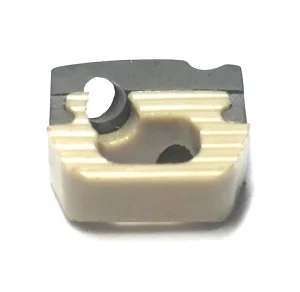
In regions such as North America and the European Union, regulatory frameworks (such as the EU Medical Device Regulation 2017/745 and FDA 510(k) pathways) mandate strict documentation of material sourcing, chemical composition, biocompatibility validation, and mechanical fatigue profile. Manufacturers must prove that their devices, whether human-grade spinal pedicle screws or veterinary-specific ACIF PEEK cages, satisfy rigorous mechanical criteria before clinical deployment.
Raw materials are fully traceable, accompanied by mill test certificates for medical titanium and premium PEEK resins.
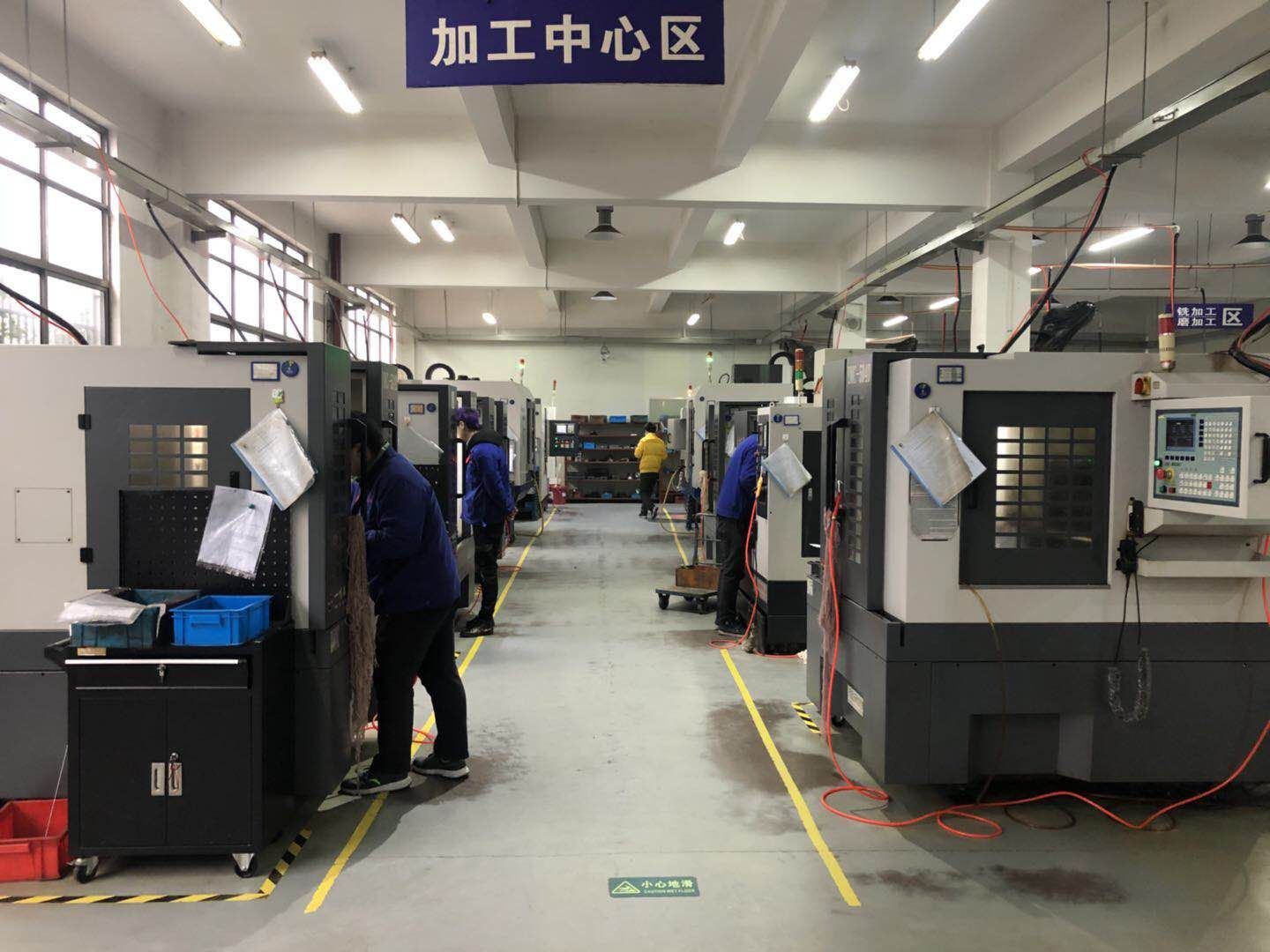
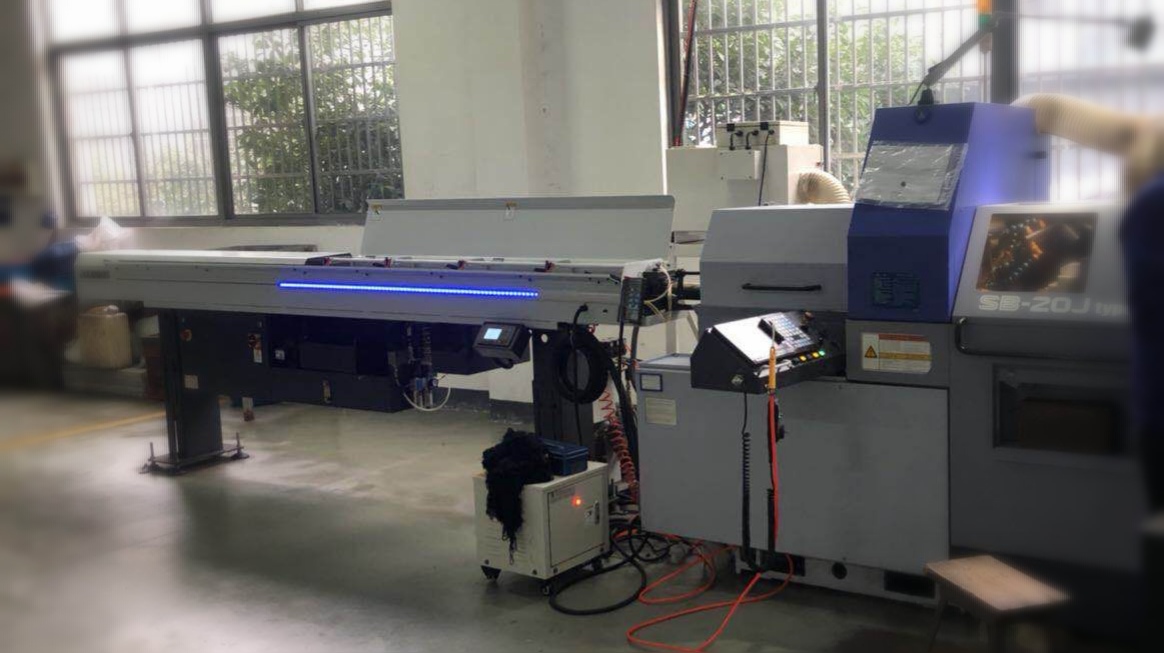
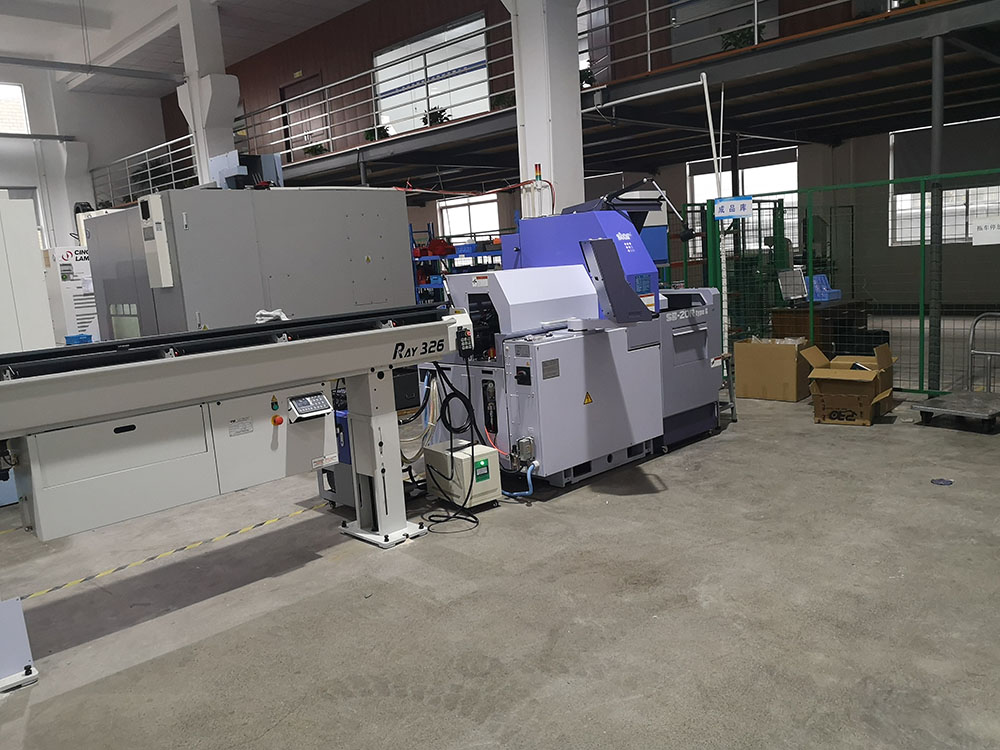
Advanced multi-axis CNC machines maintain tolerances within single-digit micrometers for complex locking threads.
Implant manufacturing incorporates multi-stage ultrasonic cleaning to eliminate pyrogens and organic residues.
A notable trend is the cross-applicability of orthopedic implants between human reconstructive procedures and advanced veterinary medicine. Veterinary orthopedic trauma demands identical, and sometimes even more robust, mechanical properties due to the biomechanical forces exerted by quadrupeds.
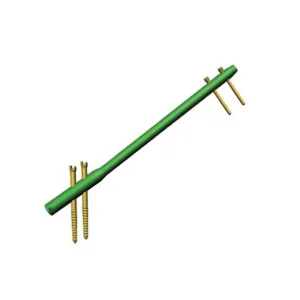
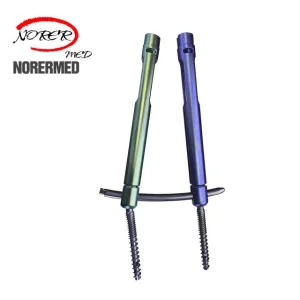
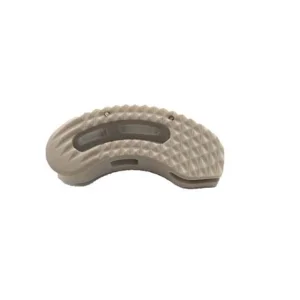
For instance, PEEK Cervical and Lumbar TLIF Cages are widely utilized in spinal stabilization protocols for canine and feline patients experiencing degenerative disc diseases. Concurrently, human femur reconstruction benefits from interlocking systems like the GAMA and PFNA nails. These nails prevent rotation and preserve the biological microenvironment of the surrounding soft tissues, enhancing bone union rates without compromising vascular supply.
Choosing the correct biomaterial interface is crucial for achieving high healing success rates. Titanium (specifically Grade 5 ELI, ASTM F136) is ideal for load-bearing structures. Its surface profile encourages osteoblast adhesion, leading to direct osseointegration. On the other hand, PEEK (Polyetheretherketone) is highly valued in spinal and fusion surgeries due to its radiolucency. This characteristic allows surgeons to monitor bone growth through radiographic images without interference. Furthermore, PEEK’s modulus of elasticity is highly compatible with human cortical bone, reducing stress shielding and bone resorption around the implant.
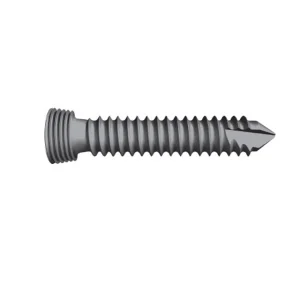
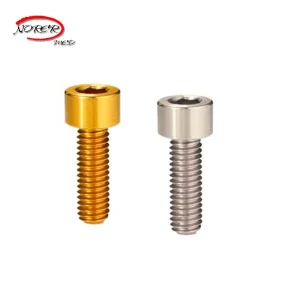
Implants must withstand millions of cycles of physiological stress. Our production workflows include rigorous fatigue testing protocols matching ISO and ASTM standards (such as ASTM F1717 for spinal implants and ASTM F382 for bone plates). These tests confirm that locking screws, crosslink rods, and interlocking nails can endure dynamic mechanical loads without structural fatigue or mechanical failure.
A1: We construct our implants using premium medical-grade Titanium Alloys (Ti-6Al-4V ELI / ASTM F136) and biocompatible PEEK (Polyetheretherketone). These materials are chosen for their superior biocompatibility, mechanical strength, and corrosion resistance.
A2: Yes. Many of our precision implants—including the PFNA interlocking nails, pedicle screws, and PEEK cervical cages—are designed with universal biomechanical principles, making them highly effective for both human orthopedic surgery and specialized veterinary procedures.
A3: We utilize advanced multi-axis CNC Swiss-type lathes and machining centers. Each production batch undergoes rigorous dimension inspection, surface roughness checks, and mechanical stress validation in compliance with ISO quality management protocols.
A4: PEEK offers radiolucency, meaning it does not obstruct X-ray or CT imaging, allowing surgeons to monitor fusion progress clearly. Additionally, PEEK's elastic modulus is closer to natural bone, which reduces stress shielding and helps prevent implant subsidence.
A5: Our Titanium Cranial Skull Lock provides rigid, stable fixation of bone flaps post-craniotomy. By eliminating micromovement, it prevents irritation to the overlying scalp soft tissues and underlying dura mater, promoting faster and safer healing.
A6: We manufacture an extensive range of interlocking systems, including Expert Tibial Interlocking Nails, Femoral Femur Interlocking Nails (GAMA), and Proximal Femoral Nail Antirotation (PFNA) systems, catering to diverse anatomical structures and fracture types.
A7: Absolutely. As a combined manufacturer and trading entity with 10 years of experience, we provide custom design modifications, material profiling, packaging adaptations, and private labeling to meet the regulatory requirements of different countries.
A8: We maintain a dedicated export logistics team that coordinates safe, trace-monitored shipping. We provide complete documentation packages, including material certificates, conformity declarations, and origin documents, ensuring a smooth customs clearance process globally.
Premium medical assemblies and components configured for high-stress anatomical environments.
 Deon Medical