Integrating state-of-the-art bio-compatible polymers, spinal fixation systems, and custom orthopedic implants supporting comprehensive patient rehabilitation.
An authoritative analysis of B2B procurement vectors, patient demographics, and advanced materials engineering.
The global healthcare industry is witnessing an unprecedented surge in demand for reliable, clinical-grade ostomy care solutions. Driven by rising incidences of colorectal cancers, inflammatory bowel disease (IBD), diverticular disorders, and acute abdominal trauma, the ostomy care market requires high-integrity manufacturing and reliable global B2B supply lines. For international hospital networks, medical distributors, and specialized rehabilitation clinics, partnering with a Top Trusted Ostomy Devices Supplier is not merely a purchasing transaction; it is a critical strategy to ensure patient safety, minimize peristomal skin complications (PSCs), and optimize total cost of ownership.
Strategic B2B sourcing in this sector focuses heavily on three pillars: skin barrier reliability, odor filtration mechanics, and secure adhesive lock systems. Today's advanced procurement professionals require partners who can bridge high-precision manufacturing with medical-grade soft polymer formulations. Whether dealing with colostomy, ileostomy, or urostomy management systems, the selection of barrier substrates (e.g., hydrocolloids infused with skin protectants) determines patient adherence and reduces post-surgical complications. The supply chain must guarantee zero defects, high shelf-life stability, and comprehensive regulatory tracking from raw polymer to patient-ready sterilization pouch.
Hospital systems prioritize skin barrier endurance (wear-time from 3 to 7 days), flexible locking rings, and high gas-filtration efficiencies to prevent bag ballooning. Robust supply continuity reduces clinical bottlenecks.
Formulations combining carboxymethylcellulose (CMC), pectin, and gelatin optimize sweat absorption and adhesion. This specialized technology protects the delicate peristomal tissue from enzymatic damage.
Full alignment with FDA 510(k), CE Medical Device Regulation (MDR) 2017/745, and ISO 13485 cleanroom validation protocols ensures hassle-free customs clearance and premium clinical trust.
How orthopedic manufacturing standards raise the quality threshold for dynamic clinical and ostomy systems.
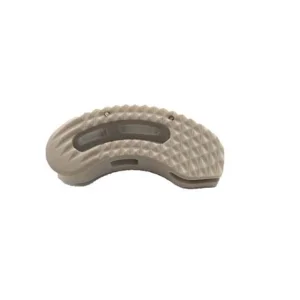
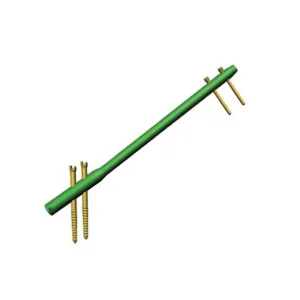
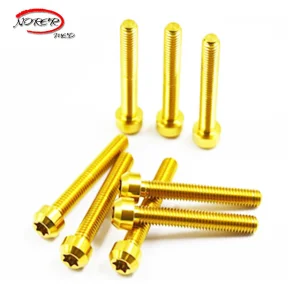
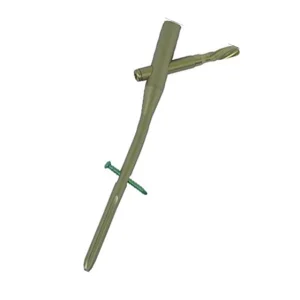
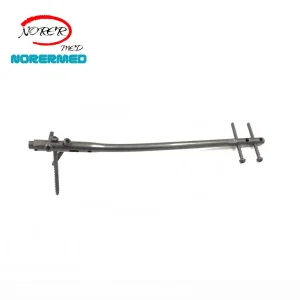
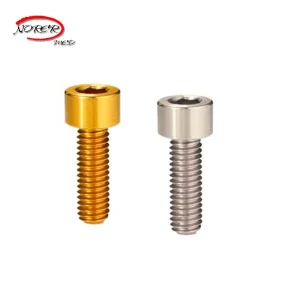
At first glance, rigid orthopedic trauma implants (such as Titanium femoral interlocking nails or PEEK spinal cages) and soft ostomy care systems appear to occupy separate domains of biomedical engineering. However, the fundamental manufacturing science reveals deep commonalities. The tooling precision, biocompatibility screening, and micro-tolerance machining required to produce human implantable products (like DEON Medical's PEEK cages and orthopedic titanium screws) are the very skills required to optimize complex ostomy accessories. From precision injection molding of two-piece ostomy bag coupling rings to creating hermetically sealed, odor-proof polymer layers, precision is critical.
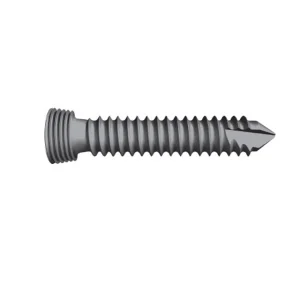
Medical-grade PEEK (Polyetheretherketone) and high-tensile titanium alloys are revered for their mechanical stability, biocompatibility, and chemical resistance. When applied to modern medical-grade plastics, these same principles demand cleanroom environments, trace contaminant screening, and strict quality control. The micro-flutes on surgical screws and the interlocking mechanisms of femoral nails share engineering principles with the interlocking flanges of mechanical-coupling ostomy pouches. By implementing high-level orthopedic manufacturing controls, modern suppliers ensure that leak-proof seals, security clips, and physical connectors operate flawlessly under real-world physiological stresses.
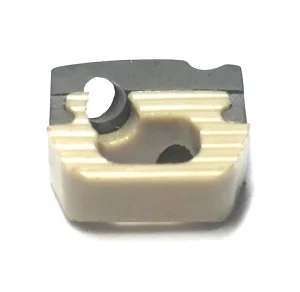
Using Polyetheretherketone (PEEK) for load-bearing structures guarantees non-corrosive, highly stable implant solutions. This material sets the benchmark for high-durability medical polymers.
We utilize CNC titanium machining to achieve structural tolerances measured in microns. This guarantees absolute mechanical reliability for surgical implants and medical connections.
Every batch of raw medical polymers and metals undergoes rigorous testing to meet ISO 10993 cytotoxicity, sensitization, and irritation standards, protecting delicate skin and internal tissues.
Mapping the integration of smart sensors, sustainable bio-plastics, and custom B2B manufacturing cycles.
The medical device landscape is evolving rapidly. Suppliers must anticipate technological shifts to keep their product offerings competitive. Over the next five years, the industry will pivot toward smart, connected patient care. In ostomy device design, this means integrating flexible, printed bio-sensors within the skin barrier. These micro-sensors monitor moisture levels, changes in pH, and skin temperature, notifying patients and clinical care teams of minor leakages before skin irritation occurs. Concurrently, B2B procurement networks are demanding eco-friendly materials—spurring research into biodegradable barrier films and flushable ostomy bag materials that reduce plastic waste without compromising safety.
In the field of orthopedic trauma implants, the technical roadmap centers on customized implant designs and osteoconductive coatings. By combining precise titanium screw machining with advanced surface treatments (such as acid-etching or hydroxyapatite coating), implants can integrate faster and more securely with bone tissue. B2B medical buyers look for agile manufacturers who can execute these custom OEM/ODM designs. As a trusted medical manufacturer, DEON Medical continuously refines its production lines, preparing to deliver custom-shaped bone plates, PEEK spinal cages, and medical-grade elastomer assemblies that align with future digital and patient-centric healthcare systems.
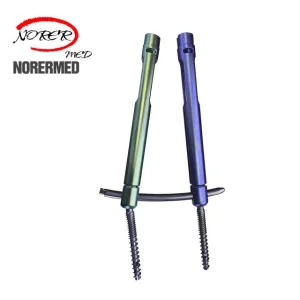
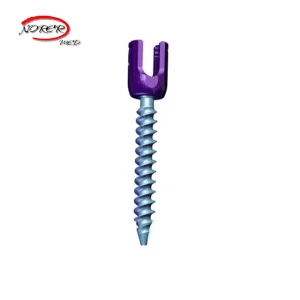
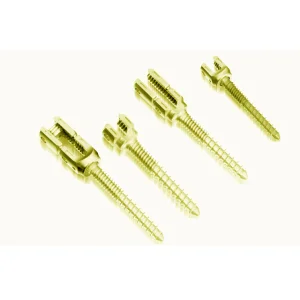
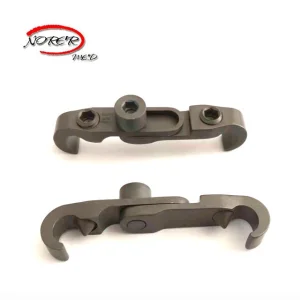
Located in the high-tech medical manufacturing cluster of Changzhou City, Jiangsu Province, China, DEON Medical (Changzhou) Co., Ltd. is a dedicated manufacturer of orthopedic trauma bone plates, bone screws, interlocking nails, spine pedicle screws, Cervical Plates, PEEK cervical & lumbar cages, and related surgical instruments.
By using premium titanium alloys and biocompatible PEEK polymers, we serve as a trusted B2B partner for distributors, hospital groups, and medical trading networks. Our engineering team combines technical experience with modern production systems to deliver reliable products that meet global standards.
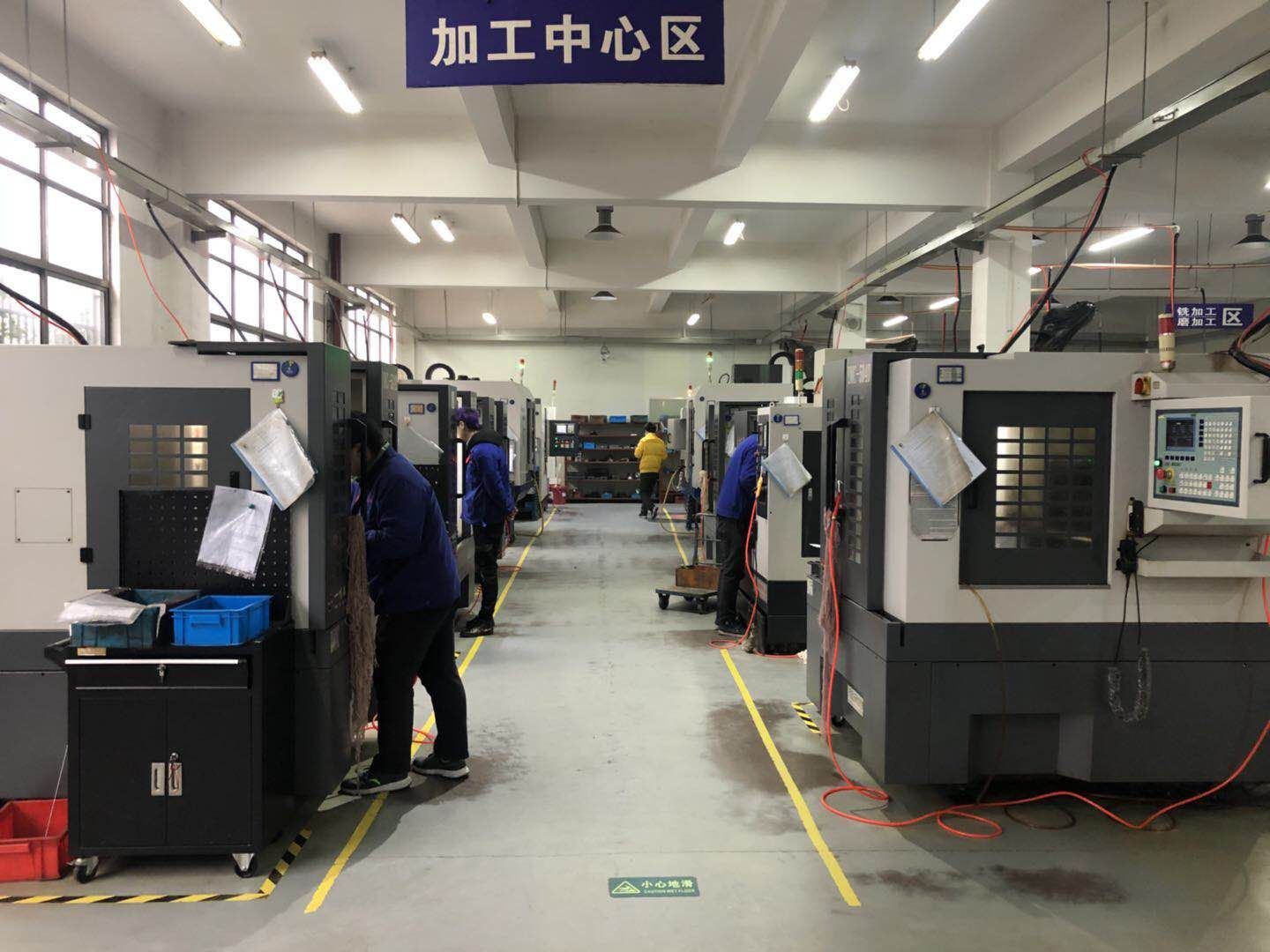
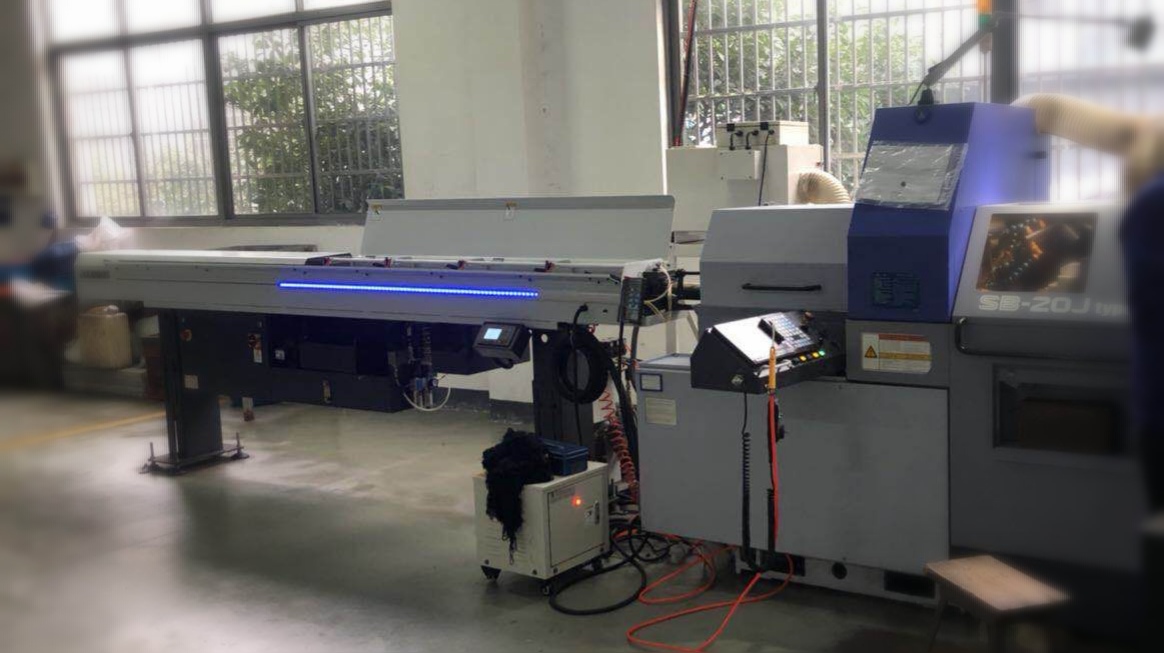
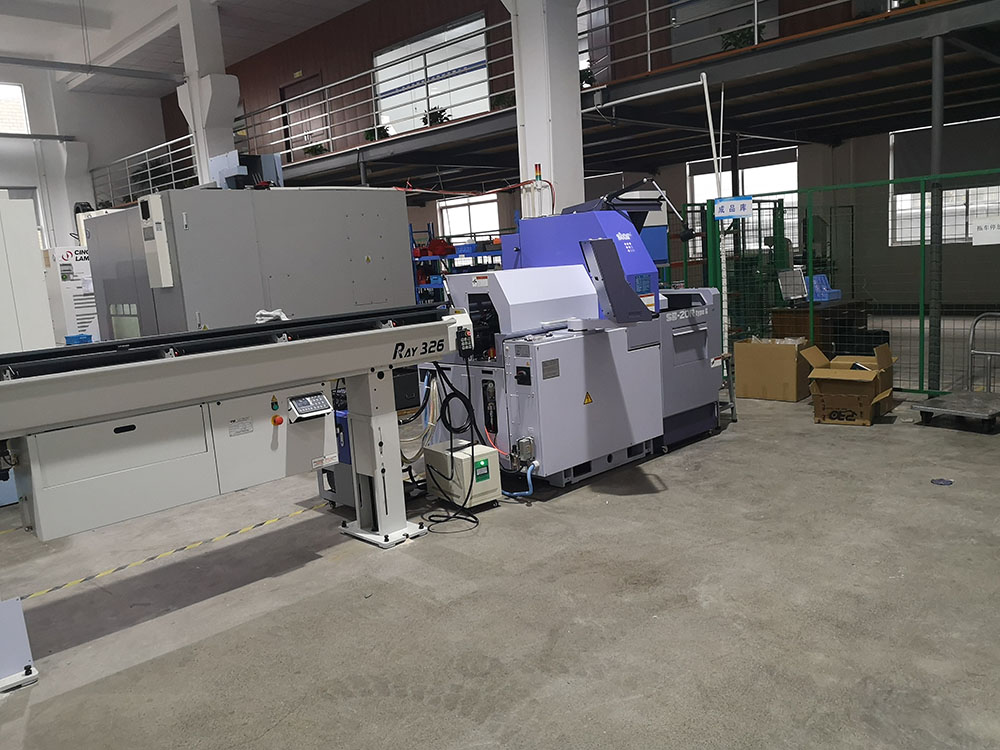
Our ISO-certified manufacturing facility features precise CNC mills, Swiss lathe machinery, and strict cleanroom environments. This setup ensures that every surgical implant, bone screw, and medical component meets exact dimensional tolerances.
Meeting the strict standards of global health authorities to ensure safe, cross-border medical sourcing.
Navigating the global regulatory landscape is a primary challenge for medical device distributors. To import and distribute surgical implants or ostomy care devices, you must partner with a supplier who maintains a complete quality management system. At DEON Medical, our manufacturing processes are built around ISO 13485 (Medical Devices - Quality Management Systems). This system ensures raw material traceability, clean production standards, and consistent post-market surveillance. Every surgical plate, spinal screw, and customized medical assembly has a documented manufacturing history, enabling complete quality tracing throughout the supply chain.
In addition to ISO standards, our products comply with regional medical device regulations:
Answers to key questions regarding B2B medical procurement, materials safety, and supply chain logistics.
High-tolerance orthopedic devices and trauma solutions manufactured to international clinical standards.
 Deon Medical