Direct access to clinical-grade titanium fixation assemblies and osteotomy components manufactured to ISO 13485 requirements.
Evaluating the clinical superiority of Ti-6Al-4V ELI (Grade 5) and PEEK configurations in stabilizing structural loads.
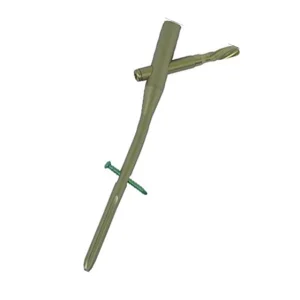
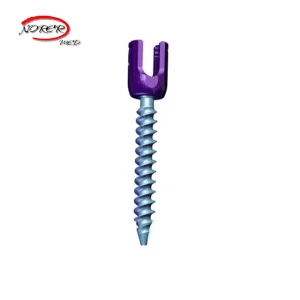
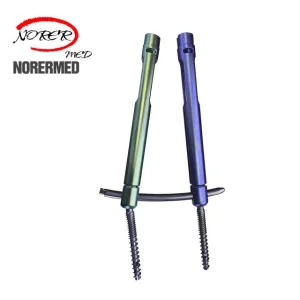
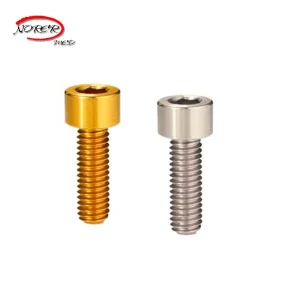
The performance of modern bone plates, intramedullary nails, and pedicle screws rests heavily on material composition. DEON Medical utilizes Ti-6Al-4V Extra Low Interstitial (ELI), an alloy engineered specifically for surgical implants. This grade provides a tensile strength exceeding 860 MPa while maintaining a comparatively low elastic modulus (~110 GPa) relative to stainless steel. This property minimizes the risk of stress shielding—the biomechanical process where rigid implants absorb all kinetic load, causing adjacent bone to resorb due to lack of mechanical stimulation.
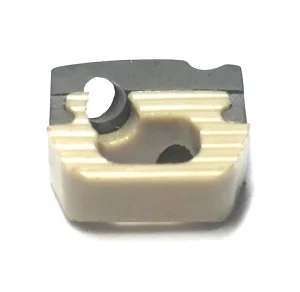
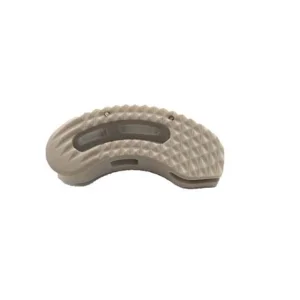
For interbody fusion (ACIF, TLIF, PLIF), PEEK is the primary clinical material. Featuring an elastic modulus of ~3.6 GPa, PEEK mimics the elasticity of human trabecular and cortical bone, fostering physiological load sharing. Additionally, its radiolucent properties allow surgeons to accurately monitor post-operative bone growth and fusion progress using standard X-ray imaging, without the scattering artifacts caused by metallic materials.
Adaptive implant configurations optimized for human clinical settings and specialized veterinary operations.
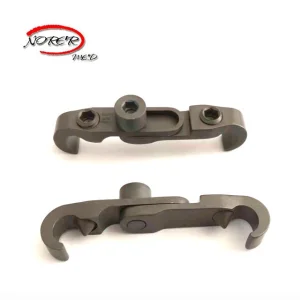
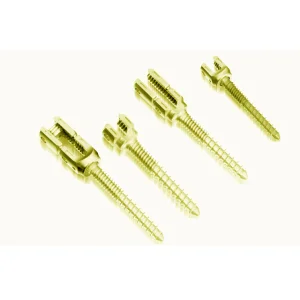
Surgical treatments for human degenerative spine diseases, spondylolisthesis, and skull fractures demand precise dimensions. Cranial skull locks secure cranial flaps after craniotomies, preventing bone displacement. For spinal fusion, pedicle screws and rods stabilize the vertebral column, encouraging arthrodesis and reducing neurological risk.
Veterinary orthopedics covers a broad range of biological needs, from toy canine breeds to large feline and equine patients. Miniaturized interlocking nails and locking plates are designed to withstand the rapid, high-impact activities of animals during recovery, offering structural support that allows for early weight-bearing.
ACIF and TLIF cages allow surgeons to use lateral or posterior approaches, minimizing soft-tissue disruption. With specialized insertion instruments and locking mechanisms, these cage implants stay securely positioned, lowering the risk of migration and promoting rapid fusion across both human and animal patients.
Exploring additive manufacturing, bio-active coatings, and smart diagnostic sensor networks.
Future development targets the integration of 3D-printed trabecular titanium mesh structures. By matching the porosity of natural bone, these designs encourage direct bone ingrowth (osseointegration) and establish a strong biological connection between bone and implant.
R&D efforts are focused on advanced chemical processes, such as hydroxyapatite (HA) coating and plasma-sprayed calcium phosphate. These coatings speed up the early-stage bonding process, which is especially beneficial for patients with compromised bone density.
We are exploring the inclusion of micro-biosensors in spinal and fracture stabilization implants. These sensors measure real-time load distribution, helping clinicians monitor healing progress and identify implant failure or infection risks before they escalate.
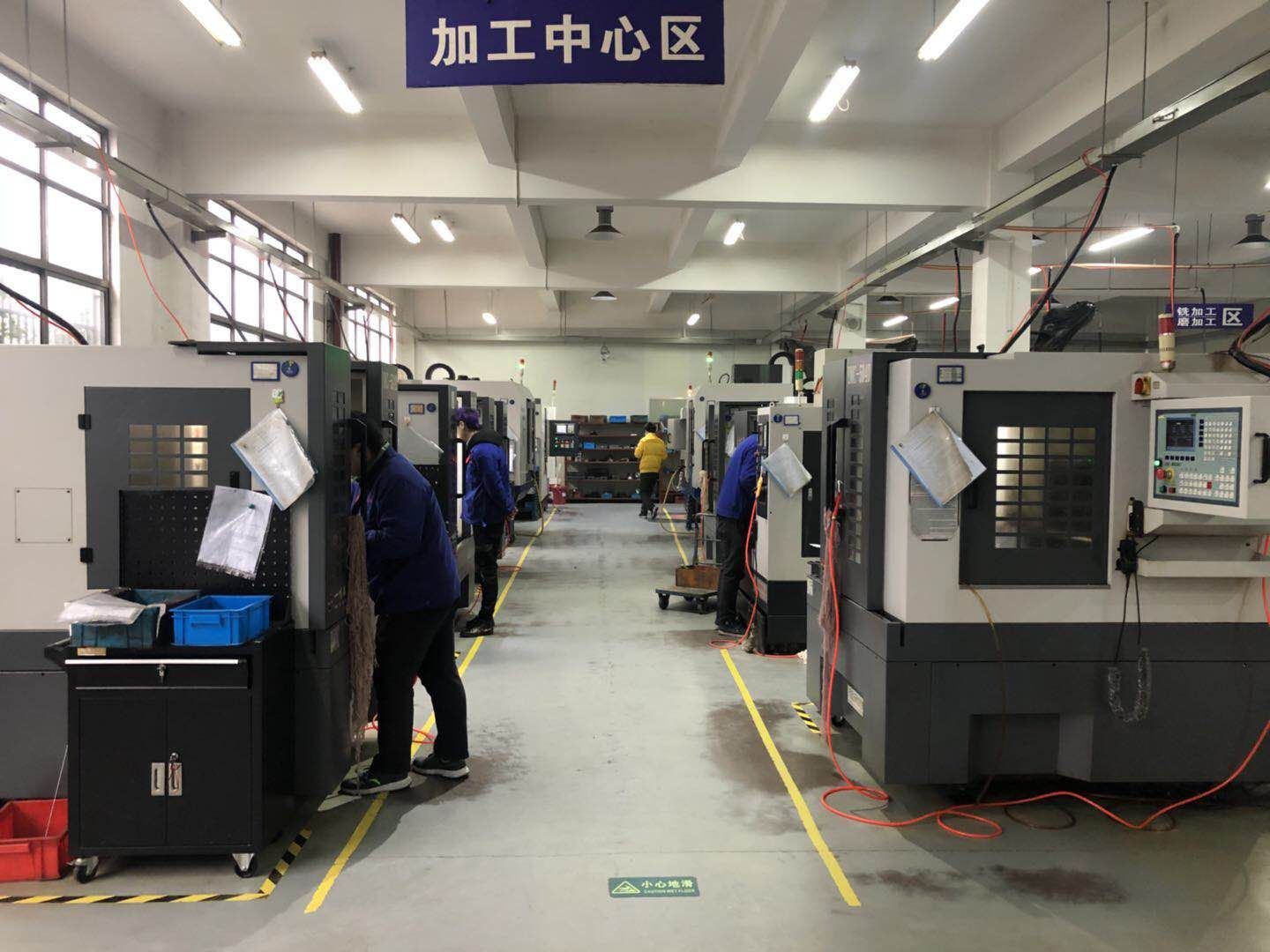
Our production facilities are situated in Changzhou, Jiangsu Province—a premier hub for medical device manufacturing in China. This location allows DEON Medical to manage a reliable, end-to-end supply chain that ensures both strict quality control and efficient production lead times.
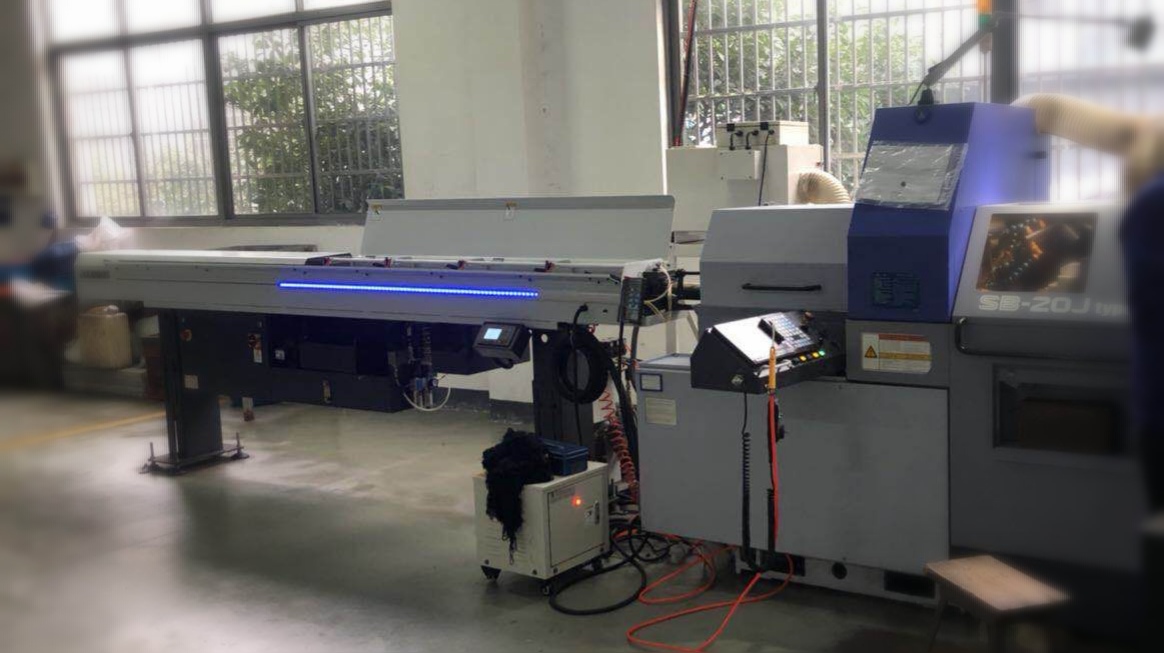
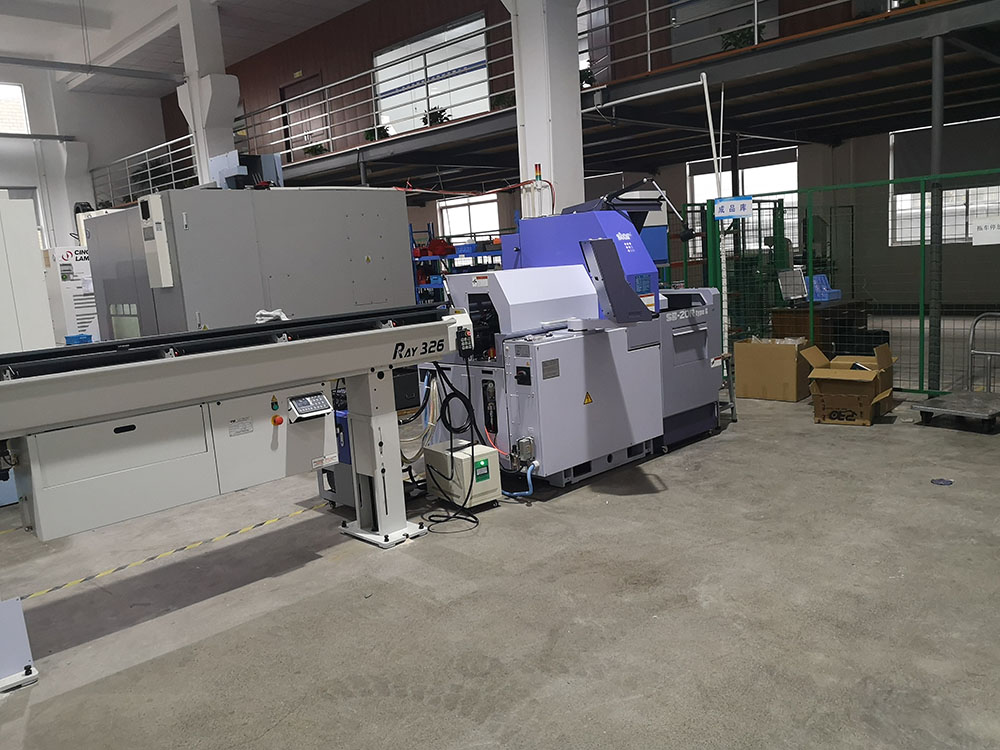
From sourcing certified raw materials to utilizing Swiss-type multi-axis CNC machines and automated testing equipment, every step of our manufacturing is optimized for precision. By keeping core processes close together, we control quality at every stage while keeping production costs manageable.
Ensuring cross-border medical compliance and product safety across international healthcare markets.
Navigating global healthcare regulations requires complete technical documentation. DEON Medical maintains detailed technical files containing biomechanical test reports, biocompatibility evaluations (ISO 10993), and clinical validation histories, helping our partners secure local medical registrations.
Every shipment is backed by a complete quality documentation package, including Material Test Reports (MTR), Certificate of Conformity (CoC), and dimensional inspection reports. Laser-marked QR and serial codes on each implant ensure full traceability back to the raw material batch.
Our packaging solutions preserve product integrity from transit to the sterile operating room. We offer both bulk non-sterile implants for local sterilization and custom double-barrier sterile packaging, designed to prevent contamination and protect fine implant threads.
A professional manufacturing partner specializing in orthopedic trauma, spinal fixation, and custom implants.
Located in the Changzhou medical development zone, DEON Medical manufactures and exports high-performance orthopedic systems. Our product catalog includes trauma bone plates, bone screws, interlocking nails, spinal pedicle screws, cervical plates, and PEEK cervical and lumbar cages.
By blending advanced manufacturing capabilities with responsive customer service, we act as a reliable partner for medical device distributors, orthopedic hospitals, and veterinary clinics worldwide. Our team is committed to delivering consistent product quality, helping healthcare providers improve patient outcomes.
High-precision Swiss CNC lathes machining titanium screw threads within strict tolerances.
Multi-stage inspection protocols verify structural integrity and dimensional accuracy.
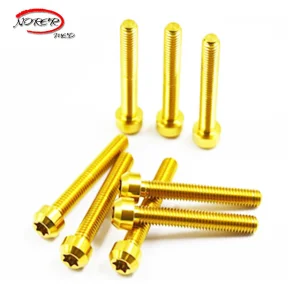
A comprehensive collection of bone screws, plates, and spinal implants ready for global export.
Answers to common questions about material certification, production capacities, and international shipping.
We primarily manufacture using surgical-grade titanium alloy Ti-6Al-4V ELI (ASTM F136 / ISO 5832-3) and pure medical titanium (Grades 2 and 4). For interbody spinal fusion cages, we use medical-grade Polyetheretherketone (PEEK Optima), which closely matches the elasticity of human cortical bone.
Our manufacturing is certified under the ISO 13485:2016 quality management system. Raw material batches are verified using chemical and mechanical testing, and all critical machining steps are conducted in controlled production environments. Traceability documentation is maintained for every product batch.
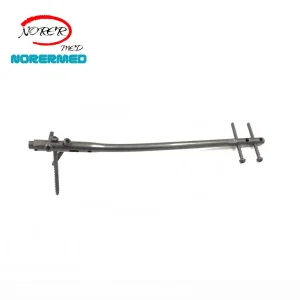
Yes. Many of our core designs, including PFNA interlocking nails, spinal pedicle screws, and locking bone plates, are engineered for use in both human trauma surgeries and advanced veterinary procedures for canine, feline, and equine patients.
Standard catalog items typically ship within 7 to 15 business days. Larger bulk orders or custom OEM/ODM production runs generally require 30 to 45 days, depending on technical specifications, toolpaths, and compliance documentation requirements.
Yes. We work closely with medical distributors and R&D teams to manufacture implants based on custom technical drawings or 3D CAD designs. We handle custom CNC programming, surface treatments (anodizing, sandblasting), and laser marking.
We offer non-sterile implants packaged in protective double-layer PE bags, as well as pre-sterilized packaging configurations. All items are securely packed in cushioned shipping containers to protect high-precision threads during international transit.
Yes. We provide comprehensive documentation support, including ISO 13485 certificates, material test sheets, mechanical performance data, and biocompatibility records, helping our clients navigate regulatory processes in their target markets.
We maintain flexible MOQ policies to support both large-scale distribution networks and specialized veterinary clinics. For standard inventory items, we accept low-volume sample orders to allow for quality and sizing verification before larger commitments.
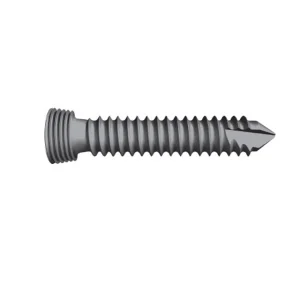
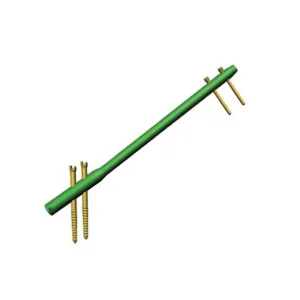
Explore our range of orthopedic nails, specialized bone screws, and spinal support components.
 Deon Medical