Explore our foundational range of titanium screws, interlocking nails, and spinal fixation systems engineered for superior biomechanical integration.
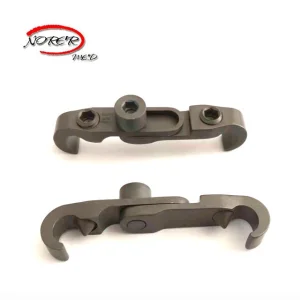
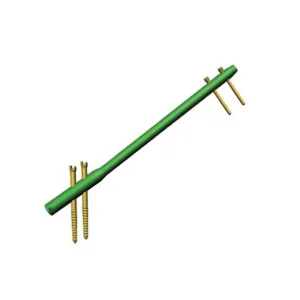
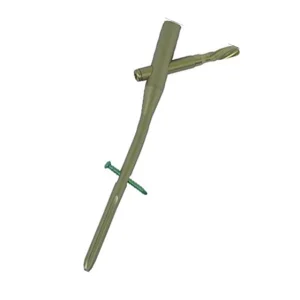
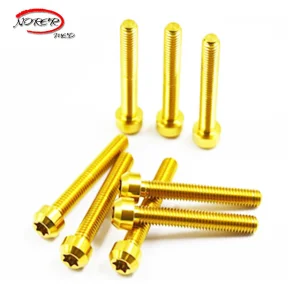
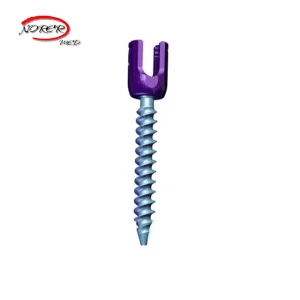
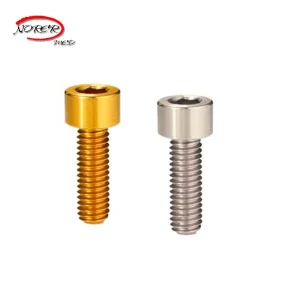
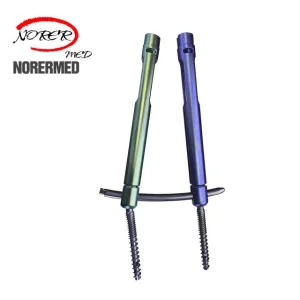
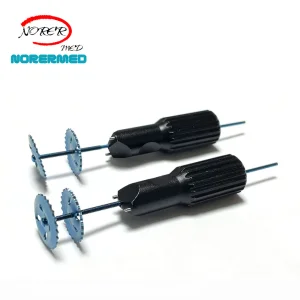
Total Hip Arthroplasty (THA) demands a profound intersection of biomechanics, material engineering, and surface chemistry to restore patient mobility and ensure long-term implant survival.
Modern hip prosthesis components minimize friction using pairings like Ceramic-on-Highly Crosslinked Polyethylene (CoP) or Ceramic-on-Ceramic (CoC). This reduces volumetric wear rates to under 0.1 mm³/year, preventing osteolysis and aseptic loosening.
Tapered wedge designs and anatomical fits distribute stress evenly across the femur, preventing stress-shielding. This layout preserves bone mineral density in proximal zones while ensuring reliable primary mechanical stability.
Using titanium plasma spray (TPS) and plasma-sprayed Hydroxyapatite (HA) coatings creates a microscopic porous interface. This stimulates bone growth directly onto the implant surface, ensuring permanent secondary fixation.
In total hip systems, the femoral stem's modular neck length, offset parameters, and neck-shaft angles (typically 127° to 135°) must accommodate diverse anatomical variants. When sourcing from factories, checking parameters like fatigue strength under ISO 7206-4 and ISO 7206-6 testing is crucial for ensuring the implant can handle millions of cycles under physiological loads.
The manufacturing process for joint implants is transitioning from subtractive machining to intelligent, additive technologies that enable personalized patient care.
Electron Beam Melting (EBM) and Direct Metal Laser Sintering (DMLS) are transforming hip cup production. Using 3D-printed trabecular titanium mesh creates an optimal porosity (~60-70%) and pore size (300-600 μm), closely mimicking natural cancellous bone structure for rapid osseointegration.
Newer-generation implants utilize Diamond-Like Carbon (DLC) coatings and PVD titanium nitride layers to improve hardness and scratch resistance. These techniques minimize abrasive wear from third-body particles like bone cement or cortical bone fragments.
| Implant Generation | Material Configuration | Key Performance Limit | Primary Clinical Target |
|---|---|---|---|
| 1st Generation (Traditional) | Stainless Steel / CoCrMo + UHMWPE | Delivers high wear rate (>0.2 mm/year) | Elderly patients with low physical activity demands |
| 2nd Generation (Standard) | Titanium Alloy + Highly Cross-linked Poly (XLPE) | Volumetric wear reduced by up to 80% | Active adult patients; reduces risk of osteolysis |
| 3rd Generation (Current State-of-the-Art) | 3D Porous Titanium + BIOLOX® delta Ceramic | Sub-micron volumetric wear; rapid osseointegration | Young, high-demand patients and complex revisions |
| Next Gen (Future Roadmap) | Biocompatible PEEK/Carbon Composites & Sensors | Near-zero wear; integrated telemetry for load monitoring | Smart implants that monitor structural integrity and healing |
Changzhou, located in Jiangsu Province, is a major global manufacturing hub for orthopedic implants and trauma hardware.
Our location in Changzhou gives us access to a complete supply chain. Raw materials like medical-grade titanium bars (ASTM F136) and specialized PEEK polymers are sourced locally, reducing transport delays and ensuring stable production.
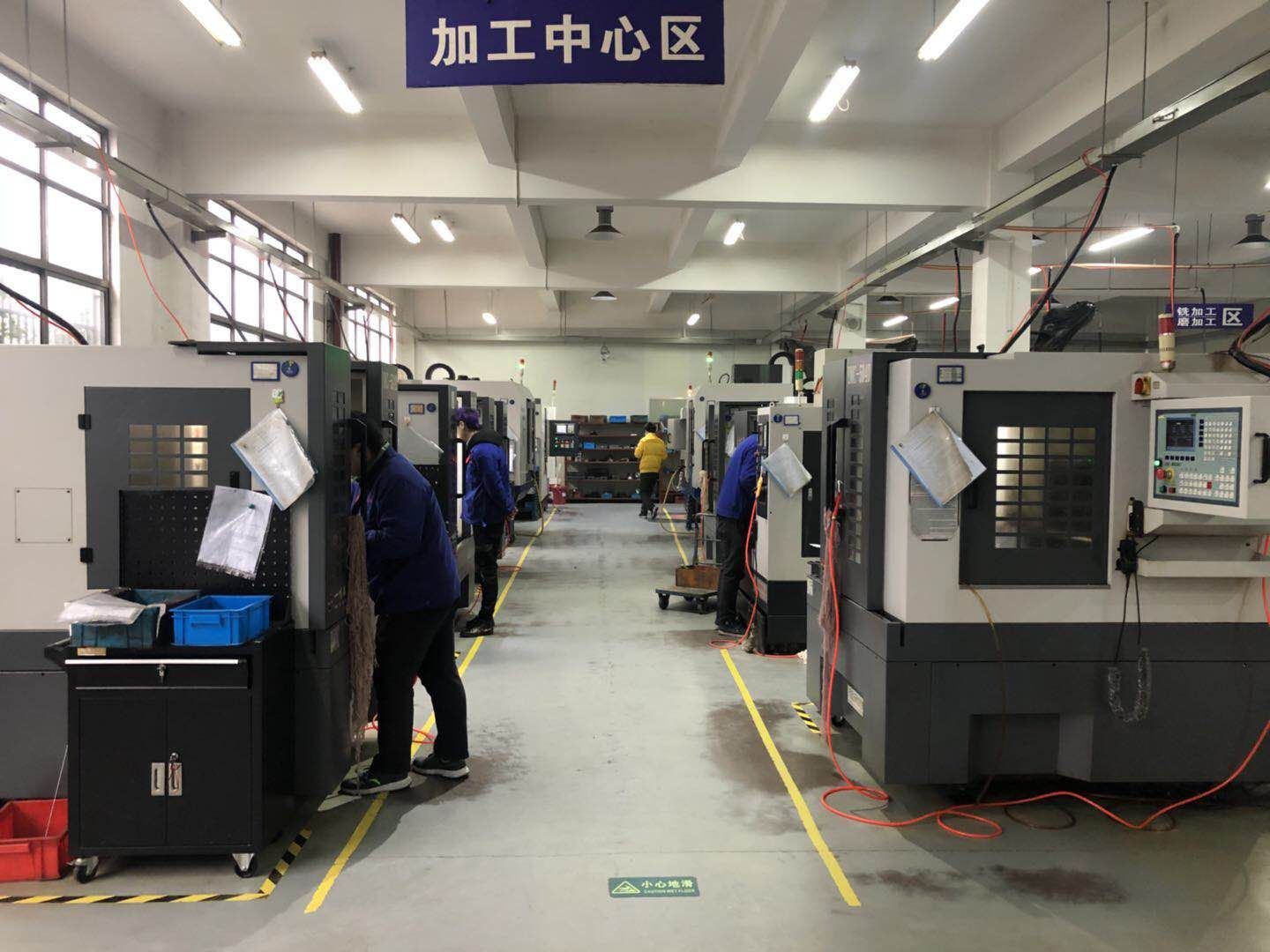
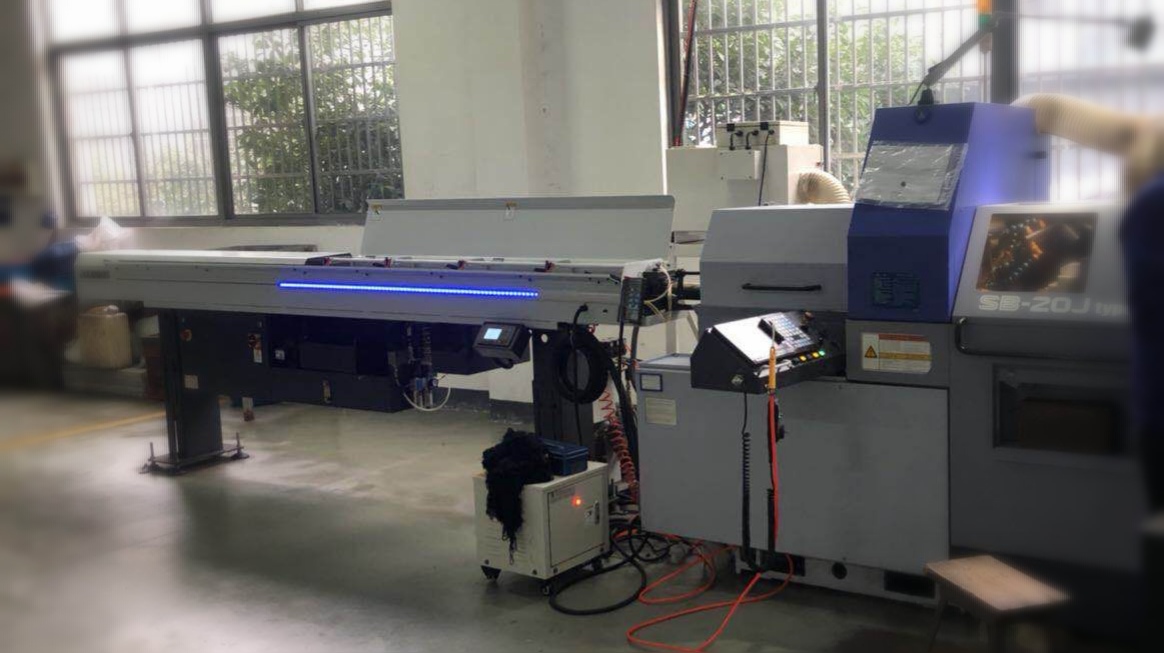
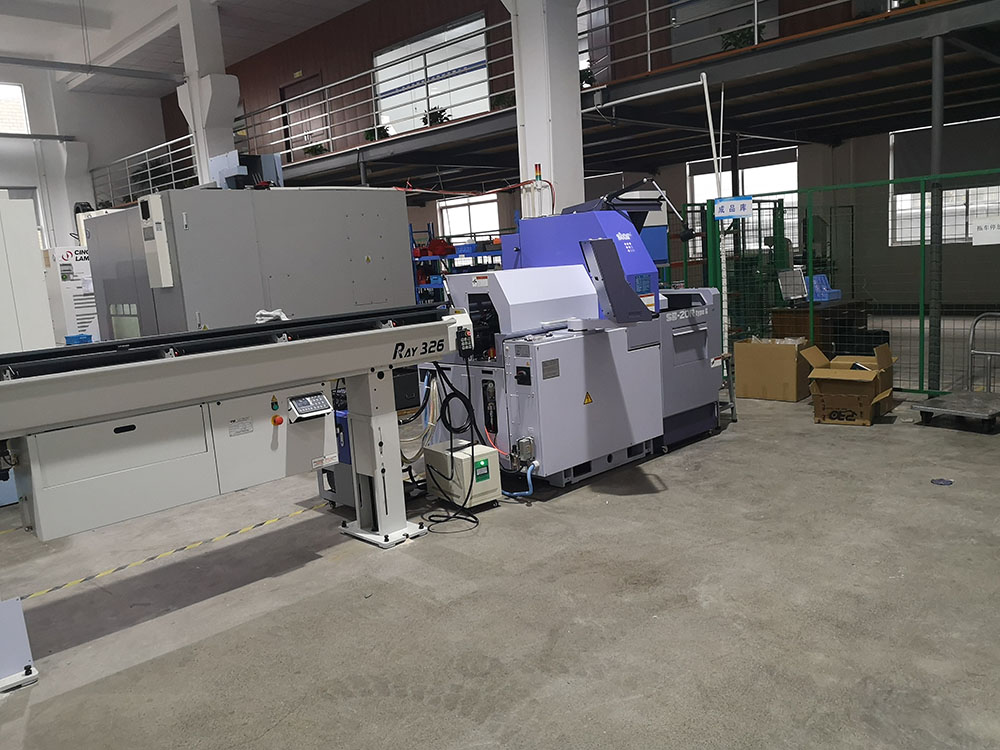
Our facility utilizes Swiss-style longitudinal lathes, 5-axis CNC machining centers, and automated ultrasonic cleaning lines to ensure consistent, high-precision implant production.
Every batch of raw titanium undergoes metallographic analysis and chemical checks. The finished implants are cleaned in Class 100,000 cleanrooms and inspected using high-accuracy Coordinate Measuring Machines (CMM).
Orthopedic requirements differ significantly by region, anatomy, and patient profile, including both human healthcare and veterinary applications.
Human orthopedic anatomy varies widely across demographic populations. For example, East Asian populations often present with smaller femoral canals and lower neck-shaft angles. We provide customized OEM/ODM options to modify stem geometry and prevent complications like intraoperative femoral splitting.
Small-animal orthopedics, particularly canine total hip replacements, requires specialized implant sizes. We produce downscaled titanium femoral stems, micro-screws, and PEEK locking cages to treat hip dysplasia and severe arthritis in veterinary patients.
Navigating global healthcare markets requires strict adherence to regulatory standards and quality verification systems.
Our production facilities maintain compliance with ISO 13485:2016 medical device quality systems. We provide full documentation support, including material certificates and biocompatibility reports, to assist with FDA 510(k) and CE MDR submissions.
Every product batch is tested to verify mechanical performance, including fatigue testing under dynamic load conditions, pull-out force resistance for screws, and surface roughness checks using profilometers.
We work with international logistics providers to coordinate secure customs handling and delivery. Shipments are packaged in sterile barrier configurations to protect product integrity during transport.
Located in the orthopedic manufacturing hub of Changzhou City, Jiangsu Province, China, DEON Medical (Changzhou) Co., Ltd. is a dedicated manufacturer of orthopedic trauma bone plates, bone screws, interlocking nails, spinal pedicle screws, cervical plates, and PEEK cages.
| Company Name | DEON Medical (Changzhou) Co., Ltd. |
| Core Product Portfolio | Trauma bone plates, bone screws, interlocking nails, spine pedicle screws, Cervical Plates, and PEEK cervical & lumbar cages |
| Manufacturing Location | Jiangsu Province, China (Changzhou Orthopedic Industry Cluster) |
| Export/Industry Experience | 10 Years Join |
| Staffing Capacity | 11 - 50 Skilled Professionals |
| Business Profile | Trading Company with integrated manufacturing operations |
Get answers to common technical, manufacturing, and regulatory questions from healthcare distributors and procurement departments.
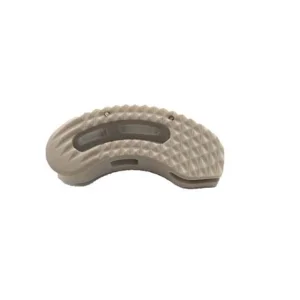
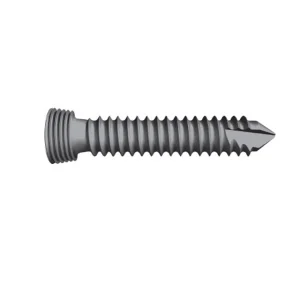
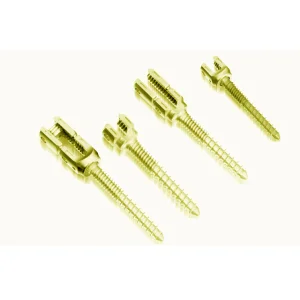
Review our additional orthopedic implant solutions, including specialized bone screws, spinal fixation components, and PEEK spinal cages.
 Deon Medical