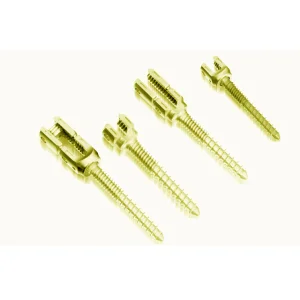
Empowering Global Orthopedic Brands and Clinical Excellence with High-Precision Trauma Implants, Advanced PEEK Scaffolds, and Custom Machining Solutions
In modern orthopedics, cartilage repair systems represent the frontier of joint preservation, bridging the gap between conservative therapeutic management and aggressive total joint arthroplasty. The clinical success of cartilage repair hinges not only on biological scaffolds but fundamentally on structural integrity—specifically, the biomechanical stability of the subchondral bone interface. As a premier Cartilage Repair Systems Manufacturer & Factory, DEON Medical understands that micro-motion at the osteochondral boundary is the primary cause of implant and graft failure.
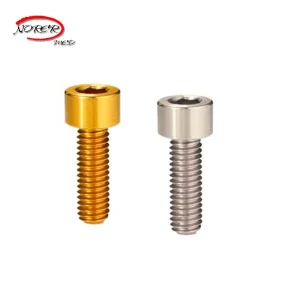
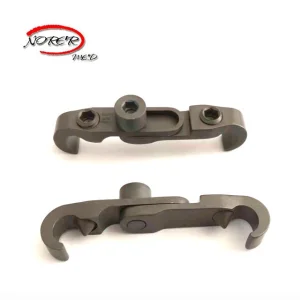
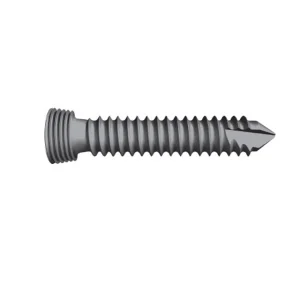
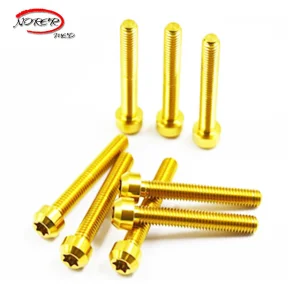
This whitepaper explores the technological paradigms of advanced orthopedic implants, ranging from Swiss-machined titanium locking screws and biomechanically optimized crosslink rods to biocompatible PEEK cages. In veterinary and human clinical setups, providing a stable foundation via interlocking nails and pedicle screws is vital to enabling targeted cartilage regeneration, cellular migration, and lasting joint function restoration.
The global market for joint preservation is transitioning rapidly due to demographics and clinical demands. Clinicians are shifting focus away from palliative treatments toward permanent, regenerative interventions. The following trends dominate the market:
Utilizing certified Grade 5 Titanium (Ti-6Al-4V ELI) and implant-grade PEEK polymer to guarantee absolute biocompatibility, mechanical endurance, and high fatigue resistance.
Machining components down to ±0.005mm tolerances, ensuring that every locking screw, pedicle screw, and bone plate fits seamlessly with surgical instrumentation.
Operating under ISO 13485 quality management systems, executing 100% optical and dimensional verification for all high-risk orthopedic implants.
For international medical device distributors, OEM brands, and institutional hospital networks, procurement of cartilage repair and orthopedic fixation hardware involves stringent validation. High-performance sourcing strategies must address the following critical requirements:
B2B buyers require detailed manufacturing documentation, including raw material certificates (Melt Test Certificates), biocompatibility dossiers (ISO 10993 compliance), and ISO 13485 certified quality management processes. Implants must support CE MDR (EU) and FDA 510(k) filing requirements, providing full material traceability from raw rod stock to final sterilized packaging.
Cartilage repair systems require implants with optimized surface finishes. Type II anodization of titanium components enhances fatigue strength and reduces friction, while acid etching or grit blasting improves osseointegration at the subchondral bone boundary. High pull-out strength in osteoporotic bone is achieved through asymmetric thread designs.
Implants must be packaged and processed in cleanroom environments matching ISO Class 7 or Class 8 standards. Dust-free, oil-free ultrasonic cleaning is essential to eliminate endotoxin risks and chemical residues from mechanical machining.
Based in the global orthopedic manufacturing hub of Changzhou, Jiangsu province, DEON Medical operates at the forefront of China's Medical Factory 4.0 evolution. By merging advanced automation with regional supply chain advantages, we provide global buyers with unparalleled cost efficiency and quality stability.
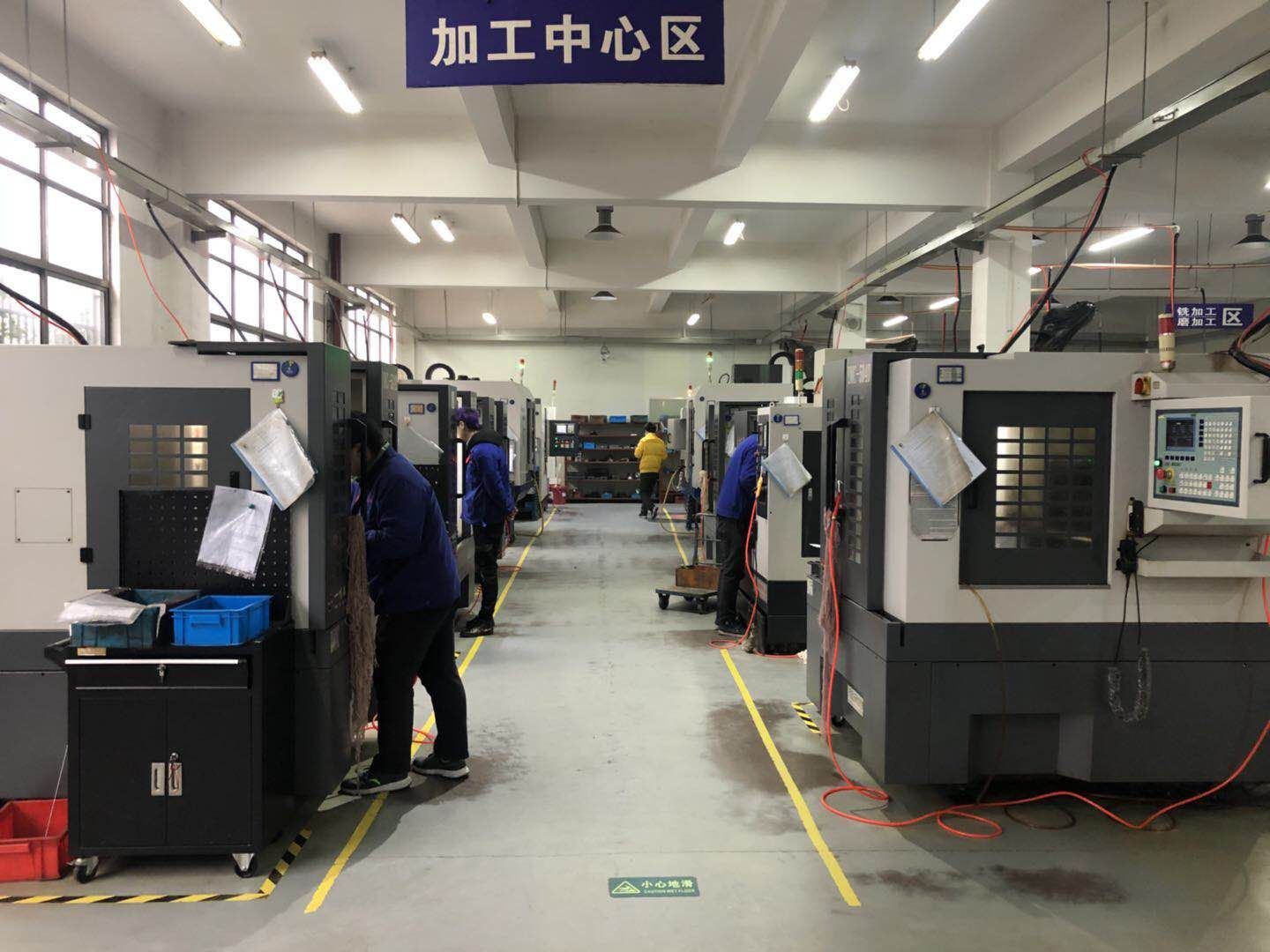
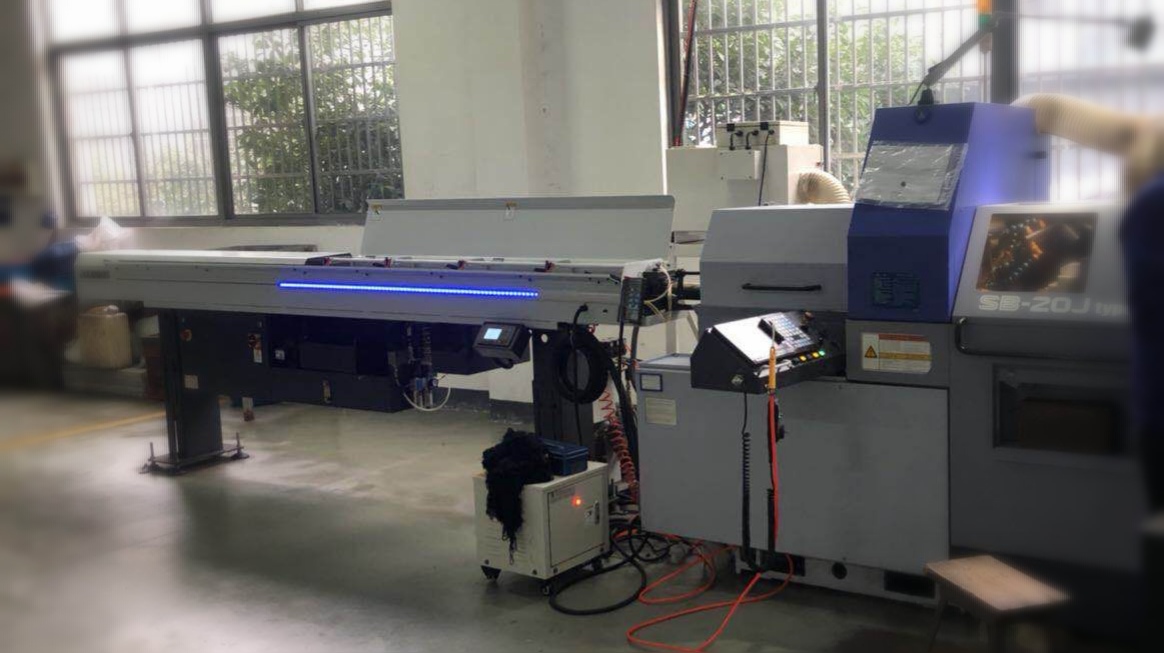
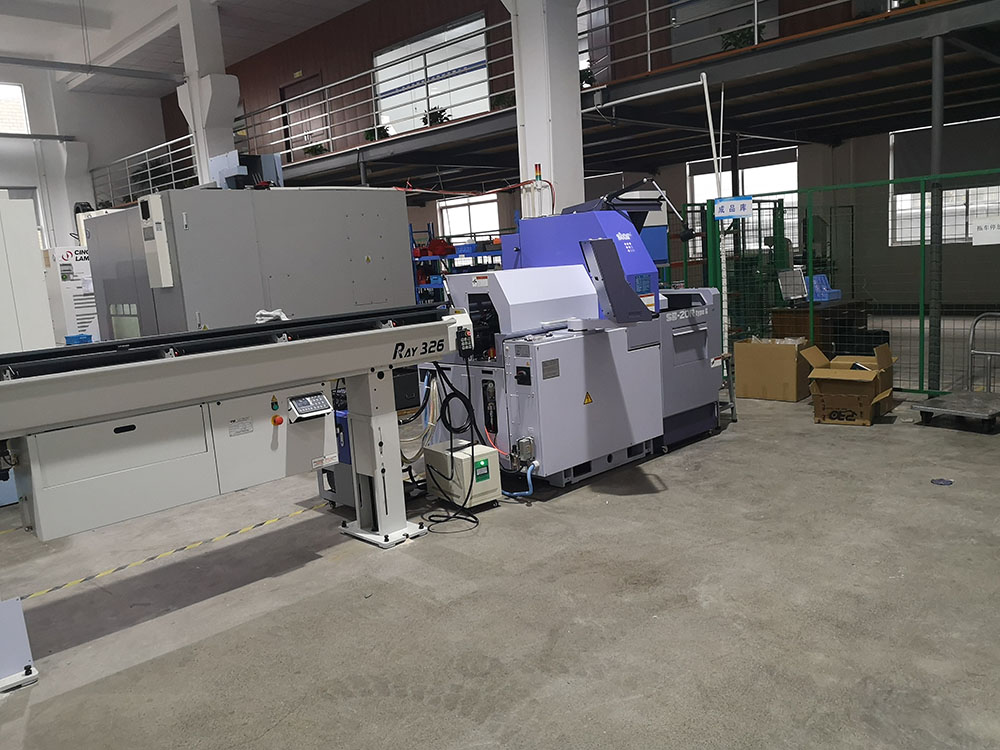
Our manufacturing facility utilizes high-speed Swiss longitudinal lathes, multi-axis machining centers, and automated optical sorting equipment. This setup minimizes human error and guarantees dimensional consistency across high-volume production runs. Changzhou's localized orthopedic supply cluster enables rapid sourcing of high-grade raw materials (certified medical-grade titanium and PEEK), reducing lead times compared to global competitors.
Moreover, our engineering team provides robust OEM and ODM customization services, transforming clinical CAD sketches into implantable prototypes in as little as two weeks. Our supply chain agility helps global distributors manage inventory risks, providing lower minimum order quantities (MOQs) and flexible manufacturing pipelines.
DEON Medical's comprehensive portfolio of orthopedic devices is designed to address diverse clinical needs:
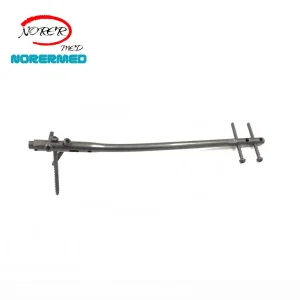
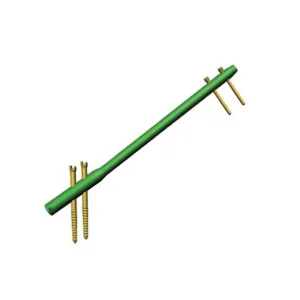
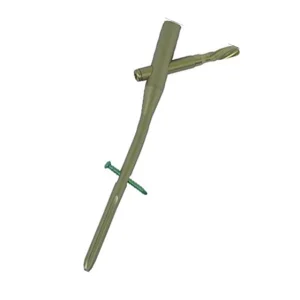
In complex knee or hip trauma reconstruction, our tibial and femoral interlocking nails (such as the GAMA Femoral Nail or the Expert Tibial Nailing System) act as internal splints. By securing the major bone shafts, these nails absorb mechanical loads, preventing micromovement at articular fracture zones where subchondral cartilage healing takes place.
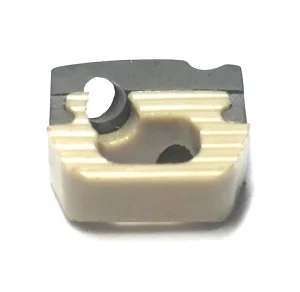
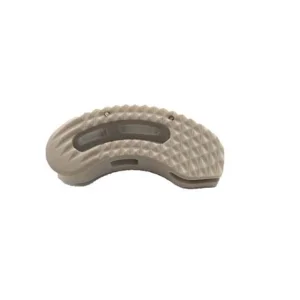
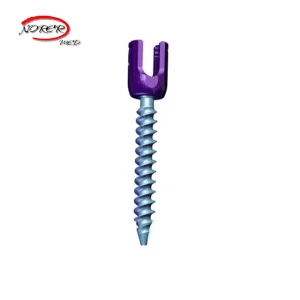
Spinal fusion is often required to address intervertebral disc degeneration, which is closely related to cartilage wear in the facet joints. Using PEEK Cervical and Lumbar TLIF cages combined with our Titanium Pedicle Screws, surgeons can restore anatomical disc height. This setup immobilizes the segment, eliminating painful movement and promoting solid osseous fusion.
Veterinary orthopedics is expanding rapidly, demanding high-grade titanium locking screws, mini-cages, and bone plates designed for canine and feline anatomy. Products like our PEEK locking infusion cages for cervical repair and veterinary-specific pedicle screws provide stabilization for working dogs and aging companion animals suffering from osteoarthritis, disc herniations, and joint dysplasia.
 Deon Medical