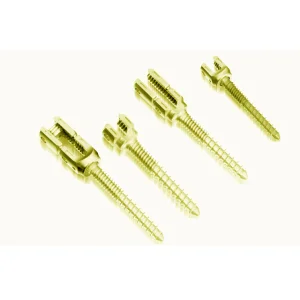
Direct from China's Industry 4.0 ISO 13485 Certified Medical Device Center
Analyzing the evolution of biocompatible substrates, structural support matrices, and regulatory alignment in B2B medical procurement.
Within modern surgery, implantable biomaterials—ranging from standard polypropylene soft tissue meshes to complex, 3D-knitted titanium cranial meshes—have become essential. Surgical reconstruction requires materials that balance structural strength with bio-compatibility.
Current research emphasizes porous geometries that support cell migration and angiogenesis, reducing the risk of foreign body rejection.
While PEEK (Polyether ether ketone) is preferred for spinal cages due to its bone-mimicking modulus, titanium alloy (Ti-6Al-4V ELI) remains the standard for trauma and cranial reconstruction.
Global markets require compliance with standards like ISO 13485, CE MDR, and FDA clearances to ensure product quality and patient safety.
The global demand for high-strength, flexible surgical implants is rising, driven by aging populations and orthopedic trauma cases. Hospitals and distribution partners prioritize manufacturers that provide complete traceability, certifiable raw material origins, and consistent batch manufacturing quality.
B2B buyers are moving away from single-source supply structures. Chinese medical clusters, particularly in Jiangsu Province, offer an efficient option, providing advanced engineering and direct-from-factory pricing that reduces costs for clinical applications.
A comparative analysis of the primary structural materials used in surgical mesh, cranial locks, and spinal cages.
| Performance Metric | Medical-Grade Titanium Alloy (Grade 5 ELI) | PEEK (Polyether Ether Ketone - ASTM F2026) | Clinical Importance |
|---|---|---|---|
| Elastic Modulus | ~110 GPa (Higher rigidity) | ~3.6 GPa (Close to cortical bone) | Reduces stress-shielding, encouraging natural bone remodel. |
| Radiolucency | Radiopaque (Artifacts on CT/MRI) | Radiolucent (Zero artifact imaging) | Enables clear, post-operative inspection of fusion areas. |
| Mechanical Tensile Strength | ≥ 860 MPa (Extremely High) | ~90 - 100 MPa (Optimal) | Essential for load-bearing skeletal fixations and plates. |
| Osseointegration | Outstanding (Enhanced via acid-etching) | Inert (Improved via porous surface coating) | Ensures long-term stability and bone attachment. |
| Common Applications | Interlocking Nails, Cranial Locks, Pedicle Screws | Lumbar TLIF Cages, Cervical ACIF Cages | Determined by weight-bearing vs. load-sharing needs. |
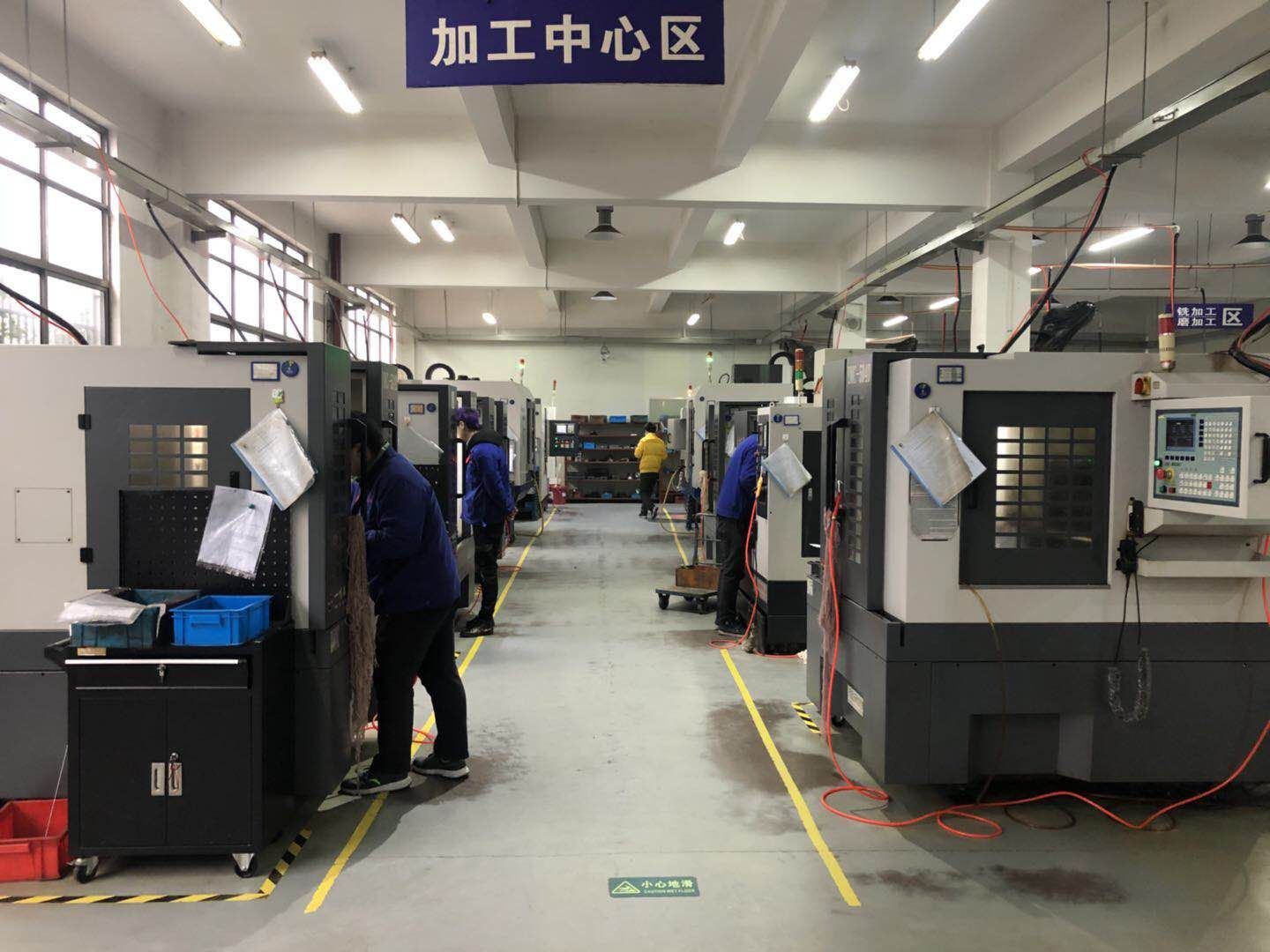
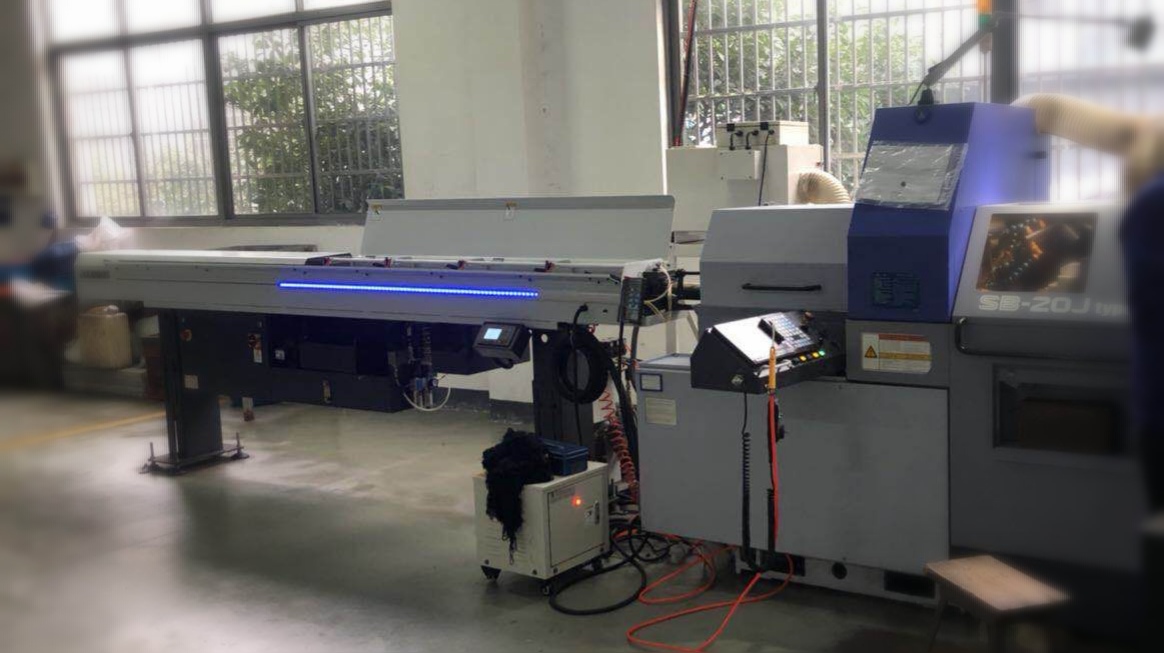
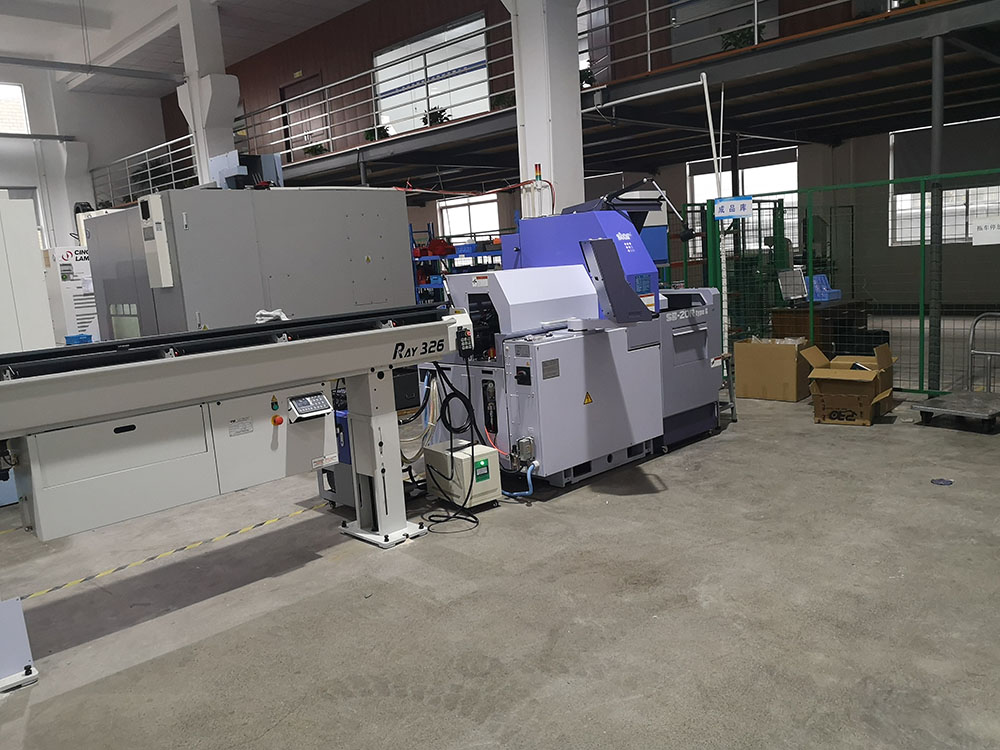
Sourcing medical implants from China has evolved beyond simple cost efficiency. Today, leading manufacturers in Changzhou integrate advanced CNC milling, automated cleanroom operations, and rigorous quality testing into their production lines.
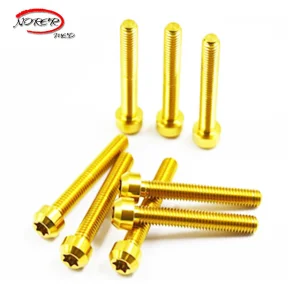
Using multi-axis CNC machines from Japan and Germany, factories achieve tolerances within ±0.005mm. This precision is essential for matching the threading on locking screws and the geometry of interbody cages.
From initial ultrasonic cleaning to final double-sterile packaging, products are handled in monitored cleanrooms. This process ensures low bioburden levels before sterilization.
Located in the Yangtze River Delta, manufacturers have direct access to raw materials, surface treatment specialists, and testing labs. This geographic cluster reduces lead times and lowers shipping costs.
Understanding how surgical mesh, spinal implants, and trauma hardware function in human and veterinary clinical environments.
Titanium skull locks and cranial meshes provide protection after decompressive craniectomies. The high strength-to-weight ratio of Grade 5 titanium offers robust cranial protection without adding excess weight. Micro-porous options allow cerebrospinal fluid flow and support natural tissue growth.
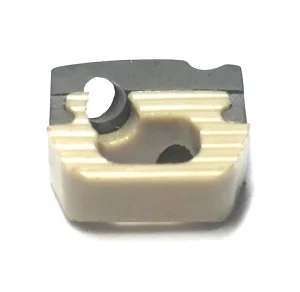
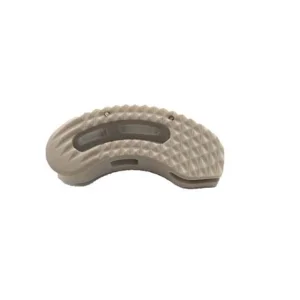
PEEK interbody cages (TLIF/ACIF) are used to maintain disc height and support bone fusion in patients with degenerative disc disease. PEEK's radiolucency allows surgeons to monitor bone growth on X-rays without metal artifacts, while its elastic modulus reduces wear on adjacent levels.
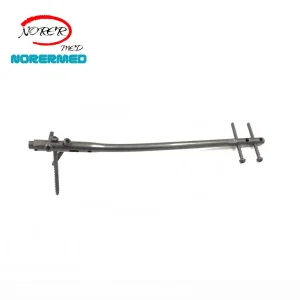
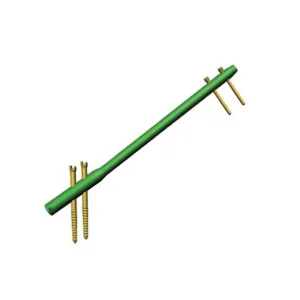
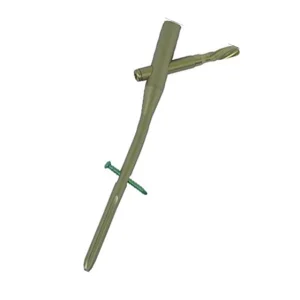
Veterinary orthopedics has adopted human-grade materials for small and large animals. Locking plate systems, PFNA interlocking nails, and spinal reconstruction hardware are configured to support the biomechanical needs and active recovery of veterinary patients.
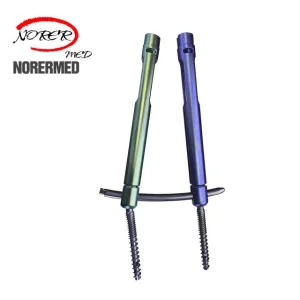
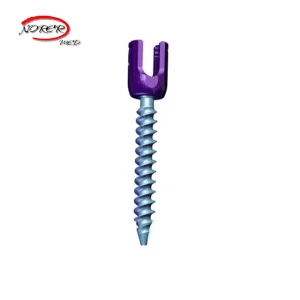
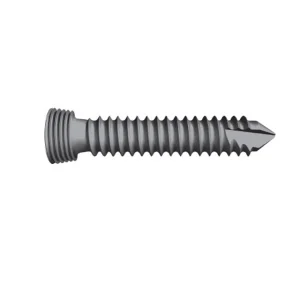
DEON Medical (Changzhou) Co., Ltd. is a specialized manufacturer of orthopedic implants based in Changzhou City, Jiangsu Province, China. The company specializes in the development, production, and distribution of trauma bone plates, bone screws, orthopedic interlocking nails, spinal pedicle screw systems, cervical plates, and PEEK cervical and lumbar cages.
With an experienced engineering team and dedicated production facilities, DEON Medical combines manufacturing capabilities with global export services. The company's products are designed for both human and veterinary reconstructive surgery, meeting strict dimensional tolerances and material standards for international medical distribution.
High-precision orthopedic implants for human and veterinary applications.
Expert answers to common technical and logictical questions from medical device distributors, sourcing managers, and clinical buyers.
 Deon Medical