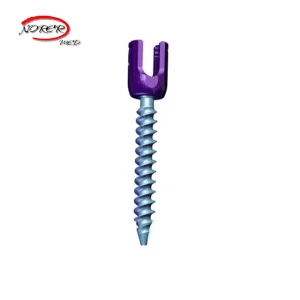
Engineered for immediate operating room deployment. Discover our high-precision sterile implant solutions.
In modern surgical environments, sterile surgical packs are no longer limited to gowns and drapes. The medical device industry has undergone a major paradigm shift toward sterile-packed surgical implants and instrument systems. In the past, hospitals bought bone plates, screws, and nails in bulk. Operating room staff then had to clean, sort, and autoclave these instruments in-house. Today, healthcare facilities face rising operating costs, stricter sterile processing rules, and the constant threat of hospital-acquired infections (HAIs). Because of these challenges, purchasing agents now prioritize pre-packaged, pre-sterilized, procedure-specific implant systems.
As a leading Chinese manufacturer of medical implants and surgical components, DEON Medical understands this need. We provide fully integrated, sterile-ready orthopedic implant packs. Our product line ranges from titanium locking screws to complex spinal fixation rods and veterinary PEEK cages. By manufacturing and packaging these products in Class 10,000 cleanrooms and using validated Ethylene Oxide (EO) sterilization, we ensure that every implant is delivered in a pristine, ready-to-use state. This approach eliminates the heavy burden of pre-sterilization validation for hospitals and guarantees maximum patient safety.
The global market for sterile surgical packs is expanding rapidly. Driven by strict regulatory standards and a growing focus on operating room efficiency, the industry is transitioning away from bulk, non-sterile shipments. Key market trends driving this shift include:
Surgical site infections (SSIs) cost healthcare systems billions of dollars annually. Using pre-sterilized implant packs eliminates the risk of cross-contamination from incomplete hospital autoclaving cycles, helping facilities reach near-zero infection rates.
Modern regulatory frameworks, like the European Union Medical Device Regulation (EU MDR), require Unique Device Identification (UDI) down to the individual patient level. Individually sealed sterile packs provide clear traceability through barcoding, tracking each implant from the factory to the patient's record.
The rapid growth of Ambulatory Surgical Centers has increased the demand for ready-to-use medical supplies. Because ASCs often lack the massive sterilization departments of major hospitals, they rely on pre-packaged, pre-sterilized implant systems to simplify their workflows.
B2B medical distributors, procurement directors, and hospital supply managers look for specific, non-negotiable qualities when selecting an overseas manufacturer for sterile packs and implant components. To build a reliable supply chain, they evaluate factories based on four key pillars:
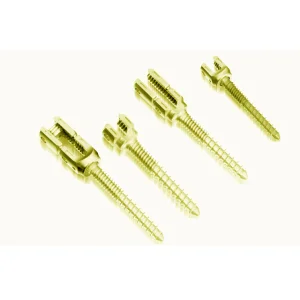
1. Uncompromising Material Verification: The core implant must perform flawlessly inside the body. Whether it is a titanium tibial interlocking nail, a PEEK TLIF cage, or monoaxial pedicle screws, procurement teams require complete chemical and physical test reports. This includes material certification to ASTM F136 standards for Grade 5 Titanium and ISO 10993 testing for biocompatibility.
2. Sterilization Validation & Shelf Life: Every sterile pack must feature a double-sterile barrier system (ISO 11607 compliant) using high-grade Tyvek packaging. Buyers demand validation data for Ethylene Oxide (EO) gas exposure, residual gas testing, and accelerated aging tests that prove a secure 3- to 5-year sterile shelf life.
3. Audited Quality Systems: Factories must operate under a strict quality management system certified to ISO 13485 standards. This system should cover every step of production, including cleanroom environment monitoring, bioburden testing, pyrogen analysis, and automated optical inspections for micro-machined medical screws.
4. High Production Capacity & Pricing Control: The global medical market requires stable pricing and reliable delivery schedules. Working with a China-based manufacturer like DEON Medical, located in the Changzhou medical manufacturing cluster, gives buyers access to efficient raw material sourcing, cost-effective CNC machining, and streamlined logistical setups.
To support global hospital networks and clinical distributors, we design integrated manufacturing pathways that combine precise implant machining with sterile packaging solutions. We focus on four major clinical applications:
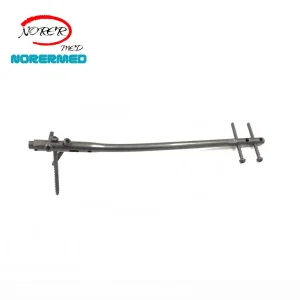
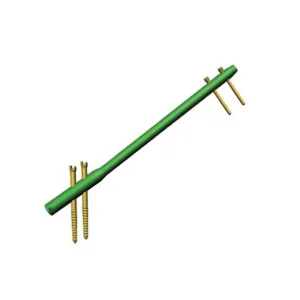
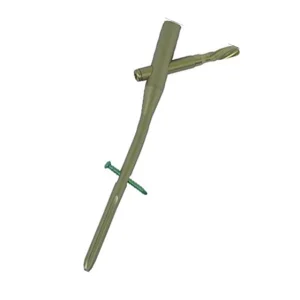
Our trauma kits bundle anatomically shaped bone plates with matching locking screws, expert tibial nails, and femoral interlocking nails. Each implant is cleaned, packed, and sterilized, allowing trauma surgeons to select and open only the exact sizes needed for immediate fracture fixation.
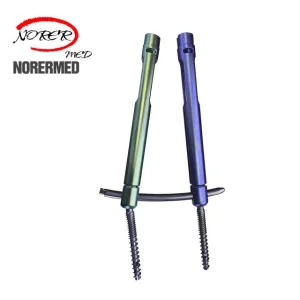
Designed for lumbar and cervical fusion procedures, these packs include monoaxial, polyaxial, and uniplanar pedicle screws, along with titanium spinal crosslink rods and PEEK cages. This comprehensive kit approach keeps spinal constructs sterile and ready for the operating room.
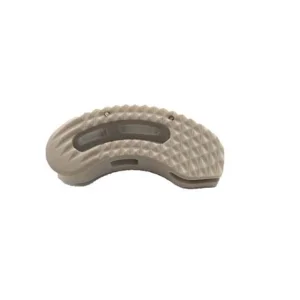
Veterinary clinics often lack advanced in-house sterilization facilities. We design dedicated veterinary sterile packs that include TLIF PEEK cages, ACIF locking infusion cages, and miniature bone plating systems. These kits provide veterinary surgeons with the same high-level sterile standards used in human healthcare.
Our manufacturing and sterilization processes are built on strict engineering controls and international quality standards. We follow a rigorous quality protocol to ensure safety and precision:
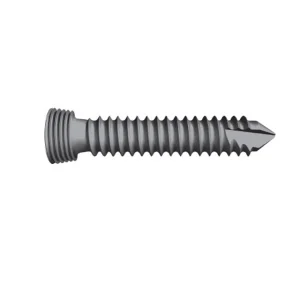
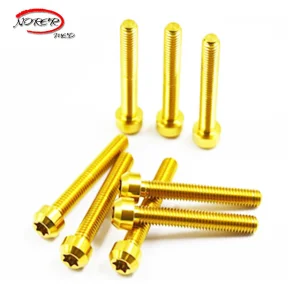
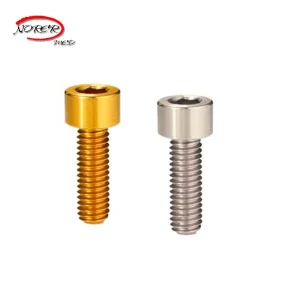
Swiss-Type CNC Machining: We machine our titanium locking screws, tibial interlocking nails, and cranial locks using advanced Swiss CNC lathes. This precision equipment allows us to maintain tight tolerances within ±0.01mm, ensuring that our screws thread smoothly and lock securely into plates every time.
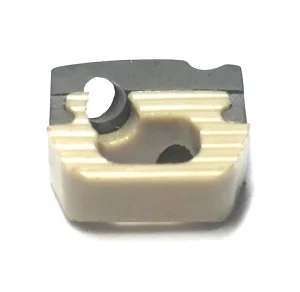
PEEK Polymer Technology: For our cervical and lumbar cages, we use high-grade implantable Polyetheretherketone (PEEK). This material offers a modulus of elasticity that closely matches human cortical bone, which helps reduce stress shielding and supports better bone fusion.
EO Sterilization Process Validation: Our sterilization cycles are fully validated under the ISO 11135 standard. We monitor key parameters—including gas concentration, temperature, relative humidity, and exposure time—using chemical and biological indicators. This process guarantees a Sterility Assurance Level (SAL) of 10-6.
Double Sterile Barrier Packaging: Every implant is packed in a cleanroom environment using a medical-grade Tyvek sterile bag system. This packaging provides excellent tear resistance, serves as an effective microbial barrier, and allows for safe aseptic transfer in the operating room.
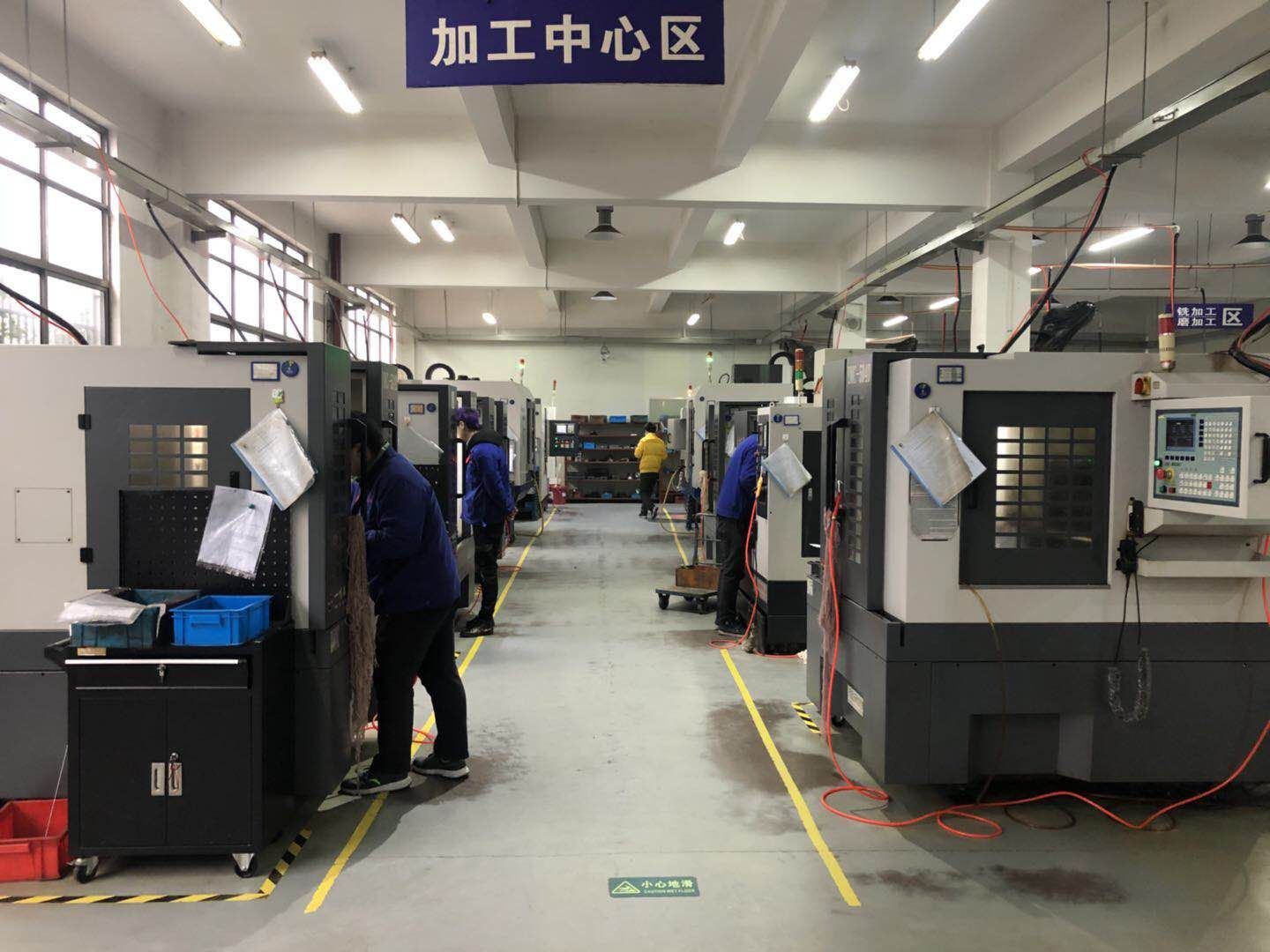
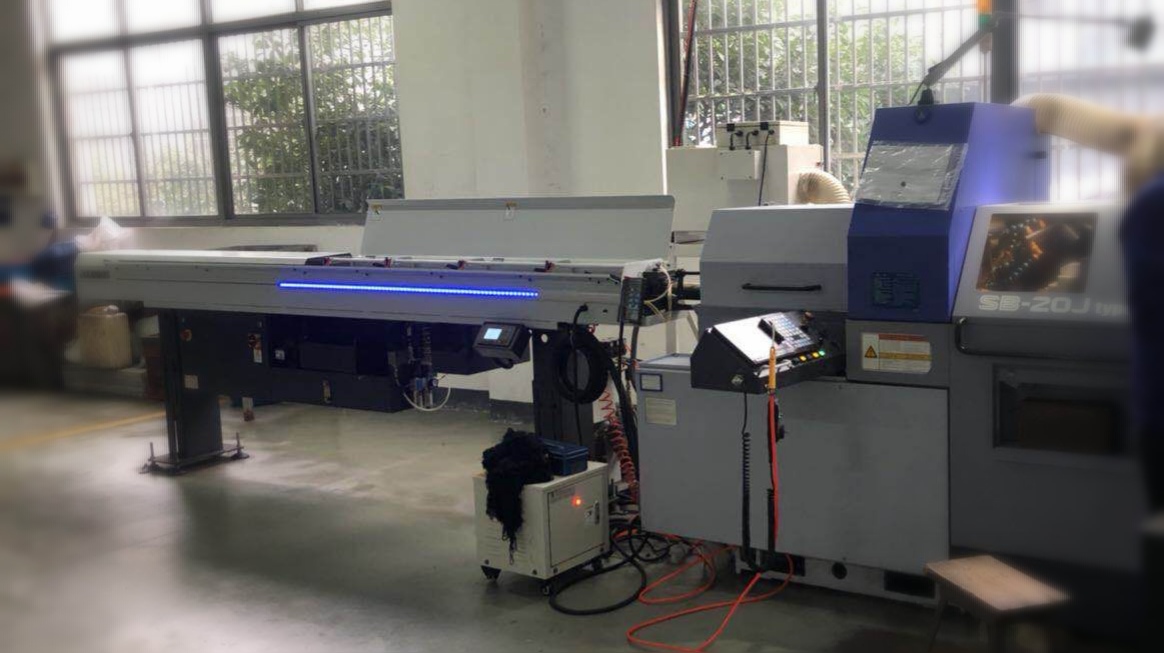
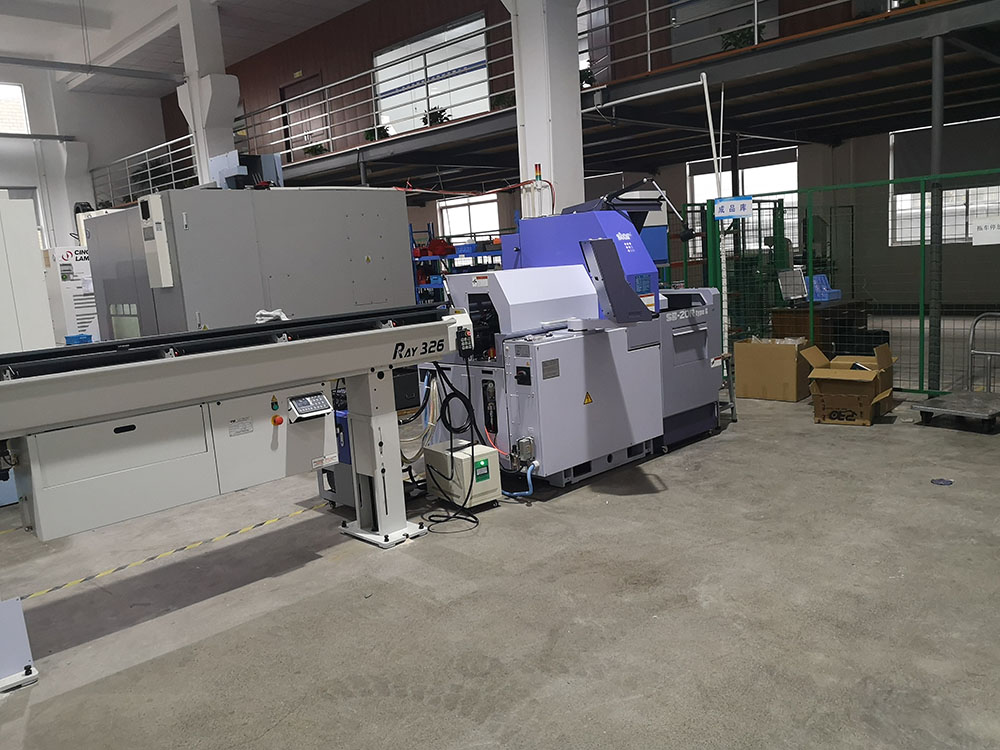
As healthcare technology advances, DEON Medical is focusing on key future developments to make sterile surgical packs safer, smarter, and more efficient:
Smart RFID Tagging: We are working to integrate ultra-thin, sterilizable RFID tags into our packaging systems. This technology will allow hospital inventory systems to track implants automatically, monitor shelf life, and manage stock levels without opening sterile barriers.
Sustainable Medical Packaging: We are exploring recyclable and bio-based polymers to replace traditional fossil-fuel plastics in our secondary packaging. This initiative helps healthcare organizations reduce medical waste without compromising sterile security.
Bioactive Surface Coatings: We are developing advanced surface treatments, such as hydroxyapatite and plasma spray coatings, for our pre-packaged implants. These coatings help accelerate osseointegration, leading to faster healing and improved recovery times for patients.
Entering international medical markets requires strict compliance with local regulations. DEON Medical supports global B2B clients by providing complete documentation and regulatory assistance:
Comprehensive Documentation: We provide full technical documentation to support regional registrations. This includes material test certificates (MTRs), biocompatibility reports (ISO 10993), sterilization validation data (ISO 11135), and packaging shelf-life validation reports.
Traceable Supply Chain: Every shipment features end-to-end traceability, with manufacturing lot numbers linked directly to the raw material batches. This system ensures quick response and clear tracking in the event of quality inquiries.
Flexible OEM/ODM Customization: We offer custom manufacturing services tailored to specific regional needs. Whether you require customized screw configurations, modified plate shapes, or specialized sterile packaging layouts, our engineering team can adapt designs to meet your local clinical requirements.
Technical and regulatory insights for global procurement managers and medical distributors.
Explore our full line of surgical components, implants, and trauma systems manufactured to strict international standards.
 Deon Medical