Explore our foundational biocompatible implants engineered to standard-setting clinical tolerances, supporting neurological fixation and structural bone restoration.
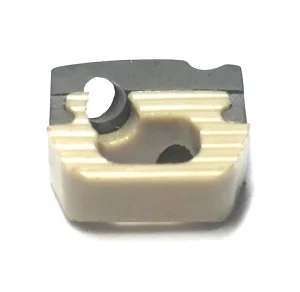
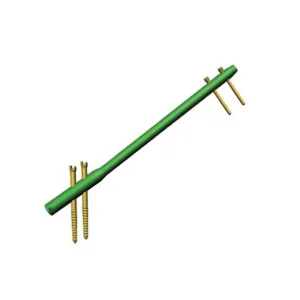
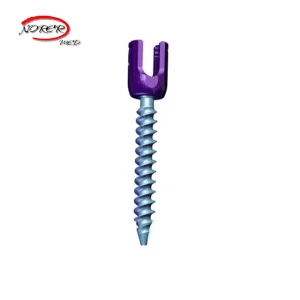
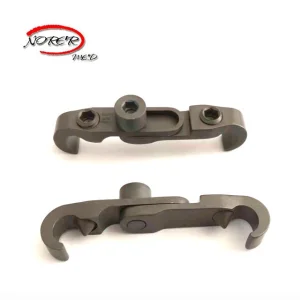
A comprehensive analysis of design methodologies, biocompatible materials, and micro-engineering paradigms in Modern Spine and Peripheral Stimulation Systems.
The global medical device sector is experiencing an unprecedented structural convergence. Historically, orthopedic implants (such as spinal cages, trauma plates, and interlocking nails) and neuromodulation systems (such as peripheral nerve stimulators [PNS] and spinal cord stimulators [SCS]) functioned in isolation. Orthopedics addressed mechanical stabilization, while neuromodulation managed neural pathways and chronic neurological pain.
Today, advanced clinical protocols demand hybrid interfaces. Neuromodulation leads are increasingly routed through and anchored by structural spinal screws, cranial locking systems, and interbody cages. This bio-structural integration prevents mechanical migration of neural electrodes—historically a primary failure mode in peripheral nerve stimulators—while maintaining skeletal geometry. Designing and manufacturing structural components that double as biological conduits for neuromodulatory cables requires meticulous micro-precision and advanced material knowledge.
Biocompatibility and fatigue limit selection govern modern neuro-orthopedic design. China's premier factories are at the forefront of combining high-performance polymers like Polyetheretherketone (PEEK) with medical-grade Titanium Alloys (specifically Ti-6Al-4V ELI, Grade 5) to fulfill complex clinical parameters.
A technical comparison of clinical materials utilized in modern neuro-orthopedic implants and stimulation interfaces.
| Material Type | Elastic Modulus (GPa) | Tensile Strength (MPa) | Radiolucency | Primary Clinical Application | Neuromodulation Compatibility |
|---|---|---|---|---|---|
| PEEK-OPTIMA® / Medical PEEK | 15 - 18 | 90 - 100 | Fully Radiolucent | Interbody Fusion Cages (ACIF/TLIF) | Excellent (Non-conductive substrate prevents signal leakage) |
| Titanium Grade 5 (Ti-6Al-4V ELI) | 110 - 114 | 860 - 900 | Radiopaque | Pedicle Screws, Interlocking Nails, Plates | High (Acts as grounding path or structural housing) |
| CoCrMo Alloy (ASTM F75) | 210 - 240 | 950 - 1000 | Radiopaque | Joint Replacements, Spine Rods | Moderate (Excellent wear properties, high MRI heating risk) |
Direct supply capability from China's medical manufacturing hub in Jiangsu, ensuring compliance, volume scaling, and ISO-certified precision.
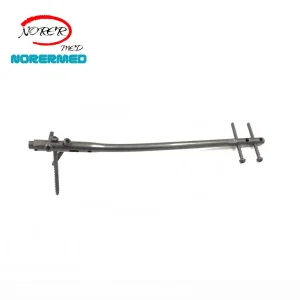
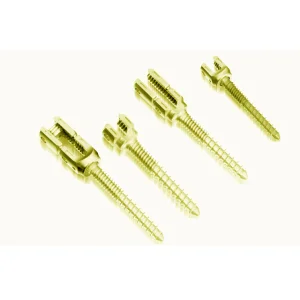
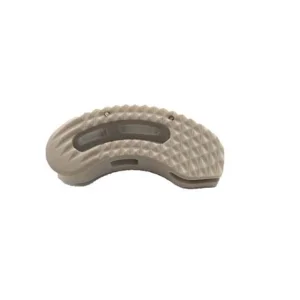
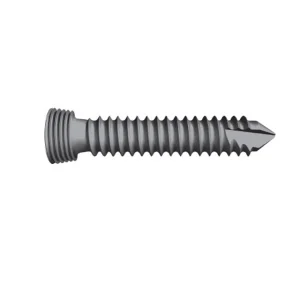
DEON Medical (Changzhou) Co., Ltd. is a high-precision medical manufacturer strategically located in Changzhou City, Jiangsu Province, China. We are specialized in the design, engineering, and volume production of Orthopedic Trauma bone plates, bone screws, orthopedic interlocking nails, orthopedic spine pedicle screws, Cervical Plates, PEEK cervical & lumbar cages, and associated instruments. Over the past decade, we have partnered with global distributors, veterinary clinics, and neuromodulation research groups to deliver components that meet stringent dimensional and biological specifications.
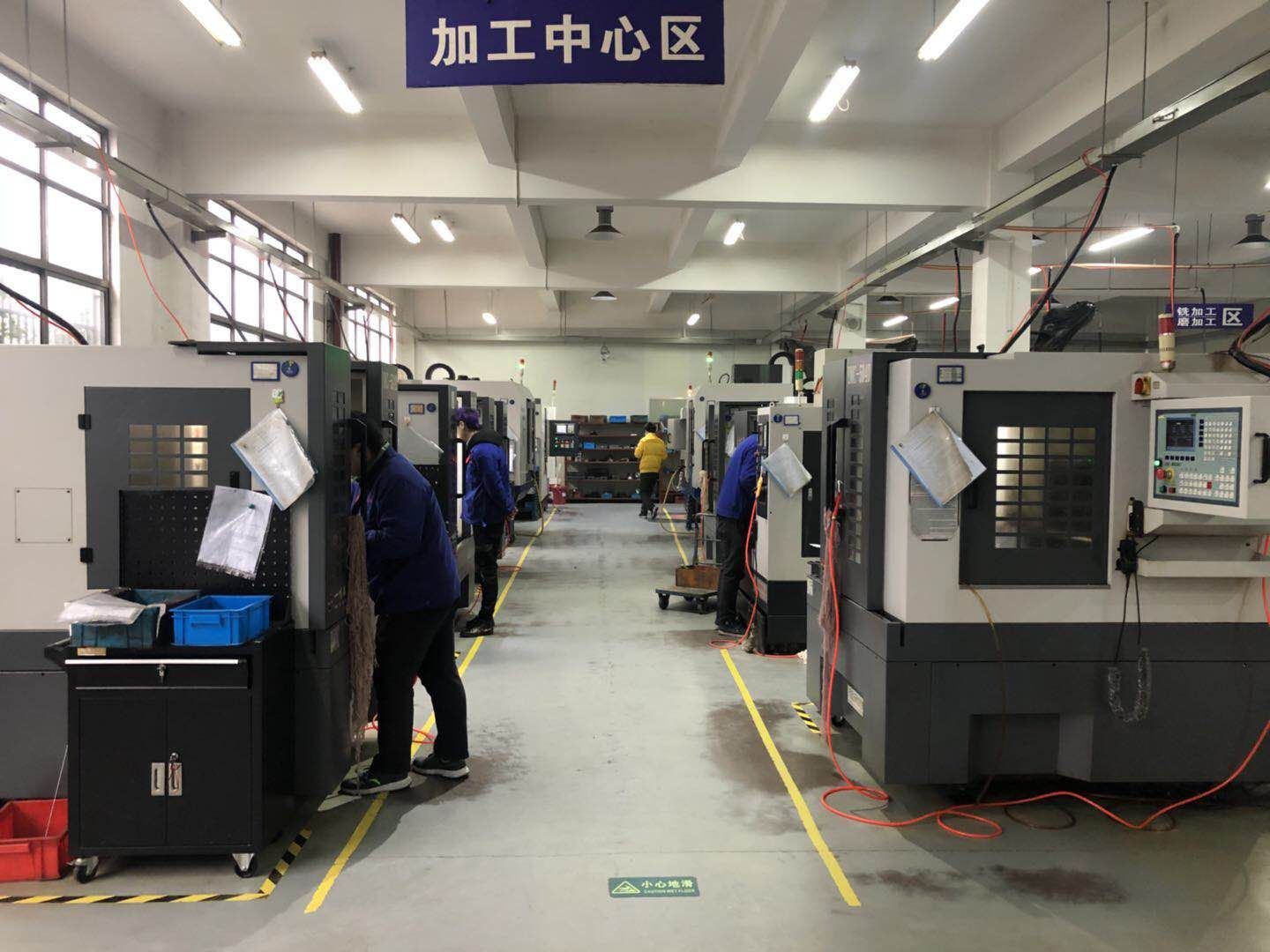
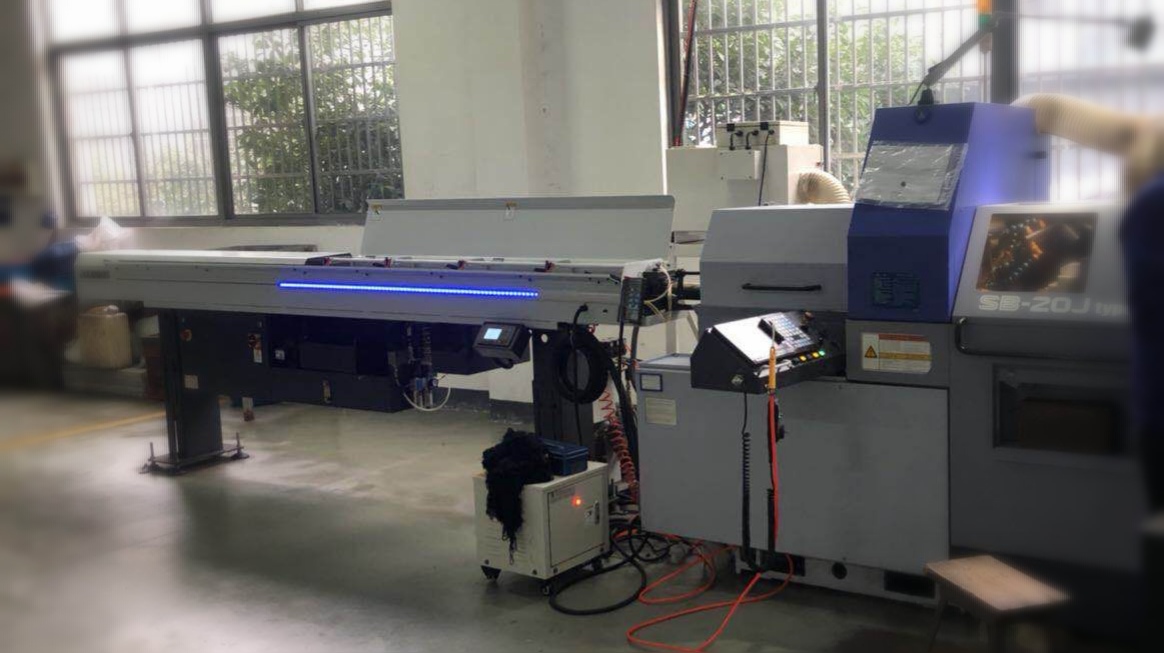
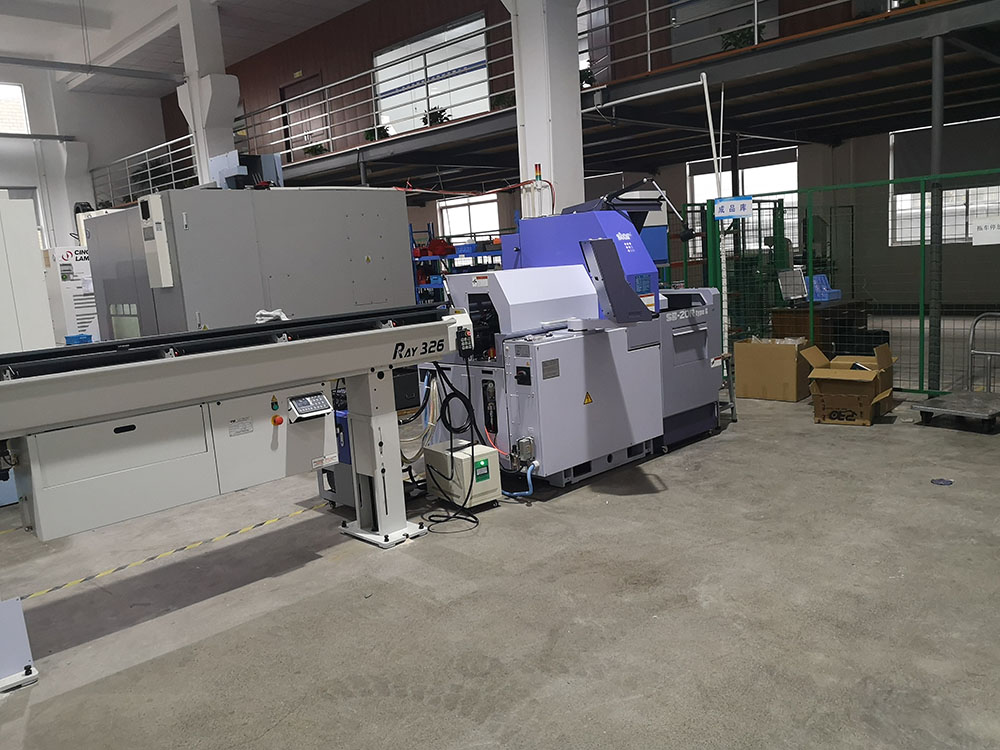
Key technological shifts driving global medical procurement strategies in China's manufacturing sector.
Integration of titanium plasma spray (TPS) coatings onto PEEK surfaces to combine structural radiolucency with accelerated osseointegration.
Direct Metal Laser Sintering (DMLS) of titanium cages to simulate trabecular bone porosity, enhancing vascularization and neural lead routing pathways.
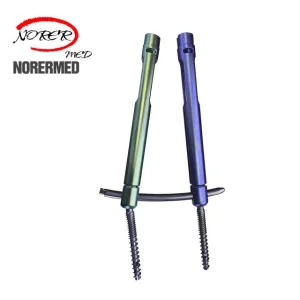
Designing pedicle screws and spinal rods with hollowed internal cores to house peripheral stimulator wiring, protecting the electrical connection from shear stress.
In medical manufacturing, there is no margin for error. A variance of even 5 micrometers can result in screw thread stripping, mechanical component play, or neurological compression. Leading Chinese medical factories utilize multi-axis CNC machines (citizen-class sliding headstock lathes) to achieve tolerances under ±0.01 mm for complex components like Monoaxial and Polyaxial Pedicle Screws.
Cleanroom packaging (Class 10,000 / ISO Class 7 zones) is mandatory to prevent bioburden contamination. Ultrasonic cleaning lines remove cutting oils, dust, and particulate matter before the final dry-packaging phase. Advanced chemical passivation treatment on titanium components creates an inert titanium oxide outer layer, ensuring superior biocompatibility and corrosion resistance when exposed to human body fluids.
Navigating regulatory pathways, mechanical validation, and supply chain logistics for worldwide distribution.
Global procurement of medical implants requires comprehensive documentation to satisfy domestic healthcare agencies (FDA, CE MDR, NMPA). Top China manufacturers support distributors by providing clear, complete verification paperwork. This includes raw material mill test certificates (demonstrating ASTM F136 titanium standards), biocompatibility analysis report files (ISO 10993 testing data), and rigorous mechanical testing reports (ASTM F543 pull-out torque and dynamic fatigue limits).
For custom medical components (such as specialized cranial locks or custom-milled *spinal rods*), an established OEM/ODM protocol ensures clean execution. This starts with 3D CAD design review, moving to finite element analysis (FEA) to confirm safety factors, followed by rapid prototyping and clinical-grade trial runs before scaling up to mass production.
Technical answers to common questions regarding materials, engineering design, and international regulatory compliance for global implant sourcing.
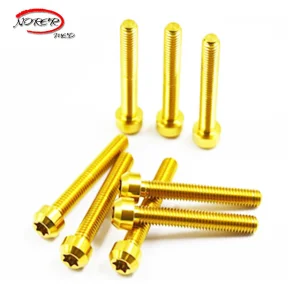
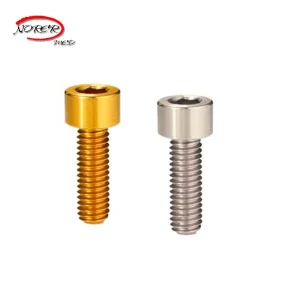
Heavy-duty stabilization solutions designed for structural support, bone realignment, and clinical neuromodulation integration.
 Deon Medical