Explore our advanced clinical-grade systems engineered from premium medical Titanium and PEEK (Polyetheretherketone). Precision manufactured to facilitate rapid bone fusion, optimize stress distribution, and drastically mitigate patient postoperative chronic discomfort.
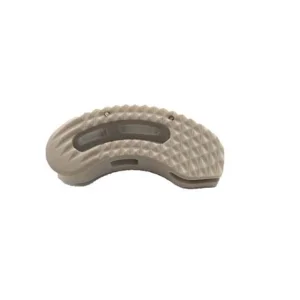
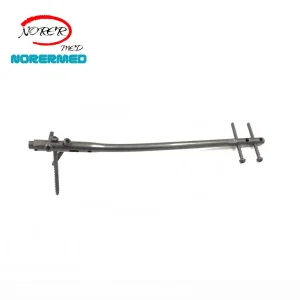
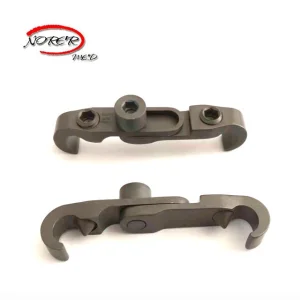
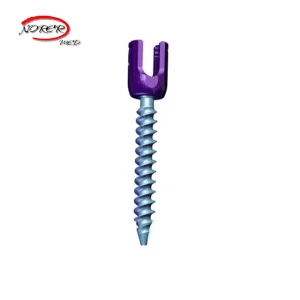
In modern clinical practices, managing chronic osteological and neuro-compressive pain relies heavily on the physical stabilization of structural elements. Pathologies such as degenerative disc disease (DDD), severe vertebral micro-instability, complex long-bone fractures, and cranial traumas cannot be addressed purely via pharmacological intervention. Rigid stabilization, decompressive alignment, and mechanical reinforcement via orthopedic implant systems are vital solutions to terminate chronic nociceptive signals.
The global demand for high-integrity spinal, trauma, and joint systems is driven by an aging human population and advanced small-animal veterinary care. Emerging clinical protocols prioritize implants that prevent stress shielding. Materials must match the natural modulus of bone to ensure appropriate biomechanical load distribution. This shifts the engineering paradigm toward advanced medical polymers like PEEK and micro-anodized Titanium Alloys.
As a major manufacturing cluster in the Changzhou medical instrument zone, DEON Medical delivers precision-machined orthopedic devices with strict material traceability.
Changzhou, China
DEON Medical operates in Changzhou, Jiangsu, the hub of China's orthopedic manufacturing sector. This concentration links us with specialized surface treatment plants, sterile barrier packaging suppliers, and high-purity metallurgical laboratories.
This integrated ecosystem shortens development cycles. Proto-machining revisions for custom designs can be completed in days rather than weeks, keeping lead times minimal.
We use premium raw materials, including medical-grade Titanium Alloys (Ti-6Al-4V ELI conformant with ASTM F136) and biocompatible PEEK-OPTIMA polymers.
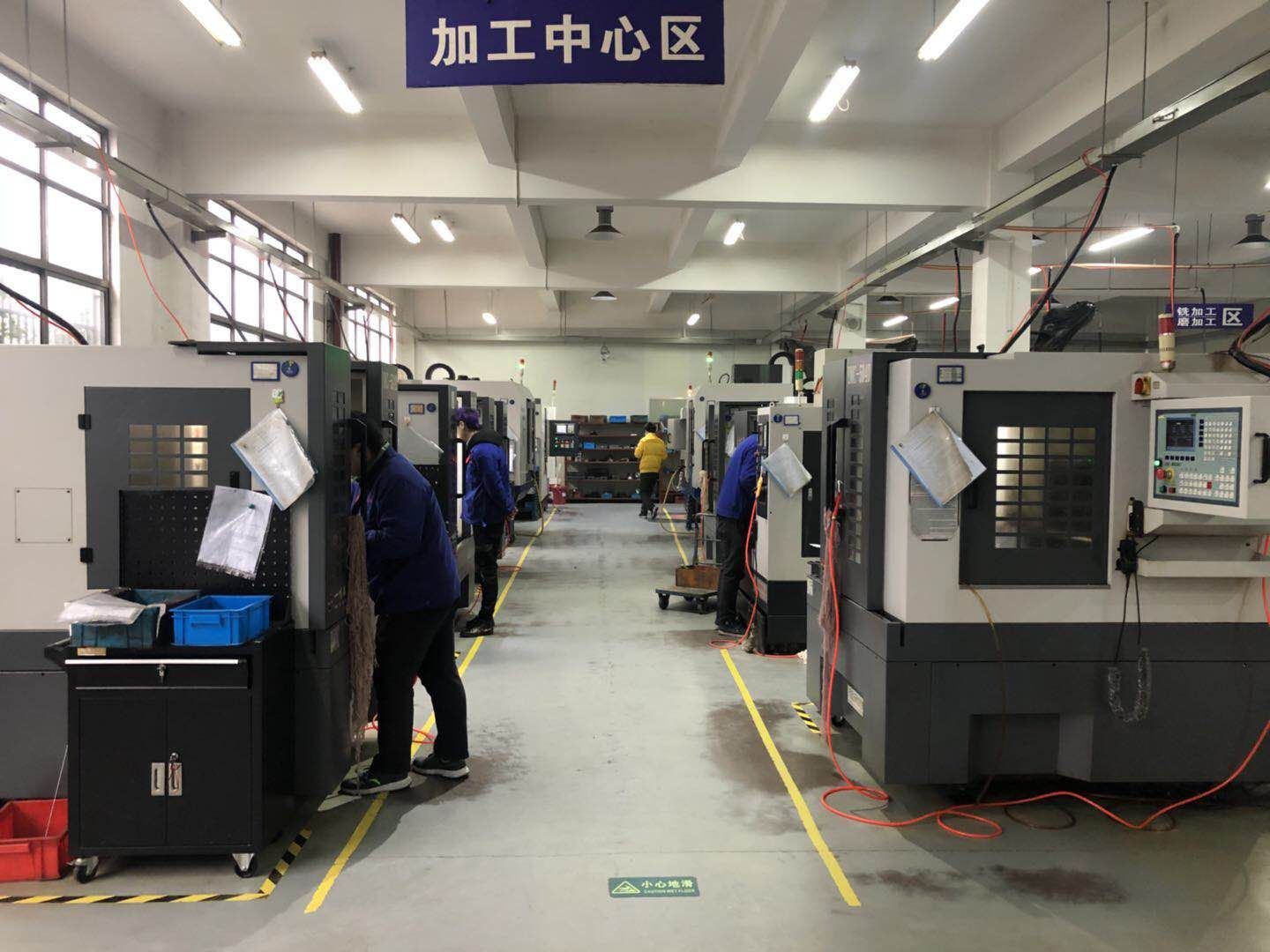
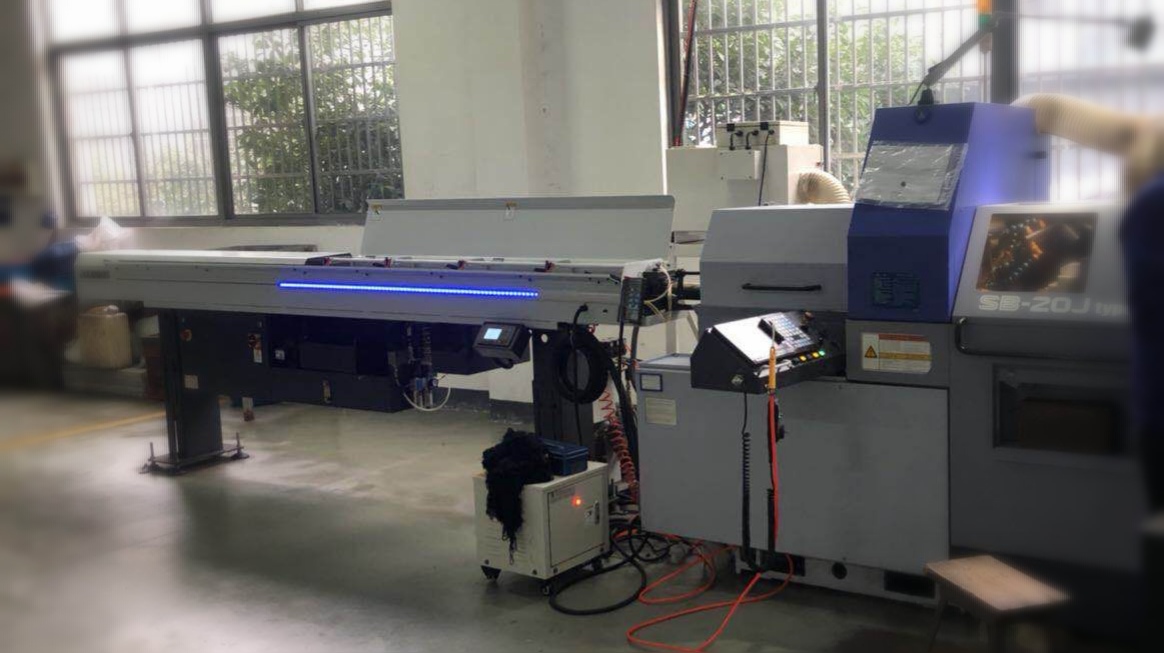
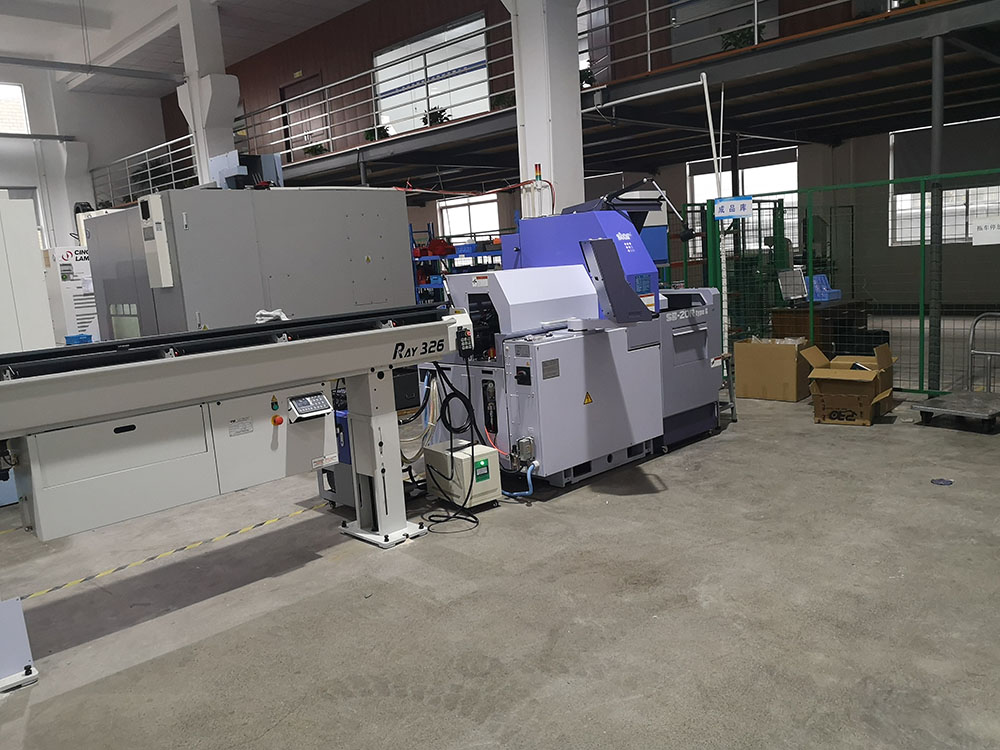
Our facility features Swiss-type CNC multi-axis automatic lathes. This high-end equipment ensures we maintain dimensional tolerances within microns. This consistency helps limit surgical complications like thread-stripping and dynamic mismatching.
As clinical practices advance, structural pain management devices are shifting from passive stabilizers to active bio-integrative solutions. The engineering roadmap prioritizes minimizing surgical trauma and accelerating postoperative fusion.
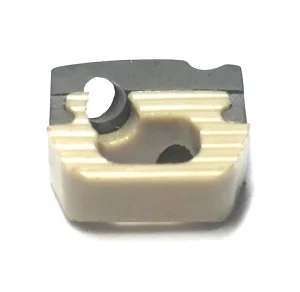
PEEK (Polyetheretherketone) has become a preferred material for cervical and lumbar interbody cages. This polymer features an elastic modulus that closely matches human cortical bone. This compatibility reduces stress shielding and helps prevent implant subsidence.
Future developments focus on bioactive surface coatings, such as hydroxyapatite (HA) or titanium plasma spraying. These treatments help transition PEEK from hydrophobic to osteoconductive, promoting faster bone growth.
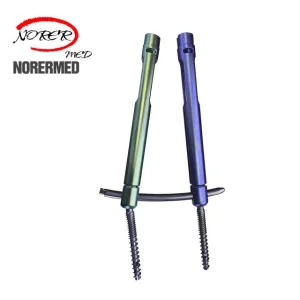
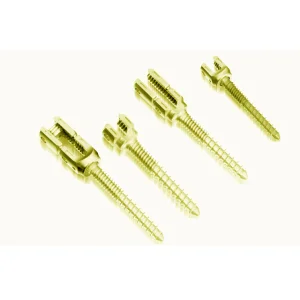
Minimally invasive approaches are key to reducing tissue damage and postoperative pain. Our minimally invasive spinal screws allow surgeons to achieve secure internal fixation through smaller incisions.
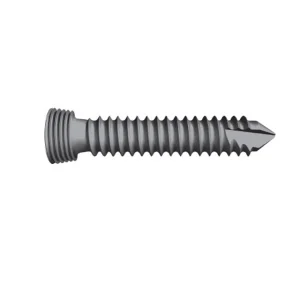
These systems feature cannulated pathways, self-tapping thread geometries, and integrated guide wires to ensure precise placement under fluoroscopic control.
Our orthopedic systems are designed to address specific clinical challenges across both human and veterinary surgical practices.
In human medicine, our spinal pedicle screw systems and cervical/lumbar PEEK cages are used to address spinal stenosis, degenerative disc diseases, and spondylolisthesis. By stabilizing the vertebral column, these devices reduce pressure on compressed nerve roots, alleviating chronic neuropathic pain.
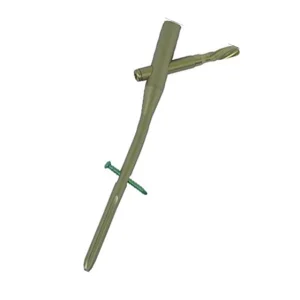
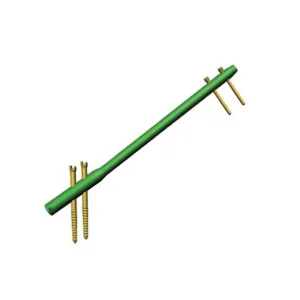
For orthopedic trauma, our intramedullary interlocking nails (PFNA and tibial systems) help manage fractures in long bones. These designs allow for early patient mobilization, helping to reduce pain and support recovery.
In veterinary medicine, our small-animal titanium pedicle screws and PEEK cages are designed for spinal decompression and stabilization procedures in canine and feline patients. These implants help treat conditions like canine disc disease and spinal instability.
Engineered for high fatigue resistance, these veterinary systems support restoration of mobility and pain reduction in companion animals.
Selling medical implants internationally requires strict adherence to regulatory standards. DEON Medical ensures compliance with rigorous testing protocols to verify that all structural materials meet international biocompatibility requirements.
All raw material batches undergo chemical composition verification and mechanical testing. We ensure compliance with ISO 10993 standards for biocompatibility.
This testing includes cytotoxicity, sensitization, and systemic toxicity checks, ensuring the implants can safely remain in the body without causing adverse reactions.
We manage our operations under an ISO 13485 Quality Management System for medical devices.
Our export team provides comprehensive documentation, including material traceability sheets, sterilization verification protocols (for gamma or EO sterilization), and compliant export clearances, helping our global partners navigate local import requirements.
PEEK (Polyetheretherketone) has an elastic modulus (approx. 3.6 GPa) that is much closer to human cancellous and cortical bone than Titanium (approx. 110 GPa). This similarity reduces the risk of stress shielding, where the metal implant carries too much load, which can lead to bone resorption and implant subsidence. Additionally, PEEK is radiolucent, allowing surgeons to clearly monitor bone fusion progress on X-ray and CT scans without metallic artifact interference.
DEON Medical uses medical-grade Titanium Alloys, primarily Ti-6Al-4V ELI (Extra Low Interstitial) conformant with ASTM F136 and ISO 5832-3 standards. This alloy provides excellent biocompatibility, high fatigue strength, and corrosion resistance inside the body, making it ideal for permanent or long-term implants like bone plates, screws, and interlocking nails.
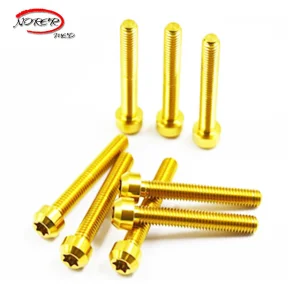
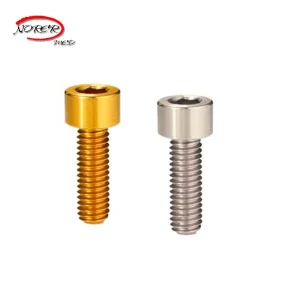
We employ Swiss-type CNC longitudinal automatic lathes to machine our bone screws. We maintain dimensional tolerances within ±5 microns. Post-machining, all screws undergo optical and mechanical inspections. We also track batch numbers back to the raw material mill test certificates to ensure traceability and consistent performance.
Yes, DEON Medical offers OEM/ODM customization services for veterinary orthopedic implants. Our engineering team works from technical drawings or 3D CAD files to adjust thread pitches, lengths, and plate shapes to suit different animal anatomies. We produce custom prototypes using multi-axis machining for validation before final production.
We offer implants in both non-sterile and pre-sterilized formats. Pre-sterilized items are packaged in cleanrooms using double-layer sterile barrier pouches and sterilized via Gamma Irradiation or Ethylene Oxide (EO) gas, complying with ISO 11137 and ISO 11135 standards. Each package includes sterile indicators to verify processing.
DEON Medical provides documentation packages to support import registration. This includes ISO 13485 certificates, material mill certificates, biocompatibility test report summaries, sterilization validation documentation, and Certificates of Free Sale (CFS), helping streamline registration with local health authorities.
View our high-performance orthopedic catalog, designed for precision clinical stabilization in both human and veterinary surgical procedures.
 Deon Medical