Explore our precision-engineered implant portfolios designed to meet international surgical standards.
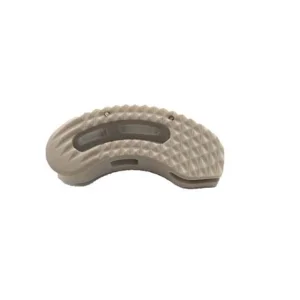
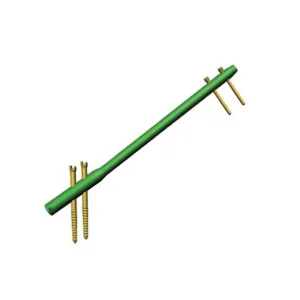
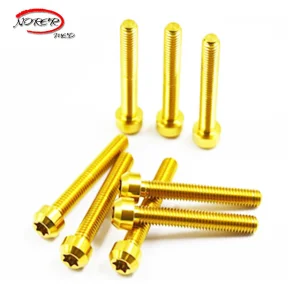
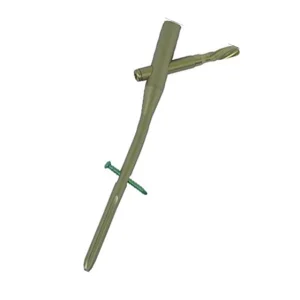
Cranioplasty is one of the oldest surgical procedures, yet the demand for absolute biomechanical compatibility and customized aesthetics requires state-of-the-art precision engineering. For global procurement directors, choosing the right China Cranial Plates Factory means evaluating more than just price; it requires assessing biocompatibility pathways, CAD/CAM customization workflows, and raw material purity.
We source medical-grade Titanium alloys (Ti-6Al-4V ELI / ASTM F136) and premium PEEK (ASTM F2026) to guarantee excellent osteointegration and minimum post-operative imaging artifacts.
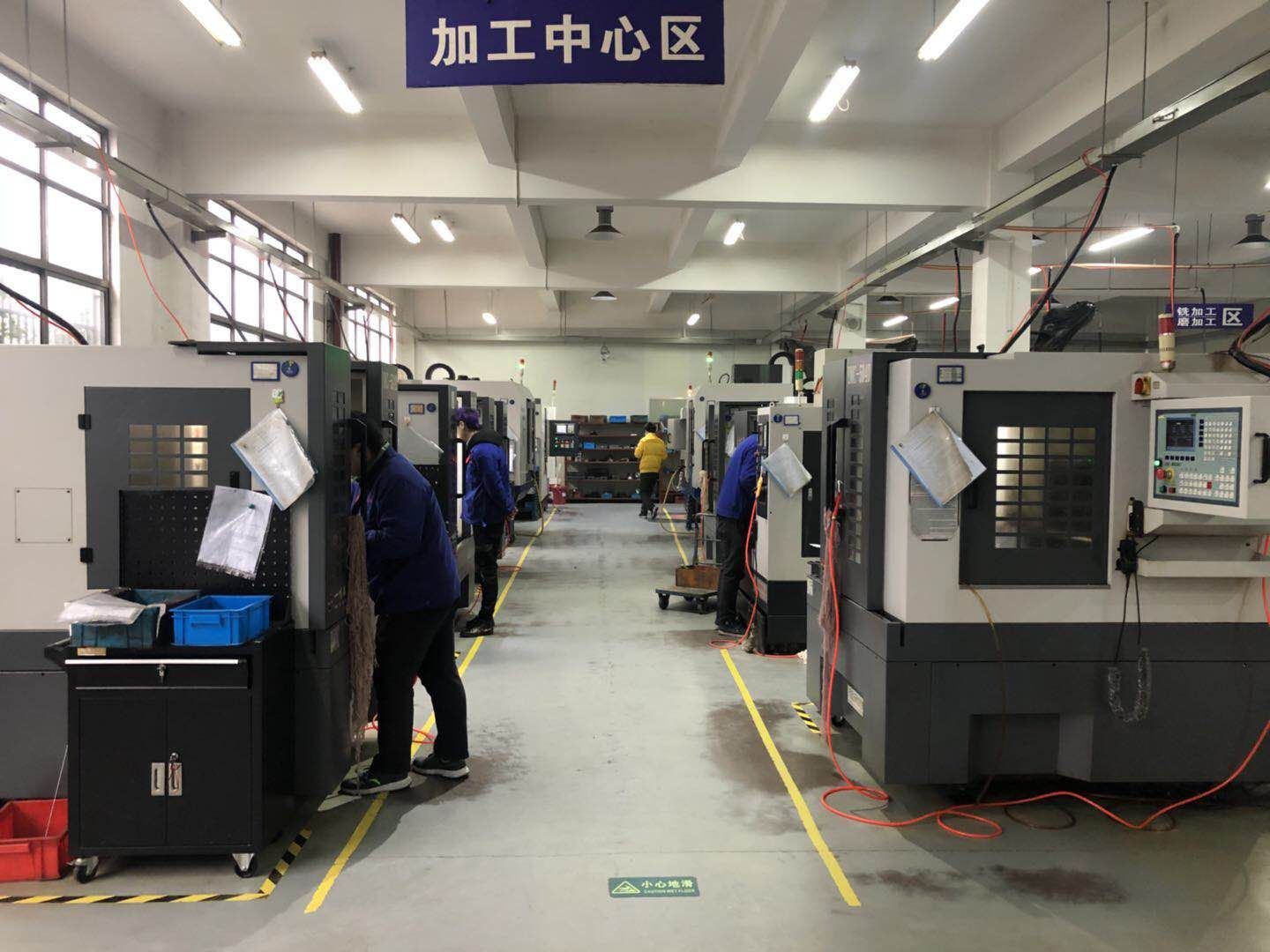
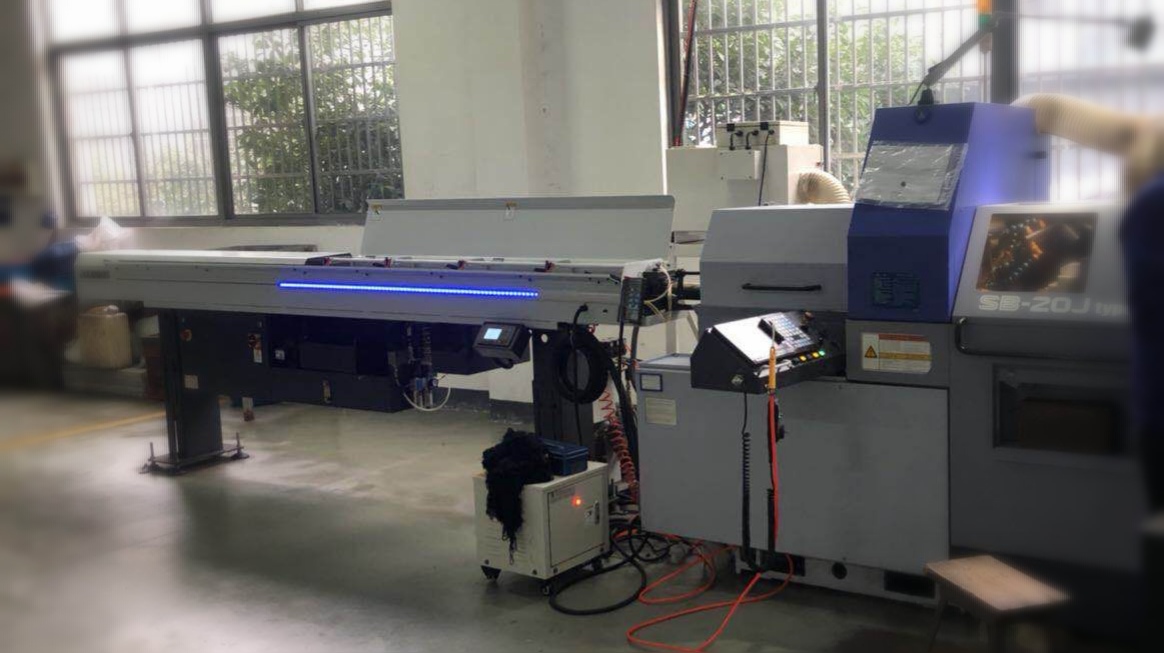
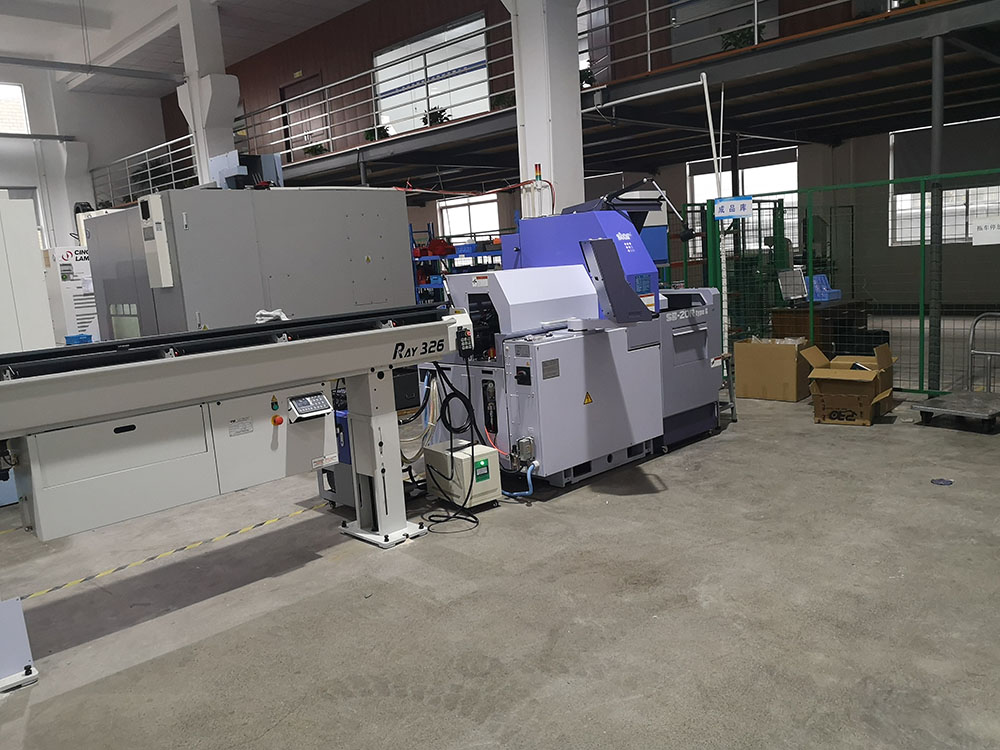
Our engineering workflows integrate DICOM patient imaging data straight into advanced multiaxial CNC machines. This achieves micron-level tolerances for patient-specific implants (PSI).
We operate strictly under ISO 13485 quality control systems. Our products adhere to international medical standards to minimize regulatory challenges across European, US, and Asian jurisdictions.
The field of cranioplasty is moving rapidly away from manual, intraoperative bending of standard titanium meshes toward pre-fabricated, clinically precise, and patient-specific solutions. Top manufacturers in China are spearheading this shift by implementing technological advancements that bridge the gap between clinical research and commercial execution.
Historically, titanium was the gold standard due to its raw structural strength. However, PEEK cranial implants have gained significant market share. PEEK mimics the elasticity modulus of human cortical bone, reducing stress shielding and preventing thermal conduction. This properties minimize patient discomfort in cold climates. Furthermore, its complete radiolucency ensures clear CT and MRI imaging during post-operative oncological follow-ups.
By using Selective Laser Melting (SLM) and Electron Beam Melting (EBM) technologies, our advanced manufacturing centers convert high-resolution CT scans into physical implants. These 3D-printed titanium cranial plates match the natural curvature of the skull precisely, reducing surgical times and lowering risks of infection.
The future of cranial fixation belongs to implants that actively promote bone healing. R&D centers in Changzhou are currently investigating hydroxyapatite (HA) coatings and anodization techniques. These innovations create micro-pores on titanium surfaces, encouraging rapid cell proliferation and secure biological integration.
China’s medical device industrial parks, particularly in the Jiangsu (Changzhou) cluster, provide unmatched strategic advantages for B2B global procurement directors. Working with a dedicated Chinese supplier provides significant cost efficiencies and delivers robust supply chain security.
Our direct access to certified medical-grade titanium and high-performance engineering plastics ensures consistent raw material supply. This allows us to keep lead times short even during global supply shocks.
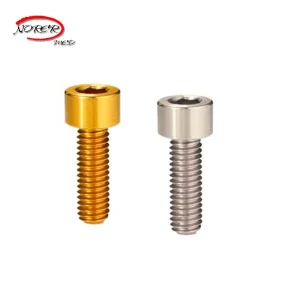
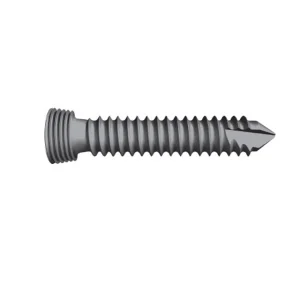
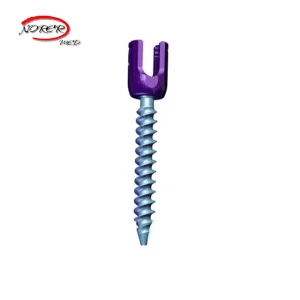
From custom orthopedic locking screws to complete skull plates, our manufacturing systems scale rapidly. We support everything from low-volume trials to high-capacity commercial runs.
Each product undergoes strict documentation control. From raw material heat numbers to CNC programming steps and cleanroom packaging, every component is fully traceable.
Hospitals and surgical centers no longer procure cranial implants in isolation. Modern surgeries require integrated solutions where plates, locks, mesh screens, and fixation screws function together seamlessly.
Trauma-induced skull fractures demand immediate, stable fixation. Our standard titanium cranial plates are designed with ultra-low profile configurations. This ensures minimal palpability under the scalp while providing high structural impact resistance to protect the underlying brain tissue.
Following tumor removal, large cranial defects are common. We collaborate with international distributors to supply multi-segment cranial grids and custom-engineered PEEK implants. These implants cover irregular bone boundaries and maintain anatomical shape perfectly.
Pediatric patients require lightweight, flexible implants that adapt to natural skull growth. Our micro-cranial plating systems feature thin titanium meshes and low-profile screws, minimizing long-term tissue stress and dynamic migration issues.
Navigating international regulatory frameworks is critical when sourcing implants. A professional China Cranial Plates Supplier must provide comprehensive support for local regulatory approvals.
Our partner factories maintain up-to-date ISO 13485 certifications. This guarantees that all stages of manufacturing—from initial engineering design to sterile packaging—adhere to international medical standards.
We prepare complete technical dossiers (including biocompatibility reviews, mechanical fatigue test reports, and raw material certifications). This documentation supports distributors during local registration phases, helping them secure FDA 510(k) or MDR clearances quickly.
Every batch of raw titanium and PEEK is validated against cytotoxity, systemic toxicity, and genotoxicity criteria. Our standard packaging protocols ensure sterilization integrity remains secure throughout global ocean and air transit.
DEON Medical (Changzhou) Co., Ltd. is a leading manufacturer specializing in orthopedic implants and surgical instrumentation. Situated in the precision manufacturing hub of Changzhou City, Jiangsu Province, China, we produce trauma bone plates, orthopedic interlocking nails, spinal pedicle screws, and cranial fixation devices. Our advanced production facilities deliver highly reliable implants for both human and veterinary applications worldwide.
Expert insights addressing common questions from medical device distributors, hospitals, and orthopedic procurement managers.
Titanium plates provide exceptional mechanical strength, impact resistance, and are cost-effective. However, they can cause imaging artifacts in post-op scans. PEEK implants match cortical bone density closely, are completely radiolucent, and do not conduct thermal energy. This reduces patient sensitivity to temperature changes.
We only source materials certified to ASTM F136 (Titanium) and ASTM F2026 (PEEK) standards. Every batch comes with a material test report (MTR) detailing chemical purity and mechanical properties. This ensures our implants are completely biocompatible and safe for long-term implantation.
Upon receiving the patient's DICOM CT scan data, our engineers complete 3D modeling within 48 hours. After clinical approval, manufacturing, QC, and non-sterile shipping prep take approximately 7 to 10 working days.
Our standard shipments are delivered non-sterile. They are cleaned, vacuum-sealed, and packaged in a Class 100,000 cleanroom. Hospitals or distributors then perform steam autoclave sterilization locally prior to surgery, following our validation guidelines.
We provide full registration dossiers. These include ISO 13485 certificates, material biocompatibility test data, clinical evaluations, and technical product sheets. Our team collaborates with local regulatory agents to secure distribution approvals.
Explore our full line of bone screws, spinal fixation systems, and trauma solutions designed for robust outcomes.
 Deon Medical