Explore our primary array of high-precision metal alloy components, spinal fixation assemblies, and advanced implant structures manufactured to strict medical compliance specifications.
How mechanical innovation and biomaterial science are reshaping clinical outcomes in human and veterinary osteosynthesis.
The orthopedic sector has shifted decisively from legacy Dynamic Compression Plates (DCP) to modern Locking Compression Plates (LCP) and anatomical pre-contoured solutions. The modern clinical objective is to preserve periosteal vascularization while guaranteeing absolute stability. Advanced bone plating systems combine locking technology with dynamic compression, allowing surgeons to customize fixations based on patient bone quality, fracture topology, and biological response.
Additionally, 3D anatomical modeling has enabled the mass-customization of locking plates, designed specifically to fit the natural curvature of skeletal sections. This minimizes manual intraoperative contouring, vastly reducing surgical time and risks of implant fatigue.
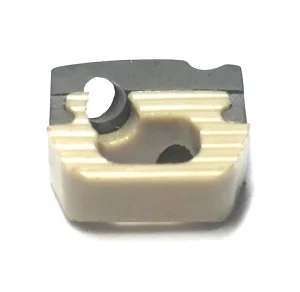
While Medical-Grade Titanium Alloys (such as Ti-6Al-4V ELI / ASTM F136) remain the gold standard due to mechanical durability and biocompatibility, PEEK (Polyetheretherketone) is revolutionizing specialized implant classes. Highly utilized in spinal cages and veterinary osteosynthesis, PEEK mirrors the elastic modulus of cortical bone, mitigating the phenomenon of stress shielding.
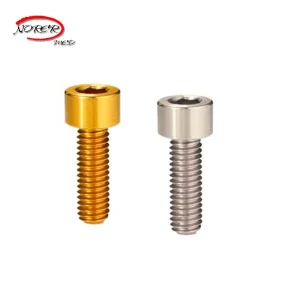
By combining PEEK constructs with titanium anchoring elements (such as locking screw components), modern hybrid orthopedic structures achieve superior biological integration, minimal artifact generation during post-operative MRI/CT imaging, and reduced revision surgery rates.
How Chinese high-precision medical engineering clusters provide unparalleled reliability, manufacturing efficiency, and regulatory compliance.
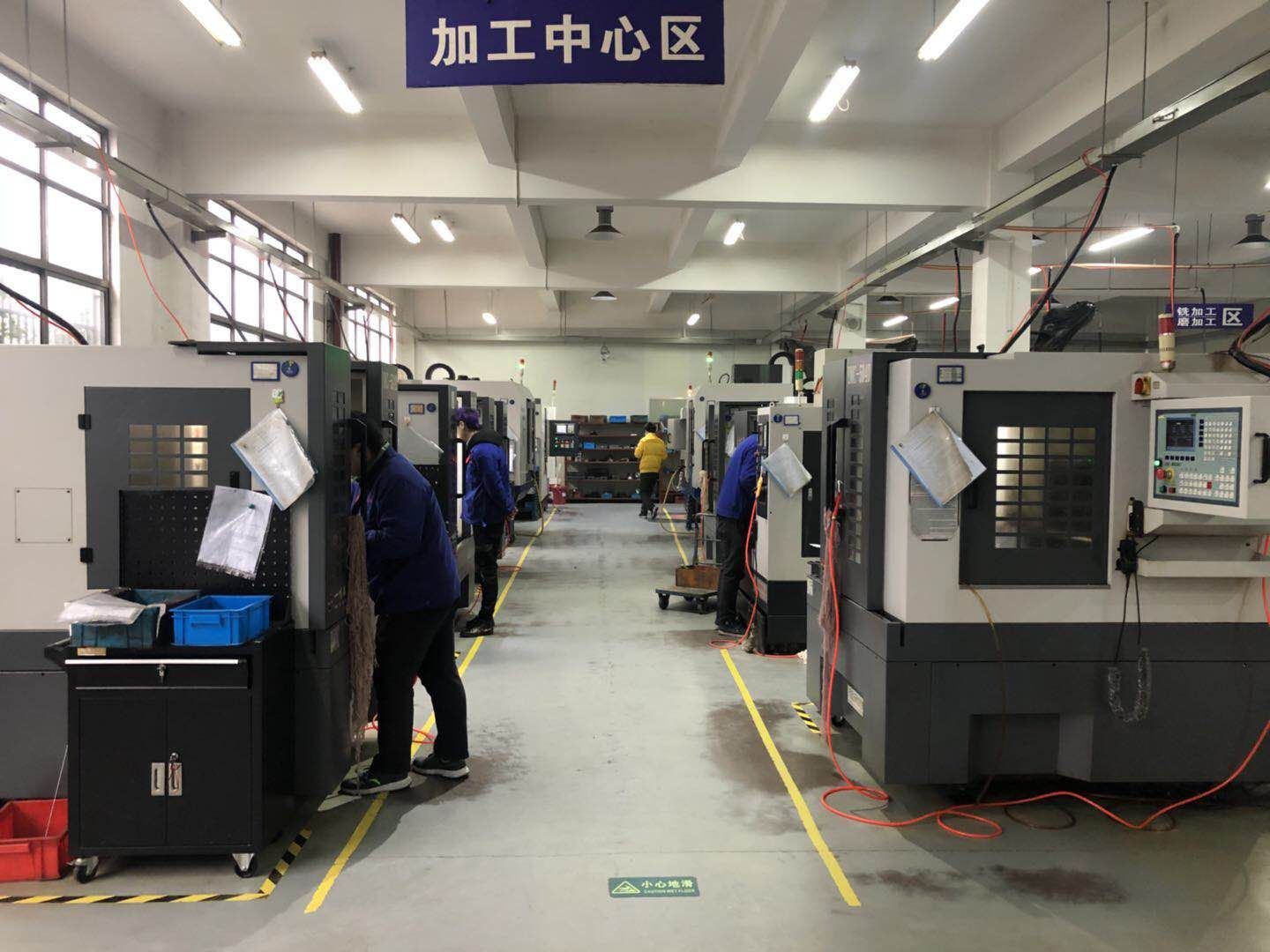
The global demand for high-reliability orthopedic implants requires manufacturing platforms that can bridge the gap between heavy industrial output and nanoscale precision. In China's premium medical manufacturing clusters—most notably centered in Changzhou, Jiangsu Province—this requirement has fostered the development of Medical Factory 4.0 systems. These state-of-the-art facilities rely on vertical integration, combining raw material certification, advanced CAD/CAM processes, CNC machining, automated finishing, and sterile packaging under one single, audited quality control umbrella.
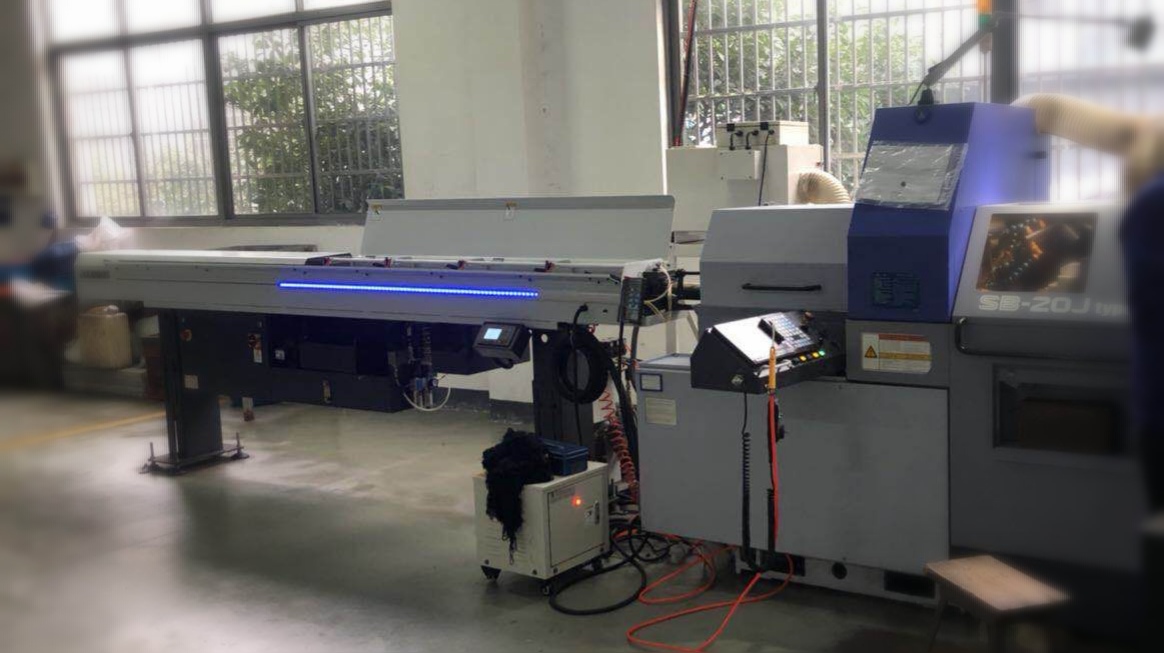
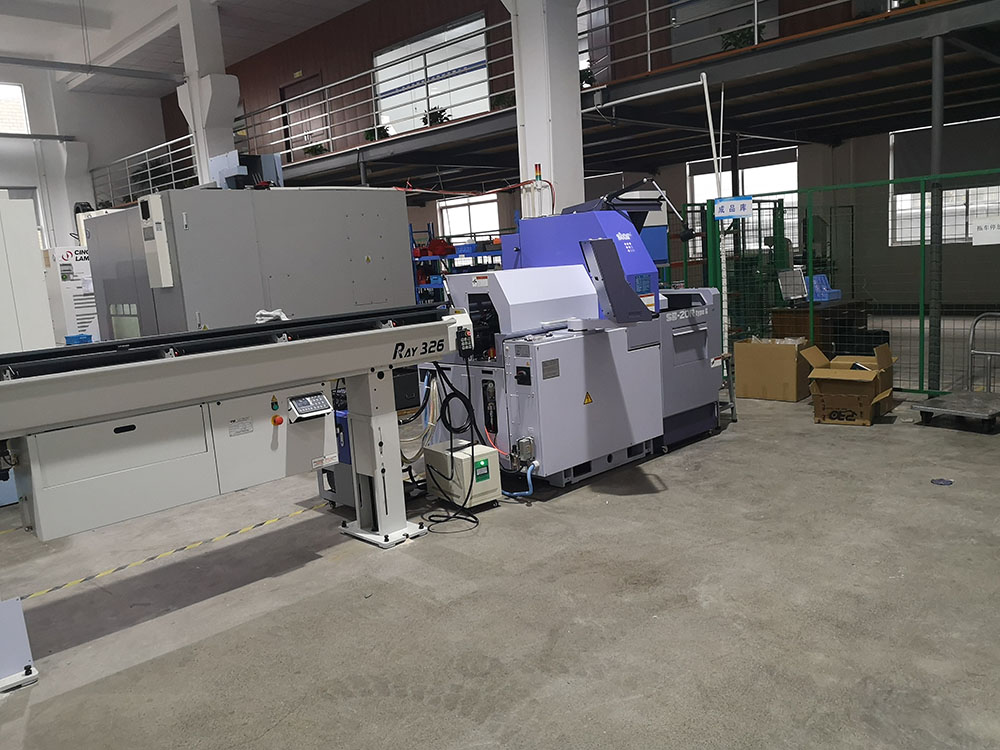
By leveraging automated multi-axis Swiss-type lathe machinery and robotic finishing platforms, Chinese medical device exporters maintain micro-level mechanical tolerances (typically under 10 micrometers). This ensures that every bone screw, interlocking nail, and locking plate mates perfectly with its companion instrument kits. The reduction in dimensional variance protects surgeons from intraoperative complications and ensures long-term mechanical stability in both human trauma patients and veterinary clinical applications.
We enforce strict material sourcing protocols. Every batch of Titanium (Grades 2, 4, 5, or ASTM F136 Ti-6Al-4V ELI) and PEEK polymer is accompanied by full metallurgical test reports, certifying mechanical strength, chemical composition purity, and trace element compliance.
Implant threads, complex geometries, and locking mechanisms are milled using high-performance Swiss-type CNC centers. This guarantees burr-free surfaces and dimensional consistency across production runs containing thousands of units.
Our finishing processes utilize advanced chemical cleaning, physical passivation, and Type II anodization. This improves corrosion resistance, optimizes friction coefficients in locking assemblies, and creates biological micro-textures that support fast osseointegration.
Navigating the regulatory landscapes, critical parameters, and mechanical evaluations crucial for healthcare procurement directors.
Specifies Extra Low Interstitial (ELI) titanium alloy. Offers superior fatigue limit, yield strength, and maximum resistance against micro-crack propagation under load cycle stress.
Offers excellent chemical inertness, high temperature sterilization durability (autoclave, ethylene oxide, gamma radiation), and radiolucent characteristics for unobstructed radioclinical scans.
All raw stocks undergo ISO 10993 cytotoxicity, sensitization, systemic toxicity, and genotoxicity evaluations to guarantee biological compatibility within human tissue environments.
Plates undergo dynamic three-point or four-point bending tests to establish fatigue limit curves. This ensures they withstand physiologic loads without failure before full bone union occurs.
Evaluates critical screw behaviors: torsional yield strength, insertion torque, stripping torque, and axial pullout force. These tests safeguard against thread stripping during bone insertion.
Every bone plate, pedicle screw, and anatomical implant features high-resolution laser marking denoting lot number, model code, and size specs, satisfying global UDI (Unique Device Identifier) rules.
From human neurosurgery and orthopedic trauma to specialized small animal veterinary surgeries.
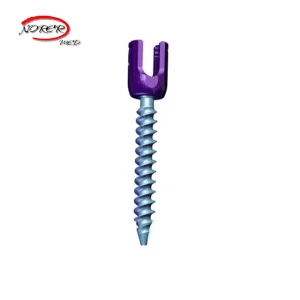
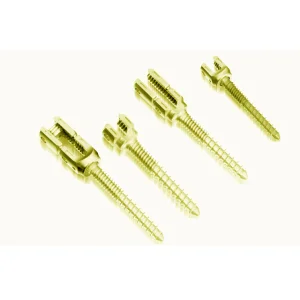
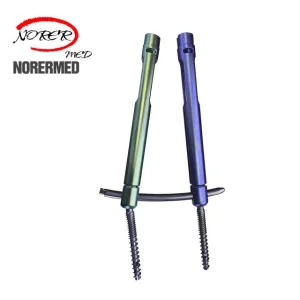
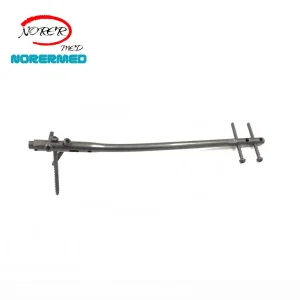
Used inside clinical human trauma departments for complex long-bone reconstruction, osteotomy, and spinal alignment pathologies. Implants like monoaxial/polyaxial pedicle screws and interlocking femoral nails provide stable mechanical bridges that can withstand early-stage weight-bearing stresses during patient recovery.
Veterinary orthopedics demands custom sizes for canine and feline patients. Our PEEK lumbar TLIF and cervical ACIF cages, along with micro-locking plates, prevent implant displacement in highly active animals, helping veterinary clinics restore joint and spinal mobility in pets.
Skull reconstruction demands extreme anatomical conformity. Our dedicated titanium cranial lock components and ultra-low profile plates provide secure fixation for bone flaps during craniotomy surgeries, prioritizing fast recovery, minimal skin protrusion, and high safety standards.
An accredited leader in orthopedic engineering, producing premium bone plates, screws, spinal constructs, and trauma instrumentation.
Located in Changzhou, China—a premier global cluster for precision medical device fabrication—DEON Medical specializes in manufacturing premium trauma bone plates, skeletal locking screws, interlocking intramedullary nails, pedicle spine fixation screws, cervical plates, and PEEK implants.
| Company Name | DEON Medical (Changzhou) Co., Ltd. |
| Company Description | We are located in Changzhou city, CHINA. We are a specialized manufacturer of Orthopedic Trauma bone plates, bone screws, orthopedic Interlocking nails, spine pedicle screws, Cervical Plates, PEEK cervical & lumbar cages, and related orthosurgical equipments. |
| Total Employees | 11 - 50 People |
| Country / Region | Jiangsu, China (Changzhou High-Tech Cluster) |
| Business Type | Trading Company & Custom Manufacturing Partner |
| Company Join Year | 10 Years Industry Track Record |
Professional answers addressing material characteristics, quality standards, and manufacturing capacities for global medical distributors and procurement managers.
Ti-6Al-4V ELI (Extra Low Interstitial) contains reduced levels of carbon, oxygen, nitrogen, and iron. Minimizing these interstitials significantly increases the material's fracture toughness, ductility, and fatigue performance. This is critical for bone plating and spinal fixation systems that must bear cyclical physiological forces inside the human or animal body without material failure.
PEEK (Polyetheretherketone) possesses an elastic modulus (approx. 3.6 GPa) that is much closer to human cortical bone (approx. 18 GPa) compared to titanium (approx. 110 GPa). This close match reduces "stress shielding," where the implant absorbs all mechanical loads, causing surrounding bone to resorb. PEEK is also radiolucent, allowing surgeons to monitor fusion progress on follow-up X-rays without metal artifacts.
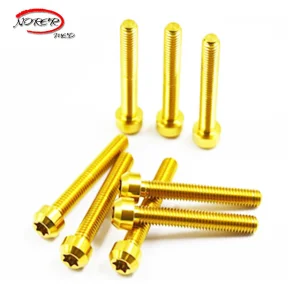
Our implants undergo medical-grade passivation and electrochemical anodization (specifically Type II Anodization). This creates a bio-inert surface oxide layer that increases corrosion resistance, prevents metal ion release, and provides color-coding (e.g., gold, blue, green) to help surgeons quickly identify sizes and configurations during surgeries.
Our operations align with ISO 13485 (Medical Devices — Quality Management Systems) guidelines. We maintain complete material traceability from raw bars to packaged medical devices. Every batch of trauma plates or pedicle screws is logged with its production runs, laser-marked with a unique batch number, and undergoes inspection prior to shipment.
Yes. Backed by modern multi-axis Swiss CNC milling machines and experienced engineers, we offer full OEM/ODM services. We can manufacture custom titanium plates, orthopedic screws, and PEEK lumbar cages using customer-supplied drawings or samples, ensuring strict compliance with customer-specified tolerances.
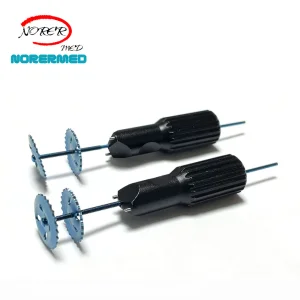
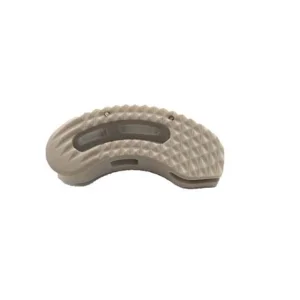
A collection of spinal cages, fixation rods, and locking elements, ensuring stable osteosynthesis and spinal fusion results.
 Deon Medical