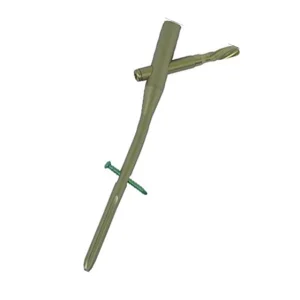
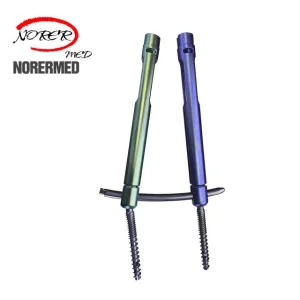
Top China Bone Clamps Manufacturers & Suppliers

A Comprehensive Industry Report and Technical Sourcing Guide on Advanced Osteosynthesis Fixation Systems, Trauma Hardware Engineering, and B2B Procurement Optimization.

1. The Biomechanics and Clinical Significance of Bone Clamps

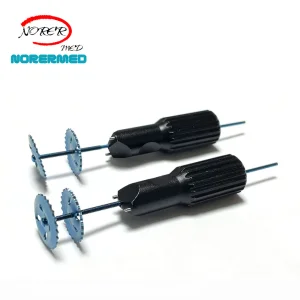
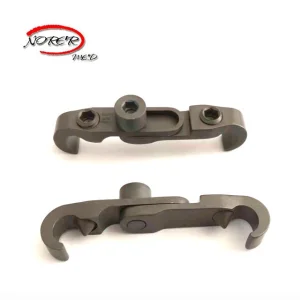
Within the discipline of orthopedic trauma surgery, the primary objective of osteosynthesis is to achieve anatomic reduction of bone fragments and stable internal fixation. Bone clamps, reduction forceps, and temporary stabilization assemblies are critical tools during this initial clinical phase. By offering external stabilization without compromising the biological vitality of the periosteum, high-grade clamping mechanisms allow for the accurate deployment of permanent osteosynthesis fixtures, such as intramedullary nails, distal locking screws, and anatomical bone plates.

"Anatomical reduction must balance mechanical rigidity with biological preservation. The design of reduction bone clamps determines the degree of micro-motion at the fracture site and directly impacts the primary bone healing cascade."

Recent research in biomechanical engineering highlights the need for variable tension control within reduction clamps. Traditional high-compression clamps often run the risk of localized devitalization of the cortical bone by stripping or compressing the periosteal blood vessels. To prevent this, leading Chinese manufacturers, such as DEON Medical, utilize Finite Element Analysis (FEA) to design surface-optimized, low-contact clamp teeth. These advanced geometry teeth distribute mechanical clamping force evenly across the cortical diameter, reducing focal point stress while maintaining sufficient grip friction to resist axial torsional forces during bone drilling and screw insertion.

2. Sourcing from Changzhou: The Silicon Valley of Chinese Orthopedic Manufacturing

For B2B buyers, distributors, and healthcare systems, finding reliable, certified suppliers of orthopedic trauma devices is a strategic priority. Located in Jiangsu Province, Changzhou city has emerged as a premier cluster for medical device manufacturing in China. Known for its concentration of advanced mechanical engineering facilities and specialized talent, this industrial region provides a robust supply chain ecosystem that integrates raw materials, high-precision manufacturing, surface treatment, and quality assurance under one region.

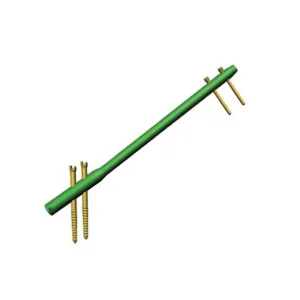
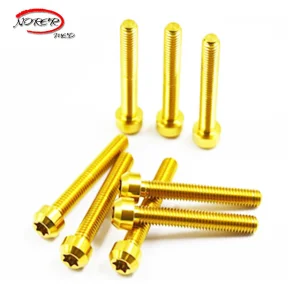
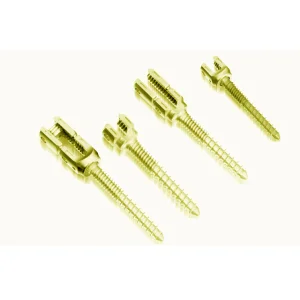
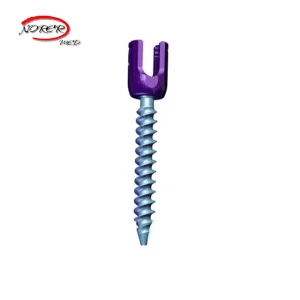
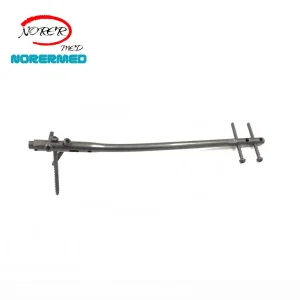
By leveraging this specialized manufacturing hub, DEON Medical (Changzhou) Co., Ltd. combines advanced manufacturing facilities with the flexibility of direct-to-market trading processes. This enables the production of high-precision components like titanium pedicle screws and GAMA interlocking nails at competitive scale-up costs, without compromising on materials verification or dimensional tolerances.

3. Advanced Metallurgical & Polymer Material Standards

The selection of medical-grade raw materials is foundational to the reliability and biocompatibility of any orthopedic device. The global supply network relies primarily on two materials:

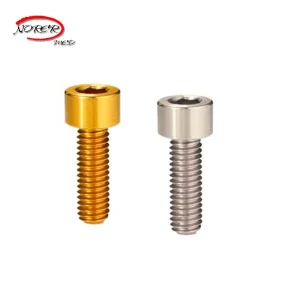
  • Medical-Grade Titanium Alloys (Ti-6Al-4V ELI / ASTM F136): Preferred for high-load spinal pedicle screws, interlocking femoral and tibial nails, and cranial locks. Titanium alloys offer an excellent strength-to-weight ratio, high corrosion resistance, and superb biocompatibility. They facilitate natural osteointegration and present minimal artifacting under post-operative MRI scans compared to conventional stainless steel.
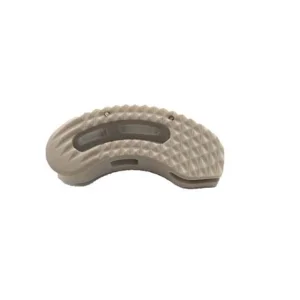
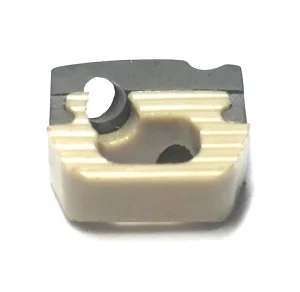
  • Advanced Polyetheretherketone Polymers (PEEK / ASTM F2026): Extensively used in spinal interbody fusion cages (such as TLIF and ACIF cages) for both human and veterinary applications. PEEK offers a modulus of elasticity that closely mimics human cortical bone (approx. 3.6 GPa), reducing the risk of stress shielding and implant subsidence. Furthermore, its radiolucent property allows clinical teams to monitor bone bridge growth easily on radiography.
Key Pillars of Technical Quality

How DEON Medical ensures superior product performance, mechanical integrity, and clinical safety across our trauma fixation products.

ISO 13485 QMS Compliance

Our manufacturing and supply processes strictly align with the ISO 13485 Quality Management System for medical devices. Every stage—from raw bar stock inspection to micro-machining, passivation, and sterilization packaging—is fully traceable.

Human & Veterinary Versatility

We supply both human-grade and veterinary-grade orthopedic trauma solutions. Our range supports diverse anatomical variations, including specialized micro-screws and small-scale bone plates designed for complex veterinary orthopedic surgeries.

Micro-Precision CNC Machining

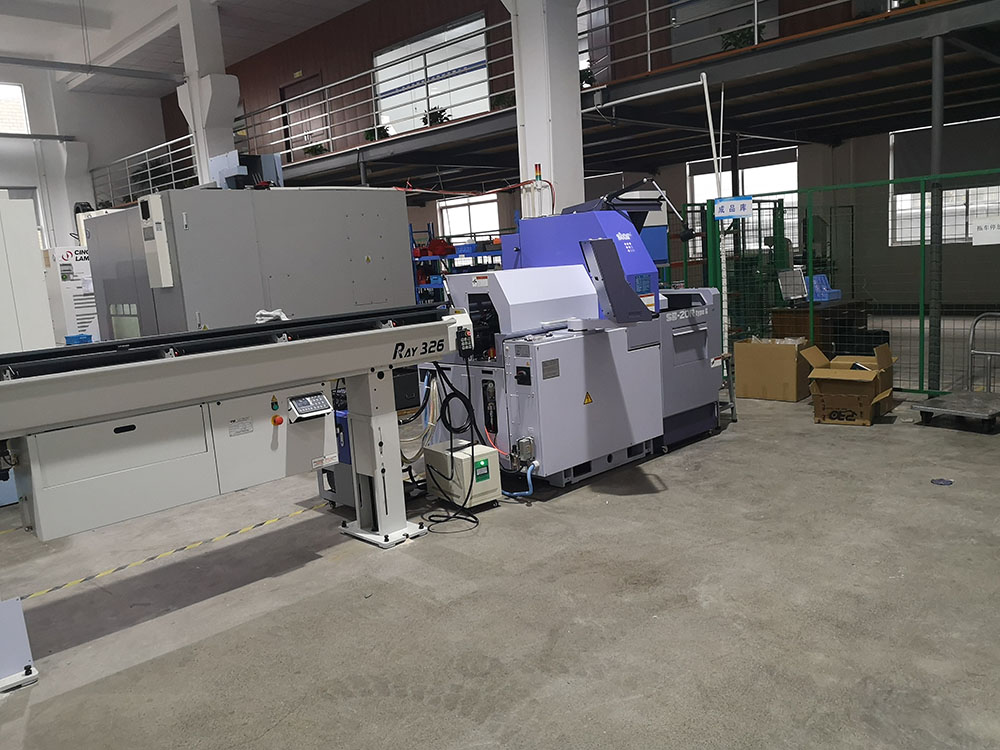
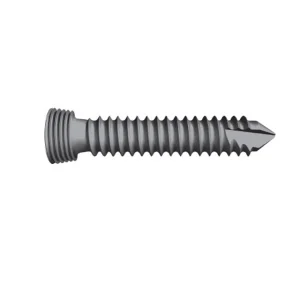
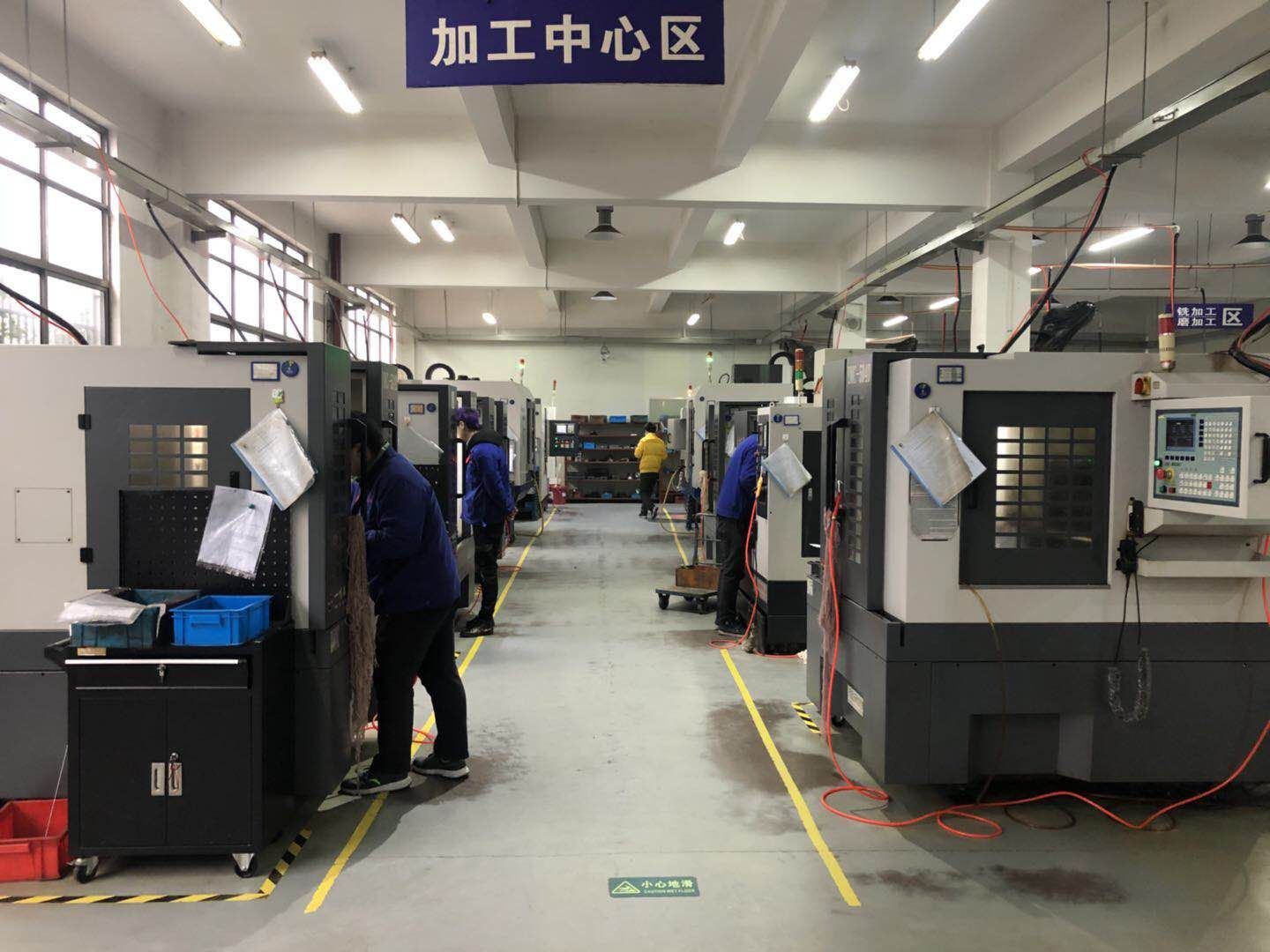
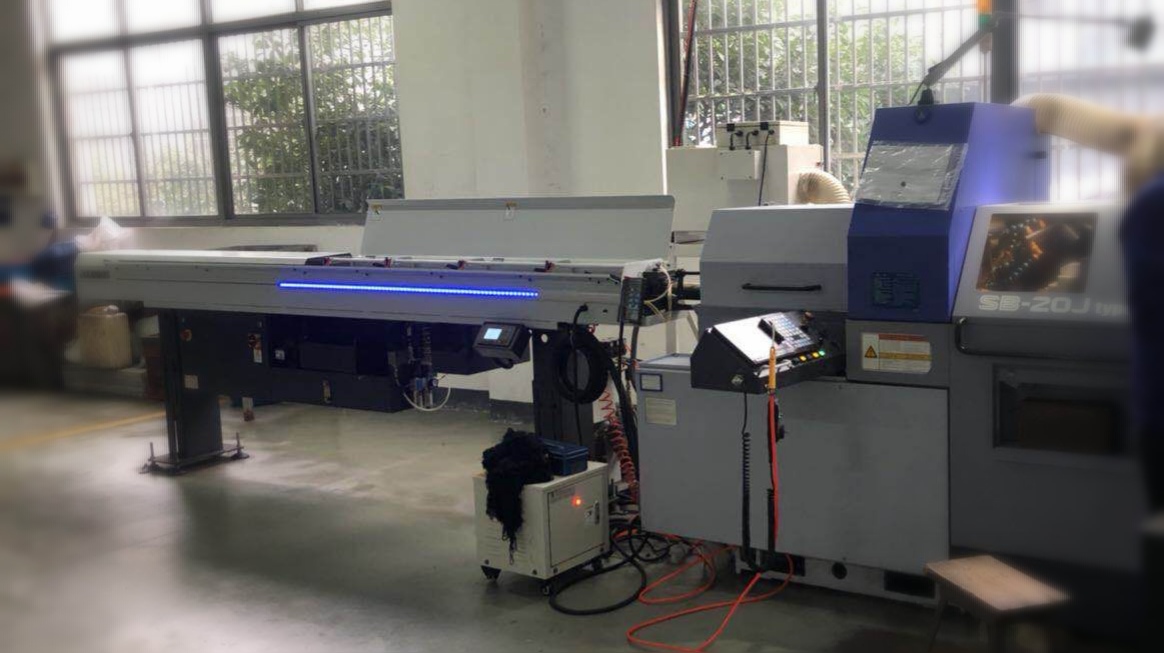
Utilizing high-end multi-axis CNC Swiss machining tools, we produce complex geometries including variable angle locking screws and customized bone plates with dimensional tolerances controlled within ±5 microns.

10+Yrs
Established Supply Expertise
13485ISO
Quality Standard Assurance
100%
Traceable Material Verification
50+Countries
Global Distribution Network

DEON Medical (Changzhou) Profile

A professional overview of our manufacturing focus, operating capacity, and facilities in China's leading medical cluster.

Company Name
DEON Medical (Changzhou) Co., Ltd.
Company Description
We are located in Changzhou City, Jiangsu Province, China. We specialize in the manufacturing of Orthopedic Trauma bone plates, bone screws, orthopedic Interlocking nails, spine pedicle screws, Cervical Plates, PEEK cervical & lumbar cages, and related surgical instruments.
Infrastructure & Sourcing Model
Operating with a core team of 11-50 professionals, we combine specialized manufacturing precision with professional trading logistics. This configuration ensures that global buyers receive customized manufacturing support, prompt technical communication, and streamlined export customs procedures.
Total Employees
11 - 50 People
Country / Region
Jiangsu, China
Business Type
Manufacturer / Trading Company

4. Technology Roadmap: The Next Era of Osteosynthesis

As the demand for minimally invasive surgery (MIS) increases worldwide, the technical requirements for bone clamping systems and associated internal implants have evolved. Devices are transitioning from simple stabilization brackets to complex, biologically active assemblies. The table below outlines the technological phases of manufacturing and engineering standards implemented by leading suppliers.

Feature / Epoch Legacy Standards Modern Standards Next-Generation Solutions
Metallurgy & Alloys Stainless Steel 316L Ti-6Al-4V ELI (Grade 23) Standard Porously Printed Titanium / Mg-Alloy (Bioabsorbable)
Surface Interface Polished (Uncoated) Acid Etching / Anodization Type III Standard SLA & Bioactive Hydroxyapatite (HA) Nanocoatings
Locking Technology Standard Thread Screws Fixed Angle / Polyaxial Locking Systems Standard Intelligent Dynamic Auto-locking Micro-screws
Surgical Integration Open Reduction Percutaneous MIS Instrumentation Standard Robot-Assisted Electro-magnetic Target Alignments

5. Global Logistics, Localization Support, & Compliance Controls

Managing the supply chain for medical devices requires navigate strict international logistics protocols and compliance regimes. Because bone clamps and orthopedic screws are classified as Class IIa or Class IIb medical devices under European MDR regulations, and Class II devices under US FDA guidelines, manufacturers must supply comprehensive documentation package with every shipment.

To support global distributors, DEON Medical provides detailed localization packs. These include certificate of analysis (CoA) for raw material batches, mechanical fatigue reports (such as ASTM F543 torsion test standards for bone screws), and sterilization validation certificates. These documents help distributors expedite national healthcare registrations (such as FDA, CE, ANVISA, or SFDA) and ensure smooth import clearance at local ports.

Technical Sourcing Q&A

Critical questions and structural answers for medical device procurement directors and trauma implant importers.

What raw material grades are verified in DEON Medical's orthopedic screw and plate production?

All metallic implant components (including interlocking nails, locking screws, and spinal pedicle screws) are manufactured using certified Ti-6Al-4V ELI (Extra Low Interstitial) Titanium Alloy conforming to ASTM F136 standards. For lumbar and cervical interbody cages, we utilize medical-grade PEEK polymers meeting the requirements of ASTM F2026. Material certifications from third-party metallurgical labs are provided with every batch shipment.

How does the factory manage quality control for high-precision components like pedicle screws?

We employ a multi-layered quality control system. First, incoming raw bars undergo ultrasonic testing to detect internal voids or structural inclusions. During machining on Swiss CNC lathes, inline laser scanners measure dimensions in real-time. Post-machining, all components undergo cleaning in automated ultrasonic baths, followed by visual inspection under high-magnification microscopes to verify surface smoothness and thread integrity.

Does DEON Medical support custom OEM / ODM design requests for specific anatomical variations?

Yes, we provide comprehensive OEM and ODM services. Utilizing computer-aided design (CAD) modeling software and CNC manufacturing lines, we can adjust plate curvature, screw pitch, locking mechanisms, or tool dimensions to meet the unique anatomical requirements of different markets. This includes custom sizes for veterinary practices treating companion animals of varying weights and frames.

What are the standard delivery lead times and shipment packaging options for global B2B orders?

Lead times vary from 15 to 45 days, depending on order size and custom design requests. For standard inventory, we offer rapid dispatch. Products are available in two packaging options: non-sterile bulk packaging (placed in clean PE bags within protective double boxes) and pre-sterilized single packaging (using medical-grade Tyvek blister packs, ready for direct clinical sterile field introduction).