 Deon Medical
High-precision orthopedic implants, cranial locking devices, and custom trauma hardware machined to micron-level tolerances.
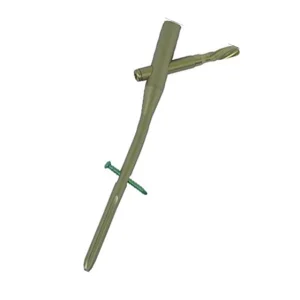
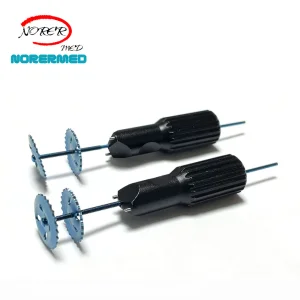
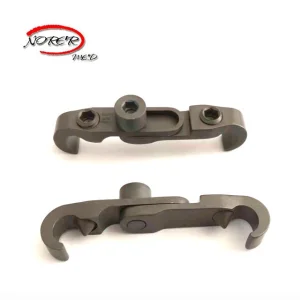
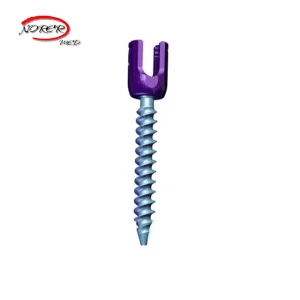
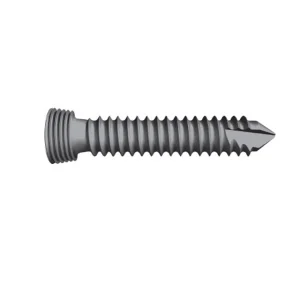
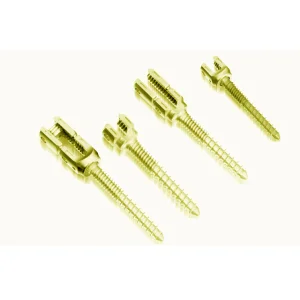
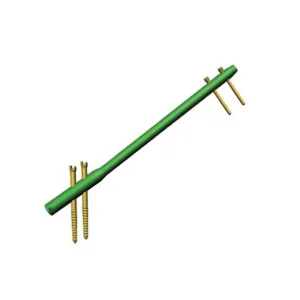
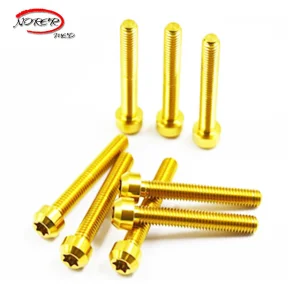
The modern surgical arena is shifting rapidly towards Robotic-Assisted Surgery (RAS). As robots execute cuts and insert implants with sub-millimeter precision, the requirements placed on the physical instruments and implants have reached unprecedented levels. Every single locking screw, orthopedic rod, and intramedullary nail must match exact mechanical blueprints to prevent system failure during automated placement procedures.
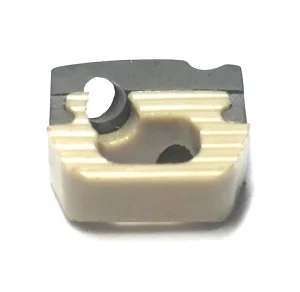
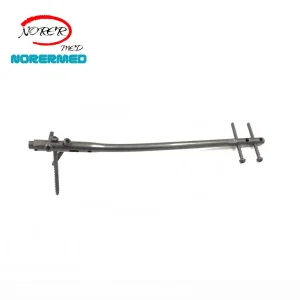
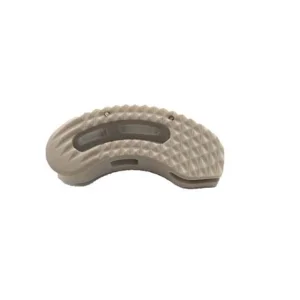
For exporters and procurement officers, sourcing surgical tools from qualified factories requires validation of manufacturing hardware, cleanroom packaging standards, and raw material purity. Highly specialized components, such as the Titanium PFNA Interlocking Nail or PEEK Lumbar TLIF Cages, form the foundational interface between robotic end-effectors and human bone tissue.
Key Sourcing Factor:
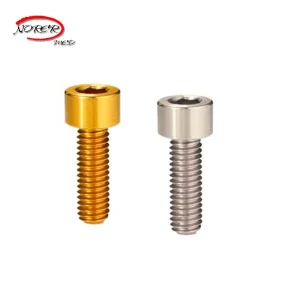
Robotic systems run on real-time feedback loops. Any minute variation in the screw pitch, head diameter, or material density can trigger force-resistance sensors, leading to aborted surgical steps. This makes premium titanium machining and rigorous testing mandatory.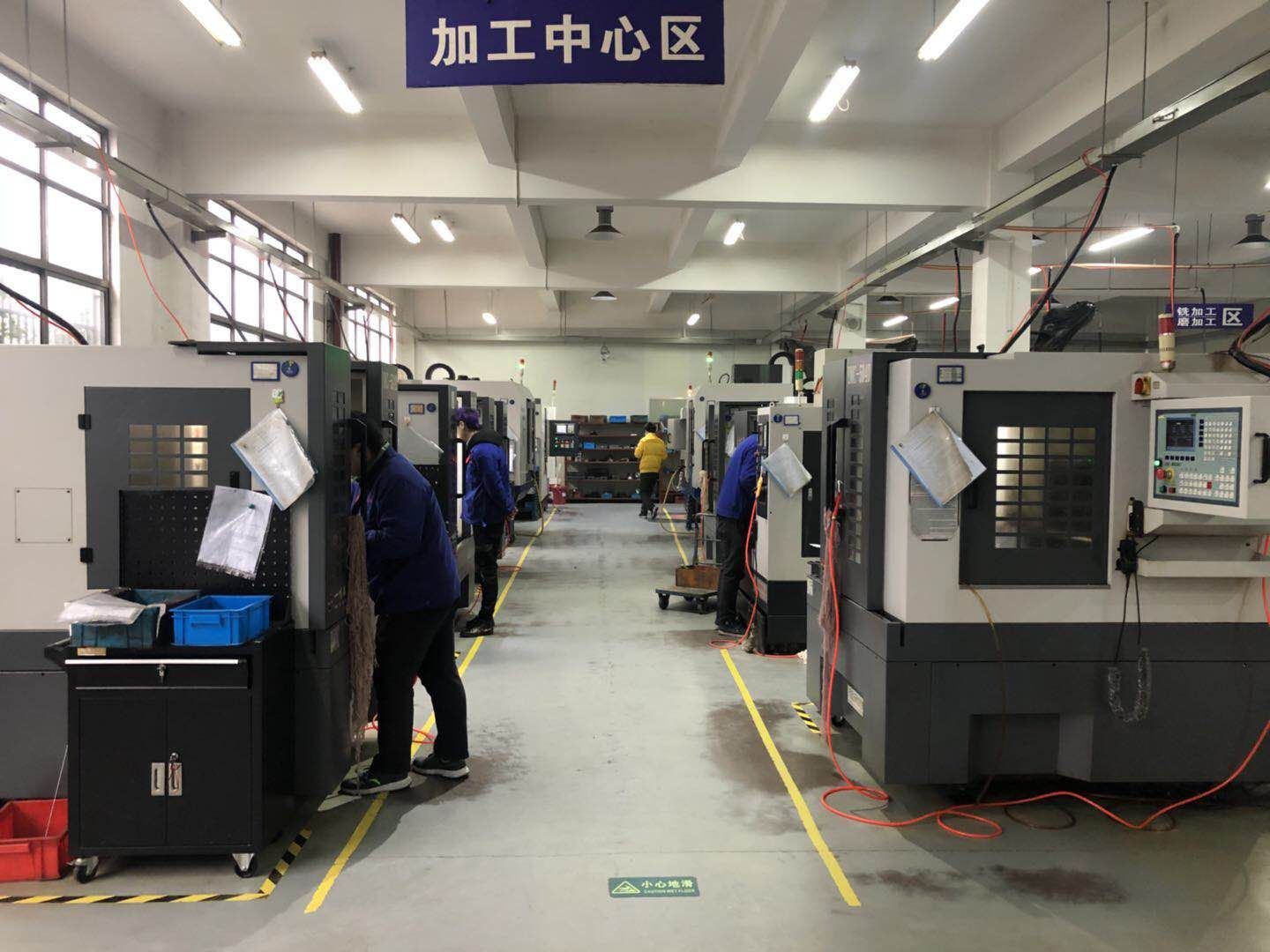
Cities like Changzhou in Jiangsu Province have grown into powerhouse hubs for orthopedic and spinal implant manufacturing. This geographical concentration offers distinct advantages for global procurement teams:
Navigating the intricate regulatory landscapes of medical device supply chains.
Exporting orthopedic trauma products globally requires a rigorous understanding of target-market legal frameworks. In the European Union, the transition from the Medical Device Directive (MDD) to the Medical Device Regulation (MDR 2017/745) has dramatically elevated the requirements for clinical evidence, technical documentation, and active post-market surveillance (PMS).
Similarly, for the US market, securing FDA 510(k) clearances for Class II devices—such as pedicle screws and cranial lock systems—requires proving substantial equivalence to existing predicate devices. To maintain compliance across borders, top-tier factories adhere to:
Advanced metal alloy machining, veterinary orthopedic implants, and biocompatible cervical & lumbar TLIF fusion cages.
Changzhou, China
Purchasing surgical tools and implantable materials requires an assessment of raw material integrity, mechanical safety factors, and documentation trace-ability. As robotic assistance expands into complex joint arthroplasties and spine surgeries, implants must survive high biomechanical loads while maintaining chemical inertness inside the human body.
Titanium alloys (specifically Grade 5 / Ti-6Al-4V ELI) remain the gold standard for load-bearing skeletal implants due to their high strength-to-weight ratio and excellent osseointegration properties. High-quality factories must provide material test reports (MTRs) detailing the chemical composition and mechanical properties of each batch. For non-metallic applications—such as cervical spinal fusion—PEEK (Polyetheretherketone) is preferred because its elasticity modulus mimics human cortical bone, reducing stress-shielding effects.
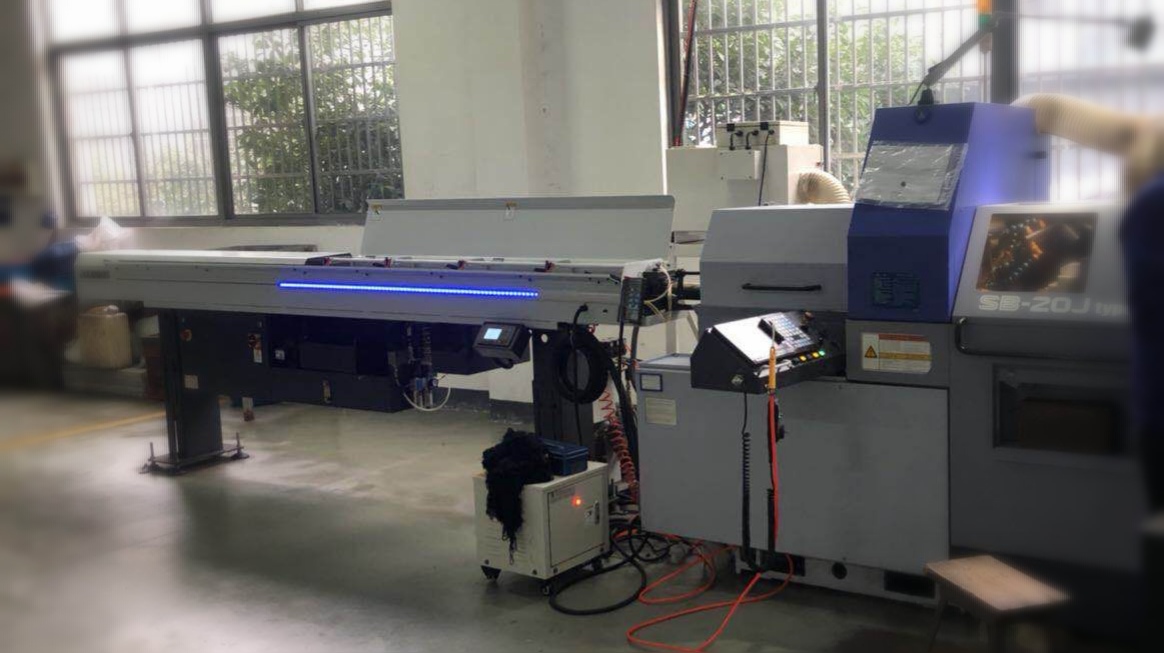
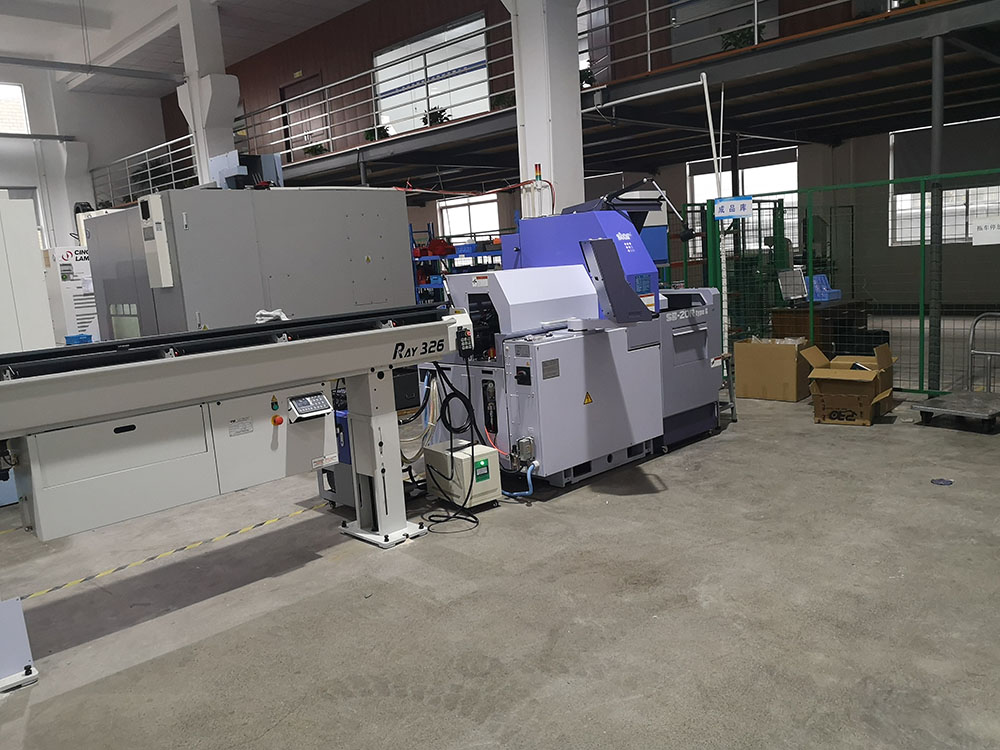
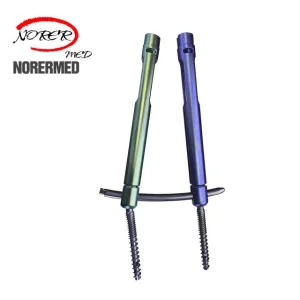
Modern surgical screws require precise pitch, thread depth, and driver-recess configurations. Leading exporters deploy multi-axis CNC machines (often sourced from Citizen or Star in Japan) to manufacture complex components like uniplanar pedicle poly screws. High concentricity must be maintained to prevent screw head runout, ensuring the robotic driver connects securely without slipping during insertion.
Medical devices must undergo validated cleaning sequences (ultrasonic cleaning, citric acid passivation) to remove residue, lubricating oils, and metal shavings. Packaging should occur in a certified Class 10,000 (ISO 7) or Class 100,000 (ISO 8) cleanroom environment. For sterile-barrier packaging, double Tyvek pouches are the industry standard, ensuring sterile integrity during shipping, handling, and long-term storage.
Important Note on Veterinary Sourcing:
The veterinary market has experienced a surge in demand for specialized implant systems like the Veterinary PFNA Interlocking Nail. Because animal skeletal geometry varies widely by species and breed, suppliers must be agile enough to manufacture custom orthopedic plates and screws in low minimum order quantities (MOQs).Find answers to critical questions regarding medical device procurement, quality standards, and logistics.