Explore our premium selection of internal fixation systems, spinal reconstruction devices, and high-performance biomaterial hardware manufactured under rigorous regulatory certifications.
Analyzing the macroeconomic trends, technological breakthroughs, and biomaterial innovations shaping the clinical field of skeletal and trauma recovery.
In the contemporary healthcare landscape, the boundaries between acute surgical intervention and long-term physical rehabilitation have dissolved. True physical recovery does not begin in the physical therapy clinic; it starts in the operating room. The mechanical integrity of orthopedic implants—such as locking plates, intramedullary nails, and spinal reconstruction hardware—directly determines how quickly a patient can begin post-surgical weight-bearing exercises and early mobilization. This synergy between internal structural support and active rehabilitation defines the new standard of patient-centric care.
Technological advancement is accelerating at a breakneck pace. The global market is transitioning from traditional passive implants to biophysically optimized systems. Modern orthopedic implants must balance mechanical stiffness with biological compatibility to mitigate "stress shielding"—a physiological phenomenon where metal implants absorb the load that would naturally pass through the bone, leading to localized bone density reduction. By integrating advanced titanium alloys and medical-grade PEEK (Polyetheretherketone) materials, suppliers are equipping surgeons with the structural tools needed to promote accelerated bone remodeling and faster patient recovery timelines.
A detailed comparative evaluation of primary biomaterials utilized in trauma fixation, spinal fusion, and joint reconstruction.
Choosing the correct biomaterial is a critical decision in orthopedic design, directly affecting biocompatibility, fatigue life, and imaging characteristics. Titanium (typically Ti-6Al-4V ELI) has long been the gold standard for load-bearing skeletal applications, offering an exceptional strength-to-weight ratio and excellent osteointegration properties. PEEK (Polyetheretherketone), on the other hand, has revolutionized spinal fusion and small-joint reconstruction by offering an elastic modulus closely matching that of human cortical bone, which minimizes stress shielding and provides radiolucency for unimpeded post-operative imaging.
| Biomaterial Properties | Medical-Grade Titanium (Ti-6Al-4V) | PEEK (Polyetheretherketone) | Clinical Advantages in Rehabilitation |
|---|---|---|---|
| Elastic Modulus | ~ 110 GPa (Rigid support for long bones) | ~ 3.6 GPa (Comparable to cortical bone) | PEEK reduces stress-shielding; Titanium supports heavy load-bearing. |
| Radiolucency | Radiopaque (Artifacts on CT/MRI scans) | Fully Radiolucent (Clear fusion assessment) | Simplifies radiographic monitoring of healing progress. |
| Osteointegration | Excellent (Enhanced via surface treatments) | Inert (Improves with porous coatings) | Ensures strong anchor-to-bone contact, reducing implant migration. |
| Primary Applications | Tibial/Femoral Nails, Pedicle Screws, Trauma Plates | Cervical & Lumbar Interbody Fusion Cages | Tailors structural mechanical support to anatomical requirements. |
By maintaining advanced production capabilities for both titanium alloy machining and PEEK molding, medical device manufacturers can address a broad spectrum of surgical needs. This versatility helps global distributors supply hospitals with the specialized components required for complex patient recoveries.
Streamlining international supply chains, assuring regulatory compliance, and managing manufacturing quality control.
Navigating global healthcare markets requires strict adherence to international standards. High-quality manufacturers run cleanroom facilities that comply with ISO 13485, ensuring all trauma implants meet the safety and performance regulations of dynamic global markets.
Using sub-standard raw materials compromises implant longevity and safety. Reliable suppliers source medical-grade titanium and PEEK from trusted steel mills and polymer manufacturers, providing complete chemical test reports for every batch.
Unexpected delays in implant shipping can delay surgeries. Working with integrated manufacturer-exporter operations helps secure reliable lead times, custom sterilization packaging options, and efficient shipping routing.
A closer look at our advanced manufacturing facilities, processing standards, and commitment to global healthcare support.
DEON Medical (Changzhou) Co., Ltd. is located in Changzhou City, Jiangsu Province, China—a region recognized as a major hub for medical device manufacturing. DEON Medical is a specialized manufacturer and supplier of orthopedic trauma bone plates, bone screws, interlocking intramedullary nails, spinal pedicle screws, cervical plates, and PEEK cervical and lumbar cages.
Over the past decade, DEON Medical has built a reliable reputation by combining manufacturing expertise with flexible export services. Our company serves clinical clients worldwide, including healthcare networks, veterinary hospitals, and medical device distributors. We offer structured solutions that support both human orthopedic surgery and complex veterinary clinical operations.
By using modern CNC machining centers, automated anodizing lines, and cleanroom packaging facilities, we ensure that every implant matches exact CAD designs. This high precision is essential for ensuring that plates, screws, and nails fit together smoothly in the operating room.
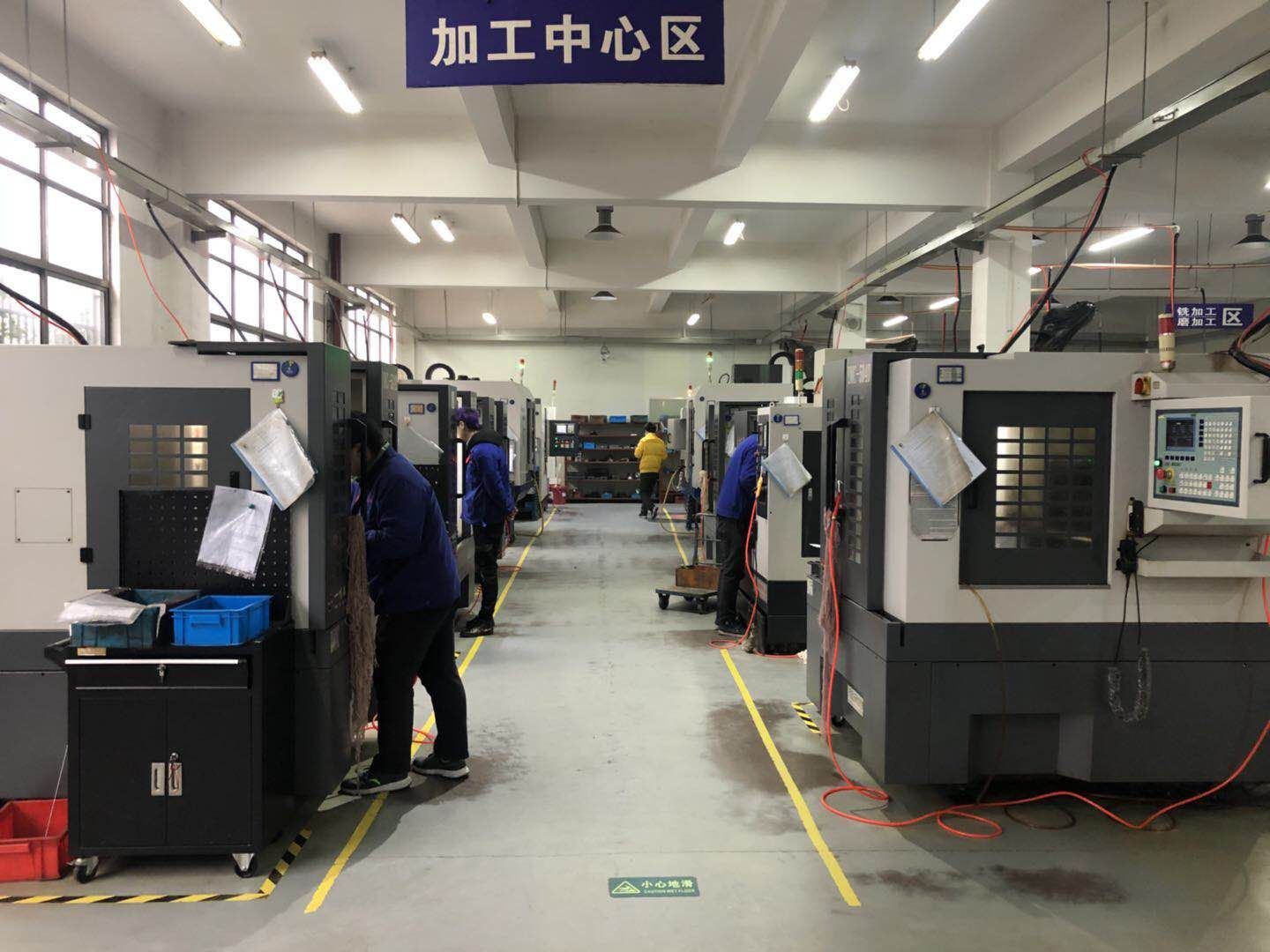
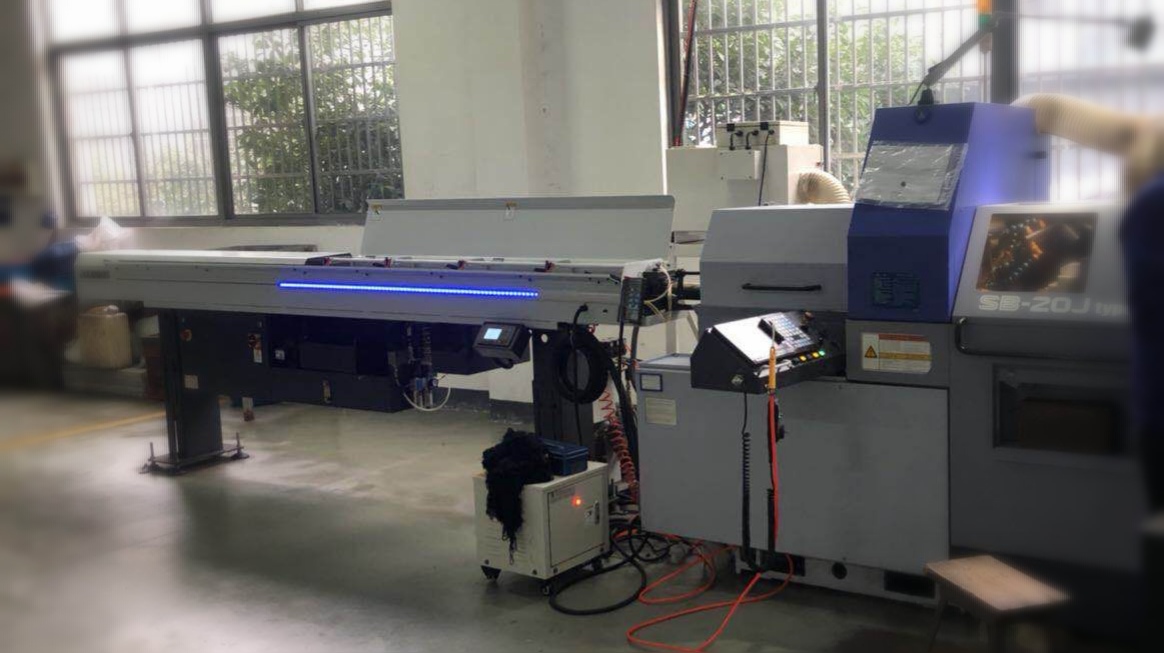
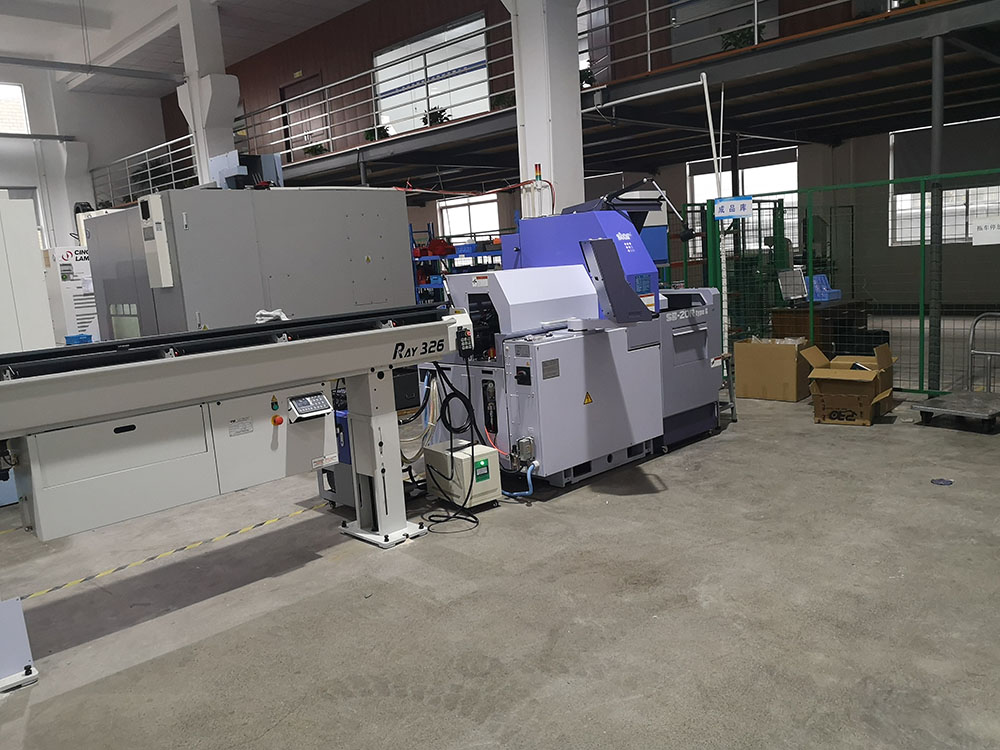
Customized biomechanical designs and structural implants tailored to meet the growing demands of modern veterinary surgery.
Veterinary medicine has evolved significantly, with pet owners and veterinary hospitals seeking a higher standard of orthopedic care. Modern veterinary surgery demands implants that match the specific anatomy of different animal breeds. To meet this need, medical manufacturers have adapted human implant technologies to create specialized veterinary products, such as PEEK locking cages and mini-pedicle screws.
Managing recovery in animal patients presents unique challenges. Unlike human patients, animals cannot be instructed to rest or limit their movement. As a result, veterinary implants must be exceptionally durable to withstand unpredictable mechanical loads. Features like locking plates and self-tapping screws are vital for ensuring immediate mechanical stability, helping to prevent post-surgical complications and support a smoother recovery process.
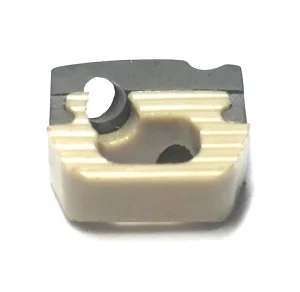
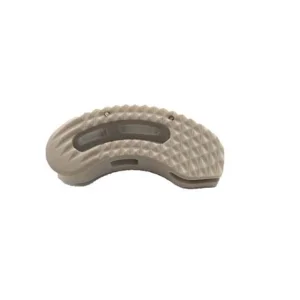
Using PEEK interbody fusion cages in cervical surgeries helps restore disk height and provides immediate mechanical support, which helps reduce post-operative pain and improves early mobility.
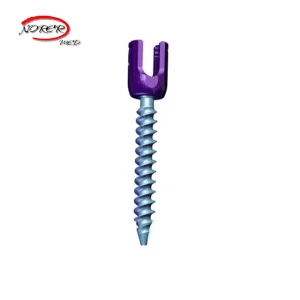
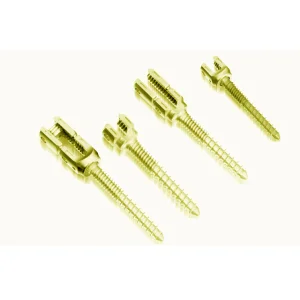
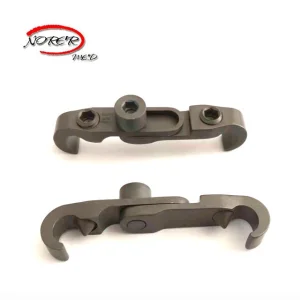
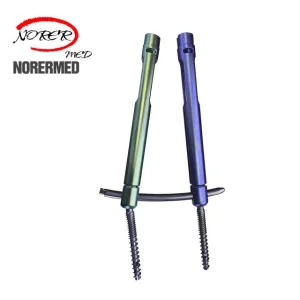
Using pedicle poly screws and crosslink rods helps construct stable spinal constructs. This high stability is essential for managing complex fractures and spinal instabilities during the recovery phase.
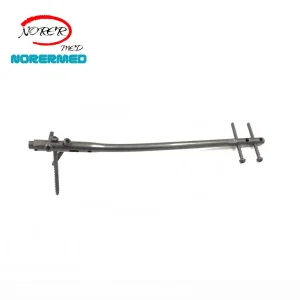
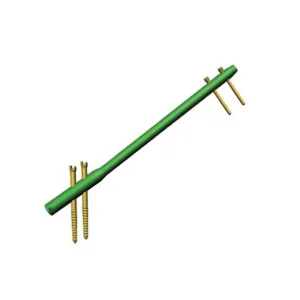
Using interlocking nails, such as the Expert Tibial and Femoral systems, provides excellent load-sharing stability for long-bone fractures, helping patients return to normal weight-bearing sooner.
Pioneering additive manufacturing, surface modifications, and smart materials to improve surgical outcomes.
The future of orthopedic implants lies at the intersection of material science and digital technology. One of the key trends is the development of 3D-printed trabecular titanium structures. These porous surfaces mimic natural trabecular bone, encouraging rapid bone ingrowth directly into the implant, which helps establish secure, long-term stability.
Another major area of development is surface functionalization. Using techniques like anodic oxidation, manufacturers can apply anti-microbial coatings and osteoinductive drug delivery systems directly to titanium implants. These innovations help reduce post-surgical infection rates and support the biological healing process, paving the way for safer patient recoveries.
Clarifying materials, regulatory standards, customization processes, and shipping logistics for global buyers.
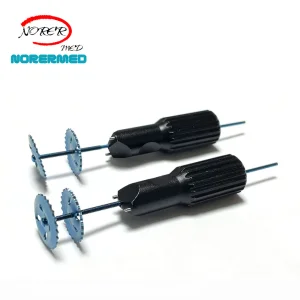
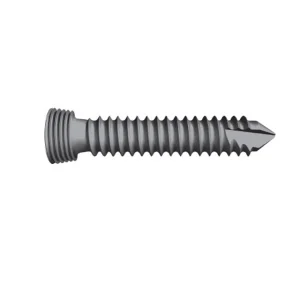
A comprehensive range of high-precision internal fixation hardware and spinal recovery implants designed for human and veterinary orthopedics.
 Deon Medical