Examine our certified production range optimized for human clinical interventions and high-performance veterinary osteosynthesis.
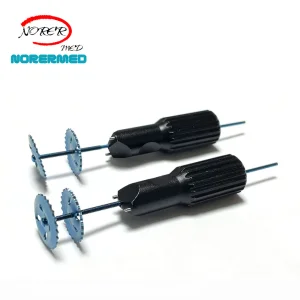
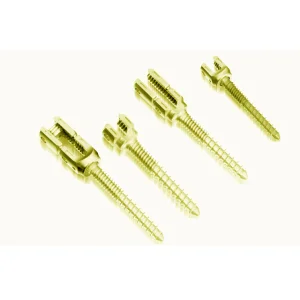
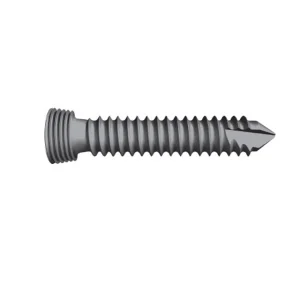
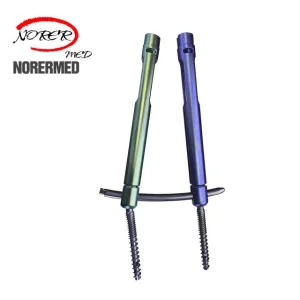
The international market for orthopedic devices has undergone a significant paradigm shift. Sourcing departments at leading hospitals and veterinary chains no longer evaluate factories based solely on geographical location. Instead, they emphasize mechanical design integrity, biocompatibility verification, and regulatory traceability. The global market value of orthopedic trauma fixation systems (including bone plates, locking screws, and intramedullary nails) is expected to reach USD 11.2 billion by 2030, driven by the dual factors of an aging human demographic and the explosive growth in high-value companion animal veterinary medicine.
Modern orthopedic trauma solutions are highly specialized. Long-bone fractures, periarticular injuries, and spinal instabilities require implants designed to match complex anatomic geometries. Key manufacturing clusters have developed globally, with Europe (specifically Switzerland and Germany) long known for pioneering clinical research, while China—particularly the Jiangsu MedTech Corridor in Changzhou—has evolved into the global core for advanced subtractive manufacturing (CNC machining) of medical implants.
Compliance with ASTM F136 Titanium Alloy and ASTM F2026 PEEK is non-negotiable. Top factories verify each batch using spectrometer analysis and mechanical pull-out profiling to guarantee zero structural failures under physiological loads.
Executing complex geometries like the Variable Angle (VA) Locking Plate system requires 5-axis CNC machining centers and Swiss-type automatic lathes that maintain dimensional tolerances down to ±0.005mm.
From Class 10,000 cleanroom packaging to complete ISO 13485:2016 quality management systems and FDA/CE compliance pathways, leading factories provide complete biological testing documentation.
The biological and physical performance of an orthopedic plate is dictated by its base material. Leading medical device factories utilize three primary material classes, each selected to align with specific biomechanical needs:
| Material Class | Common Specifications | Biomechanical Profile | Primary Clinical Use-cases | Traceability Requirement |
|---|---|---|---|---|
| Titanium Alloy (Grade 5 / Grade 23) | ASTM F136 / ISO 5832-3 | High strength-to-weight ratio, low elastic modulus (compared to steel), excellent osseointegration. | Trauma Plates, Locking Screws, Monoaxial/Polyaxial Spinal Pedicle Screws. | Heat Lot Cert Required |
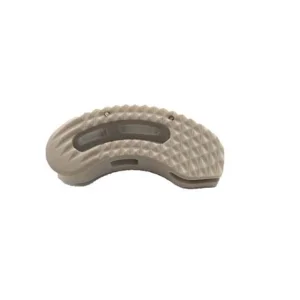
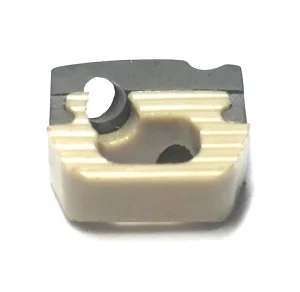
| Medical Grade PEEK | ASTM F2026 / ISO 10993 | Radiolucency (allows clear CT/X-ray imaging), elastic modulus matches human cortical bone, reducing stress shielding. | Spinal Fusion Interbody Cages (TLIF, PLIF, ACIF), specialized veterinary implants. | Bio-compatibility Cert |
| Cobalt-Chromium Alloy (CoCr) | ASTM F1537 / ISO 5832-12 | Extreme wear resistance and high fatigue limit under rotational load. | Joint replacement bearings, specialized spinal crosslink rods. | Microstructure Tested |
| Stainless Steel (Vacuum Melted) | ASTM F138 (316LVM) | High rigidity, lower material cost, but high stiffness can lead to bone stress shielding over long term. | Temporary trauma plates, K-wires, orthopedic pins. | Inclusions Inspected |
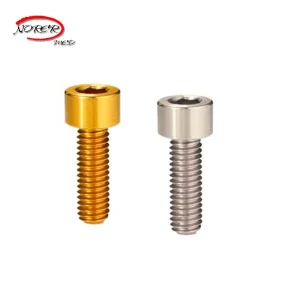
Precision machining is only the beginning. Surface engineering is critical to prevent screw cold-welding (galling) to the plate, and to ensure bone cells (osteoblasts) adhere to the implant. The leading factories implement Type II Anodization (which creates a hard oxide layer on titanium to resist friction and wear) and Type III Color Anodization (which allows color-coding of plate sizes and matching screw diameters for simplified surgical procedures). Furthermore, advanced acid etching is used on the implant surface to yield a micro-roughness profile that significantly accelerates osseointegration.
As a case study in Chinese MedTech manufacturing excellence, DEON Medical represents the classic precision-driven partner ecosystem located within Jiangsu's high-tech industrial zone. The company focuses on the development, quality assurance, and international trade of high-precision orthopedic implants.
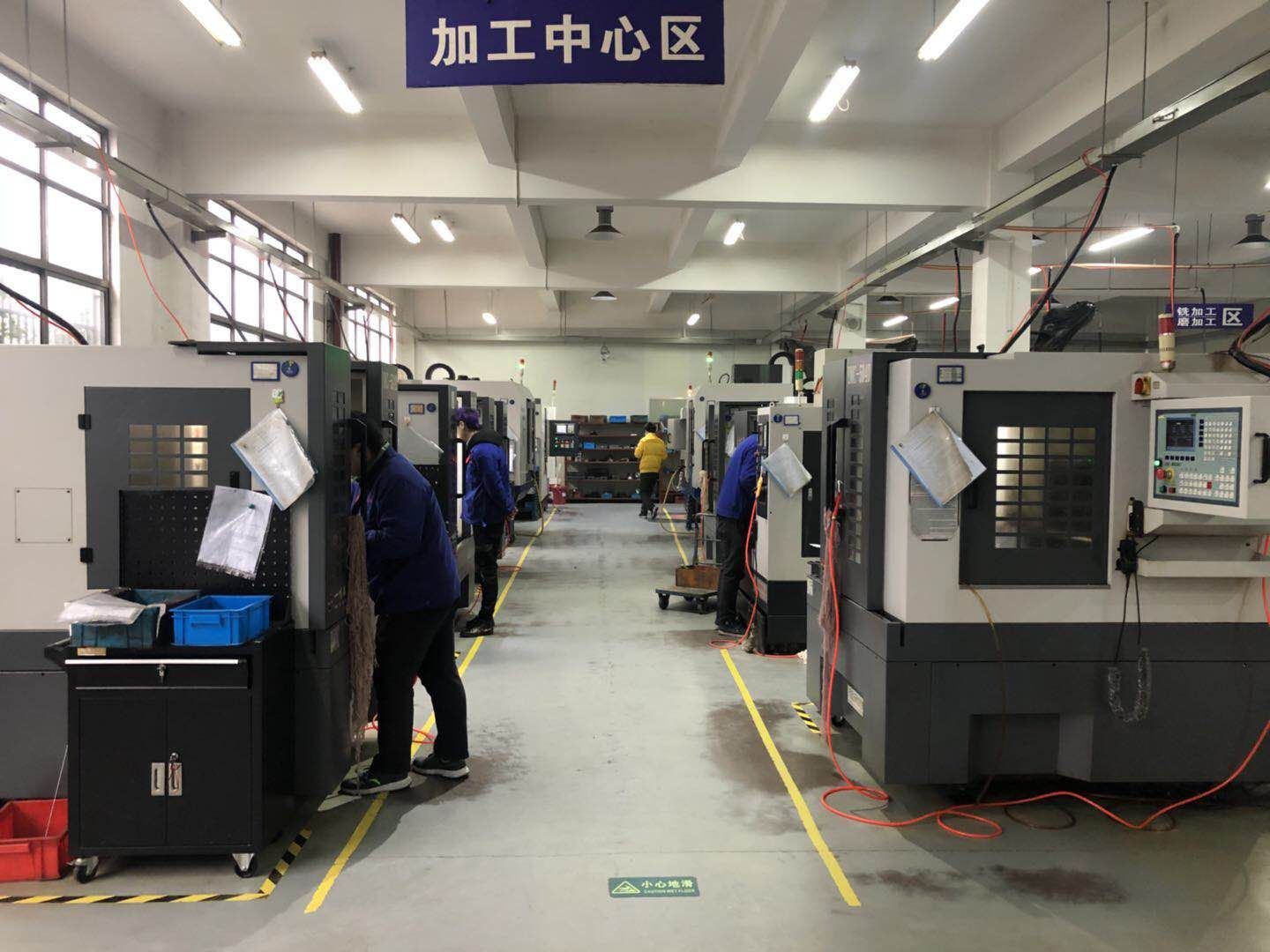
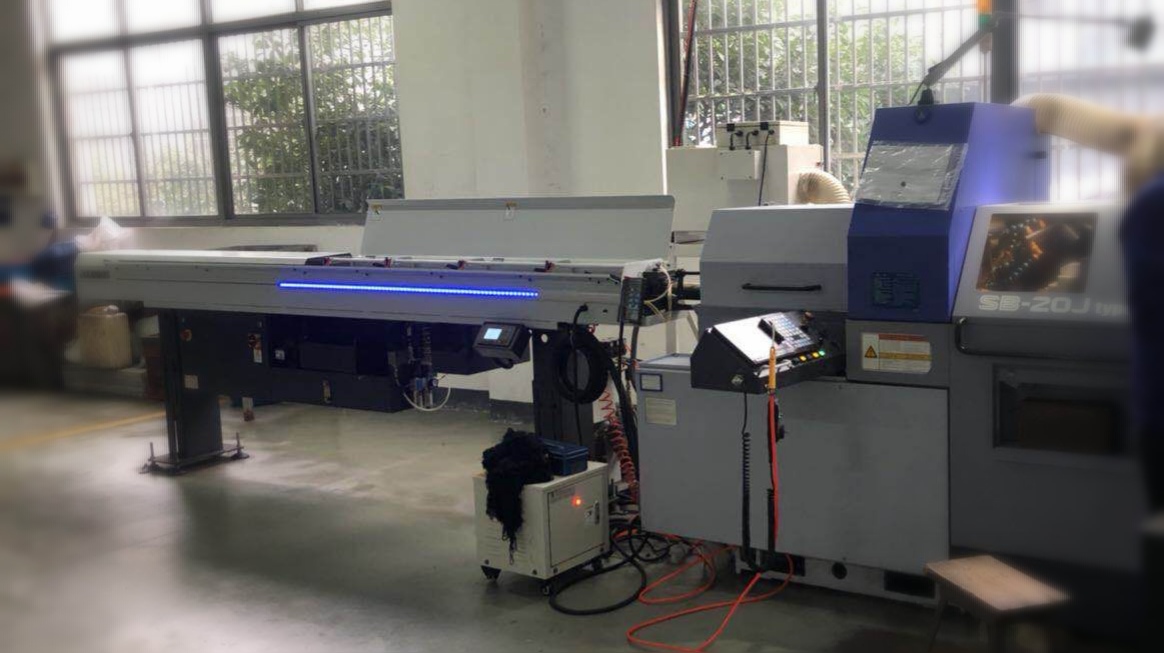
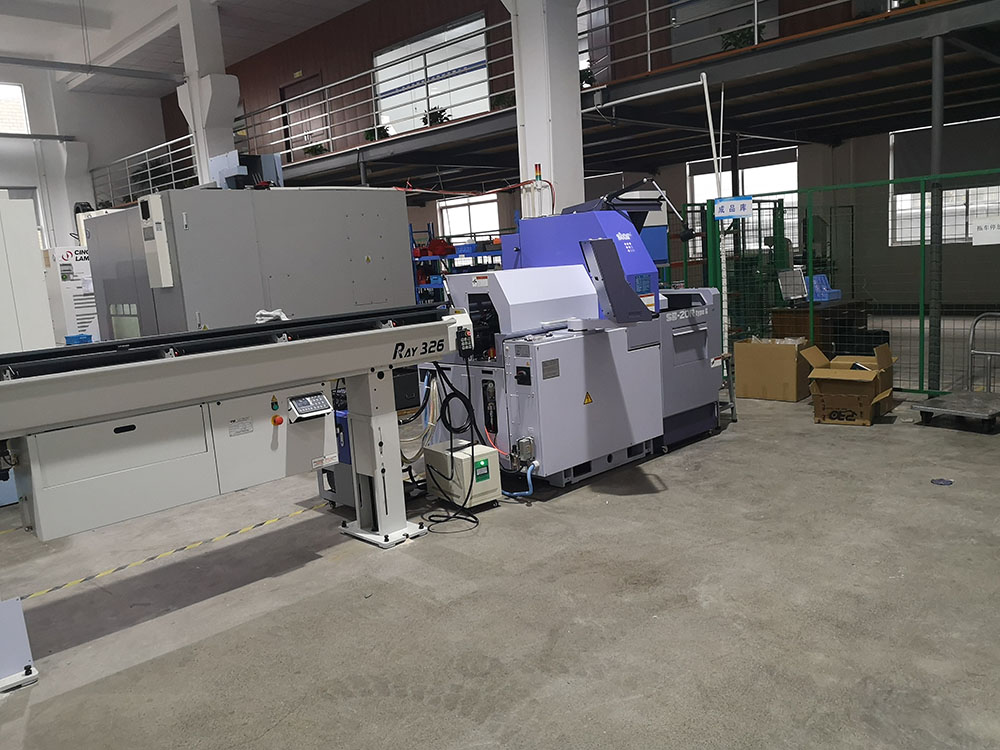
Operating as both a trading hub and collaborative production unit, DEON Medical connects direct CNC fabrication with international logistics, custom labeling (OEM), and regulatory document package compilation (including CE technical files). This model reduces standard procurement friction for global buyers.
Orthopedic plating systems are used in diverse clinical environments, from state-of-the-art human Level 1 trauma centers to remote veterinary surgical clinics. Vetting a manufacturer requires confirming they offer dedicated solutions for each target sector:
Designed to treat diaphyseal, metaphyseal, and epiphyseal fractures. Top products feature anatomically pre-contoured profiles (such as distal radius plates or proximal humerus plates) that minimize intraoperative plate bending and reduce operating room time.
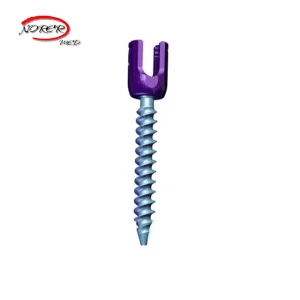
Targeting spinal degeneration, trauma, and deformities. Implants include pedicle screw systems (monoaxial and polyaxial), crosslink rods, anterior cervical plates, and PEEK interbody cages (TLIF/PLIF) designed to support load-bearing and promote bone fusion.
An rapidly growing segment where companion animals receive orthopedic treatments similar to human medicine. Mini locking plate systems (1.5mm, 2.0mm, 2.4mm, 2.7mm) and specialized veterinary PEEK lumbar TLIF cages are used to treat canine fractures and spinal diseases.
Frequently asked questions by medical buyers, orthopedic distributors, and clinical hospital group administrators.
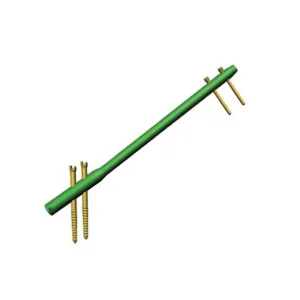
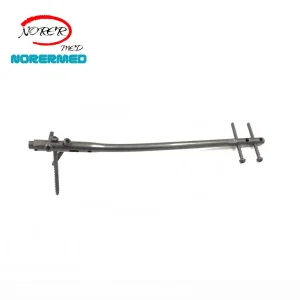
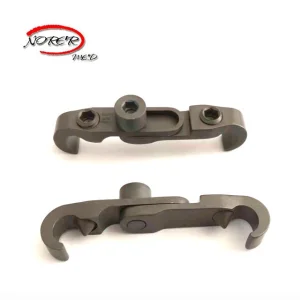
Explore our selection of specialized hardware for complex spinal arthrodesis, intramedullary splinting, and precision joint construction.
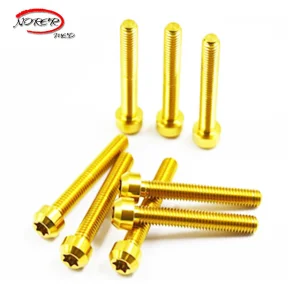
 Deon Medical