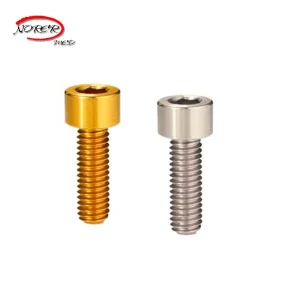
The global orthopedics and joint stabilization market is undergoing a structural paradigm shift. While traditional patient recovery relies heavily on external support systems such as knee braces, orthoses, and rehabilitative wraps, modern medical science increasingly integrates these external modalities with high-precision internal fixation technologies (such as interlocking nails, titanium rods, and bone plates).
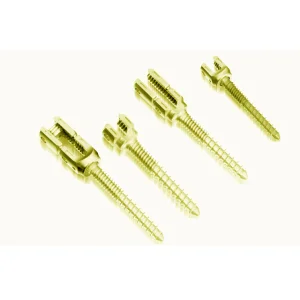
External knee braces provide primary mechanical alignment, limit pathological range of motion (ROM), and protect ligament reconstructions (such as ACL, PCL, and MCL). However, in cases of severe trauma, degenerative osteoarthritis, or complex intra-articular fractures, external braces must work in tandem with internal structural implants. Advanced titanium spinal pedicle screws, femoral interlocking nails, and tibial nail systems act as the ultimate biological "internal braces," distributing physiological loads directly within the skeletal framework.
By analyzing the leading manufacturers of both external orthopedic supports and advanced internal fixation components, global buyers, medical distributors, and hospital procurement departments can build a resilient, comprehensive supply chain capable of addressing the full spectrum of patient orthotic and surgical needs.
Below is a comprehensive evaluation of the world's leading brands and industrial manufacturers. This selection covers pioneers in external non-invasive orthopedic supports as well as specialized B2B contract manufacturers supplying critical biological stabilizing implants.
A global leader in non-invasive orthopedics, Össur is renowned for its proprietary 3D-knitted knee sleeves, OA rebound braces, and advanced carbon-fiber prosthetic components. Their products focus on enhancing mobility through biomechanical engineering.
Known for exceptional German engineering, Bauerfeind produces the iconic GenuTrain® active support series. They leverage anatomical knit fabrics and visco-elastic omega pads to relieve knee pain and stabilize joints without restricting movement.
DJO Global specializes in rigid ligament knee braces, including the legendary Defiance® custom brace. Their products are highly favored in elite sports medicine and post-operative cruciate ligament rehabilitation protocols.
Breg offers comprehensive, high-quality orthopedic solutions, merging cold therapy units with functional knee bracing. Their custom fit systems streamline clinical workflows, making them a preferred partner for orthopedic clinics worldwide.
A global pioneer in prosthetics and orthotics, Ottobock designs dynamic exoskeletal braces and knee-ankle-foot orthoses (KAFOs) that utilize advanced microprocessors and biomechanical sensors to assist gait rehabilitation.
Medi integrates compressive knit technologies with high-quality metal hinges to manufacture comfortable, breathable knee braces. Their focus on medical-grade compression helps manage edema while stabilizing joint structures.
Operating with over 170 years of history, Thuasne designs textile-rich medical devices. Their rigid and soft knee braces combine advanced elastomeric materials with anatomical hinging to ensure targeted support.
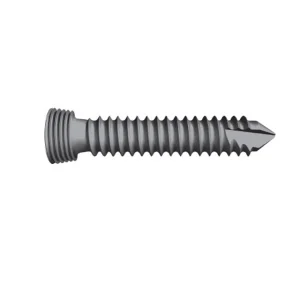
A key partner in the global orthopedic supply chain. Located in Changzhou, DEON Medical specializes in the high-precision manufacture and export of titanium trauma bone plates, locking screws, spinal pedicle screws, and interlocking nails.
Zimmer Biomet operates at the intersection of joint replacement implants and external patient care systems, supplying high-end external fixation clamps alongside personalized reconstruction implants.
A powerhouse in medical machinery and surgical orthopedics. Stryker's product portfolio includes advanced internal osteosynthesis systems, intramedullary tibial/femoral nails, and comprehensive joint reconstruction solutions that ensure high stability.
To understand how modern orthotic stabilization systems remain cost-effective globally, we must analyze the structural core of manufacturing. DEON Medical (Changzhou) Co., Ltd. exemplifies the highly optimized, cluster-based manufacturing framework of Jiangsu province, China.
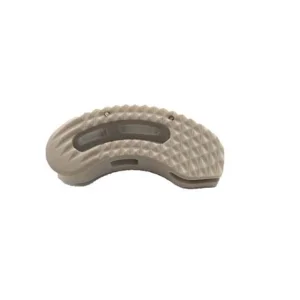
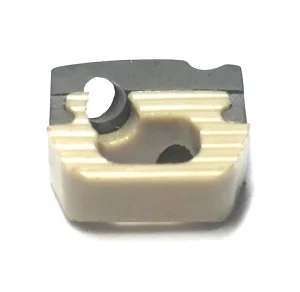
We are located in Changzhou city, China. We are a specialized manufacturer and exporter of Orthopedic Trauma bone plates, bone screws, orthopedic interlocking nails, orthopedic spine pedicle screws, Cervical Plates, PEEK cervical & lumbar cages, and related surgical instruments. Over the past decade, we have integrated raw material sourcing, CNC precision machining, and strict quality control protocols to supply hospital chains, veterinary clinics, and global distributors with regulatory-compliant orthopedic solutions.
By locating our headquarters in Changzhou's high-tech medical device cluster, DEON Medical leverages localized metallurgical testing labs, surface finishing lines, and specialized cleanroom packaging facilities, dramatically reducing lead times and engineering overhead.
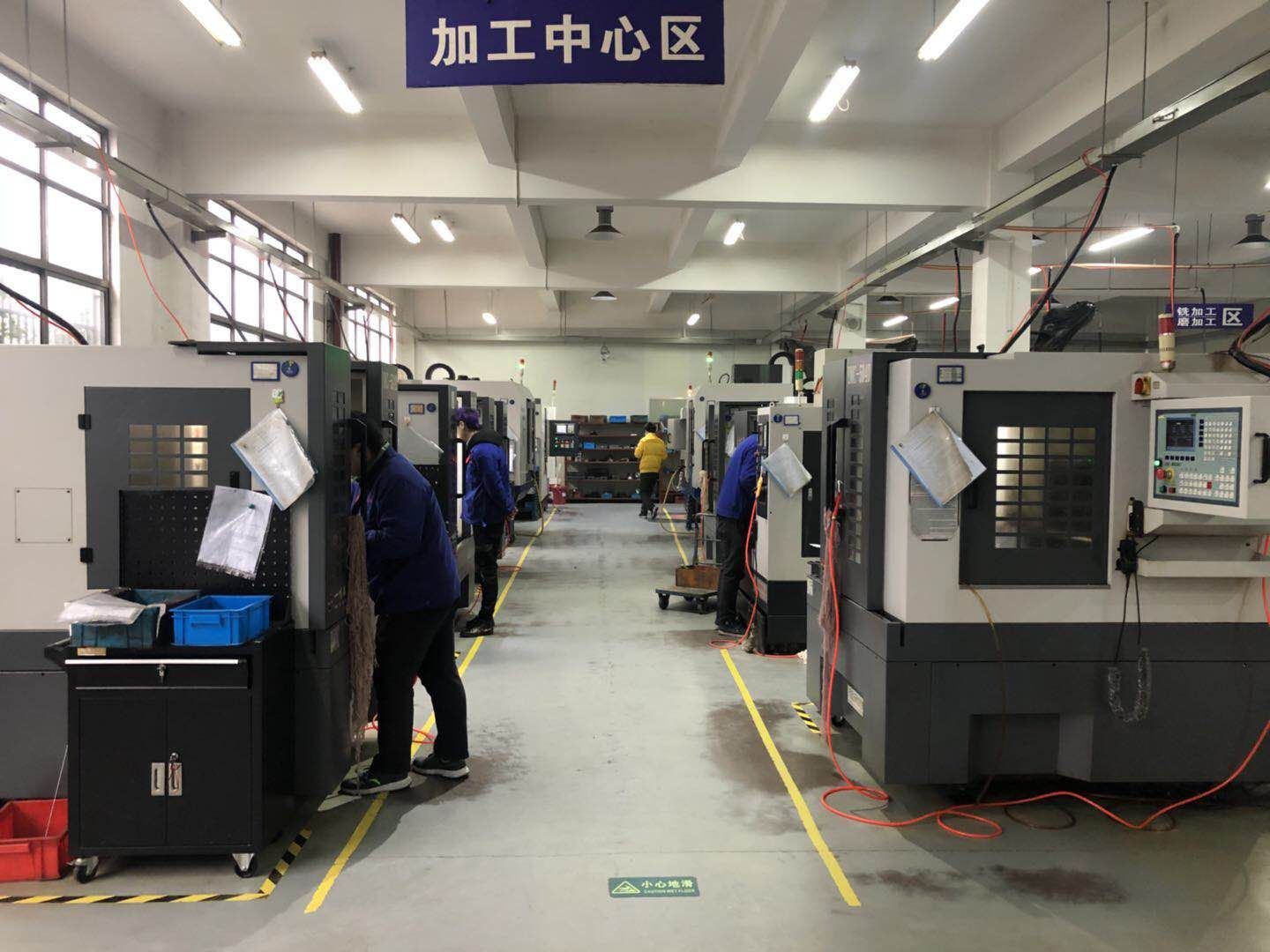
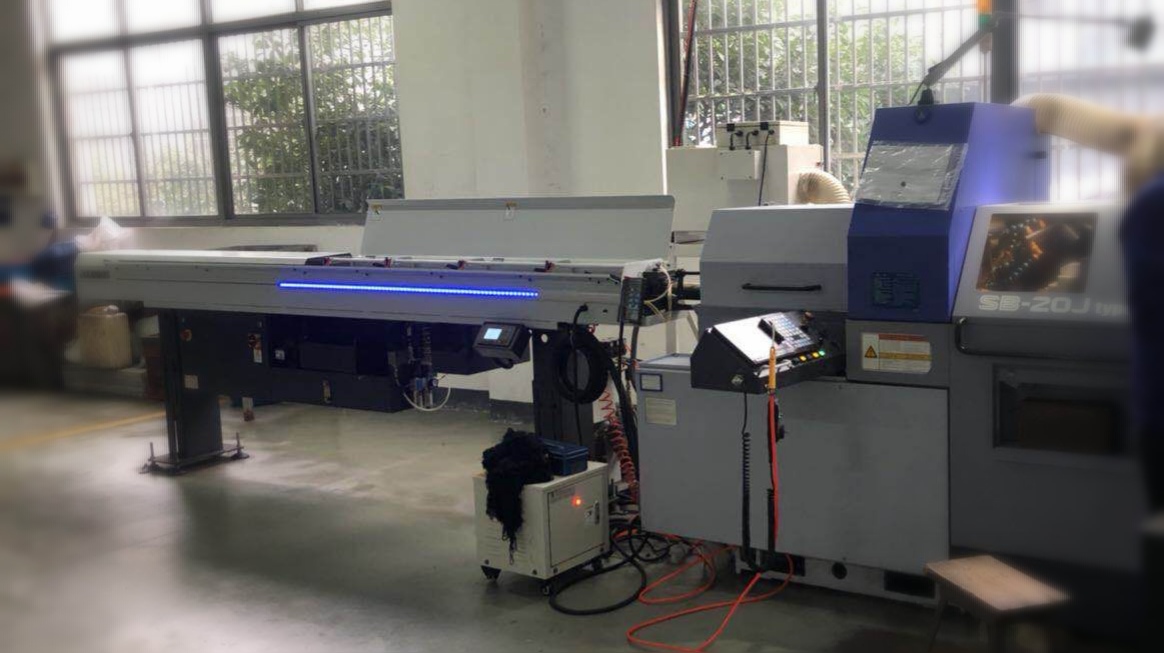
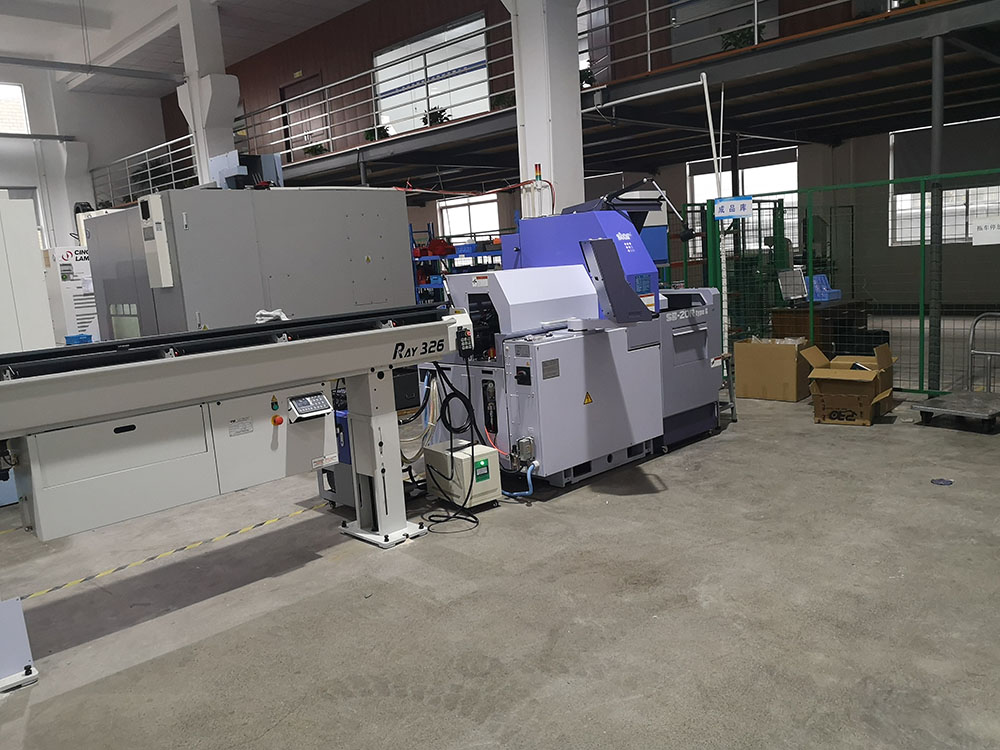
Changzhou represents the heart of China’s medical-grade alloy fabrication. The local availability of medical-grade Titanium (Grade 5/Ti-6Al-4V ELI) and PEEK (Polyetheretherketone) polymers ensures that DEON Medical can procure raw materials with mill test certificates (MTC) instantaneously. This localized concentration eliminates shipping disruptions, ensures cost-resilience, and enables custom ODM/OEM designs to move from CAD drawings to sterile prototypes in under three weeks.
Understanding the bio-metallurgy behind modern bone stabilizing devices is critical for selecting the right material for specific rehabilitation phases.
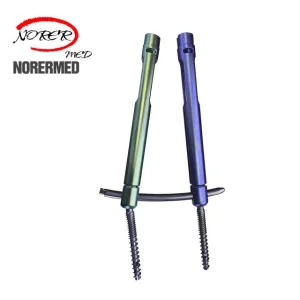
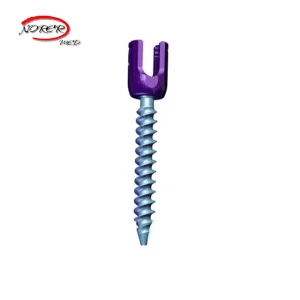
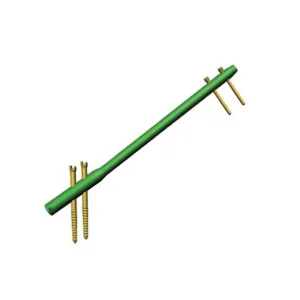
DEON Medical utilizes biocompatible Titanium Alloy (Ti-6Al-4V ELI) for high-stress implant scenarios such as the PFNA Interlocking Nail and the Spinal Pedicle Screw. For spinal interbody spaces where bone integration is vital, PEEK (Polyetheretherketone) is employed due to its elastic modulus closely matching human cortical bone, reducing stress shielding.
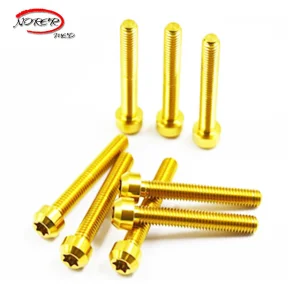
Implants require sub-micron precision to ensure threads engage locking mechanisms perfectly. Using advanced multi-axis CNC machines, DEON Medical manufactures locking screws and cranial locks that match the strict tolerance profiles required by modern surgeon templates. Anodization techniques are applied to form stable oxide layers, enhancing corrosion resistance.
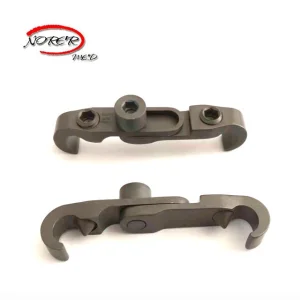
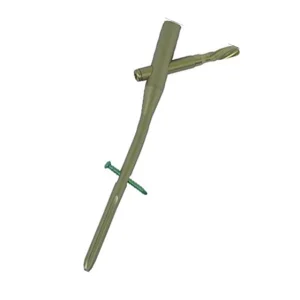
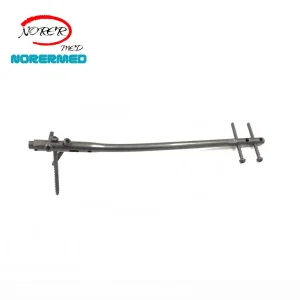
Unlike external knee braces that can be adjusted manually, internal implants must endure millions of cyclic loads inside the body without failure. Our design lab subjects every batch of femoral nails and crosslink rods to rigorous cyclic fatigue testing to ensure the implants survive physiological stress limits before clinical application.
Modern surgical trends demand highly tailored localized application pathways. The clinical requirements for stabilization systems vary significantly between human trauma centers and modern veterinary surgical settings:
In elderly patients suffering from osteoporosis, femoral neck fractures are highly prevalent. The PFNA Interlocking Nail System (Expert version) provides stable internal compression, preventing femoral head collapse. Post-operatively, these patients are fitted with rigid knee braces to support early weight-bearing protocols, accelerating bone remodeling and avoiding prolonged bed rest.
Modern veterinary orthopedics mimics human procedures. For canine spinal decompression or cruciate ligament tears (equivalent to human ACL tears), external bracing is often rejected by the animal. Thus, veterinarians require specialized Veterinary Orthopedic Minimally Invasive Spinal Titanium Pedicle Screws and PEEK TLIF Cages to lock spinal segments internally, ensuring fast, stable recovery.
Entering international orthopedic markets requires navigating dense regulatory frameworks. Because orthotic braces and internal implants fall under Class I, Class II, and Class III medical devices, manufacturers must uphold rigorous design controls and traceable production pipelines.
Key compliance baselines include:
 Deon Medical