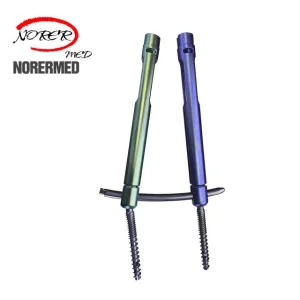
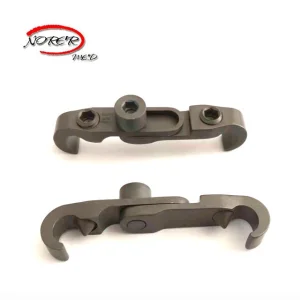
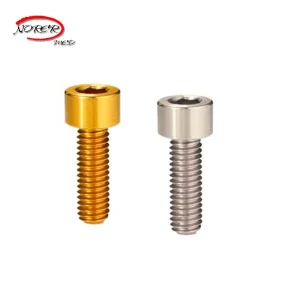
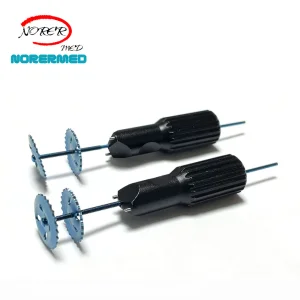
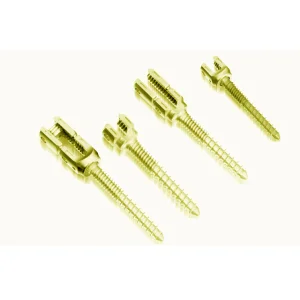
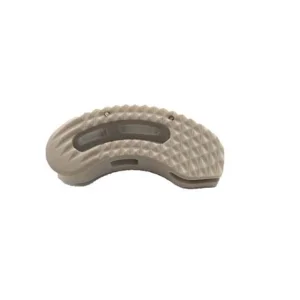
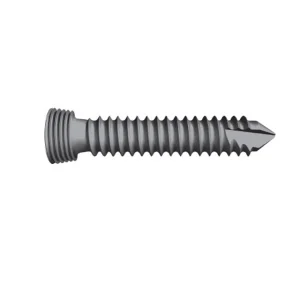
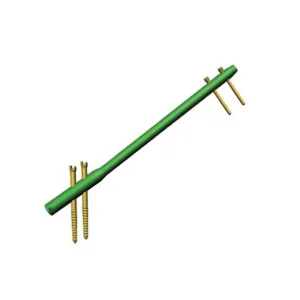
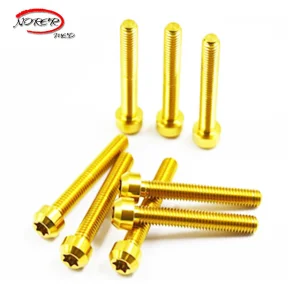
Premium titanium and alloy fixation components designed to withstand structural biomechanical loading.
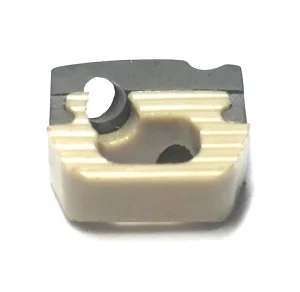
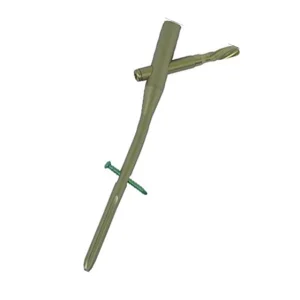
In the domain of modern orthopedics and joint stabilization, the phrase "hip support" has bifurcated. While retail markets often look for external elastic, neoprene, or compression wraps for short-term muscular pain management, clinical and surgical buyers define hip support at its structural foundation. True structural support of the hip joint—especially in cases of major trauma, neck fractures of the femur, osteotomies, or severe joint degeneration—requires high-performance internal orthopedic implants.
Biomechanical solutions like the Proximal Femoral Nail Antirotation (PFNA), locking dynamic hip plates, and intramedullary interlocking nails act as the ultimate load-bearing internal scaffolding. They bear up to 8 times the patient’s body weight during movement, providing immediate mechanical stability to the femoral head, neck, and pelvic girdle, permitting faster mobilization and drastically shortening patient recovery timelines.
A successful hip reconstruction or fracture stabilization demands zero micro-motion at the fracture interface. External braces only restrict soft tissue movement, but precision-machined titanium locking plates and intramedullary nails protect the mechanical axis of the femur, preventing rotational displacements that lead to avascular necrosis or non-union.
The global procurement landscape for orthopedic trauma systems, spine fixation devices, and hip support hardware is experiencing rapid evolution. Key drivers include:
Osteoporotic fractures, particularly proximal femur and pelvic fractures, are on the rise globally. Healthcare systems are shifting procurement towards implants that require less operating room preparation and facilitate immediate weight-bearing capacity.
Companion animals are living longer. As a result, operations like femoral head ostectomy (FHO) and total hip replacements in dogs require specialized micro-scale titanium locking plates, spinal rods, and bone screws.
Polyetheretherketone (PEEK) is rapidly complementing traditional titanium alloys. Because its elastic modulus matches human cortical bone, it mitigates stress-shielding, making it ideal for cages and spinal stabilization components.
When selecting manufacturing partners, material verification is paramount. Below is a structural matrix showcasing the performance profiles of the two dominant biomaterials used in manufacturing modern structural orthopedic hardware:
| Property | Medical-Grade Titanium Alloy (e.g., Ti-6Al-4V ELI) | PEEK (Polyetheretherketone) | B2B Procurement Selection Criteria |
|---|---|---|---|
| Elastic Modulus | ~110 GPa (Closer to bone than steel, but still rigid) | ~3.6 GPa (Excellent match to human cortical bone) | PEEK reduces stress-shielding; Titanium is chosen for direct load-bearing shafts (e.g., PFNA). |
| Radiolucency | Radiopaque (Blocks X-rays, visible on fluoroscopy) | Radiolucent (X-ray transparent, allows bone healing review) | PEEK is preferred for spinal cages; Titanium is critical for verification of structural screw alignment. |
| Biocompatibility | Exceptional (Superb osseointegration via TiO2 oxide layer) | Bio-inert (Requires surface treatments to encourage bone growth) | Titanium is highly preferred where direct bone-anchoring (osteogenesis) is necessary. |
| Manufacturing Precision | Requires advanced CNC milling with coolant and Swiss turning | Requires precision injection molding or high-temp CNC milling | Ensure the supplier operates cleanrooms to prevent cross-contamination of polymers. |
Modern medical device sourcing is no longer just about searching for the lowest price; it is about mitigating supply chain vulnerabilities. As regulatory bodies like the EU MDR and the US FDA raise the baseline for technical documentation and traceability, traditional workshops are being replaced by automated, smart factories.
The orthopedic manufacturing cluster in Changzhou, Jiangsu Province, China, represents the pinnacle of this shift. Facilitating a highly integrated local supply chain from medical-grade raw material extrusion to surface modification (such as titanium anodization and plasma spraying), this region enables rapid prototyping and short lead times.
By employing ultra-precision Swiss-type sliding-head lathes, factories ensure dimensional tolerances within ±5 microns—vital for the flawless engagement of locking screws in dynamic plates.
Critical implants, specifically PEEK lumbar and cervical cages, are processed and packed in ISO-certified cleanrooms, preventing pyrogen contamination before terminal sterilization.
Each production batch undergoes rigorous mechanical testing (tensile, yield strength, and fatigue life testing) with raw material heat numbers tracked down to the end client.
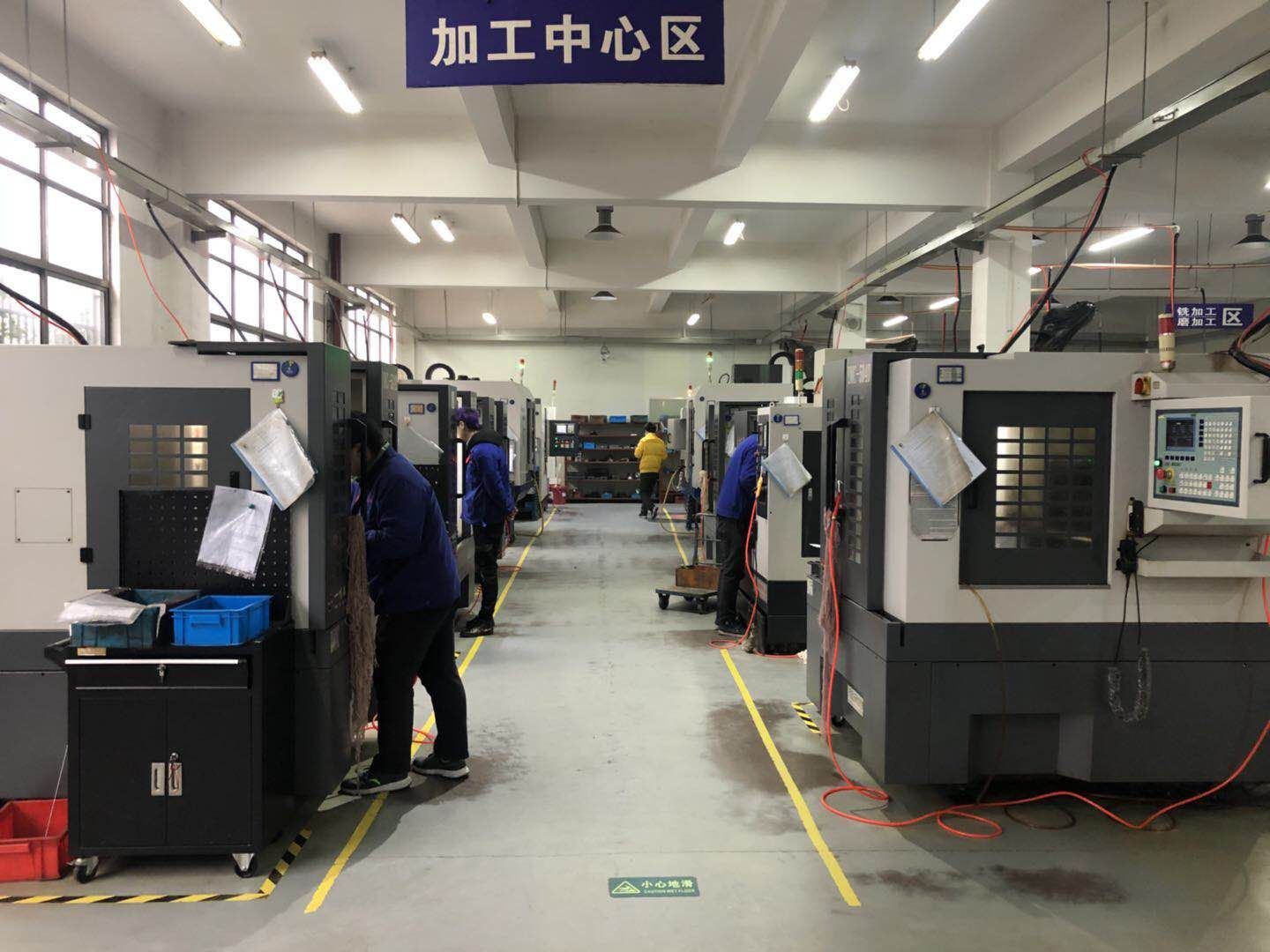
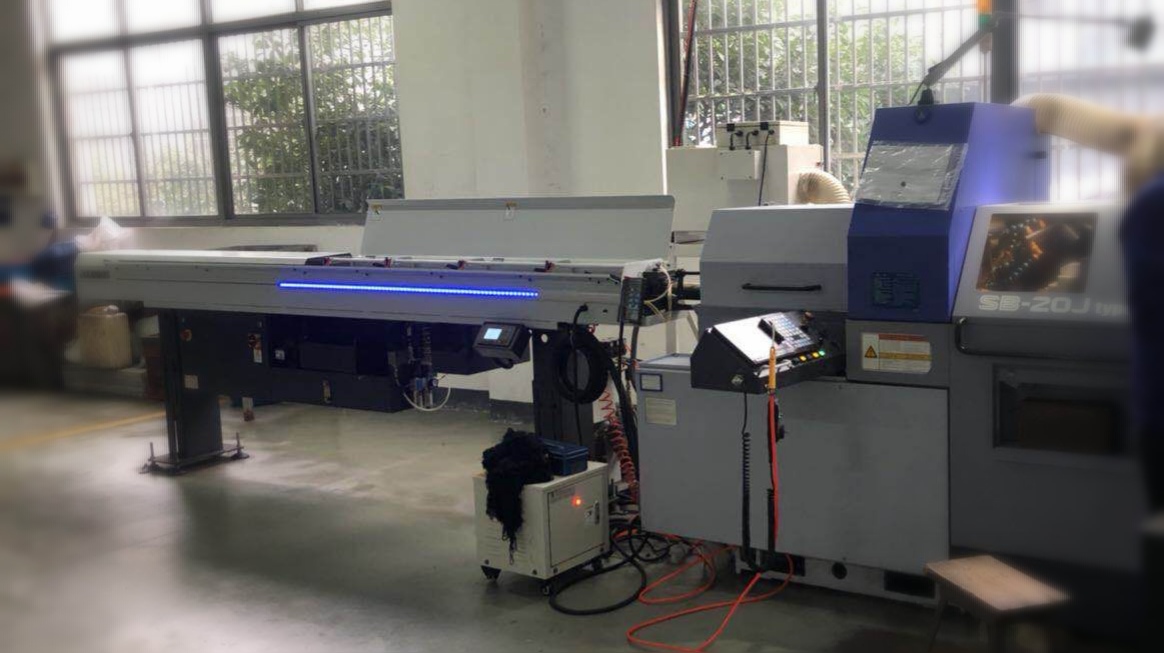
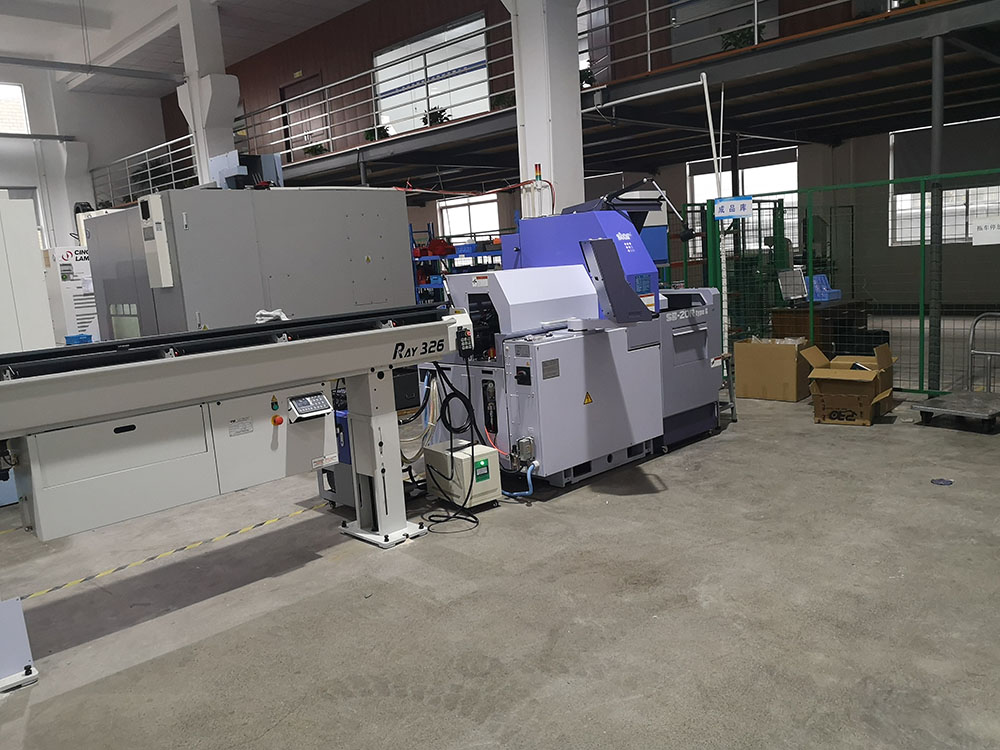
An established, expert manufacturer specializing in high-precision structural orthopedic solutions, serving both human medical trauma and veterinary surgery clinics globally.
Orthopedic implants and structural support components require different design parameters based on their intended destination. Below are the key scenarios where DEON Medical's products deliver high stability and long-term biological success:
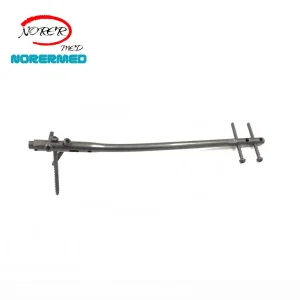
In human healthcare facilities, the dynamic PFNA Interlocking Nail is deployed for trochanteric and subtrochanteric fractures. The helical blade compresses the cancellous bone, offering robust resistance against cut-out in osteoporotic bone tissue.
Veterinary orthopedists use specialized titanium mini-plates, locking screws, and spinal systems for canine hip dysplasia, pelvic osteotomy, and spinal trauma. Tailored small-scale geometries ensure rigid fixation without compromising delicate bone structures.
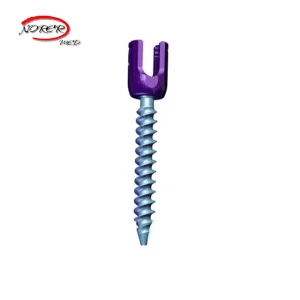
For degenerative disc diseases, PEEK lumbar cages (TLIF/ACIF) combined with monoaxial or polyaxial pedicle screws establish immediate biomechanical stability, promoting bone graft incorporation and alignment retention.
Gain clear insights on critical regulatory, material, and manufacturing queries from our clinical engineering team.
Premium trauma and joint support devices engineered for dynamic fixation and stability.
 Deon Medical