A global deep-dive into the manufacturing standards, clinical compliance, and structural design requirements of high-precision craniomaxillofacial implants.
In modern neurosurgery, the manufacturing and clinical application of cranial surgery fixation systems require a level of precision that few global manufacturers can reliably achieve. The skull serves as the primary barrier protecting the central nervous system, meaning any implant used—whether a titanium cranial lock, mesh plate, or custom PEEK (polyetheretherketone) implant—must adhere to strict biomechanical stability and biocompatibility criteria. Medical device distributors and OEM procurement managers require a deep understanding of manufacturing capabilities to navigate this sector effectively.
As standard-setters in orthopedic trauma bone plates and spinal systems, factories like DEON Medical (Changzhou) Co., Ltd. leverage advanced CNC machining and custom additive manufacturing to produce high-grade cranial locks and fixation elements. Navigating this industry requires assessing factories based on material processing capabilities, sterile-room packaging, and compliance documentation. This whitepaper analyzes the top structural features of cranial manufacturing plants globally, detailing how design, processing, and strict regulatory standards intersect to support critical clinical interventions.
Evaluating PEEK, Titanium Grade 5 (Ti-6Al-4V ELI), and Additive Manufacturing Pathways for Custom Cranioplasty.
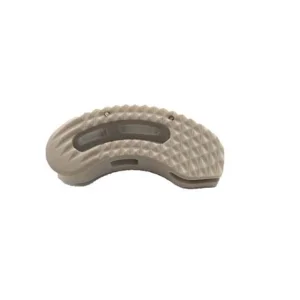
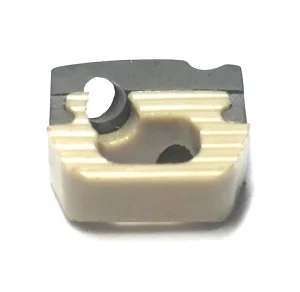
The performance of a cranial implant depends heavily on its raw materials and surface characteristics. Historically, titanium and its alloys (specifically Grade 5 / Grade 23 ELI) have been the gold standard due to their high strength-to-weight ratio, durability, and biological inertness. However, over the past decade, thermoplastic polymers like PEEK (Polyetheretherketone) have emerged as high-performance alternatives, especially for patient-specific implants (PSIs). PEEK exhibits an elastic modulus close to that of human cortical bone, reducing stress shielding and artifacts during postoperative CT and MRI scans.
To manufacture these complex geometries, state-of-the-art facilities use two distinct technological approaches:
Highly precise milling of solid titanium discs and PEEK blocks. Essential for high-tolerance items like cranial skull locks and custom bone screws.
Electron Beam Melting (EBM) and Selective Laser Sintering (SLS) enable porous titanium configurations, promoting osseointegration at the bone-implant interface.
Acid etching and anodic oxidation modify surface roughness at the micro and nano levels, improving soft tissue adherence and preventing bacteria colonization.
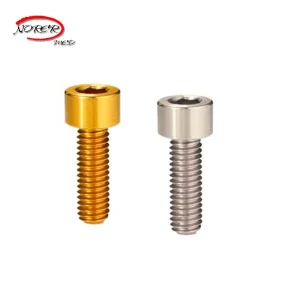
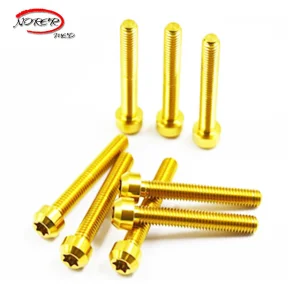
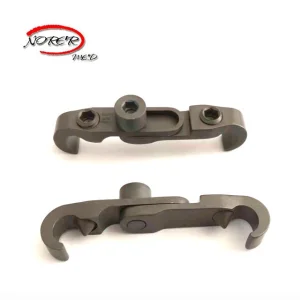
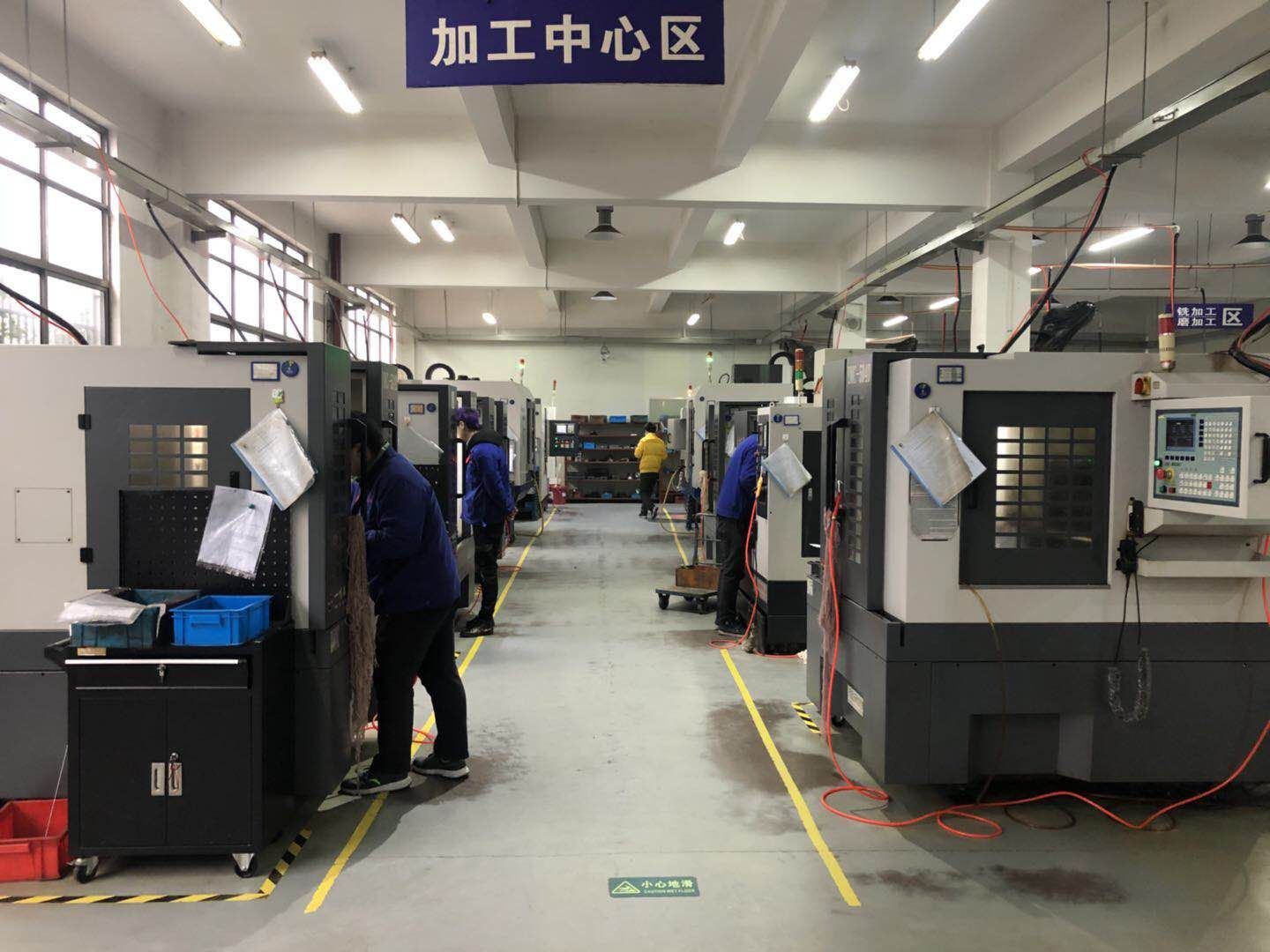
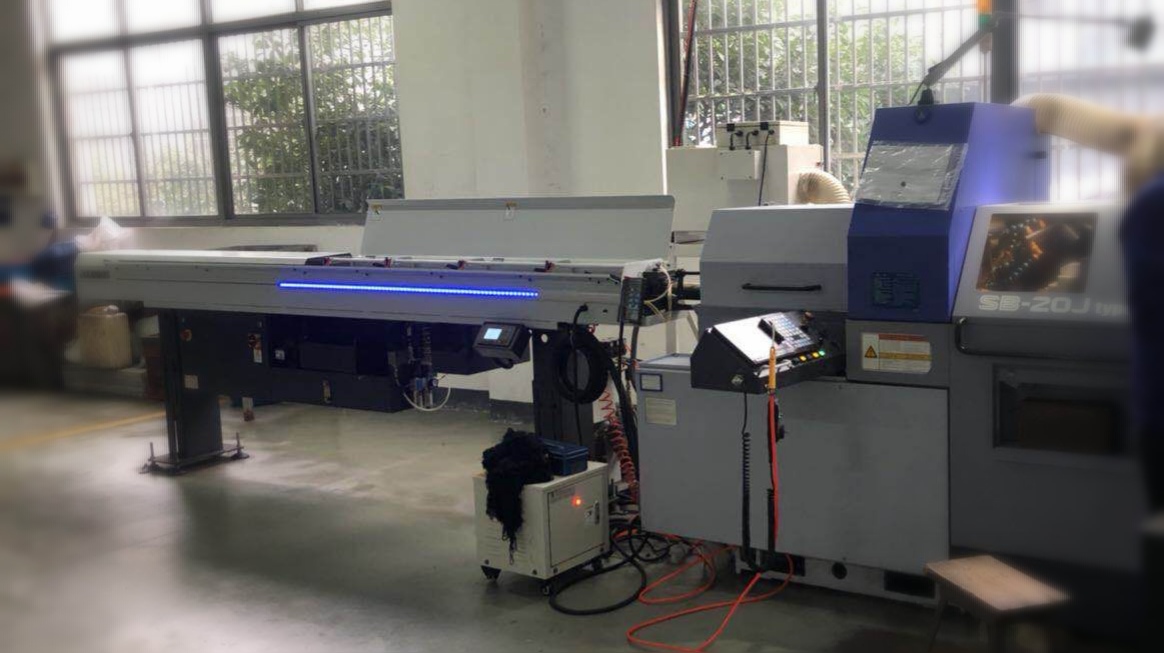
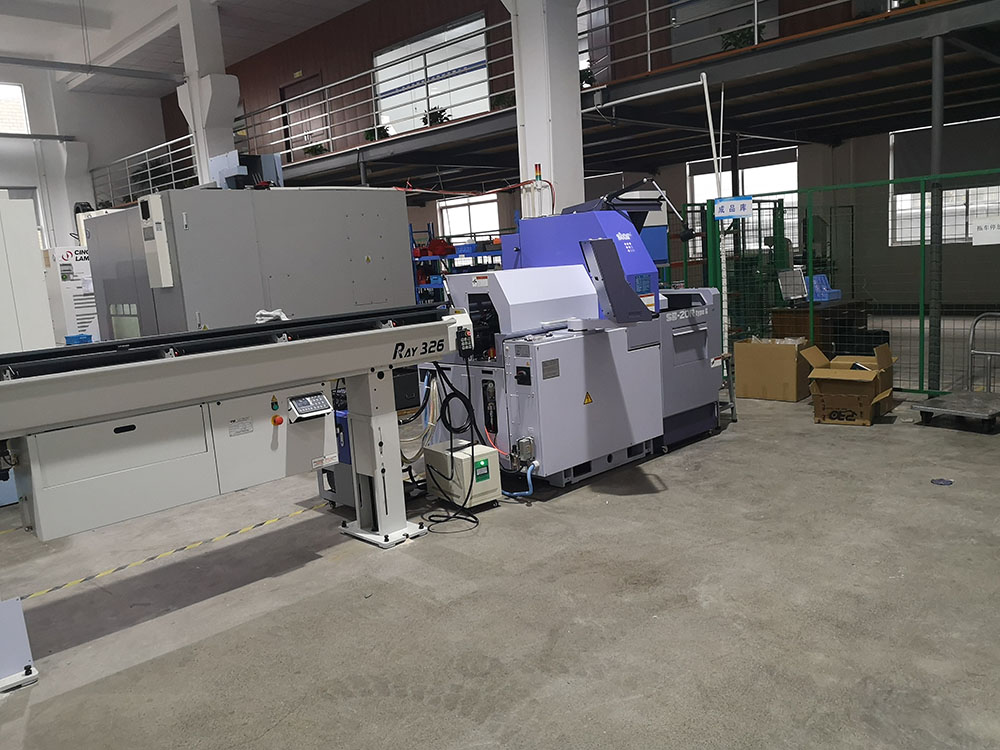
In addition to implant plates, the processing of cranial fixation hardware—such as cranial locks and matching locking screws—requires strict dimensional control. Thread profiles must be engineered to prevent cross-threading in cortical bone. Medical-grade titanium rods are routinely converted via swiss-type sliding head lathing to ensure each screw matches strict tolerances, reducing insertion torque failure in operating environments.
Analyzing the orthopedic cluster dynamics in Jiangsu, China, and the benefits of consolidated, high-efficiency manufacturing ecosystems.
The global medical device supply chain values reliability, quality, and cost-efficiency. Changzhou, located in Jiangsu Province, China, has developed into a major cluster for orthopedic trauma and cranial implants. This concentration of raw material suppliers, anodization facilities, sterile packaging houses, and international testing agencies allows manufacturers like DEON Medical to significantly shorten lead times compared to isolated factories.
Jiangsu's orthopedic cluster utilizes a integrated industrial model. By housing tooling, production, finishing, and biological testing within the same regional ecosystem, shipping delays and quality check gaps are minimized. For global enterprises sourcing cranial components, this means a reliable supply chain. Whether processing specialized alloy screws or custom cervical plates, the region’s infrastructure enables rapid production scaling to meet international contract terms.
DEON Medical (Changzhou) Co., Ltd. - An Established Supplier of Premium Cranial, Trauma, and Spinal Implant Systems.
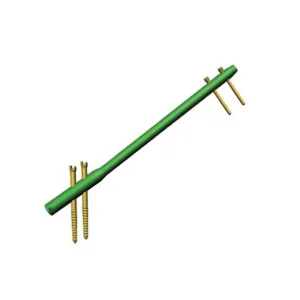
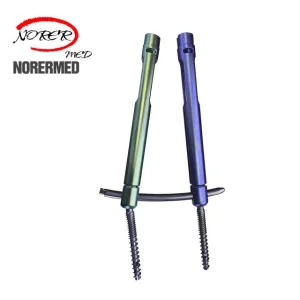
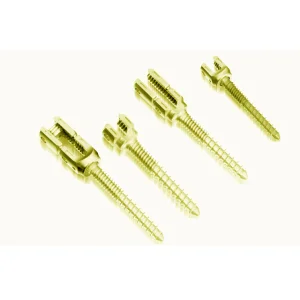
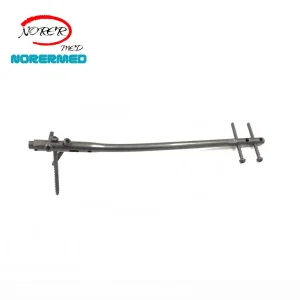
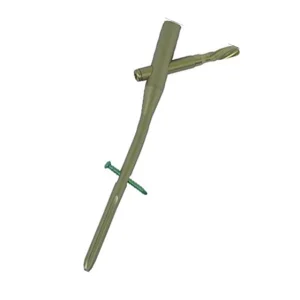
DEON Medical (Changzhou) Co., Ltd. is located in Changzhou City, Jiangsu Province, China. The company manufactures orthopedic trauma bone plates, bone screws, orthopedic interlocking nails, orthopedic spine pedicle screws, cervical plates, PEEK cervical & lumbar cages, and associated surgical instruments.
Combining design expertise with precision machining, DEON Medical supplies components for both human and veterinary surgical procedures. Modern equipment, high-grade biocompatible raw materials, and strict quality checks throughout production ensure that every implant meets international performance expectations.
Crucial standards for auditing offshore cranial implant facilities to ensure patient safety and product reliability.
When procuring cranial implants, quality assurance team leaders prioritize risk mitigation. Unlike standard orthopedics, cranial implants are thin, complex structures placed directly against cerebral tissue, meaning any surface impurities or micro-cracks pose severe clinical risks. Consequently, facility audits focus heavily on two main areas:
1. Mechanical Integrity Testing: Dynamic fatigue testing according to ASTM F382 or ASTM F2026 standards is essential. The implant must withstand physiological stress without deformation, micro-displacement, or screw loosening.
2. Class 10,000 Cleanrooms & Sterilization: Raw manufacturing leaves residues of cutting fluids, machine oils, and metal particulate. Validated multi-stage ultrasonic cleaning and final packaging in ISO Class 7 (Class 10,000) cleanrooms are required to minimize endotoxin levels, ensuring patient safety.
How leading factories partner with global distributors to secure FDA 510(k), CE mark, and local clinical registry approvals.
Entering international healthcare markets requires robust regulatory documentation. Top-tier cranial manufacturing plants supply more than just physical products; they provide complete technical documentation, including raw material heat numbers, mechanical testing data, biocompatibility profiles, and production process validations.
This localized regulatory assistance simplifies the approval process with agencies like the FDA or EMA. By supplying detailed CAD files, mechanical stress models, and cleanroom sterilization validation reports, manufacturers help distributors secure market clearance, facilitating smooth international distribution.
Exploring bio-resorbable polymers, drug-eluting plates, and smart telemetric sensors in modern craniotomy design.
The neurosurgical implant industry is shifting from inert mechanical fixtures to biologically active systems. Researchers and leading manufacturers are currently focusing on three primary fields:
By preparing manufacturing lines for these technological integrations, factories like DEON Medical ensure they remain aligned with evolving clinical standards.
Addressing the critical technical, logistics, and quality control questions raised by surgical implant buyers.
Cranial implants primarily utilize Ti-6Al-4V ELI (Grade 23 Titanium) or surgical PEEK (Polyetheretherketone). Grade 23 Titanium offers excellent mechanical strength and biocompatibility, while PEEK provides radiolucency and a modulus closer to natural human cortical bone, reducing stress shielding and imaging artifacts.
We utilize Swiss-type CNC lathing and 5-axis machining systems. Tolerances are held to within 0.01mm. Every production run undergoes automated profile projector checks and digital micrometer verification to ensure compatibility with corresponding skull lock clamp assemblies.
Our production facilities operate under ISO 13485 (Medical Devices Quality Management Systems). We maintain full traceability from raw alloy ingot or polymer resin down to the packaged implant, conforming with ASTM F136 (for Titanium) and ASTM F2026 (for PEEK) specifications.
Yes. By utilizing raw patient CT/MRI scan data (DICOM files) provided by clinical partners, our engineering team constructs precise 3D models. These designs are then processed using 5-axis milling or 3D printing systems to create tailored cranial plates.
Standard bulk items (such as standard trauma plates or pedicle screws) typically ship within 15–30 days. Specialized, custom runs requiring detailed tool adjustments or patient-specific modeling generally range from 3 to 6 weeks, depending on design approvals.
 Deon Medical