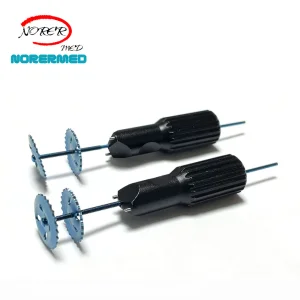
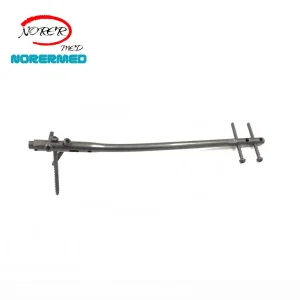
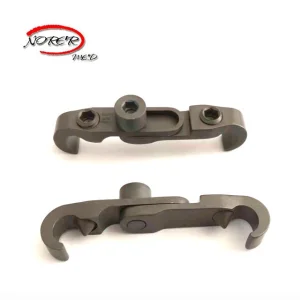
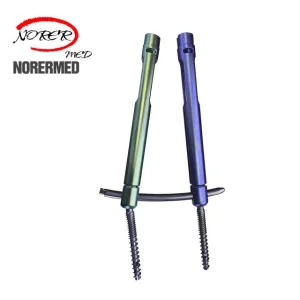
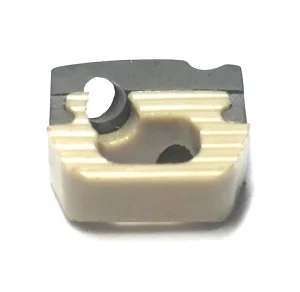
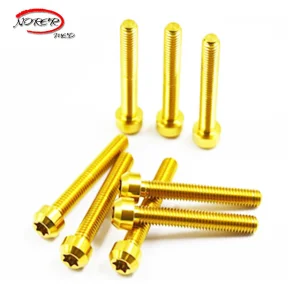
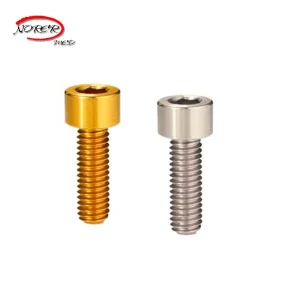
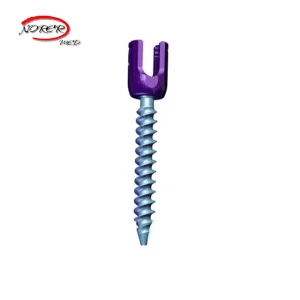
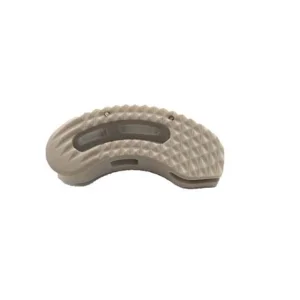
Featured surgical devices engineered under class ISO 13485 standards for human and veterinary applications
A Comprehensive Industry Whitepaper on Material Mechanics, Global Regulations, and Structural Integrity
Orthopedic implants, including bone plates, transpedicular screws, and interlocking intramedullary nails, operate in environments subjected to complex cyclic loading patterns. Underestimating the fatigue limits of implant materials or design defects can lead to mechanical failure (hardware fracture), implant migration, or stress shielding. Stress shielding occurs when a rigid metal implant absorbs the majority of the physiological load, starving the surrounding bone of the natural mechanical stress required for healthy remodeling (under Wolff's Law).
To mitigate these biomechanical risks, we strictly select and test medical-grade alloys and biopolymers. Our production lines use Medical-Grade Titanium Alloy (specifically Ti-6Al-4V ELI / Grade 5 conforming to ASTM F136 standards) and medical Polyetheretherketone (PEEK conforming to ASTM F2026). These materials exhibit highly controlled elastic moduli, excellent corrosion resistance, and outstanding cytocompatibility.
| Material Standard | Common Surgical Use Cases | Elastic Modulus (GPa) | Tensile Strength (MPa) | Primary Clinical Advantages |
|---|---|---|---|---|
| Titanium Grade 5 ELI (ASTM F136) | Pedicle Screws, Interlocking Nails, Skull Locks, Trauma Bone Plates | 110 - 114 | ≥ 860 | High strength-to-weight ratio, rapid osteointegration, excellent biocompatibility. |
| PEEK Biopolymer (ASTM F2026) | Lumbar TLIF/PLIF Cages, Cervical ACIF Cages, Custom Osteotomy Jigs | 3.5 - 4.0 | ≥ 90 - 100 | Modulus matches cortical bone, radiolucent (ideal for post-op CT/MRI scans). |
| 316LVM Stainless Steel (ASTM F138) | Temporary Fixation Rods, External Fixator Pins, Surgical Instrumentation | 190 - 200 | ≥ 490 - 1350 | Superior stiffness, high ductility, cost-effective for structural instrumentation. |
Precision execution from raw material selection to sterile packaging configurations
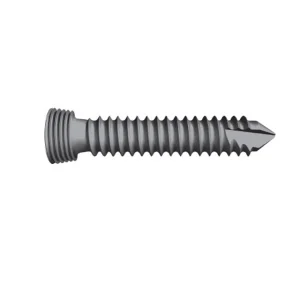
We operate multi-axis Swiss type CNC turning centers to machine fine-threaded locking screws and complex geometries with dimensional tolerances within ± 0.005mm.
Our CAD/CAM engineering team assists global clients in translating clinical blueprints into high-performance implants, utilizing advanced Finite Element Analysis (FEA) testing.
Utilizing controlled anodization processes, we apply type II and type III surface treatments to optimize fatigue life, improve corrosion resistance, and enable color-coded cataloguing.
For multinational orthopedic brands and regional distributors, procuring custom hardware requires transparency and technical alignment. Our standard operating procedure spans five structured phases:
DEON Medical is strategically headquartered in Changzhou City, Jiangsu Province, China. Changzhou represents a global benchmark for medical device manufacturing, comparable to Tuttlingen in Germany. The region features a concentration of raw material suppliers, surface finish technicians, specialized testing laboratories, and logistics operators.
This orthopedic manufacturing cluster enables us to optimize material sourcing, decrease turnaround times, and lower production costs. We pass these efficiency savings directly to our clients without compromising mechanical precision or materials quality. Our local network provides rapid access to titanium bar stocks, high-grade PEEK resins, and specialized tooling, streamlining our manufacturing cycle.
Optimizing implant dimensions and mechanical properties for diverse anatomical configurations
Veterinary orthopedic surgeries, particularly for canine and feline patients, require smaller dimensions, dynamic locking profiles, and corrosion-resistant profiles that can withstand the unique postures of quadrupedal biomechanics. Unlike humans, quadrupedal animals place continuous load on all four limbs, creating high shear forces.
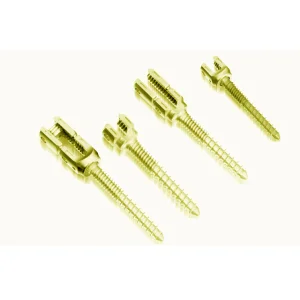
Our specialized product offerings, including the Veterinary Orthopedic Minimally Invasive Spinal Titanium Pedicle Screw and the ACIF PEEK Locking Infusion Cage, are designed to fit these specific structures. These components facilitate fusion, reduce surgical time, and support early mobilization in domestic and working animals.
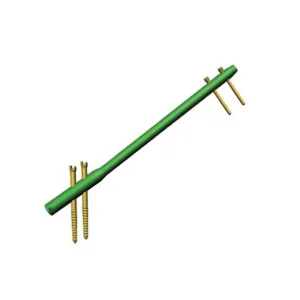
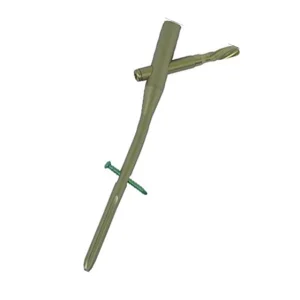
For human applications, implants must adhere to strict regulatory standards regarding fatigue life, osteotomy plate configuration, and osseous fusion interfaces. Products like the Titanium Cranial Skull Lock provide secure skull implant fixation without creating artifacts in diagnostic imaging. Additionally, our Expert Tibial and Femoral Interlocking Nails are built for load distribution and micro-motion management to support primary bone healing.
An established manufacturer and exporter based in China's medical device heartland
Certified Orthopedic Solutions & Expert Export Partner
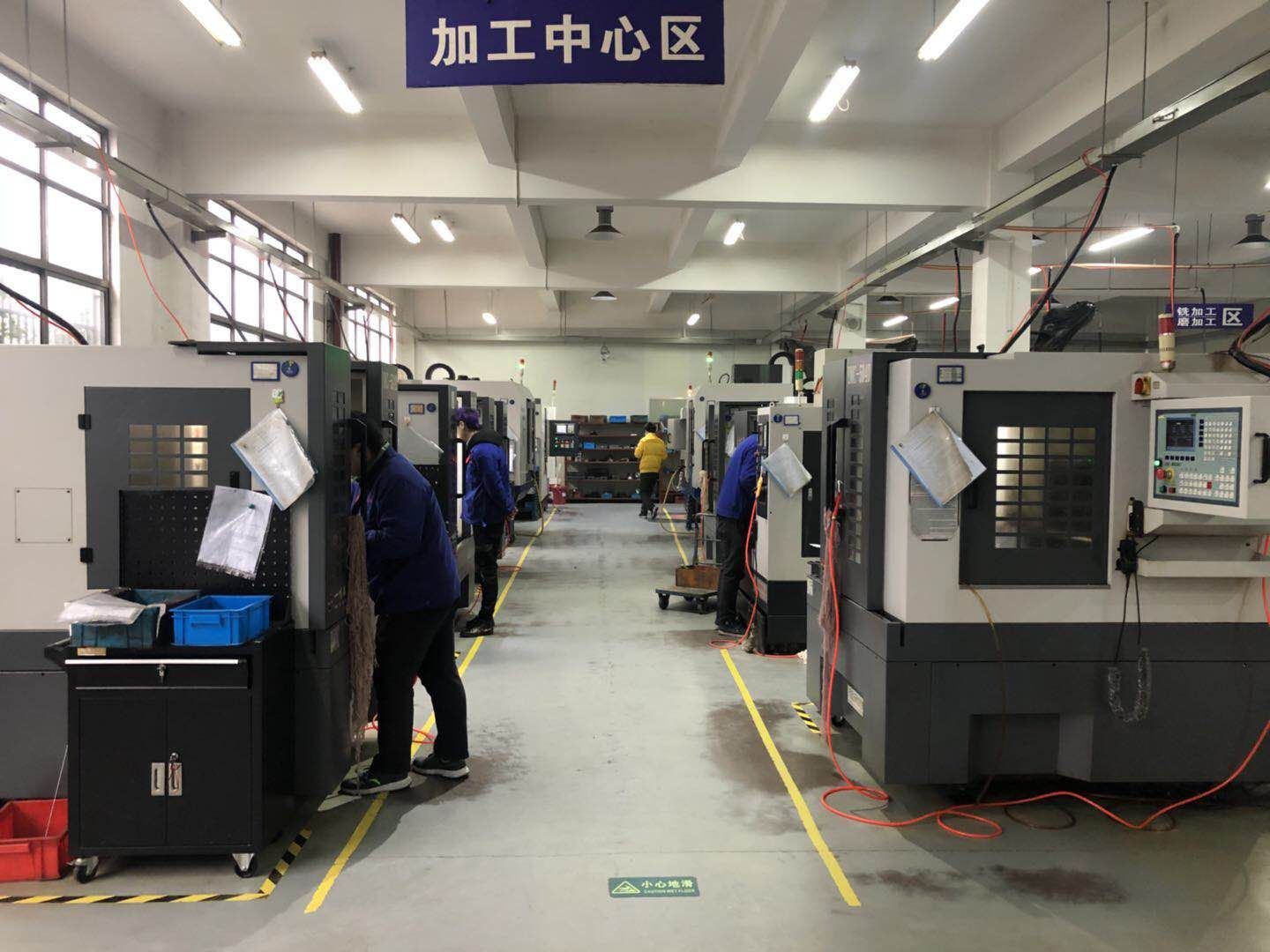
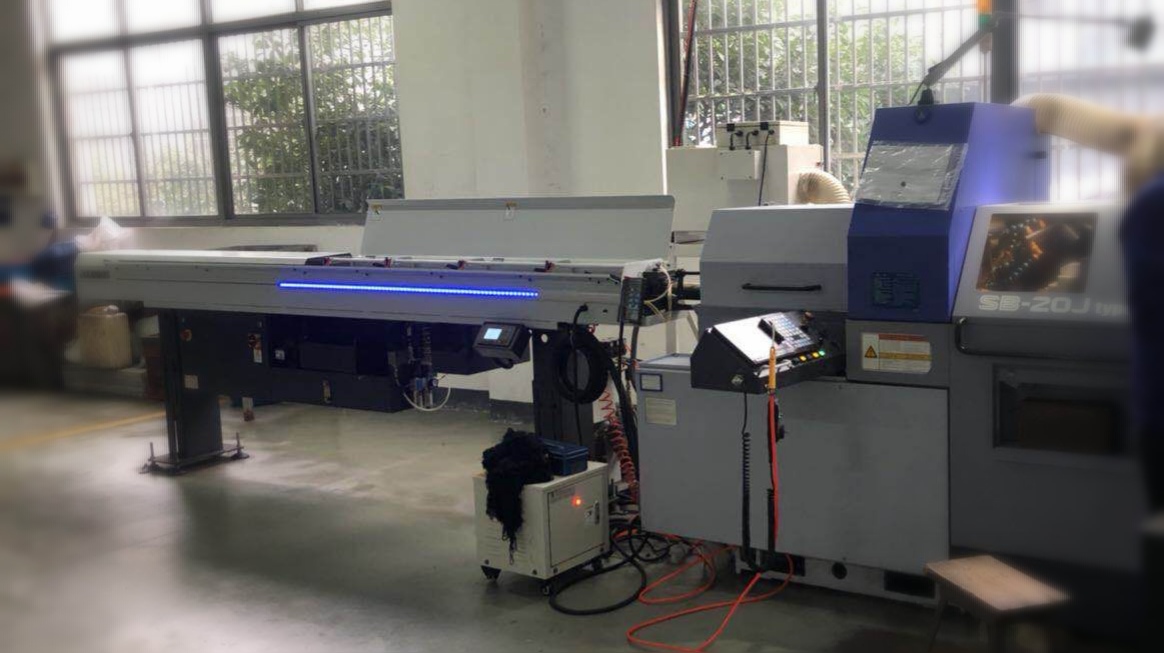
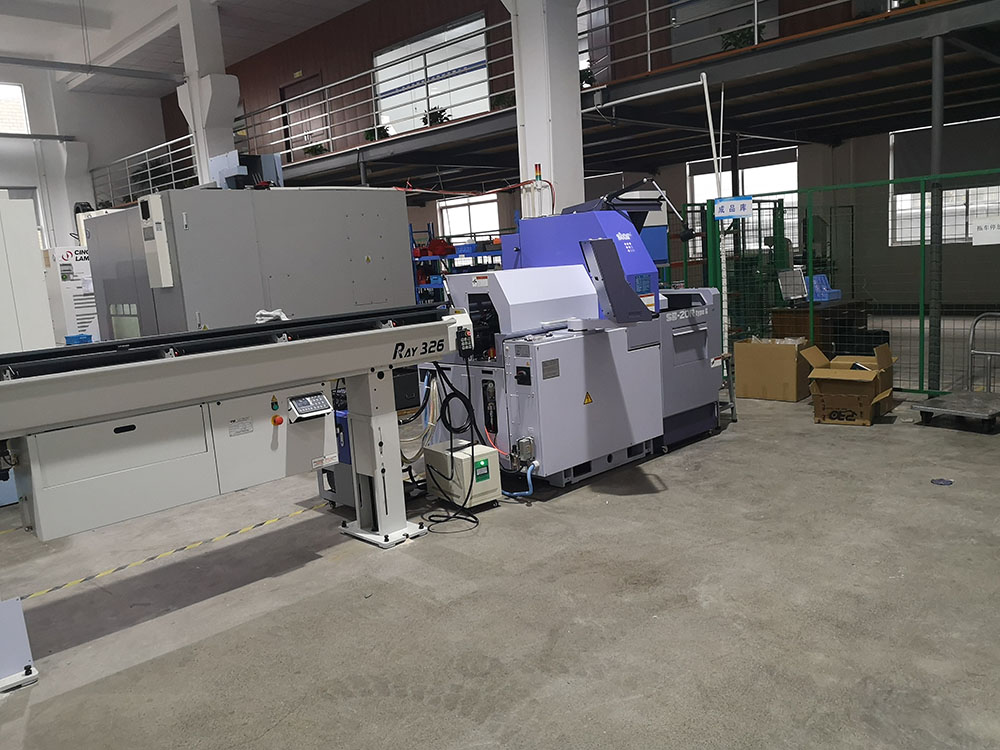
Detailed technical, quality control, and logistics answers for procurement managers
We use Medical-Grade Titanium Alloy (Ti-6Al-4V ELI) conforming to ASTM F136 and ISO 5832-3 standards. For spinal fusion cages, we source raw Polyetheretherketone (PEEK) polymer that meets ASTM F2026 specifications. Each raw material batch comes with mill run test reports, chemical composition analyses, and mechanical performance sheets to verify traceability.
Our manufacturing processes follow ISO 13485 regulations. Custom runs undergo targeted ultrasonic cleaning cycles in dedicated bath chambers using deionized water. This process removes organic oils, tool particulates, and residues, meeting biocompatibility standards for orthopedic devices.
The Proximal Femoral Nail Antirotation (PFNA) system uses a helical blade design rather than standard locking screws. The helical blade compacts the surrounding cancellous bone during insertion, which increases mechanical stability, resistance to cut-out, and improves load distribution. This is especially beneficial for elderly patients with reduced bone density.
Yes, we provide technical documentation packages for registration, including ISO 13485 certificates, material composition certificates (ASTM F136/F2026), process validation files, and dimensional test reports.
Additional instrumentation and implant options for spinal, traumatological, and veterinary procedures
 Deon Medical