Explore our premium selection of medical-grade titanium and PEEK fixation products designed to meet the rigorous imaging clarity and mechanical requirements of modern orthopedic procedures.
A comprehensive analysis of design compatibility, metallurgic purity, and imaging artifact mitigation in modern traumatology and spinal reconstruction surgery.
In modern operating theaters, the efficacy of orthopedic interventions is heavily reliant on real-time intraoperative visualization. Whether executing a minimally invasive spine surgery (MISS) using fluoroscopy, utilizing a mobile C-arm during a complex fracture reduction, or leveraging high-definition computed tomography (CT) and magnetic resonance imaging (MRI) for postoperative validation, the design of orthopedic hardware must accommodate modern imaging paradigms. Implants like orthopedic trauma bone plates, bone screws, and cervical plates must exhibit specific mechanical and radiolucent properties.
Historically, traditional metals generated significant scatter and halo artifacts on CT scan images, which obscured the bone-implant interface and prevented clinical staff from accurately diagnosing postoperative recovery or localized micro-instability. The evolution of premium medical grade raw materials, specifically Grade 5 Titanium Alloy (Ti-6Al-4V ELI) and PEEK (Polyetheretherketone), has resolved these visualization issues. OEM/ODM medical equipment facilities must master the balance of mechanical rigidity and low radiological footprint to ensure that surgeons can execute screw trajectories flawlessly under image guidance while preserving postoperative diagnostic clarity.
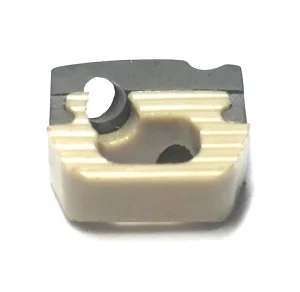
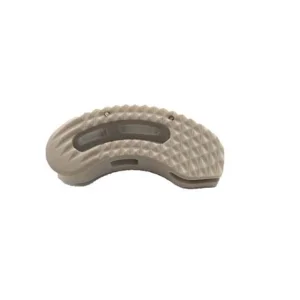
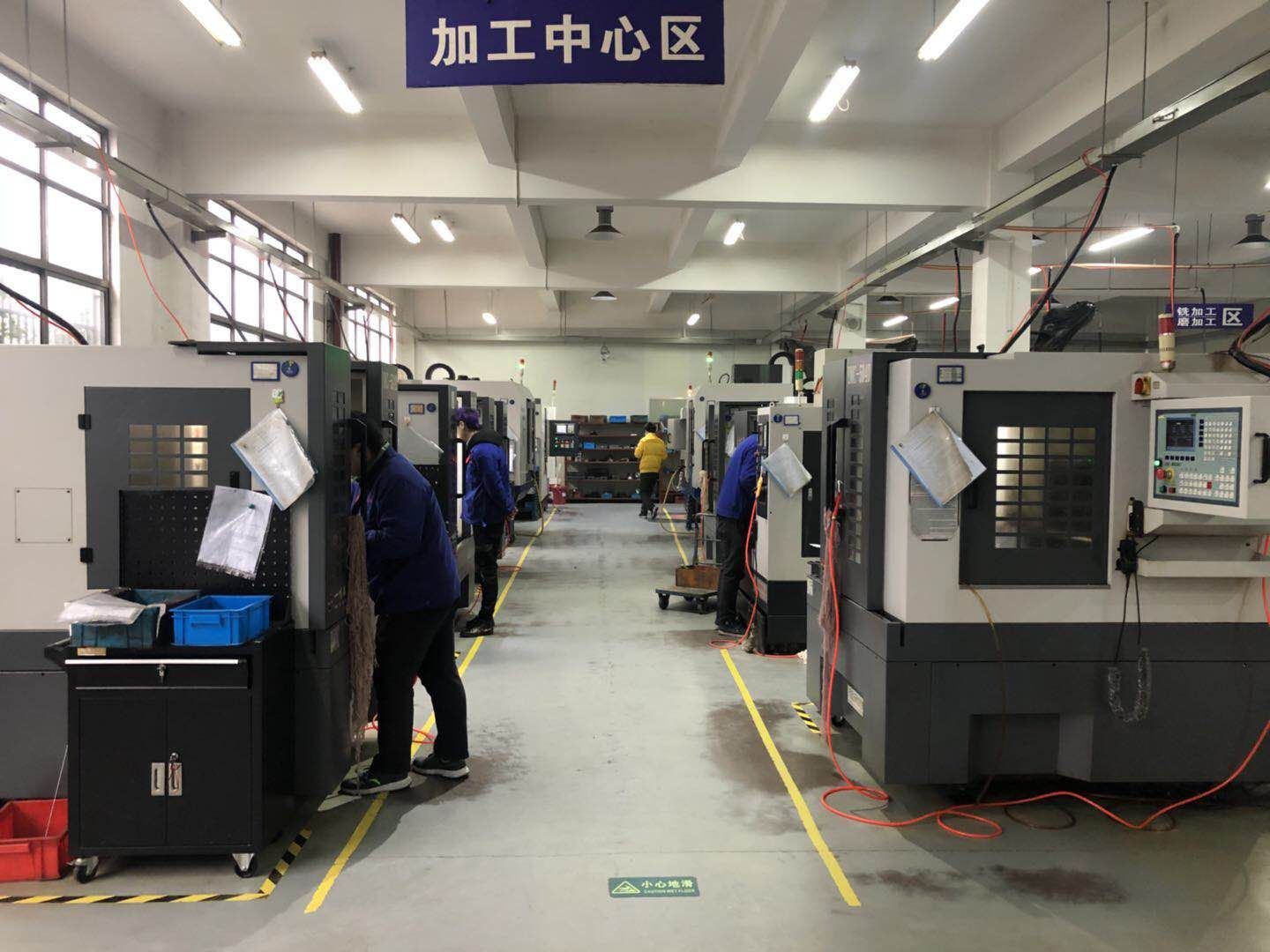
Processing advanced polymers and biocompatible titanium requires specialized fabrication environments. For instance, manufacturing a PEEK cervical & lumbar cage requires precise temperature control during CNC machining to prevent structural micro-fracturing or material degradation. Unlike metals, which can dissipate heat during cutting, PEEK acts as a thermal insulator. This demands advanced cooling strategies and customized toolpaths to prevent thermal stress accumulation, which can cause micro-voids in the polymer matrix.
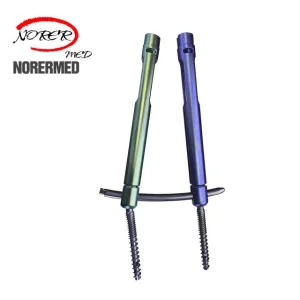
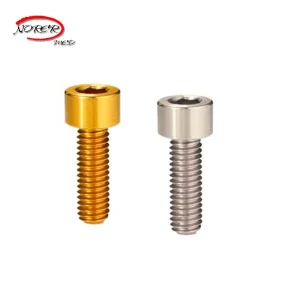
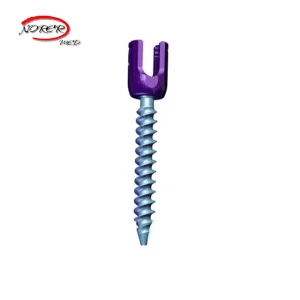
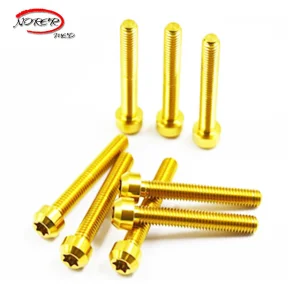
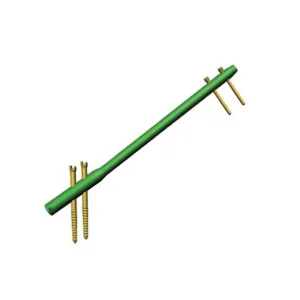
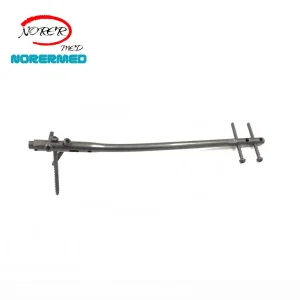
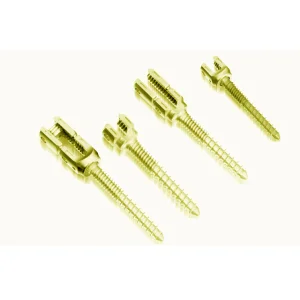
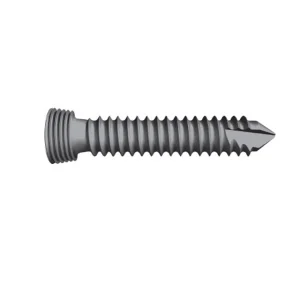
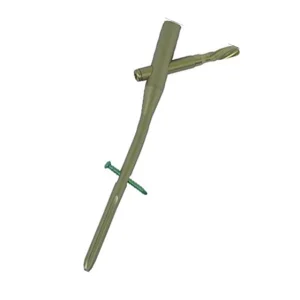
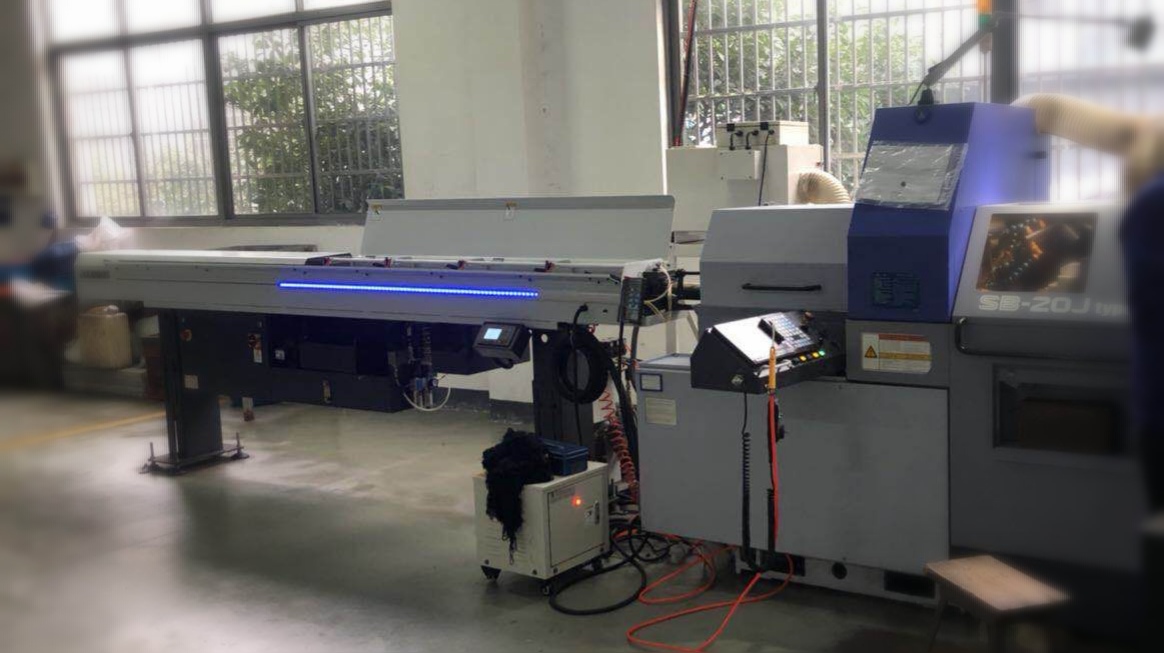
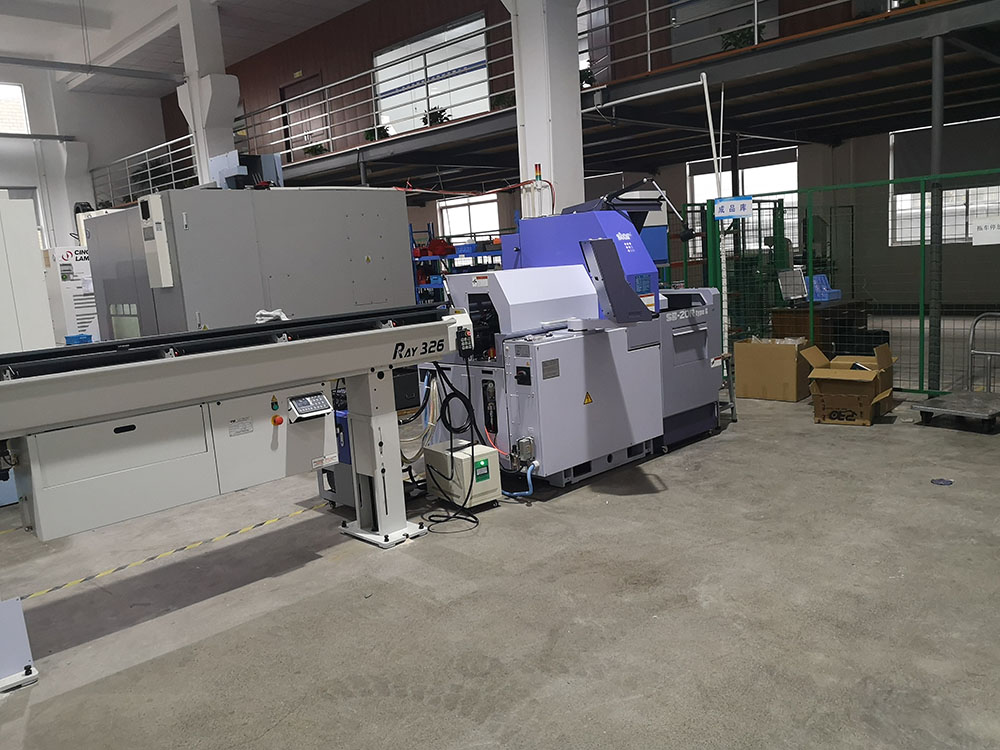
Similarly, titanium screw machining—such as the creation of fine threads on orthopedic interlocking nails and pedicle screws—requires Swiss-type longitudinal turning centers with tolerances tight enough to meet micron-level parameters. Our Chinese manufacturing facilities deploy multi-axis CNC machines equipped with real-time laser measurement probes. The subsequent surface treatments, including electrochemical anodization, acid etching, and passive washing, are performed under ISO Class 7 cleanroom conditions to prevent hydrocarbon contamination. Cleanliness at this level is essential to ensure fast osseointegration and eliminate the risk of sterile inflammatory responses.
Machining Tolerance Precision
Biocompatible Titanium Alloy
Certified Quality System
Traceable Medical Raw Materials
The global medical device market demands a balance of high product quality, supply chain reliability, and cost efficiency. Changzhou, Jiangsu Province, China, has emerged as a premier cluster for orthopedic device fabrication. This ecosystem houses raw material processing, multi-axis machining, surface processing, sterilizing facilities, and regulatory testing labs in close geographic proximity.
This concentration of resources allows manufacturers to bypass the lead times common in fragmented supply chains. DEON Medical integrates these local capabilities to offer responsive OEM and ODM support. By sourcing verified titanium bars and PEEK-OPTIMA polymers nearby, our facility accelerates developmental prototyping from design concept to sterilized production-ready product. This setup minimizes logistics overhead and reduces the risk of global supply disruptions.
Procuring class III medical hardware requires strict adherence to regulatory standards. Global buyers need assurance that their suppliers maintain traceabilty and process control. Our manufacturing standards are aligned with global expectations:
Every step of production, from raw material inspection to final packaging, is logged within a comprehensive Quality Management System (QMS) to ensure full batch traceability.
Materials undergo cytotoxicity, sensitization, systemic toxicity, and implantation testing in accordance with ISO 10993 guidelines before moving to clinical production.
Fatigue, static shear, and pull-out tests are executed in line with ASTM F543 (bone screws) and ASTM F1717 (spinal constructs) to verify long-term implant stability.
The value of an orthopedic implant depends on its performance in the hands of clinical staff. High-quality products must integrate into existing surgical workflows. For example, during a veterinary trauma repair or a human spinal reconstruction, the surgical navigation interface, the C-arm positioning, and the implant insertion tools must work together seamlessly.
If a surgeon encounters imaging interference or tools that do not fit properly during a procedure, patient outcomes can be compromised. To prevent this, DEON Medical offers localized post-market surveillance support and assists OEM partners with custom instrumentation kit design. This ensures that implant drivers, drill guides, and extraction systems are engineered for ergonomics and fit the surgical setting.
Our manufacturing floor and cleanrooms utilize advanced CNC milling centers, cleanroom packaging lines, and precise quality-control stations.
High-Precision Orthopedic & Traumatology Solutions Manufacturer
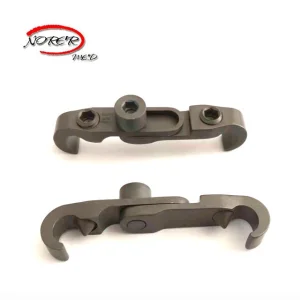
DEON Medical (Changzhou) Co., Ltd. is located in Changzhou City, Jiangsu Province, China. We specialize in the design, development, and manufacture of orthopedic trauma bone plates, bone screws, interlocking nails, spinal pedicle screws, cervical plates, and PEEK cervical/lumbar cages.
Our facility combines design engineering with CNC manufacturing capabilities, delivering components to healthcare markets globally. We operate under rigorous quality protocols to ensure product safety and regulatory compliance.
Expert technical answers regarding orthopedic implant manufacturing, materials, imaging compatibility, and procurement protocols.
PEEK (Polyetheretherketone) is the leading material for minimizing artifacts, as its density and radiotranslucent properties resemble human cortical bone. For high-load structural configurations where metals are necessary, titanium alloys (such as Ti-6Al-4V ELI) produce fewer artifacts compared to stainless steel. Additionally, surface modifications and precise geometries help minimize edge scatter in diagnostic scans.
We conduct testing on all implant designs under simulated physiological loads. For micro-screws and spinal fixation systems, we test pull-out strength, torque resistance, and fatigue limits according to ASTM standards (such as ASTM F543). This ensures durability in active pediatric or veterinary applications.
MOQs vary depending on design complexity and tooling requirements. Prototyping runs can begin with small batch quantities to allow for evaluation. Production lead times average 30 to 45 days, which includes material verification, CNC machining, surface anodization, cleaning, and ISO Class 7 cleanroom packaging.
The Changzhou medical device cluster consolidates raw material sourcing, specialized tooling, surface treatment facilities, and sterilization providers. This geographic proximity minimizes logistics and handling costs, allowing us to pass these efficiencies on to global buyers.
Our manufacturing facility produces high-grade surgical components designed to integrate with modern clinical imaging workflows.
 Deon Medical