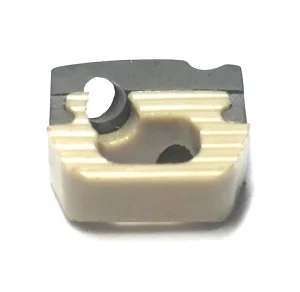
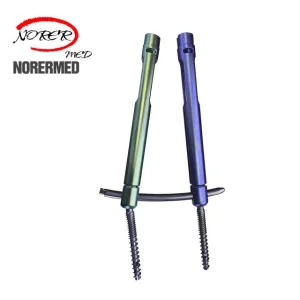
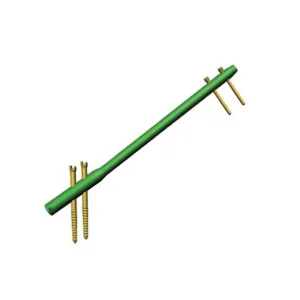
Explore our leading titanium and alloy precision-machined bone fixation implants.
Understanding the transition toward bio-harmonic, high-load osteosynthesis technologies.
The global orthopaedic implant sector is undergoing a profound paradigm shift. Driven by aging demographics, rising high-impact trauma incidents, and the rapid expansion of veterinary surgical standards, the demand for Bone Fixation Systems has transitioned from simple mechanical stabilization to bio-harmonic interface optimization. Historically, bone fixation relied heavily on static stainless steel constructs. Today, clinical outcomes demand materials that minimize stress shielding, promote osseointegration, and exhibit exceptional fatigue limit cycles.
For medical device brand owners, distributors, and hospital procurement departments, sourcing components through OEM/ODM partners is no longer just about cost reduction. It is about accessing highly sophisticated engineering platforms capable of sub-micron precision, cleanroom regulatory controls, and resilient supply chains. The convergence of computational topology optimization, advanced Swiss-type CNC micro-machining, and bio-compatible polymer engineering (such as PEEK) has established a new benchmark for implants deployed in spinal, cranial, and appendicular skeletal reconstructions.
Utilization of Ti-6Al-4V ELI (Grade 23) and Grade 5 titanium to match cortical bone elastic properties while offering superior fatigue limits.
Polyetheretherketone integration providing radiolucency and a modulus of elasticity closely matching human cancellous bone structure.
Production pathways designed for seamless integration with FDA 510(k), EU MDR (2017/745), and NMPA registration documentation.
A deep look into the structural mechanical properties and precision manufacturing thresholds of modern implants.
The performance of orthopedic trauma screws, locking plates, intramedullary nails, and spinal fusion cages relies on precise material characteristics. The table below highlights the core technical requirements for the major bone fixation categories produced in our advanced manufacturing facility:
| System Classification | Common Materials Used | Surface Treatment & Modification | Mechanical/Dimensional Tolerance | Key Clinical Applications |
|---|---|---|---|---|
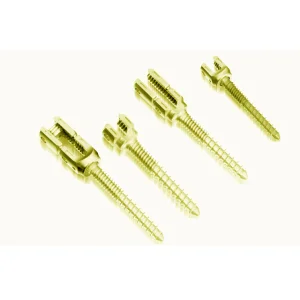
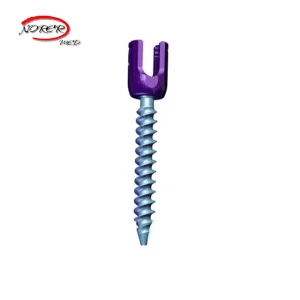
| Pedicle Screw Systems (Monoaxial/Polyaxial) | Ti-6Al-4V ELI (ASTM F136) | Type II Anodization, Acid Etching | ±0.005 mm (Thread Pitch Precision) | Spinal stabilization, degenerative disc disease, deformity correction. |
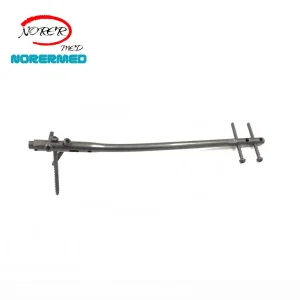
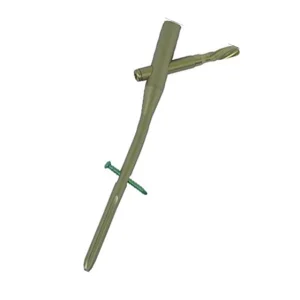
| Intramedullary Nails (PFNA, Tibial, Femoral) | Grade 5 Titanium, CoCr Alloys | Anodic Polarization, Electropolishing | ±0.01 mm (Cannulation concentricity) | Diaphyseal long bone fractures (femur, tibia, humerus). |
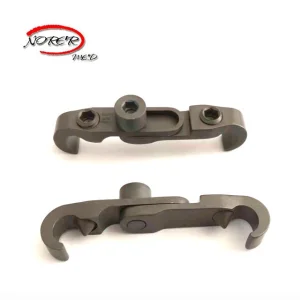
| Cranial/Maxillofacial Lock Systems | Pure Titanium (Grade 2, ASTM F67) | Chemical passivation | ±0.002 mm (Cranial lock mechanism) | Skull bone flap fixation, reconstructive cranioplasty surgeries. |
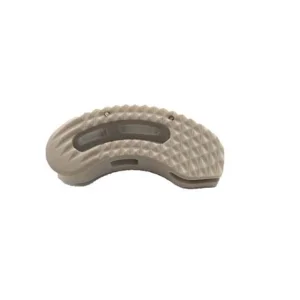
| PEEK Cages (ACIF, TLIF, PLIF) | PEEK-OPTIMA® / Carbon Fiber PEEK | Plasma spray titanium coating, Micro-texturing | ±0.02 mm (Serrated anti-migration teeth) | Intervertebral lumbar and cervical fusion. |
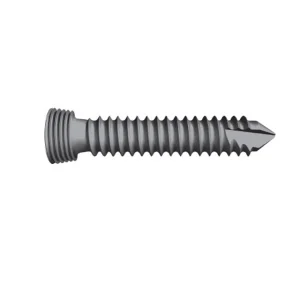
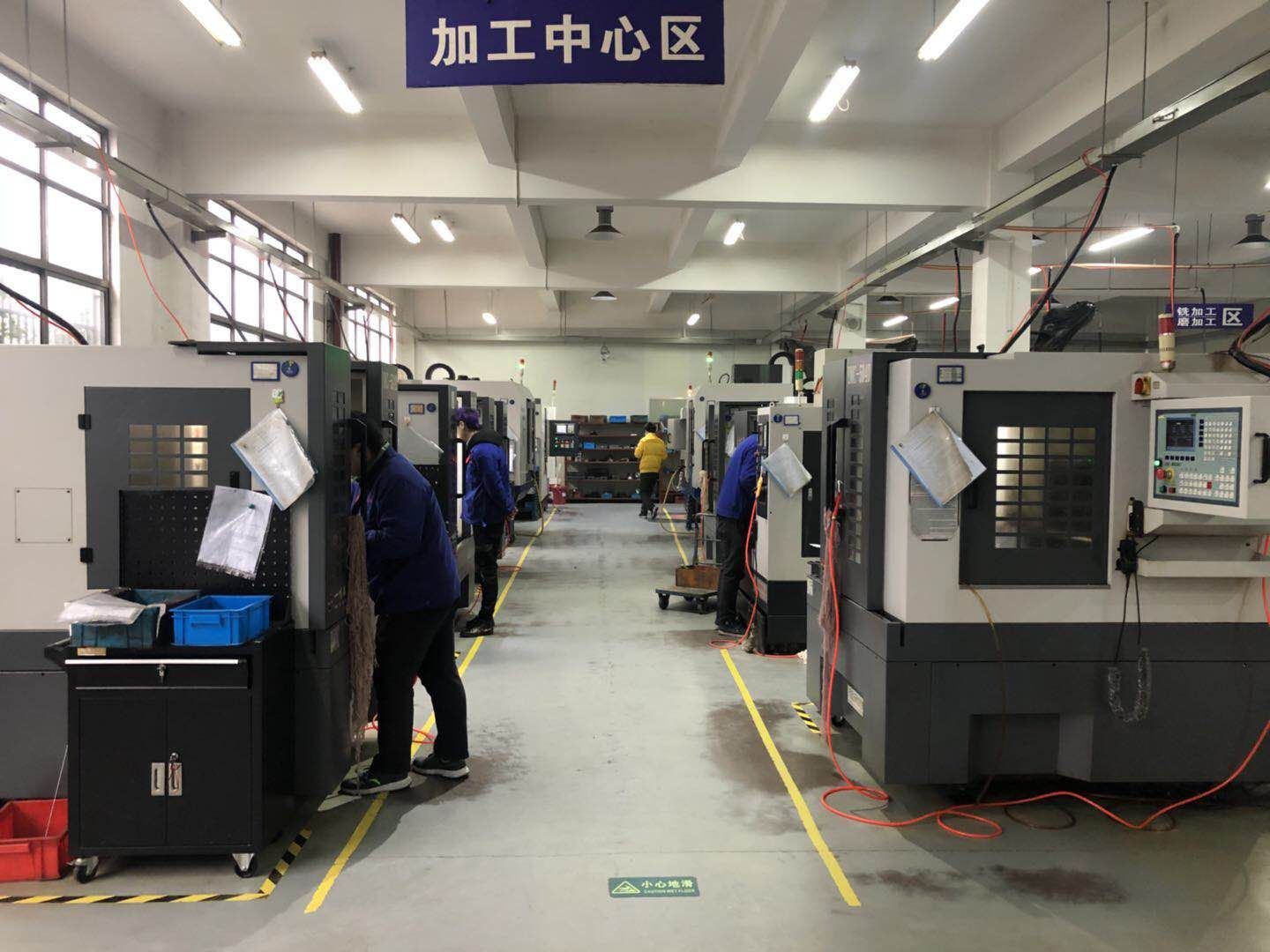
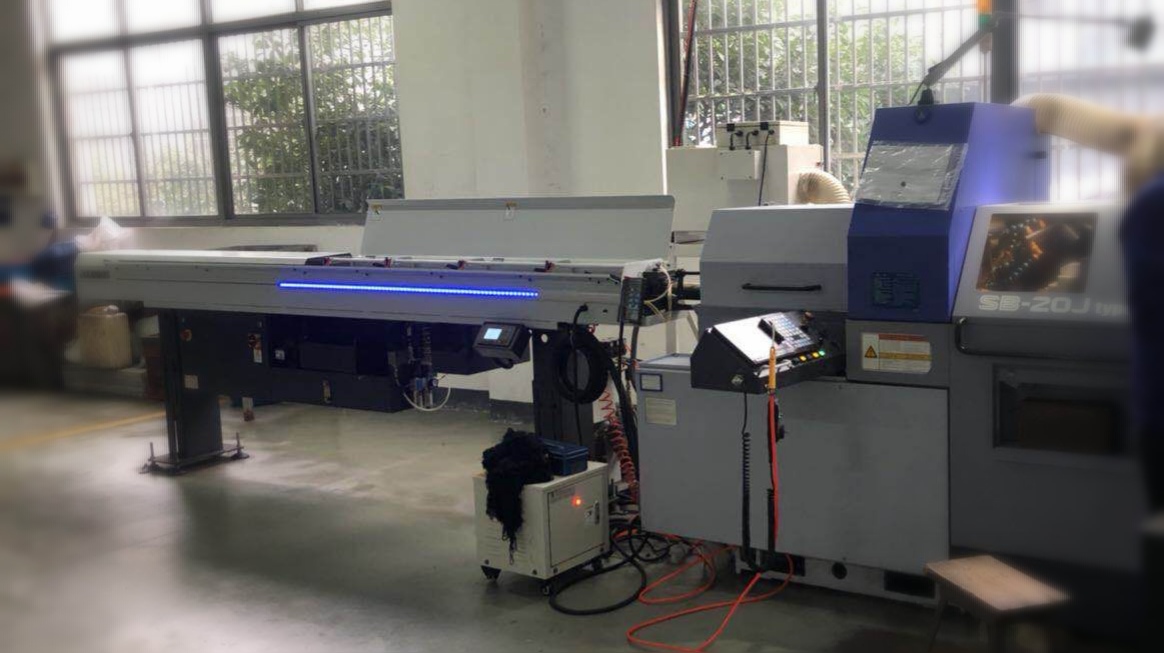
The manufacturing of locking screws and micro-cranial plates requires specialized machinery. We utilize multi-axis, Swiss-type CNC machining centers equipped with live tooling. This enables the machining of complex profiles—such as variable-depth self-tapping threads and low-profile screw heads—in a single setup, eliminating cumulative errors. Concentricity of cannulated screws is maintained below strict limits to prevent guidewire binding during minimally invasive spinal and trauma surgeries.
Untreated titanium implants can sometimes suffer from fibrous encapsulation instead of direct bone bonding. To combat this, our surface-treatment suite offers acid etching, grit blasting, and anodization options. Type II anodization creates a bio-inert surface layer that increases wear resistance, reduces friction, and prevents cold welding of the locking screw inside the plate thread. For spinal fusion cages, micro-textured PEEK or titanium plasma spray (TPS) coatings create a surface roughness that supports early cellular attachment and accelerated bone growth.
How localized industrial clusters drive efficiency, raw material access, and extreme quality control.
Our production facility is strategically located in Changzhou City, Jiangsu Province, China. Changzhou is recognized globally as the premier cluster for orthopedic device manufacturing. This concentration of specialized industries brings together raw material refiners, tool makers, surface treatment facilities, and testing laboratories into a unified ecosystem.
This proximity reduces lead times for critical materials like medical-grade titanium bars (ASTM F136) and PEEK resins. By bypassing fragmented international transit steps for intermediate processing, we maintain control over our manufacturing timeline. Furthermore, our facility operates under a strict ISO 13485 Quality Management System, combining cost-efficiency with rigorous compliance standards.
From human spine surgeries to advanced veterinary osteosynthesis procedures.
Used in emergency orthopedic wards for diaphyseal and articular fractures. Our locking plates and intramedullary nails (like GAMA Femoral or Tibial Interlocking Nails) provide rigid mechanical support. This setup allows for early patient mobilization, helps reduce joint stiffness, and supports healthy callus formation.
Designed for complex multi-level spinal fusions. Our polyaxial and monoaxial spinal screws, combined with crosslink rod assemblies, provide the rigid stability needed for spinal fusion. Our PEEK lumbar and cervical cages (TLIF, ACIF) maintain intervertebral height and support bony fusion across the segment.
Surgical procedures for companion animals and equine patients require specialized implant sizing. We design and manufacture miniature locking plates, veterinary-specific monoaxial pedicle screws, and PEEK infusion cages tailored to the anatomical dimensions and distinct biomechanical needs of animals.
Veterinary surgeons face unique challenges due to post-operative compliance difficulties in animal patients. Implants must support immediate, full weight-bearing loads without catastrophic failure. Our veterinary pedicle screws and interlocking nails are engineered with specialized thread pitches and reinforced core diameters. These designs help prevent screw pull-out and construct fatigue, even under active clinical conditions.
Your integrated manufacturing and trading partner for orthopedic trauma and spinal systems.
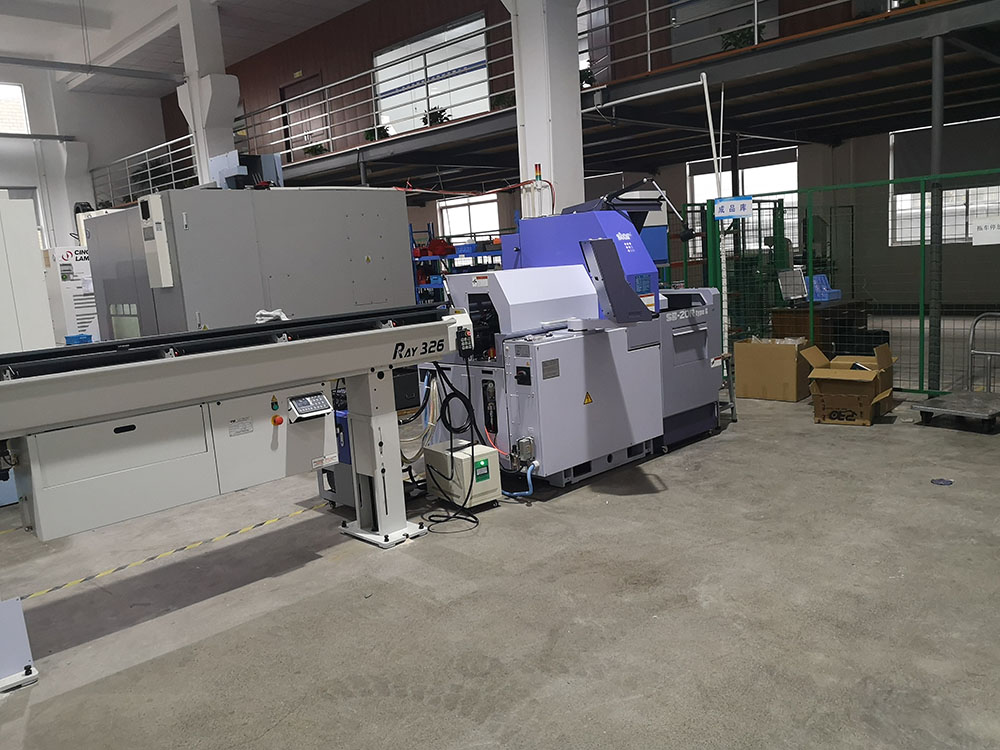
Located in the heart of Changzhou's medical manufacturing district, DEON Medical (Changzhou) Co., Ltd. operates as a specialized supplier of orthopedic trauma bone plates, bone screws, orthopedic interlocking nails, spinal pedicle screws, cervical plates, and PEEK cervical & lumbar cages.
By integrating manufacturing resources with dedicated international sales teams, we provide a streamlined channel for global distributors. This structure allows us to handle customized low-volume runs alongside large-scale contract manufacturing demands, all while maintaining trace documentation from raw medical titanium to final packaged implants.
Detailed technical and logistical answers for orthopaedic product managers and surgeons.
Explore our specialized spinal cages, interlocking trauma nails, and customized orthopedic fasteners.
 Deon Medical