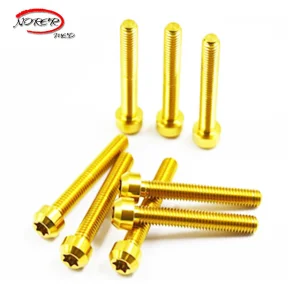
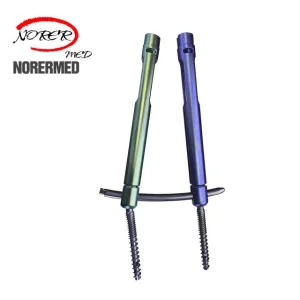
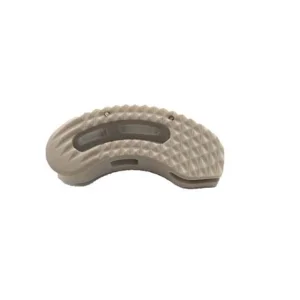
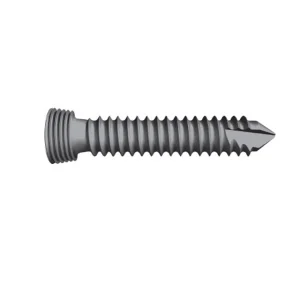
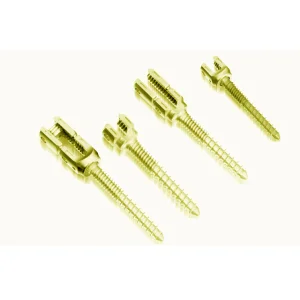
High-precision trauma, spinal, and cranial fixation devices engineered to meet rigorous FDA & CE biocompatibility standards.
DEON Medical (Changzhou) Co., Ltd. is a premier manufacturer and global supplier specializing in the design, development, and high-precision contract manufacturing of orthopedic trauma plates, bone screws, interlocking intramedullary nails, spinal fixation assemblies, and biocompatible polymers (PEEK) for fusion procedures.
Operating out of Jiangsu's advanced medical industrial corridor in China, we leverage state-of-the-art multi-axis CNC machining, premium material grades (ISO 5832-3 Titanium and implant-grade PEEK), and strict validation protocols. We bridge the gap between complex orthopedic designs and scale production, delivering reliable OEM solutions to surgical device brands globally.
"By integrating bio-compatible materials with nanoscale tolerances, we design fixation devices that optimize osteointegration, reduce recovery times, and limit revision risks for both human and veterinary applications."
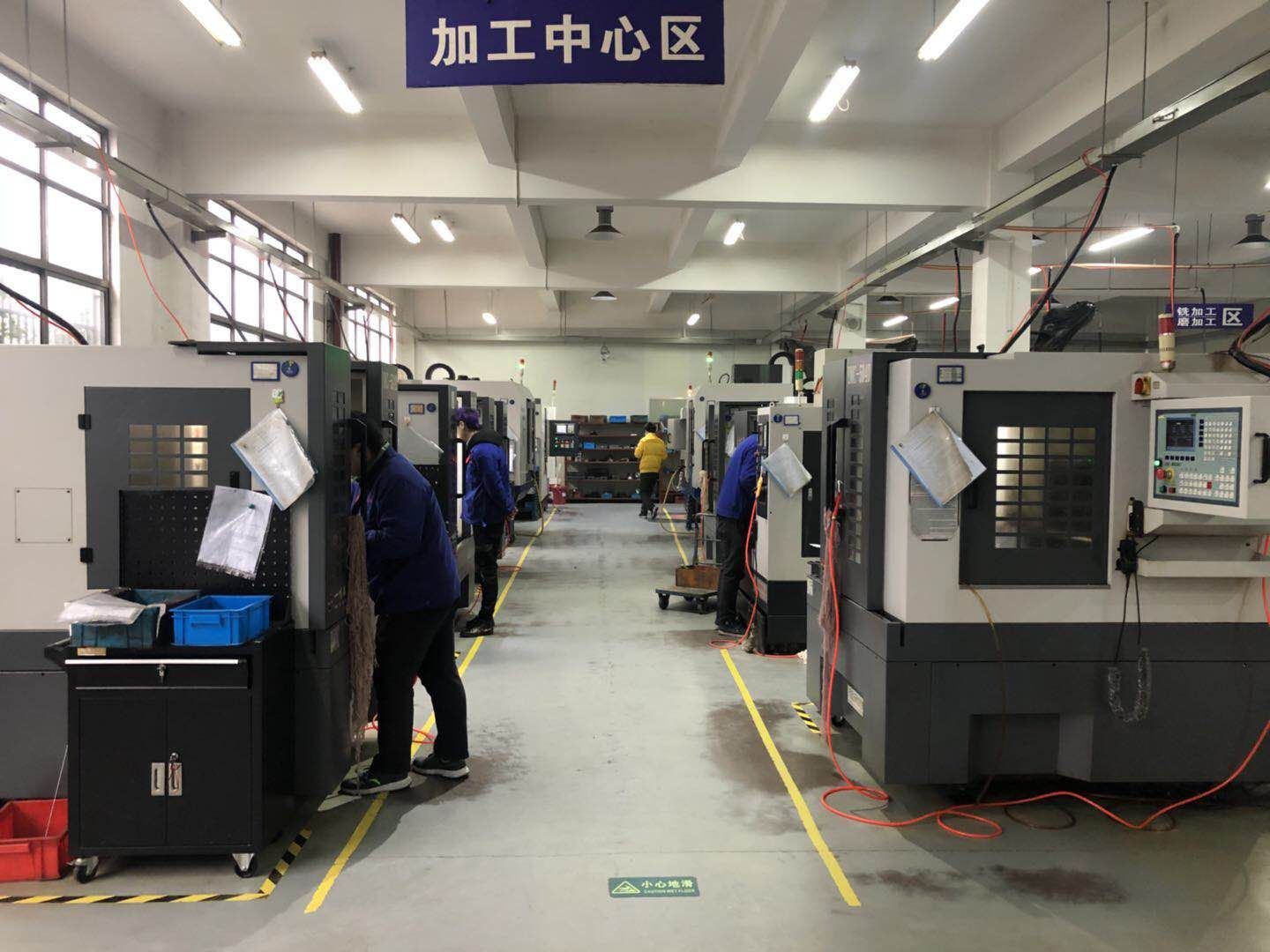
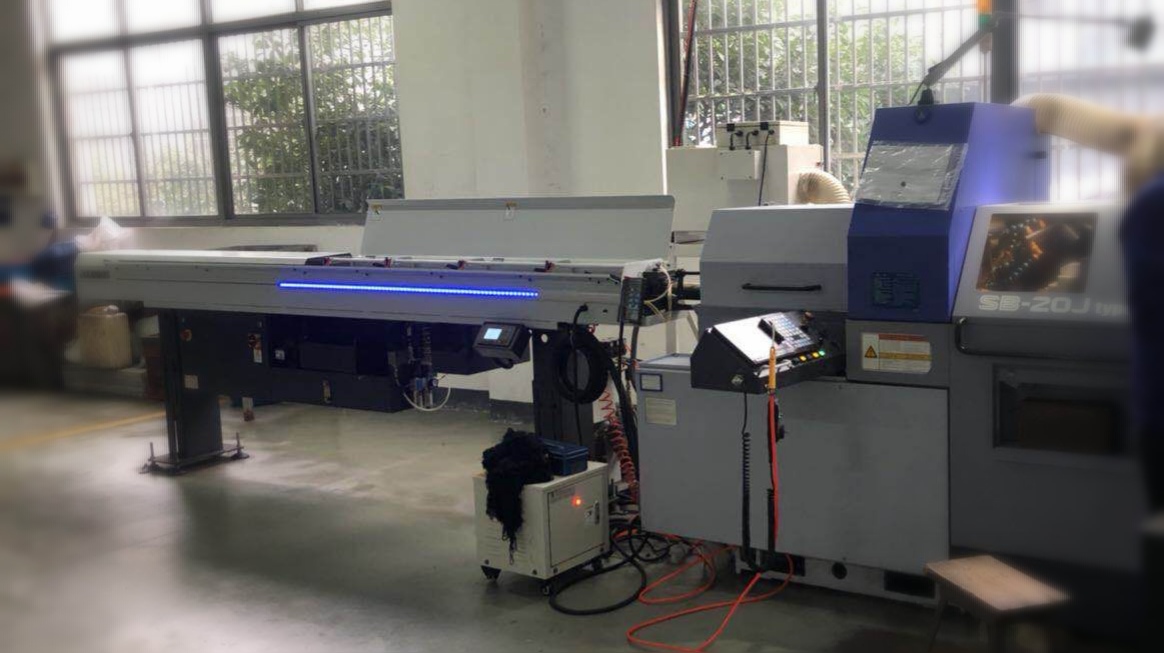
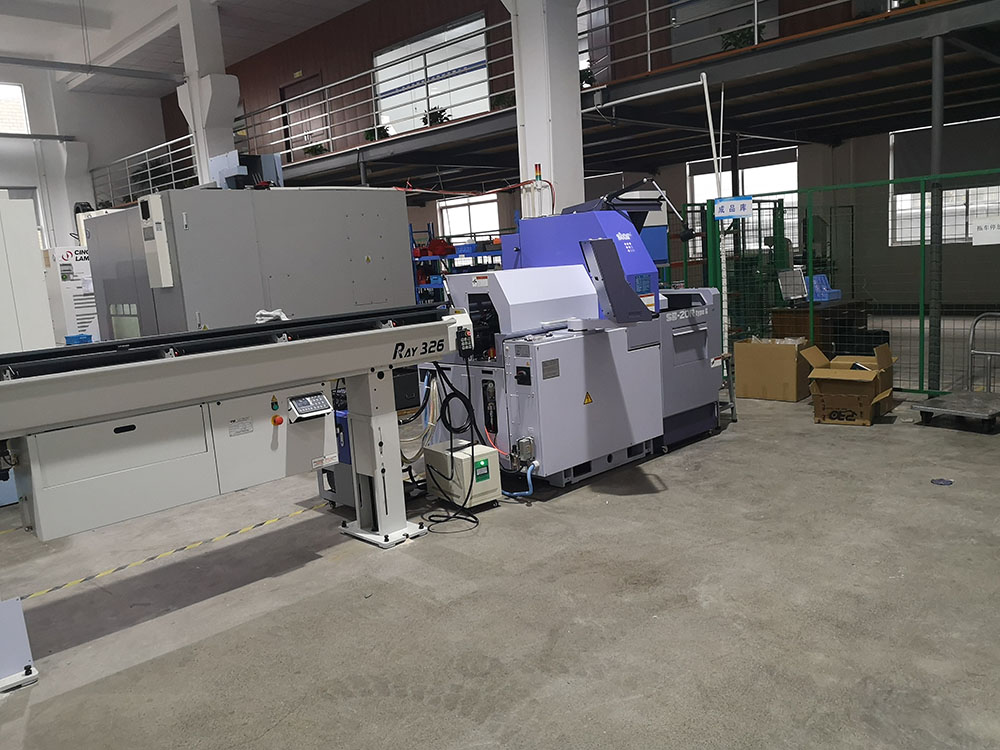
How our localized ecosystem delivers superior mechanical property optimization and cost competitiveness.
We work exclusively with certified raw material suppliers. Our titanium products are manufactured from Grade 5 ELI Titanium (Ti-6Al-4V ELI) meeting ASTM F136 specifications, providing unparalleled tensile strength, corrosion resistance, and bio-affinity. Our polymer implants use genuine PEEK-OPTIMA, minimizing stress shielding in spinal applications.
Traditional setups struggle with complex geometries like multi-start threads on pedicle screws and interlocking apertures on GAMA intramedullary nails. Our facility employs Citizen and Star Swiss-type lathes to ensure dimensional tolerances of ±0.005mm, guaranteeing precise compatibility during orthopaedic procedures.
Every batch of trauma plates and locking fasteners undergoes mechanical verification, including torsion, pull-out, and dynamic fatigue testing (ASTM F1717 / ASTM F543). Cleanroom packaging systems (ISO Class 7) keep particulates and bioburden levels far below international thresholds.
Technological shifts shaping the design, material selection, and deployment of implantable systems.
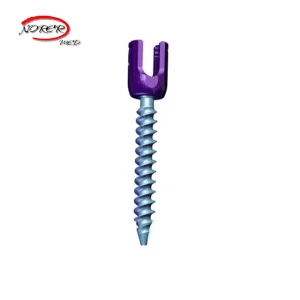
Clinical settings continue to pivot toward procedures that reduce surgical trauma and speed patient recovery. This shift demands implants with low-profile projections, self-tapping thread geometries, and integrated cannula designs. Minimally invasive spinal pedicle screws allow surgeons to perform percutaneous spinal fixations with minimal muscle disruption, lowering postoperative pain indices.
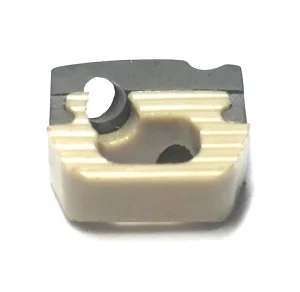
Polyetheretherketone (PEEK) has revolutionized load-bearing spinal cage engineering. Unlike rigid titanium implants, PEEK features an elastic modulus (approx. 3.6 GPa) closely matching cortical bone. This eliminates stress shielding—a major cause of adjacent segment degeneration. PEEK ACIF and TLIF cages allow clear radiographic visualization of fusion progression without imaging artifacts.
Veterinary medicine has rapidly adopted human-grade implant technologies. The veterinary sector now utilizes advanced interlocking nails, polyaxial pedicle screws, and complex locking plates for canine cruciate ligament surgeries and feline fracture repairs. This crossover allows us to deploy similar high-tolerance production pipelines for veterinary and human orthopedic hardware.
Understanding how our titanium and polymer hardware performs under dynamic physiological loads.
| Anatomical Site / Case Type | Primary Clinical Challenge | Recommended Device Solution | Key Mechanical Performance Indicators |
|---|---|---|---|
| Cervical / Lumbar Interbody Fusion | Preventing implant migration and promoting bony bridging. | PEEK Locking ACIF / TLIF Cage systems. | Radiolucent polymer material, high shear stability, integrated locking screws. |
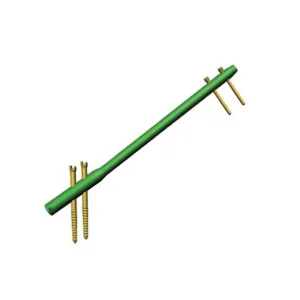
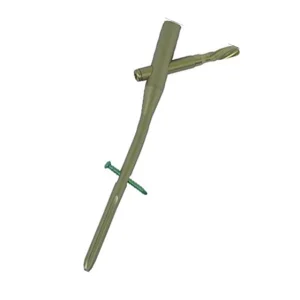
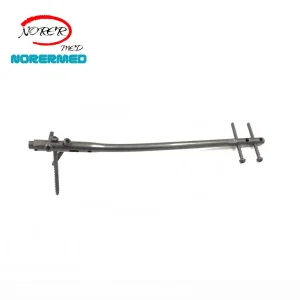
| Femoral / Tibial Shaft Fractures | Handling multi-directional torsional loads during weight-bearing recovery. | PFNA Expert Interlocking Nails, GAMA Intramedullary systems. | High fatigue limit, anti-rotation distal locking configurations, proximal dynamic stabilization. |
| Spinal Instability (Human/Vet) | Securing degenerated vertebral bodies against shear forces. | Uniplanar/Monoaxial Pedicle Screws, Crosslink Rods. | Optimized pull-out resistance, polyaxial head angling, high thread depth. |
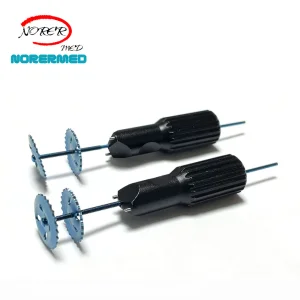
| Skull Reconstruction / Cranial Trauma | Providing rigid fixation of bone flaps with minimal soft tissue interference. | Titanium Cranial Skull Locks & Platelets. | Ultra-low profile (0.5mm - 1mm height), rapid locking mechanics, highly bio-compatible. |
We streamline the path from drawing validation to clinical deployment, supporting global distributors and device brands.
Submit your CAD models (IGES/STEP). Our engineering team reviews geometries for Swiss CNC paths and stress distribution, generating optimized toolpaths.
Raw titanium and PEEK stocks undergo chemical assay testing, microstructural evaluation, and mechanical verification prior to machining.
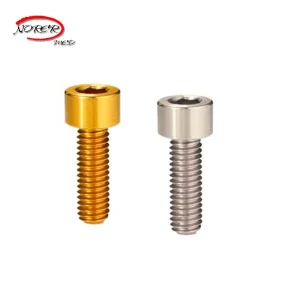
Multi-axis machining forms precision threads and undercuts. Titanium screws receive Type II/III anodization for color coding and galling resistance.
Devices are processed in ultrasonic baths, checked for particulates, and packed in sterile-ready barrier systems under class ISO 7 cleanroom controls.
Answers to technical, regulatory, and logistics queries from global medical procurement teams.
Explore our full line of bone screws, spinal rods, and implant components designed for reconstruction and internal fixation.
 Deon Medical