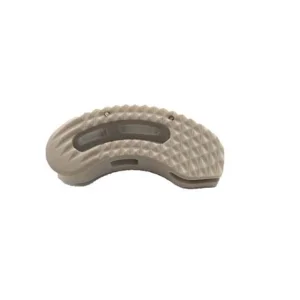
In modern critical care and long-term therapeutic regimens, Vascular Access Devices (VADs) serve as the indispensable vascular conduit for life-sustaining therapies. Historically, the clinical separation between vascular access systems (such as central venous catheters, implantable ports, and dialysis access systems) and structural implant disciplines (like orthopedics and neuro-trauma fixation) was substantial. However, advanced micro-manufacturing and modern biomaterials science have triggered a macro convergence. Today, the underlying technologies driving longevity in structural orthopedic trauma implants—namely, high-precision biocompatible titanium alloy machining, advanced polymer extrusion, and anti-microbial surface modifications—are direct key drivers in the development of next-generation, high-durability vascular access solutions.
For international medical distributors, healthcare systems, and B2B buyers seeking a reliable China Wholesale Vascular Access Devices Supplier & Suppliers, understanding this material and manufacturing crossover is essential. Devices such as implantable port chambers require the exact same precision Swiss lathe micro-machining and grade-5 titanium-alloy processing that orthopedic bone screws and interlocking nail systems rely on. As clinical frameworks demand longer catheter indwelling times with zero incidence of mechanical failure, tissue necrosis, or microbial colonization, the standard for sourcing has shifted. Wholesale procurement must now prioritize vendors demonstrating high-level expertise in metallurgical integrity, surface roughness optimization, and ISO 13485-certified bio-cleanroom manufacturing environments.
The manufacturing requirements of implantable devices—whether they are cervical plates, spinal pedicle screws, or subcutaneous vascular access ports—depend heavily on the precise selection and processing of raw materials. Key materials include:
This alloy delivers high tensile strength, excellent fatigue resistance, and low density. In vascular access applications, it forms the protective external chamber for port reservoirs, shielding against needle deformation while remaining lightweight and fully MRI-compatible.
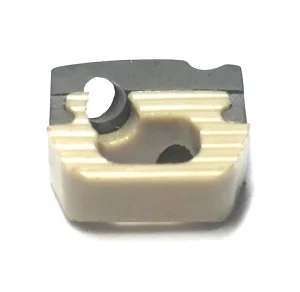
Favored for its radiological translucency, high chemical resistance, and modulus of elasticity close to human bone. PEEK is ideal for both orthopedic cages and port-a-cath housings, preventing artifact distortion in postoperative CT and MRI scans.
By creating a controlled oxide layer on titanium, we eliminate trace free-iron particles, preventing corrosion and reducing platelet adhesion in vascular devices, while encouraging stable osteointegration in orthopedic devices.
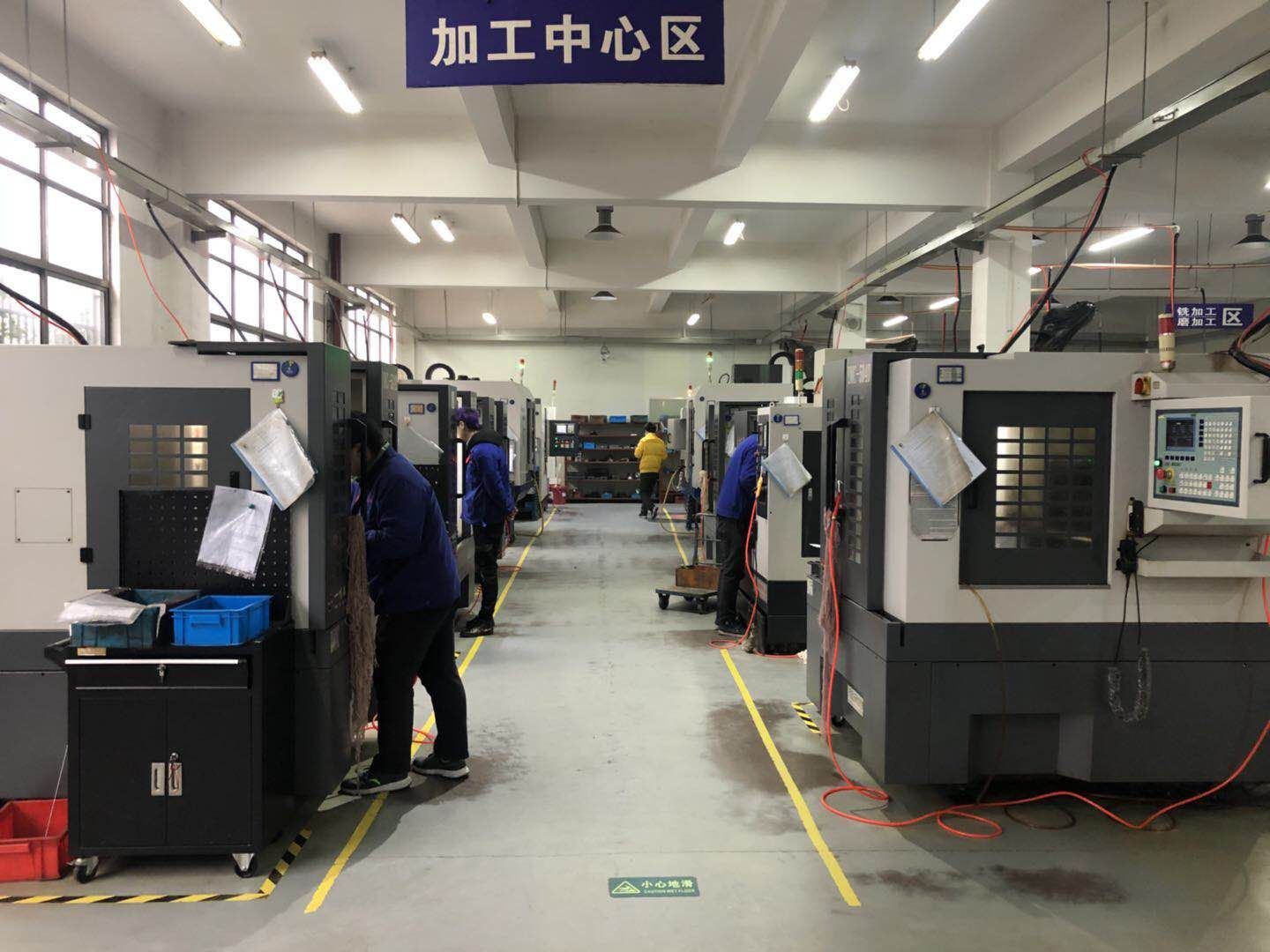
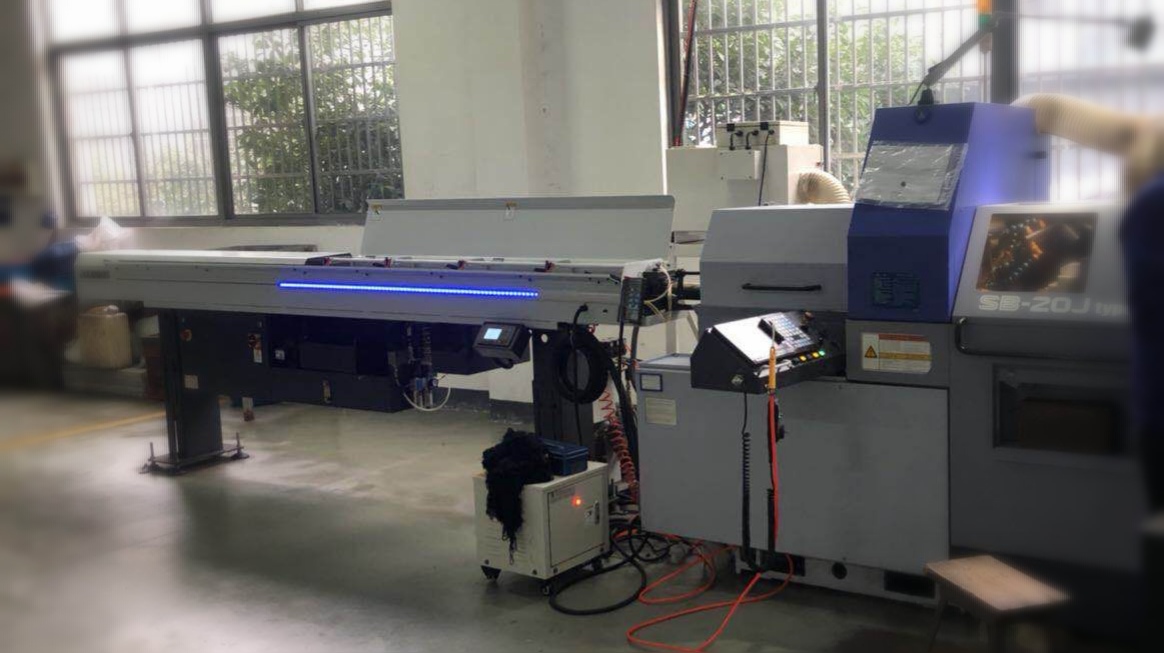
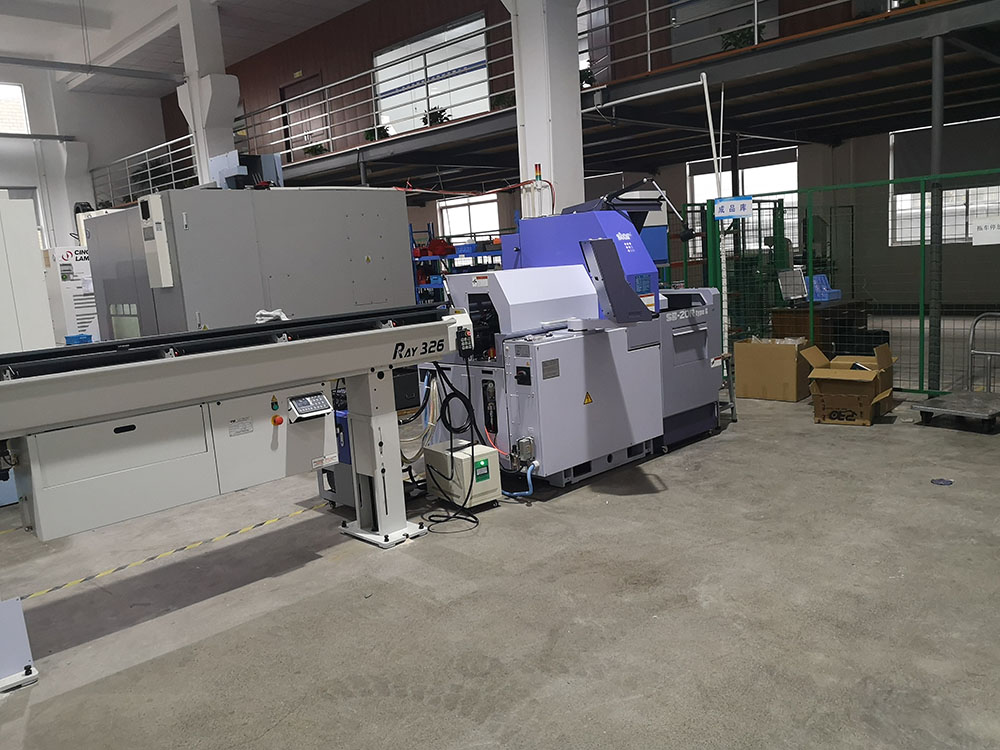
By bridging these material pathways, DEON Medical applies precision manufacturing protocols across both implant classes. For example, our CNC micro-machining lines produce interlocking screws with tolerances under 5 microns. This same precision is applied to internal chamber seals and locking mechanisms for high-pressure vascular injection catheters, preventing leakage and structural failure under backpressure (up to 325 psi) during contrast-enhanced imaging.
The global demand for vascular access systems and orthopedic implants is rising due to an aging population, the expansion of oncology centers, and the growing complexity of trauma surgeries. This surge requires a resilient global supply chain. B2B healthcare procurers face key challenges, including material shortages, rising freight costs, and the need to meet varying regulatory standards.
Located in Changzhou, Jiangsu, China—a hub for medical device manufacturing—DEON Medical addresses these challenges through integrated production. By sourcing raw medical titanium and raw PEEK in large quantities, we buffer our clients against raw material volatility. Additionally, our dual focus as an experienced manufacturer and trading company allows us to handle both custom design projects and large-scale bulk orders.
To ensure supply chain resilience, we offer:
Entering international markets with medical devices requires strict compliance with regulatory standards. Whether supplying vascular access ports, spinal pedicle screws, or PEEK lumbar cages, products must meet international guidelines to ensure safety and clinical efficacy.
Our quality assurance system is built on ISO 13485:2016 standards. Every step of manufacturing—from raw material inspection and mechanical verification to ultrasonic cleaning and final sterilization packaging—is documented to ensure full traceability.
We design and document our products to align with EU Medical Device Regulations, ensuring structural integrity, material safety, and clear clinical evaluation pathways.
Our raw materials comply with ASTM F136 specifications for surgical implants, confirming low inclusion levels and uniform mechanical performance.
All component surfaces undergo extensive testing, including ISO 10993 cytotoxicity, sensitization, systemic toxicity, and hemocompatibility assessments, ensuring long-term safety in the bloodstream.
In hospital settings, medical hardware must perform reliably under complex physiological conditions. For example, in oncology, chemotherapy regimens require long-term vascular access through subcutaneous ports, which must withstand repeated needle punctures without leaking or releasing particulates.
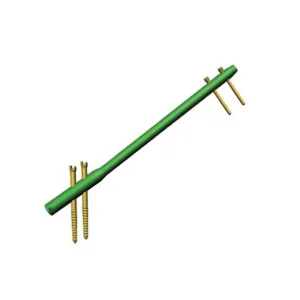
Similarly, in orthopedic trauma and spinal reconstruction, implants like femoral interlocking nails and pedicle screw systems are subjected to dynamic biomechanical stresses. The mechanical demands of these devices are closely aligned:
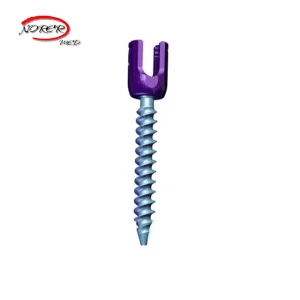
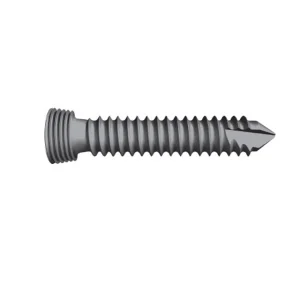
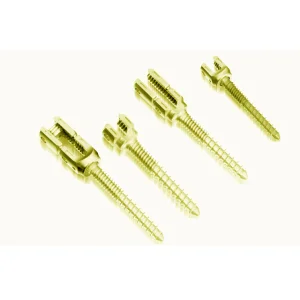
In spinal fixation, pedicle screws must anchor securely in bone without loosening. In vascular ports, the locking ring must clamp the catheter tube tightly to prevent migration or leakage. Both applications rely on precise thread geometry, clean material interfaces, and verified fatigue resistance to prevent failure under load.
The mechanical requirements for human implants also apply to the veterinary field. Veterinary orthopedic surgeries, such as stabilizing spinal instability in large animals or repairing complex femoral fractures, require robust hardware. Our specialized product line, which includes Veterinary Orthopedic Minimally Invasive Spinal Titanium Pedicle Screws and PEEK Lumbar TLIF Cages, brings human-grade implant technology to the veterinary sector.
The next generation of implantable devices will move beyond passive structural support to include active diagnostic and therapeutic capabilities. Our technology roadmap focuses on:
 Deon Medical