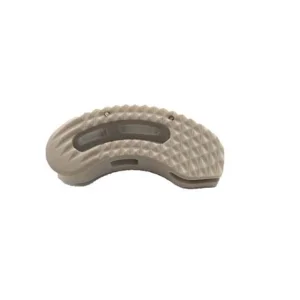
High-precision orthopedic constructs engineered for human and veterinary applications.
The global orthopedic sector is experiencing an unprecedented structural shift. Factors such as increasing life expectancy, a rise in sedentary lifestyles, and growing rates of degenerative disc diseases (DDD) have driven dynamic expansion in the global spinal fusion market. According to recent clinical data, spinal surgeries—particularly lumbar, thoracic, and cervical fusions—represent one of the fastest-growing categories in modern reconstructive therapeutics. For healthcare providers, distributors, and surgical specialists, securing a stable, high-precision supply chain for spinal implants and instrumentation is paramount.
In this macro-economic context, China has emerged as a major global hub for medical device manufacturing, shifting from simple contractual labor to advanced, vertically integrated production. Chinese medical device export hubs, particularly those clustered in Jiangsu province (specifically Changzhou), leverage extensive metallurgy supply chains, advanced CNC machinery, and strict regulatory alignments. By incorporating state-of-the-art multi-axis milling, cleanroom configurations, and stringent physical-chemical testing protocols, Chinese wholesale spinal fusion manufacturers provide global clinical markets with reliable alternatives that balance therapeutic efficacy with financial sustainability.
Utilization of Grade 5 Titanium (Ti-6Al-4V ELI) and implantable PEEK per ASTM standards ensures high biocompatibility and optimal mechanical performance.
Manufacturing facilities operate under ISO 13485:2016 quality systems, meeting strict international guidelines for sterile packaging and biological safety.
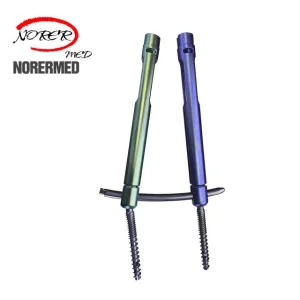
Complete design customization for pedicle screws, locking systems, and anatomical plates, catering to diverse human and veterinary surgical requirements.
Modern spinal fusion constructs are subjected to high, cyclic physiological loads. To prevent premature implant failure, metallurgists and biomedical engineers rely on materials that possess high fatigue strength, excellent corrosion resistance, and low immunogenicity. Two primary material classes dominate the advanced spinal fusion landscape:
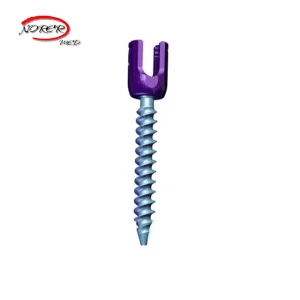
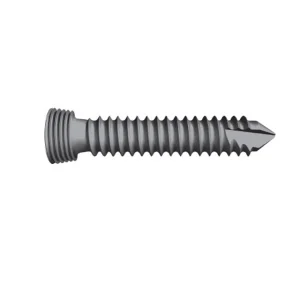
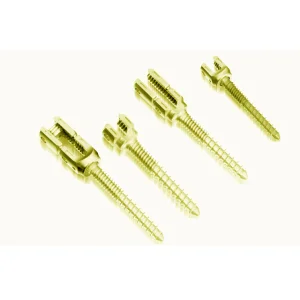
Titanium remains the gold standard for load-bearing spinal fixation constructs, including pedicle screws, rods, and cranial locks. Specifically, Extra Low Interstitial (ELI) Grade 5 Titanium (conforming to ASTM F136) is utilized. The reduction in interstitial elements (oxygen, nitrogen, hydrogen, and carbon) significantly improves the alloy's fracture toughness and fatigue resistance. This ensures that micro-machined components, such as the threads of the Human / Veterinary Orthopedic Titanium Spine Uniplanar Pedicle Poly Screw, maintain their mechanical integrity without shearing or galling during insertion or long-term dynamic loading.
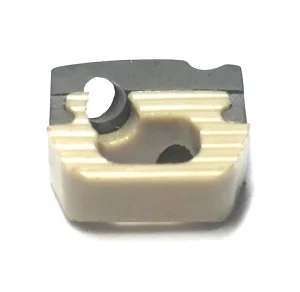
For interbody fusion cages, such as the ACIF PEEK Locking Infusion Cage for Cervical or the PEEK Lumbar TLIF Cage, PEEK (conforming to ASTM F2026) offers distinct clinical advantages. Unlike titanium, PEEK possesses an elastic modulus (typically around 3.6 GPa) that closely matches that of human cortical bone (15-20 GPa). This mechanical similarity significantly mitigates the risk of "stress shielding"—a phenomenon where overly rigid implants absorb all mechanical loads, leading to adjacent bone resorption and implant subsidence. Furthermore, PEEK is radiolucent, allowing surgeons to clearly monitor bone graft incorporation and osseous union progression via standard X-ray or CT imaging without metallic artifacts.
Every batch of spinal implants manufactured by DEON Medical undergoes a comprehensive, multi-tiered quality assurance cycle. Operating under the rigorous guidelines of the ISO 13485:2016 quality management system, the manufacturing facility guarantees material traceability from raw bar stocks to finished, sterile products.
Using 3D coordinate measuring machines (CMM) and optical profile projectors, screw thread profiles, pitch configurations, and interbody window tolerances are checked against design blueprints down to the sub-micron level.
Implants are subjected to static and dynamic shear, torsion, and axial compression testing according to ASTM F1717 and ASTM F1798 standards, simulating years of spinal flexion, extension, and rotation.
Automated ultrasonic cleaning lines remove cutting fluids and metallic residues. Passivation and Type II/III anodization create stable, bio-inert titanium oxide films to enhance corrosion resistance.
To prevent biological contamination, all spinal implants are packaged within controlled cleanroom environments (ISO Class 7 / Class 10,000 equivalent). Each packaging run is monitored for bioburden levels, ensuring that final sterilization (whether via Ethylene Oxide or Gamma Radiation) yields a Sterility Assurance Level (SAL) of 10⁻⁶, the global standard for implantable devices.
While the mechanical principles of spinal stabilization remain consistent across species, the anatomical and biological constraints differ significantly between human and veterinary applications. DEON Medical's product lines are designed to address the specific needs of both fields:
In veterinary orthopedics, particularly for companion animals (canines and felines) and larger livestock, spinal stabilization is indicated for conditions such as canine Wobbler syndrome, lumbosacral stenosis, and traumatic vertebral luxations. Veterinary implants, such as the Veterinary Orthopedic PEEK Lumbar TLIF Cage and the Veterinary Orthopedic Titanium Monoaxial Pedicle Screw, require smaller footprints, higher thread pitch configurations for softer bone structures, and faster integration timelines to prevent post-operative displacement in non-compliant patients.
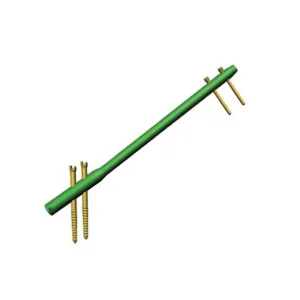
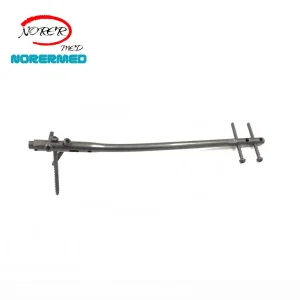
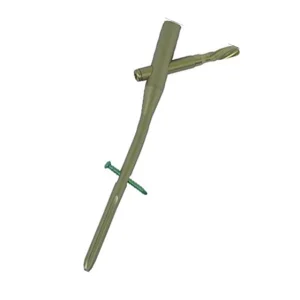
Human spinal fusion surgeries demand highly modular systems to accommodate varying patient anatomy. Products like the Uniplanar Pedicle Poly Screw for Fixation allow the surgeon to adjust the screw head orientation along a single plane, providing flexibility during rod placement while retaining high axial stability. Additionally, interlocking nails like the PFNA (Proximal Femoral Nail Antirotation) system provide intramedullary stabilization for complex fractures, minimizing surgical trauma and facilitating rapid patient mobilization.
The future of spinal fusion technology lies in the convergence of additive manufacturing, surface chemistry modifications, and smart sensory integration. As a leading manufacturer, DEON Medical's research and development team is actively exploring several key fields:
Using Electron Beam Melting (EBM) and Selective Laser Melting (SLM), we are designing interbody fusion cages with interconnected micro-pores that mimic natural trabecular bone structure to promote rapid osseointegration.
Developing PEEK composites filled with bioceramic particles such as Hydroxyapatite (HA) or Silicon Nitride, improving PEEK's surface wettability and bone-bonding capabilities without compromising its mechanical properties.
Researching the integration of micro-strain sensors within pedicle screws and rods to provide real-time, post-operative mechanical strain feedback, allowing clinicians to detect non-union early.
To assist procurement directors, biomedical engineers, and distribution managers, we have compiled detailed technical answers addressing the most common inquiries regarding Chinese spinal fusion manufacturing, material selection, and delivery logistics.
Re-engineered surgical components designed to ensure high stability and reliable osseointegration.
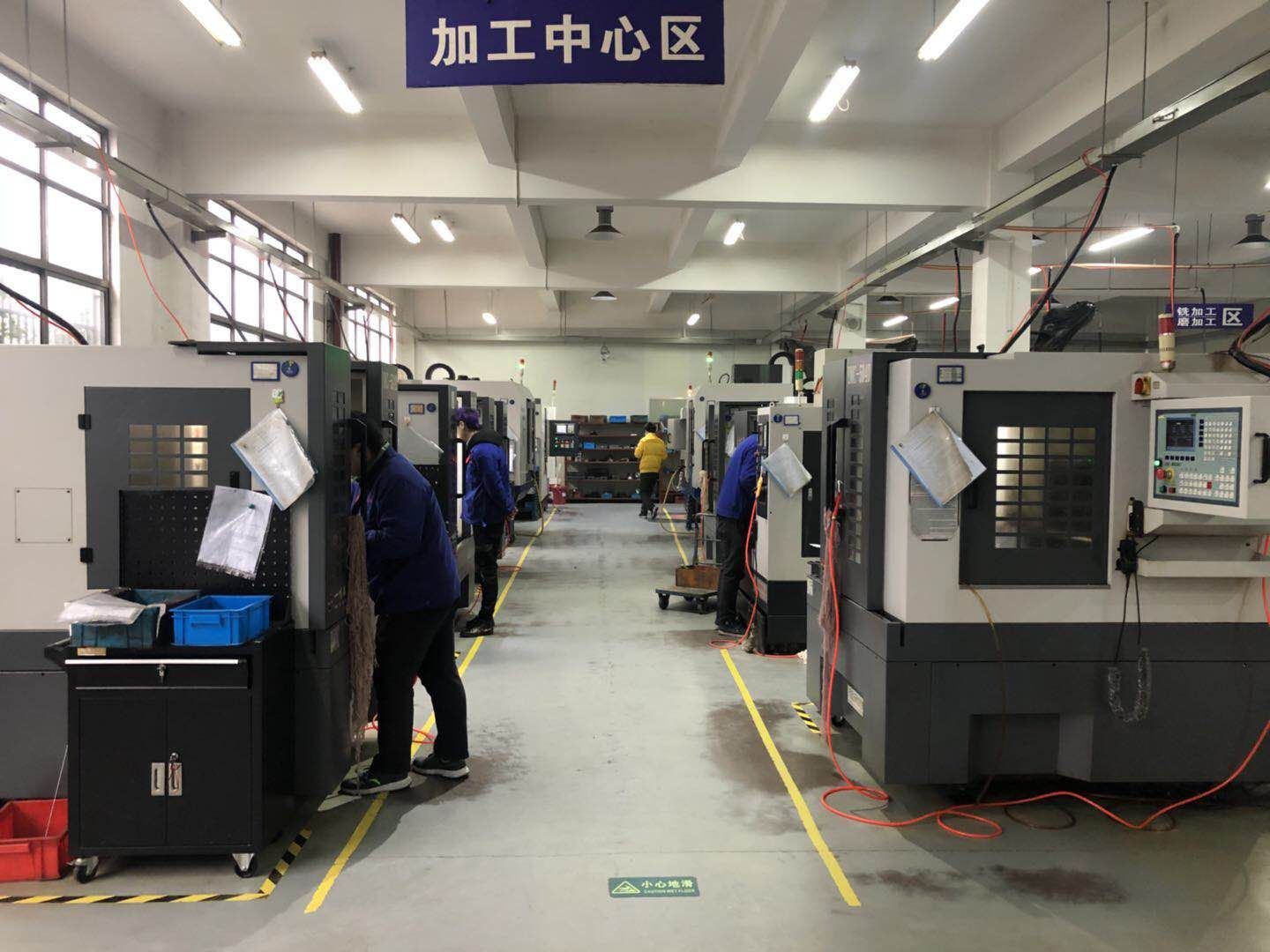
DEON Medical (Changzhou) Co., Ltd. is located in Changzhou City, Jiangsu Province, China—a region known for medical device manufacturing and precision engineering. As a supplier of orthopedic trauma bone plates, bone screws, interlocking nails, spinal pedicle screws, cervical plates, and PEEK cervical and lumbar cages, we operate cleanrooms, CNC machining centers, and inspection labs.
We specialize in the development and distribution of orthopedic surgical solutions. Our portfolio includes interlocking nail systems, anatomical bone plate systems, cannulated locking screws, and spinal reconstruction implants. By working closely with clinical consultants and materials scientists, we continuously refine our product lines to meet the evolving demands of human healthcare and veterinary surgery.
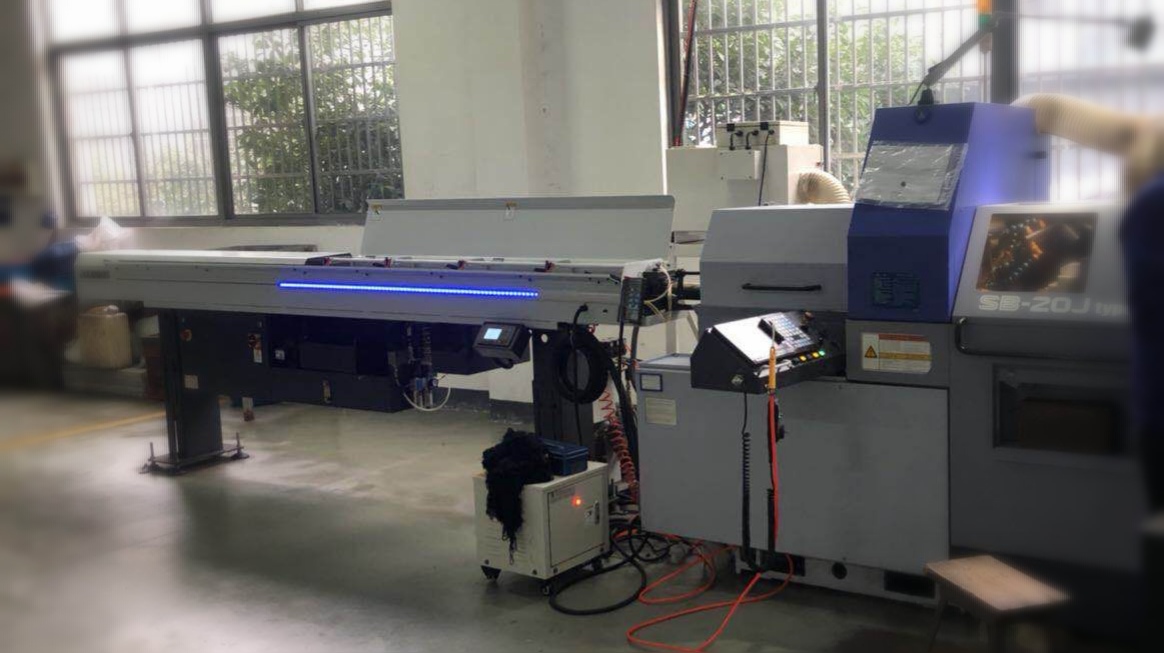
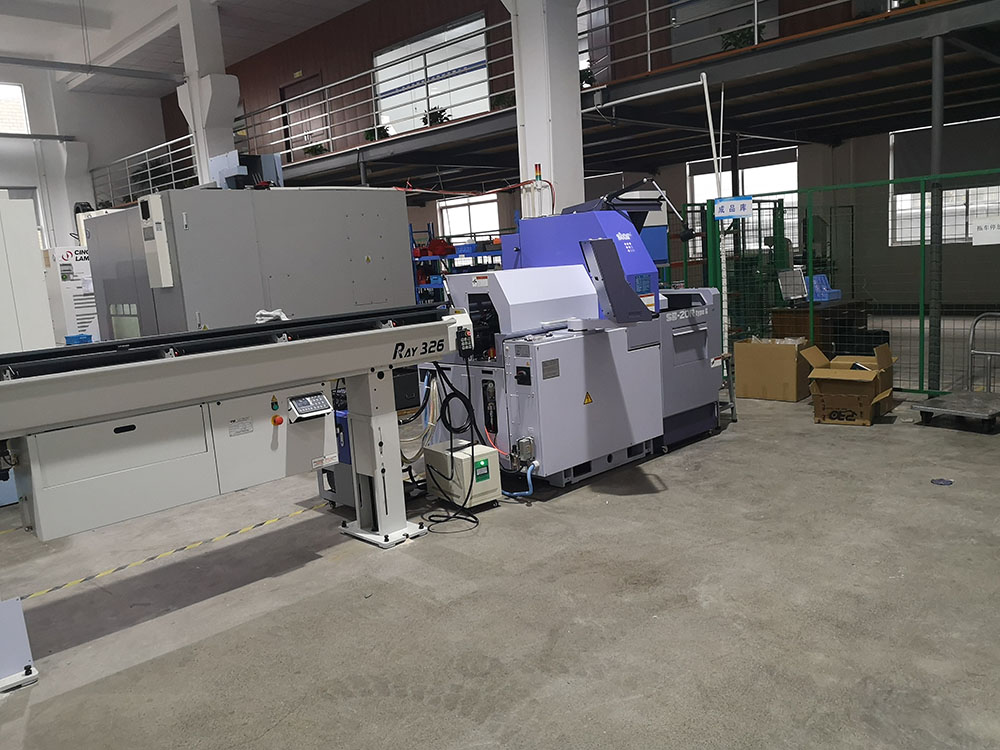
Our facilities utilize automated production techniques to ensure high mechanical performance and consistency across batches. We support global distributors and medical organizations with customizable OEM/ODM services, technical documentation, and logistical support.
 Deon Medical