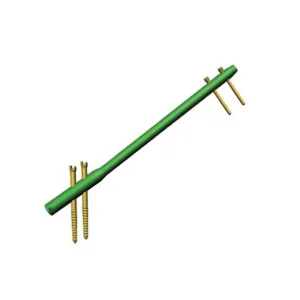
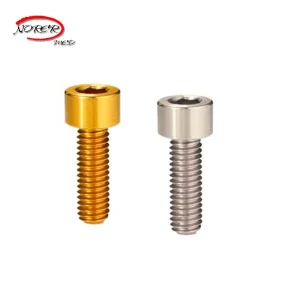
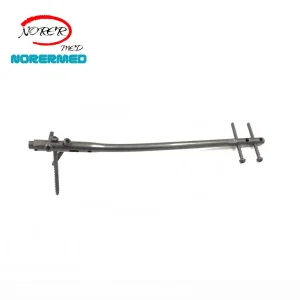
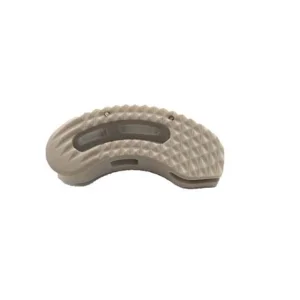
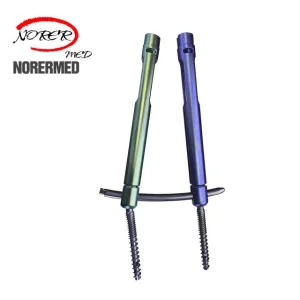
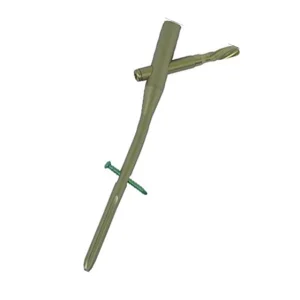
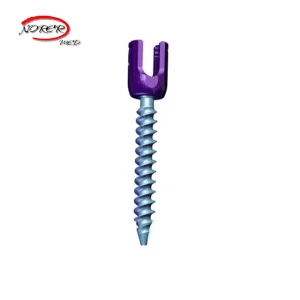
In the field of orthopedic trauma surgery, the stabilizing and fixation of long bone fractures have undergone significant shifts. The implementation of intramedullary nailing—particularly using advanced titanium interlocking nails—remains the gold standard treatment for femoral, tibial, and humeral shaft fractures. Unlike conventional bone plates, an interlocking nail acts as an internal splint. It shares the biomechanical physiological load, maintains the anatomical axis of the bone, and allows for early weight-bearing post-surgery, reducing recovery time and minimizing patient muscle atrophy.
As clinical requirements grow more demanding, modern interlocking nail systems are engineered with anatomical curvatures (such as the GAMA femoral nail configuration) and specific dynamic-static locking modes. These systems enable trauma surgeons to choose between rigid stabilization or controlled micro-movements to stimulate callus formation. Utilizing high-grade biocompatible titanium alloys (typically Ti-6Al-4V ELI), these implants offer high fatigue strength, lower elastic modulus closer to cortical bone, and excellent MRI/CT compatibility, securing their place as a foundational trauma solution worldwide.
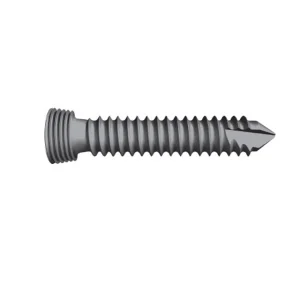
Clinical Advantage: Modern expert tibial and GAMA femoral interlocking systems allow for targeted compression and multi-planar locking screws, dramatically reducing post-operative complications like rotational deformity or hardware migration.
The international orthopedic devices market is experiencing rapid expansion, fueled by an aging global population, rising incidences of high-energy road traffic accidents, and the rapid development of veterinary orthopedics. China has emerged as a primary hub for global orthopedic implant manufacturing, offering raw materials control, precise CNC machining, and competitive scaling.
Industrial supply chains have concentrated in specialized clusters, with Changzhou in Jiangsu province leading as a key base for orthopedic trauma plate, pedicle screw, and cervical/lumbar cage production. The convergence of medical-grade raw material suppliers, high-precision Swiss-type lathe machining facilities, and rigorous cleanroom sterilization packaging allows Chinese factories to supply distributors, hospitals, and veterinary clinics globally under strict OEM and ODM frameworks. This integration optimizes the supply chain and significantly lowers procurement costs without compromising clinical efficacy.
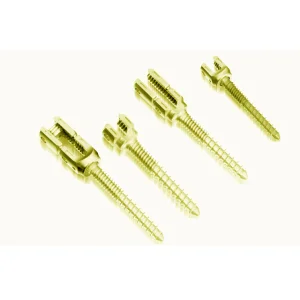
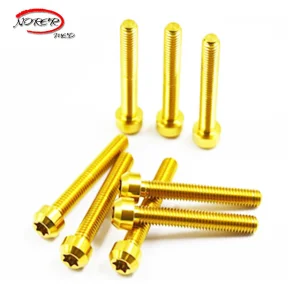
DEON Medical (Changzhou) Co., Ltd. is a specialized player in the medical device field, located in Changzhou city, Jiangsu Province, China. The company is a dedicated manufacturer of orthopedic trauma bone plates, bone screws, orthopedic interlocking nails, spine pedicle screws, cervical plates, PEEK cervical & lumbar cages, and related surgical instruments.
Operating as an integrated trading and manufacturing enterprise, DEON Medical combines production capability with a responsive global sales network. Over the past 10 years, DEON Medical has built a reputation for delivering reliable, cost-effective orthopedic trauma and spinal fixation devices to human medical institutions and veterinary distributors across the world.
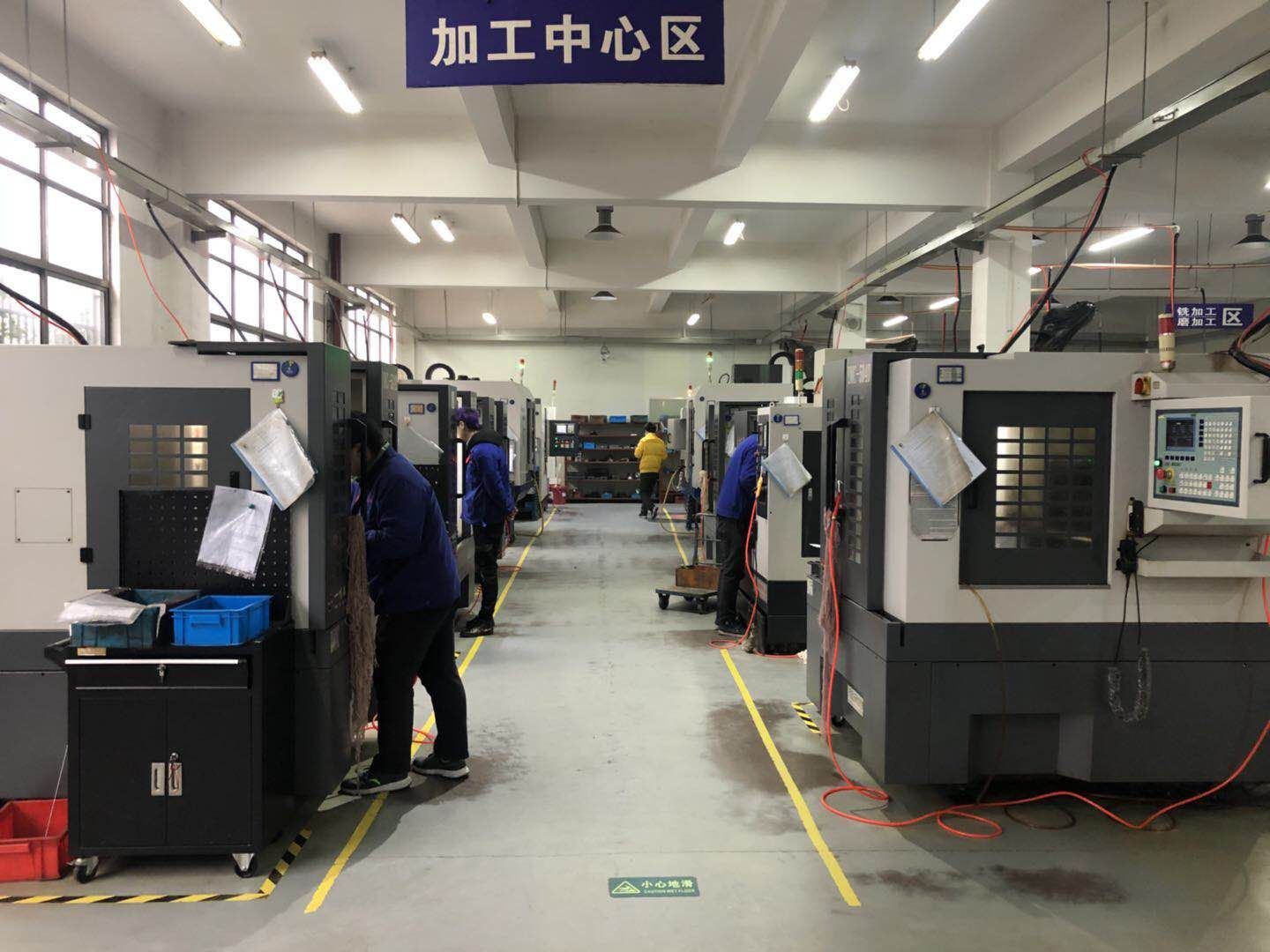
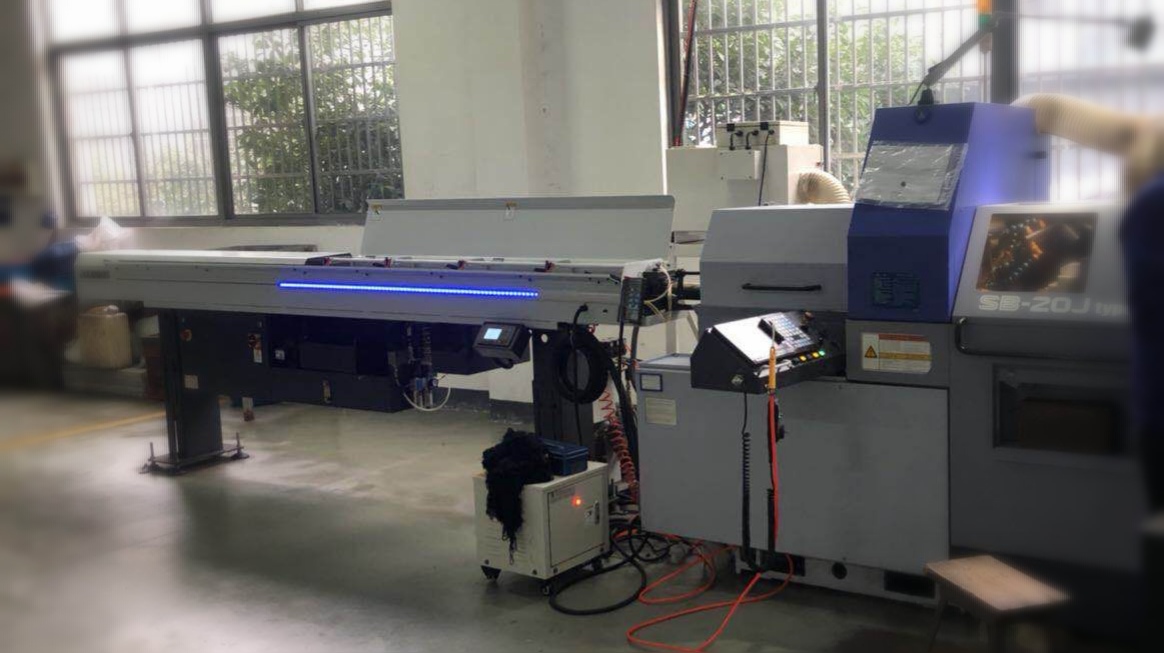
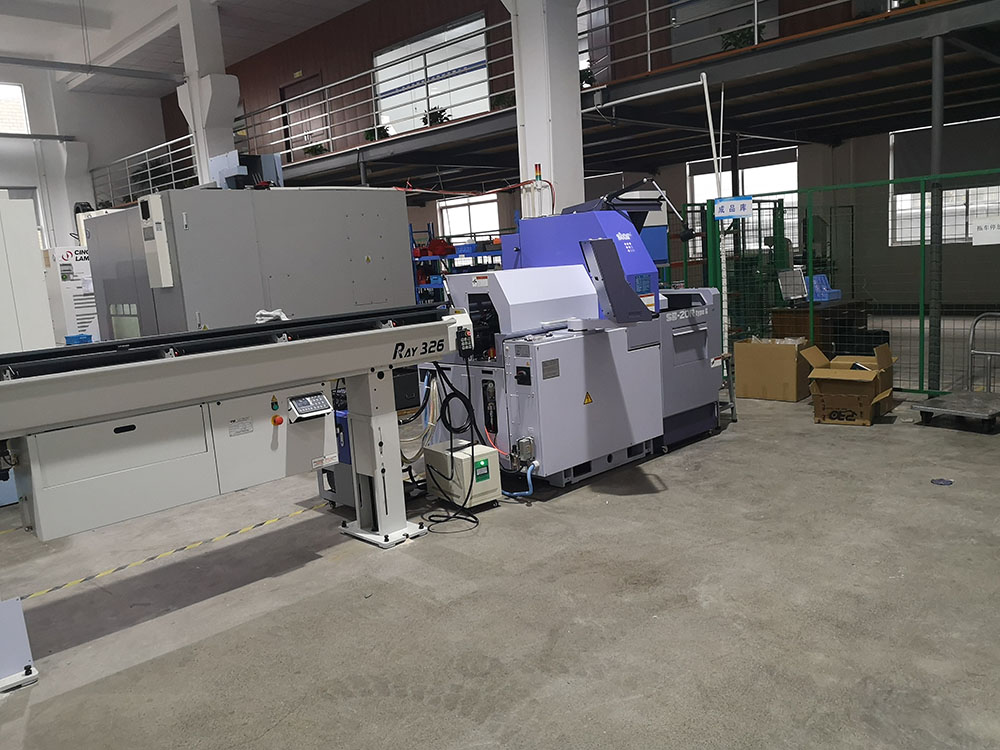
Manufacturing medical implants requires high precision and zero tolerance for structural defects. The engineering workflow for DEON Medical's titanium interlocking nails and pedicle screws follows a strict technical roadmap:
We source medical-grade Titanium Alloy (Ti-6Al-4V ELI) complying with ASTM F136 standards, and high-performance PEEK polymers for spinal cages, ensuring biocompatibility and fatigue resistance.
Implant geometries are carved out using advanced Swiss-type multi-axis CNC machines. This achieves precise dimensional tolerances within ±0.005mm, which is critical for locking-screw interfaces.
Implants undergo mechanical polishing, chemical passivation, and Type II anodization. This creates a bio-inert surface layer, enhances wear resistance, and enables color-coding for size identification.
To ensure quality control, every manufacturing batch undergoes non-destructive testing (NDT), three-dimensional coordinate measurements, and mechanical fatigue testing. This simulates millions of load cycles to prevent failures under physiological stress.
Importing medical implants requires meeting strict regulatory standards. DEON Medical ensures compliance with global medical regulatory frameworks. Every batch of Titanium Interlocking Nails, Pedicle Screws, and Cranial Skull Locks is accompanied by mill test certificates (MTC) and quality reports, ensuring full traceability from the raw material ingot to the finished sterilized implant.
DEON Medical works alongside distributors and hospital groups to assist in local registration processes, including CE documentation, FDA registration assistance, and ISO 13485 compliance certificates. Furthermore, we offer custom OEM designs, providing tailor-made configurations, custom sizing for unique anatomical shapes, and localized instrument sets to match surgeons' preferences in different global regions.
Modern medical solutions must adapt to different environments. The clinical applications of DEON Medical products span two main areas:
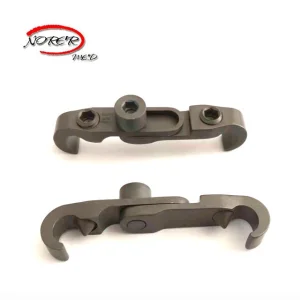
Used in trauma units for long bone shaft fractures (femoral, tibial, humeral) and spinal surgeries. This includes cranial skull locks for craniotomy closures and posterior pedicle screw systems for scoliosis and spinal instability.
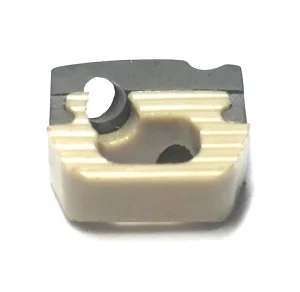
Specially adapted implants for veterinary hospitals treating canine and feline trauma. Features micro-interlocking nails, spinal monoaxial screws, and veterinary-specific PEEK cervical and lumbar cages for small animals.
Designed to support percutaneous insertion techniques. Cannulated interlocking nails and minimally invasive spinal systems help reduce tissue damage and blood loss, supporting faster recovery.
 Deon Medical